
Sometimes your instincts pick up what your mind doesn’t want to admit. If you feel a persistent sense that something is off in your relationship, it may not be “just overthinking.” Research in psychology shows that intuition often draws from subtle behavioral shifts you notice unconsciously. Trusting your gut is not paranoia, it is a signal worth paying attention to.
Their Schedule Suddenly Changes

When your partner’s daily routine shifts without a clear reason, it can raise questions. A new workout time, late night “work projects,” or sudden unavailability may indicate hidden commitments. While changes can be innocent, patterns of secrecy usually deserve attention. Consistency in behavior is often one of the strongest markers of trust.
Emotional Distance Becomes Obvious

Emotional intimacy is a foundation of strong relationships. If your partner withdraws, avoids conversations, or no longer shares personal thoughts, it may signal they are investing that energy elsewhere. This kind of distance can be just as concerning as physical cheating. Healthy relationships thrive on openness and connection.
Guarded Phone and Digital Habits

Suddenly hiding screens, changing passcodes, or keeping devices face down are red flags. Technology leaves trails, so people often become protective when there is something to conceal. Transparency in digital habits is a modern sign of trust. A lack of it can weigh heavily on your mental health.
Less Interest in Physical Intimacy

When passion fades overnight, it may point to something deeper. If your partner shows less enthusiasm for intimacy, it could be because they are emotionally or physically engaged elsewhere. Research highlights that sexual connection is often one of the first places infidelity leaves a mark. It’s worth paying attention to patterns, not just isolated moments.
Sudden Boost in Appearance

While self improvement is healthy, a dramatic and unexplained change in grooming or style can be telling. If your partner suddenly invests in new clothes, cologne, or fitness without discussing why, it could signal they are trying to impress someone new. Self-care is positive, but secrecy about the motivation is not.
Defensive or Evasive Answers

When simple questions are met with irritation or vague responses, pay attention. Defensiveness often hides guilt or fear of exposure. Healthy communication should not feel like walking on eggshells. If you notice tension every time you ask about their day, it could mean there is something unspoken.
Their Friends Act Differently Around You

Social circles often reveal truths before partners do. If their friends seem awkward, overly polite, or strangely quiet in your presence, it may be because they know something you do not. People who are hiding secrets sometimes change group dynamics without realizing it. Observing these shifts can reveal more than words.
Reduced Time Together

Spending quality time is critical for relationship health. If your partner suddenly avoids shared activities or cancels plans often, it could mean they are prioritizing someone else. While busy seasons happen, consistent absence creates emotional gaps. Protecting your time together is essential for connection.
Overcompensation With Guilt Gifts

Some partners try to cover guilt with grand gestures or unexpected presents. While gifts are not negative on their own, the timing and frequency may feel unusual. Research shows guilt-driven behaviors often spike when someone is hiding infidelity. Genuine affection does not require overcompensation.
Increased Criticism Toward You

If your partner suddenly nitpicks everything you do, it may not be about you at all. Criticism can be a way to create emotional distance or justify their behavior internally. Healthy couples encourage growth, not constant fault-finding. Notice whether criticism has replaced appreciation in your relationship.
Inconsistent Stories
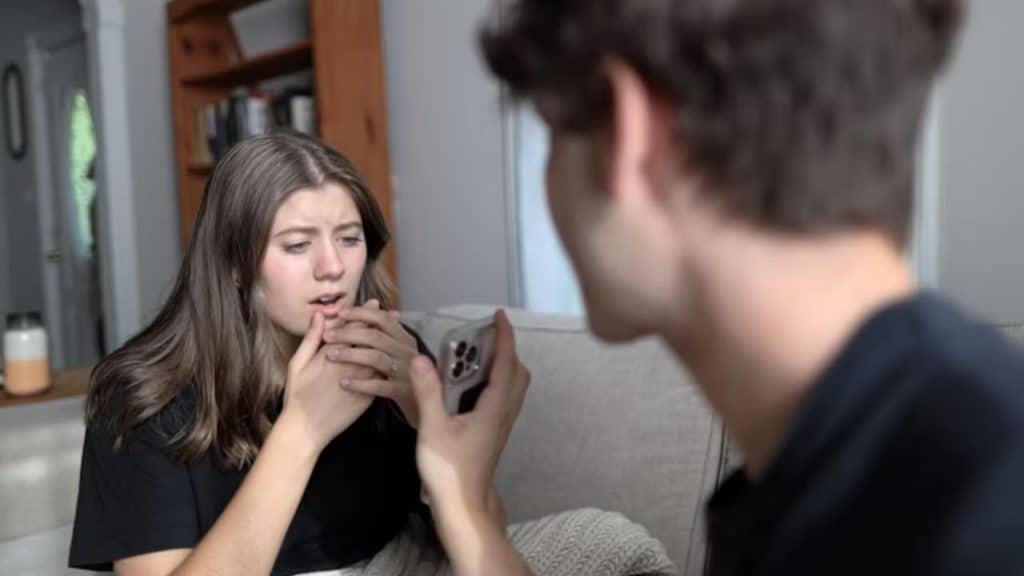
When timelines don’t add up or details keep changing, it’s a classic warning sign. People often struggle to maintain lies consistently. If you catch inconsistencies in where they were or what they were doing, it’s worth addressing calmly. Honesty should not feel like detective work.
Loss of Future Planning

Partners who are committed usually talk about shared goals and plans. If those conversations disappear or your partner avoids discussing the future, it may mean they are no longer invested. A relationship without forward momentum can feel unstable. Pay attention to how often they include you in tomorrow.
Secretive Finances

Hidden spending or unexplained charges can reveal more than words. Some people use financial secrecy to cover outings or gifts meant for someone else. Studies show financial infidelity can be as damaging as emotional betrayal. Transparency in money matters is a key trust marker.
Change in Energy Around You

Relationships run on energy exchange. If your partner seems energized after being away but drained when they return to you, that shift can be telling. Emotional connections elsewhere often cause imbalance at home. It is important to notice not just actions but also overall vibes.
Social Media Shifts

If posts, photos, or tags suddenly disappear, it might not be accidental. Some partners remove digital traces to cover involvement with someone else. In the age of online transparency, sudden secrecy often signals more than a desire for privacy. Digital behavior is an extension of modern trust.
They Accuse You of Distrust

Projection is a classic defense. A partner who is hiding something may flip the narrative and accuse you of being controlling or insecure. This tactic creates confusion and shifts focus away from their behavior. A healthy relationship welcomes questions instead of punishing them.
Sudden New Hobbies or Interests

New hobbies are great, but if they arise out of nowhere and are kept private, it can raise concerns. Sometimes these activities are tied to new people they spend time with. Shared transparency about interests fosters trust, secrecy does not. Ask open ended questions to see how genuine the new habit feels.
Instinctive Avoidance of Eye Contact

Eye contact is one of the strongest signals of honesty. If your partner avoids it more than usual, especially during serious conversations, it could mean they are hiding something. Studies in psychology link eye avoidance to guilt and deception. Honest love has no reason to look away.
The Final Clue Trust Feels Broken

At the end of the day, the biggest sign is how secure you feel in the relationship. If your partner’s actions leave you anxious, second-guessing, or constantly searching for reassurance, something is already fractured. Healthy love builds peace of mind, not confusion. Address concerns early to protect both your mental health and emotional stability.








Ask Me Anything