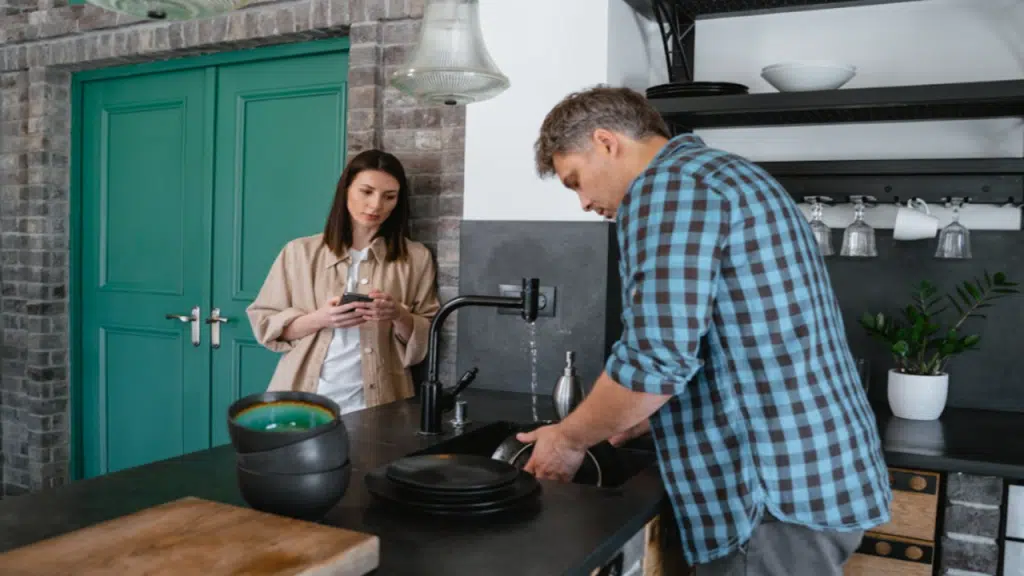
Marriage isn’t supposed to feel thrilling every single day–but it’s also not meant to feel like two people quietly existing under the same roof. When you stop being intentional with your connection, it’s easy to slip into “autopilot mode,” where comfort turns into complacency and routine replaces real intimacy. The problem isn’t that love fades; it’s that attention does. Recognizing when your marriage is coasting can help you bring it back to life before resentment or distance set in.
Here are 18 subtle but telling signs that your marriage might be running on autopilot–and what you can do to turn things around.
1. Conversations Feel Transactional
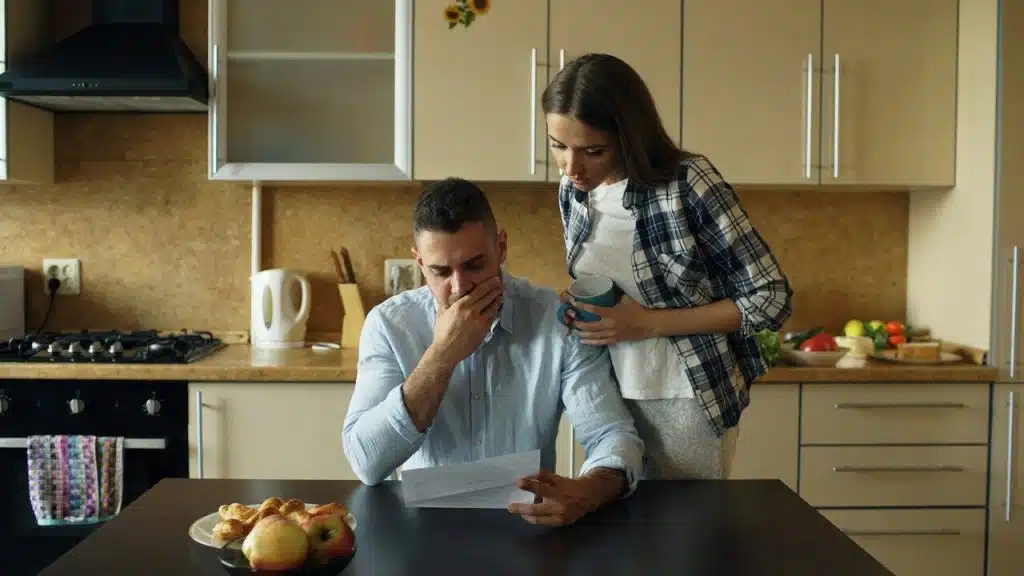
You talk, but only about logistics–bills, chores, kids, or schedules. Gone are the deep, curious conversations that made you feel seen and connected. If your exchanges sound more like boardroom briefings than emotional check-ins, that’s a red flag. Try carving out time each week to talk about something other than tasks–like your goals, memories, or what’s been inspiring or bothering you lately. Emotional curiosity is fuel for intimacy.
2. Physical Touch Has Become Rare

When hugs, kisses, and small gestures of affection disappear, it’s often a symptom of emotional distance. Physical connection isn’t just about sex–it’s how couples reassure, comfort, and ground each other daily. Make a conscious effort to bring back affectionate rituals, whether that’s a morning hug, a hand squeeze, or cuddling before bed. Small, consistent touches remind your partner that they’re desired and loved.
3. You Prioritize Tasks Over Time Together

If you’re constantly “too busy” to spend time together, your relationship is quietly slipping into the background. It’s easy to justify neglect with responsibility, but love doesn’t survive on leftovers. Even ten minutes of uninterrupted connection–like sharing coffee or taking a walk–can rebuild intimacy. Treat your marriage like a priority, not a convenience.
4. You Can’t Remember the Last Time You Laughed Together

Shared laughter is one of the most underrated forms of bonding. When humor fades from your relationship, it often signals emotional distance. Think back to the things that used to make you laugh together–inside jokes, funny stories, playful teasing–and intentionally bring that energy back. Playfulness breaks tension and reminds you both why you fell in love in the first place.
5. Date Nights Are a Distant Memory

Couples who stop dating each other often fall into roommate dynamics. Routine kills romance if you don’t inject novelty and intention into it. Schedule a date–even if it’s just a takeout dinner on the couch without phones. The goal isn’t extravagance; it’s attention. Regular dates keep you emotionally attuned and help you rediscover your partner as a person, not just a co-parent or cohabitant.
6. You Feel More Like Roommates Than Partners

When your shared life becomes all about dividing chores and responsibilities, you start functioning like business partners instead of romantic ones. You might live together but feel emotionally separate. The fix isn’t just spending time–it’s choosing time that nurtures connection, not efficiency. Cook together, share a project, or plan something spontaneous. Partnership thrives on shared experiences, not shared logistics.
7. You Avoid Difficult Conversations

If you find yourself walking on eggshells or burying frustrations to “keep the peace,” that’s a clear sign of emotional stagnation. Avoiding conflict might keep things calm temporarily, but it builds quiet resentment. Healthy couples don’t avoid tension–they work through it. Learn to discuss hard topics respectfully, focusing on understanding rather than winning. Real intimacy can’t grow where truth is suppressed.
8. Intimacy Feels Like a Chore

When sex becomes something you “should” do instead of something you want to do, that’s not just a libido issue–it’s often emotional disconnection showing up physically. Instead of forcing chemistry, rebuild emotional safety first. Talk openly about needs, stress, or what’s been missing. Intimacy thrives in honesty and curiosity, not obligation.
9. You Stop Noticing Each Other

You pass each other daily, but you’ve stopped seeing each other–no compliments, no check-ins, no genuine acknowledgment. When appreciation disappears, so does warmth. Make it a habit to notice small things–how your partner looks today, something they did well, or simply thank them for showing up. Recognition revives closeness faster than grand gestures.
10. You’ve Stopped Dreaming Together

When your conversations no longer include shared goals or future plans, you’ve shifted from building a life together to just maintaining one. Dreams give couples a sense of forward motion and purpose. Talk about what you both want–trips, projects, even lifestyle changes. Shared vision is emotional glue; it keeps you moving in the same direction.
11. Small Irritations Feel Big

When the little things your partner does suddenly feel unbearable, it’s rarely about those small acts–it’s about deeper disconnection. When emotional intimacy is low, patience and empathy go with it. Instead of snapping, take it as a cue to reconnect. Address stress, express needs, and find your way back to seeing your partner as an ally, not an adversary.
12. You Don’t Check In Emotionally Anymore

“How are you feeling lately?” is a question that’s disappeared from your marriage. You might know your partner’s schedule, but not their emotional state. Emotional check-ins keep couples attuned and build trust. Try creating a ritual–like sharing “highs and lows” of the week–to keep emotional communication alive.
13. You Spend More Time on Screens Than With Each Other

If you find yourselves scrolling side-by-side instead of connecting face-to-face, technology has quietly replaced intimacy. Phones, TV, and social media can become emotional buffers. Set screen-free times during meals or before bed to create moments of real connection. Attention is the new love language.
14. You Feel Indifferent Instead of Angry

Anger, while uncomfortable, still shows emotional investment. Indifference, on the other hand, is emotional withdrawal. When you stop caring enough to fight or engage, that’s a dangerous sign. The key is to reignite curiosity about your partner–ask questions, express affection, and rebuild small bridges of care. Passion begins where indifference ends.
15. You Rely on Others for Emotional Support

Turning to friends or coworkers for the kind of emotional comfort your spouse used to provide can signal growing detachment. It’s healthy to have outside support, but your partner should still be one of your safe spaces. Instead of venting elsewhere, try inviting your spouse back into your emotional world–share, listen, and rebuild that trust slowly.
16. You’ve Lost the Sense of “Us”

You talk in terms of “I” and “me” more than “we.” When your goals, schedules, and interests stop overlapping, it’s a sign of quiet drift. Rebuilding “us” doesn’t mean losing individuality–it means reintroducing shared meaning. Find activities or values that reignite teamwork and togetherness.
17. You’re Going Through the Motions

Everything looks fine on the outside–routine intact, responsibilities met–but something feels hollow. That’s emotional autopilot. The antidote is intentional living: doing small things with purpose again. Wake up and choose your partner daily. Ask questions, show appreciation, make eye contact. Presence is the opposite of autopilot.
18. You Can’t Remember the Last Time You Felt Excited Together

When excitement disappears completely, it’s often because predictability has taken over. Passion needs novelty–something new to react to together. It doesn’t have to be grand gestures; even new experiences, weekend plans, or learning something side by side can reignite spark. The goal isn’t to chase constant highs–it’s to stay awake in your marriage.








Ask Me Anything