
Some marriages don’t end with shouting or scandal–they fade out quietly, replaced by indifference, disconnection, and fatigue. It’s not that either partner stopped caring altogether; it’s that too much was left unresolved for too long. If you’ve tried, talked, and still feel emotionally stuck, you may have crossed a line that’s hard to come back from.
Below are 17 signs that your marriage may have reached the point of no return–and how to know when it’s time to accept the truth and start rebuilding your life instead of repeating the same cycle.
1. You feel emotionally numb

When arguments, affection, or even distance no longer spark any emotion, that’s a serious red flag. Emotional numbness means you’ve checked out on a deeper level–your mind is protecting you from pain by detaching. This usually happens after years of unresolved resentment or constant disappointment. It’s not apathy; it’s emotional exhaustion. Once you stop caring about fixing things, the relationship starts running on empty.
2. You’ve stopped trying to communicate

Healthy marriages thrive on open communication, but when every conversation feels pointless or leads to another fight, silence can become the default. You start avoiding discussions not out of peace, but because you know it won’t change anything. This breakdown isn’t just about poor communication–it’s about hopelessness. When neither of you believes your words matter anymore, intimacy and trust quickly erode.
3. Every interaction feels transactional

You no longer talk like partners–you talk like roommates managing logistics. Who’s picking up the kids? Did you pay the bill? There’s no warmth, no humor, no emotional exchange. When your relationship is reduced to task management, it signals emotional detachment. A marriage built on routine instead of connection becomes more about coexisting than growing together.
4. You avoid physical closeness

Physical intimacy often mirrors emotional intimacy. When hugs, kisses, or even sitting close start to feel awkward or forced, it’s a sign that something fundamental has changed. Many couples underestimate how distance in the bedroom reflects deeper disconnection. Avoidance becomes a silent agreement to stop trying, and before long, you’re living parallel lives.
5. You’re constantly walking on eggshells

If you find yourself carefully choosing words, anticipating reactions, or avoiding topics altogether, you’re not in a safe emotional space anymore. Living this way is exhausting and breeds resentment. Healthy relationships allow for honesty without fear. When your home becomes a place of tension rather than comfort, it’s often past the point of repair.
6. You’ve lost respect for each other

Respect is the invisible backbone of every strong marriage. Once it’s gone, it’s almost impossible to rebuild. Whether it’s through repeated lies, broken promises, or constant belittling, disrespect slowly poisons even the strongest bond. When you no longer value each other’s opinions or feelings, the foundation of partnership crumbles.
7. You fantasize about life without your spouse

Daydreaming about freedom, peace, or being with someone else isn’t unusual–but when those thoughts start bringing you relief instead of guilt, that’s telling. It means your emotional energy is no longer invested in the marriage. Fantasizing about leaving is often the mind’s way of rehearsing for separation before it happens.
8. You stop defending the relationship

In the past, you might have brushed off criticism from friends or family. But now, you don’t feel the need to justify anything. You’ve stopped protecting the marriage’s image because deep down, you don’t see it as worth defending anymore. That quiet resignation often marks the emotional end long before the physical one.
9. You feel more like adversaries than partners

If every disagreement turns into a battle and every mistake becomes ammunition, you’ve entered a toxic dynamic. You’re no longer solving problems–you’re trying to win. This constant one-upmanship replaces teamwork with hostility, and once you start seeing your spouse as “the enemy,” rebuilding becomes incredibly difficult.
10. There’s no shared vision for the future

Couples who last see their future as intertwined. When that disappears, conversations about goals, dreams, or even next year’s plans feel pointless. You start living separate emotional lives, moving in different directions. Without a shared sense of purpose, the marriage loses its compass–and eventually, its meaning.
11. You feel unseen and unheard
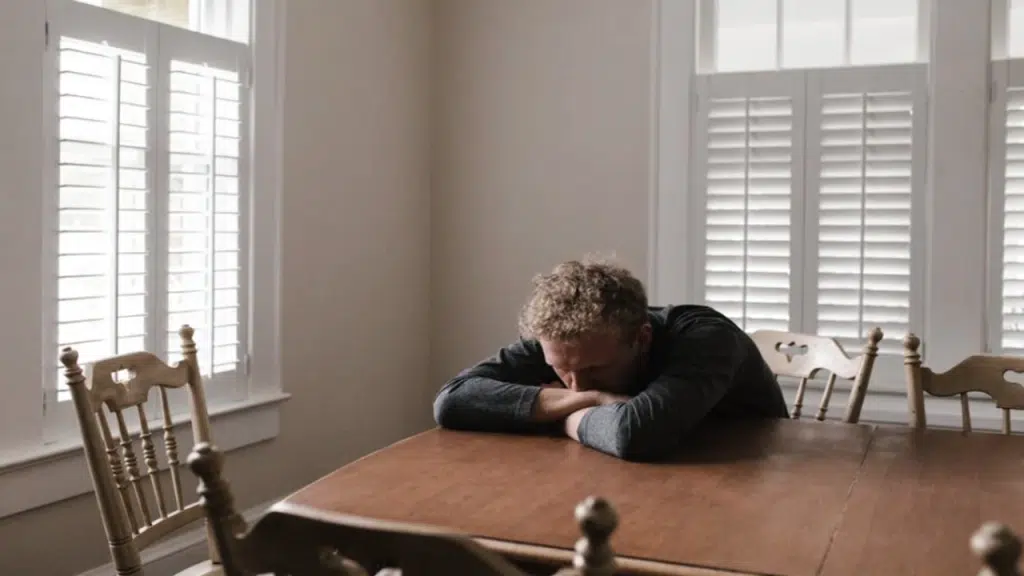
When one or both of you stop feeling valued or emotionally validated, loneliness sets in–even when you’re in the same room. The lack of acknowledgment chips away at your sense of self. Feeling invisible in your marriage is worse than being alone; it’s emotional isolation disguised as companionship.
12. You’ve tried counseling, but nothing changes

Seeking help is commendable, but therapy only works when both people are genuinely willing to change. If sessions turn into blame games or empty gestures, the process becomes another source of frustration. When you’ve exhausted professional help and still feel no progress, it may be time to accept that effort isn’t the issue–compatibility is.
13. One or both of you have emotionally checked out

Sometimes, one partner quietly detaches while the other keeps trying. You can feel it in their tone, body language, and disinterest in reconnecting. Emotional withdrawal is often the final stage before physical separation. Once that distance sets in, even love can’t bridge the gap without mutual effort.
14. You’ve stopped making each other a priority
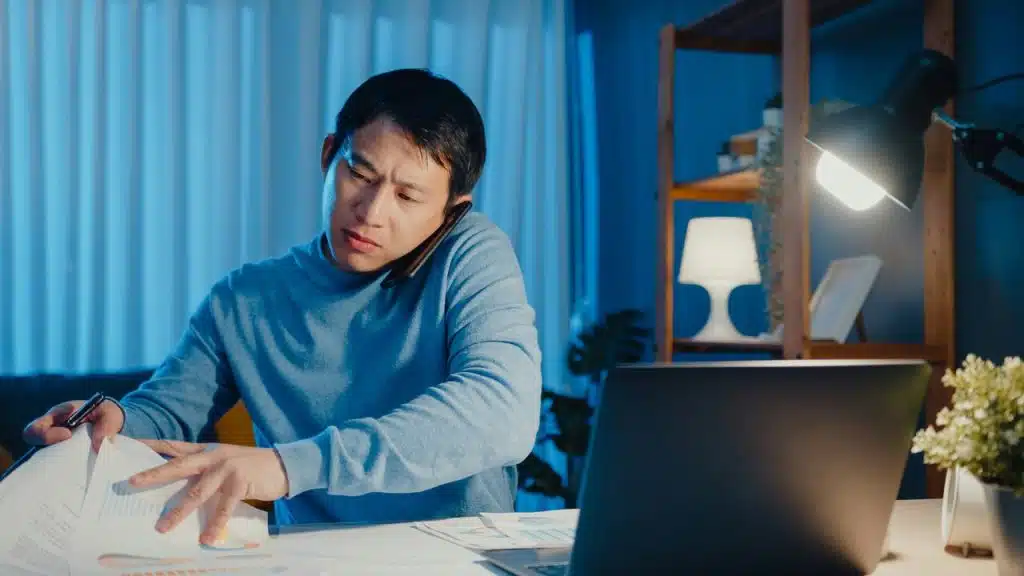
Careers, kids, or personal pursuits can easily take over–but when your spouse consistently ranks last on your list, it says more than words ever could. A marriage can survive stress and hardship, but not sustained neglect. Prioritizing each other is a choice; when that choice stops being made, love fades quietly.
15. You feel constant resentment

Resentment is a slow, corrosive force. It builds from unresolved issues, broken trust, and unmet needs. Eventually, it becomes your default emotion toward your partner. When even small gestures irritate you instead of softening you, it’s a sign that forgiveness has long expired. Resentment doesn’t coexist with genuine affection–it replaces it.
16. Trust is permanently broken

Every relationship experiences breaches of trust, but recovery depends on accountability and time. When lies, betrayal, or secrecy become patterns, you stop believing anything your spouse says. Without trust, love has nowhere to land. Living in constant suspicion transforms your marriage into emotional survival mode, not partnership.
17. You’ve accepted unhappiness as the norm

The clearest sign your marriage has reached the point of no return is quiet acceptance. You no longer expect joy, connection, or change–you just exist. Staying feels easier than leaving, even if it costs your peace. But long-term unhappiness isn’t love; it’s surrender. The moment you realize that, you open the door to rediscovering yourself again.








Ask Me Anything