
Ever catch yourself thinking that your marriage might need more than just “love and compromise”? You might not realize it, but certain habits and patterns can quietly push couples toward having separate rooms. It is not always about fights or drifting apart. Sometimes it is about personality clashes, sleep routines, or even hobbies. Recognizing these signs early can help you either address them or accept them before things get too awkward.
You Both Value Alone Time More Than Togetherness

You love your space, and so does your spouse. It is not selfish. It is a way to recharge and keep your sanity intact. If you both find yourselves choosing solo hobbies over shared time, it can slowly create distance. You might notice that evenings are spent in different rooms reading, gaming, or streaming shows. When your alone time starts outweighing your couple time, it can be a clear sign that separate rooms might become appealing. Alone time can be healthy, but too much can signal a future split in sleeping spaces.
Snoring Or Sleep Problems Are Taking Over Your Nights

Sleep issues can kill romance faster than you think. You toss and turn while your spouse snores like a chainsaw. Over time, the frustration adds up, and resentment grows. You might catch yourself thinking, “Maybe we need separate rooms to save our marriage and sanity.” It is not dramatic. It is practical. When sleep starts affecting your mood and connection, a separate room can feel like the only solution.
Different Work Schedules Are Driving You Apart

Night shifts versus early mornings can wreak havoc on shared space. You come home exhausted while your spouse is just starting the day. One of you might tiptoe around the bedroom, trying not to disturb the other. Over weeks and months, these small adjustments add stress. You might realize that sleeping separately preserves your energy and keeps the household running smoothly. Separate rooms can become a silent lifesaver.
Personal Hobbies Are Dominating Your Space

You both have hobbies that demand room and quiet. Maybe you game for hours while your spouse paints or exercises. Sharing the bedroom feels impossible when everyone needs their own zone. You notice the bedroom becoming a battleground of interests. When you consistently prioritize hobbies over shared relaxation, separate rooms can start to feel like a natural solution.
Communication Has Become Minimal At Night

You used to talk for hours before bed. Now, silence fills the room. You scroll your phone while your spouse watches TV. Conversations have dwindled to “good morning” and “good night.” This emotional drift can push couples toward separate rooms without even realizing it. Lack of nightly connection often signals deeper patterns that might make sleeping apart more comfortable.
Temperature And Comfort Preferences Clash

You like it cold, they like it warm. You toss blankets, adjust the thermostat, and still cannot agree. Temperature arguments are more serious than they sound. Comfort is tied to good sleep, and bad sleep creates tension. Separate rooms solve this problem quickly and painlessly. When climate control becomes a nightly negotiation, separate spaces can feel like freedom.
You Have Conflicting Cleanliness Or Organization Habits
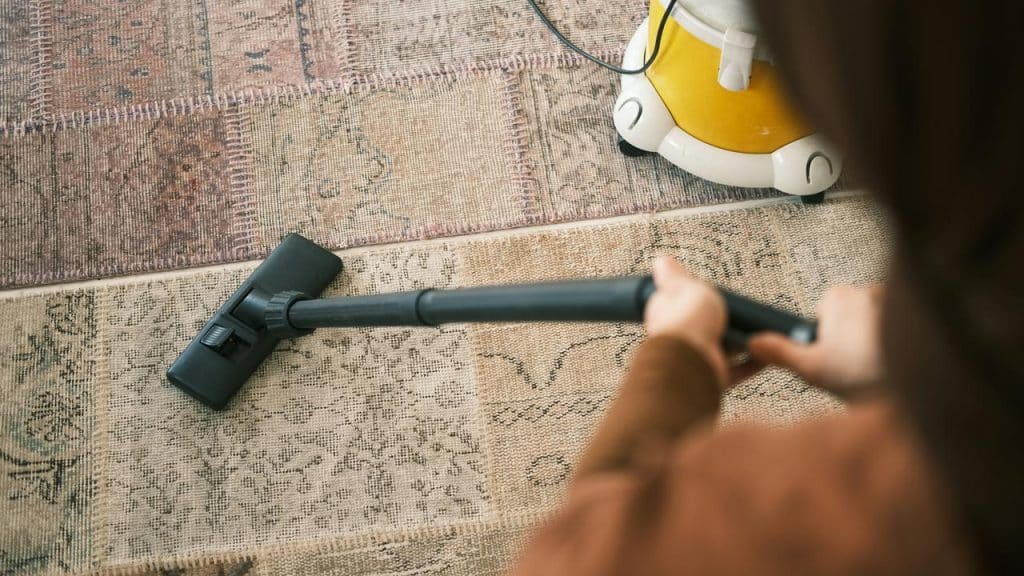
You are a neat freak, your spouse is not. Every night, you find yourself rearranging or cleaning before you sleep. The constant friction wears you down. Separate rooms can prevent fights over pillows, laundry, or clutter. When habits consistently clash, living apart in small ways can actually preserve harmony.
Your Social Circles Influence Your Bedroom Time
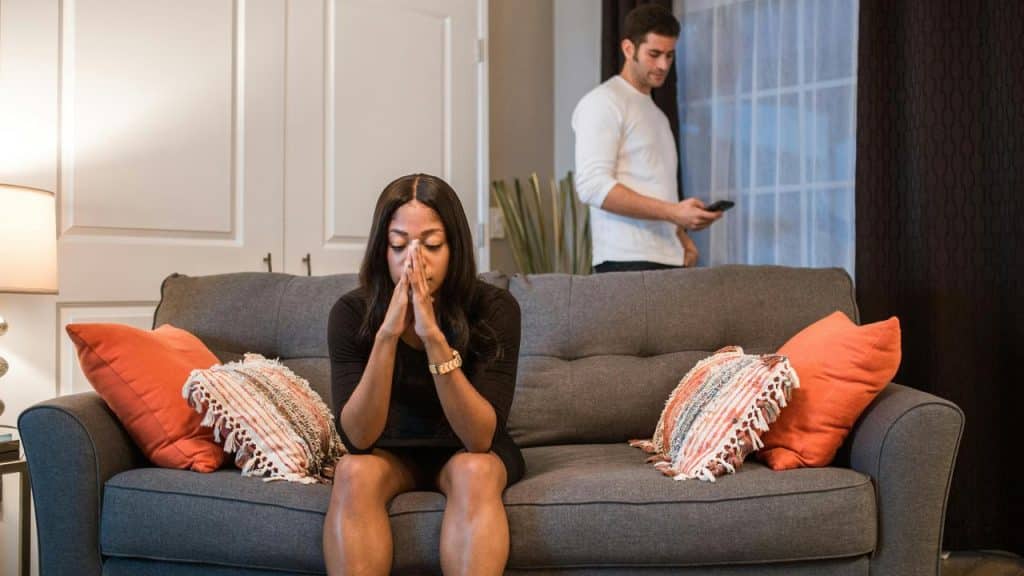
Friends or family influence your routines more than your spouse. Late-night gaming sessions or calls with friends interfere with shared time. Your spouse might do the same, and suddenly, you are strangers under the same roof at night. Separate rooms become a compromise to maintain friendships without conflict.
Stress And Personal Pressure Are Driving You Apart
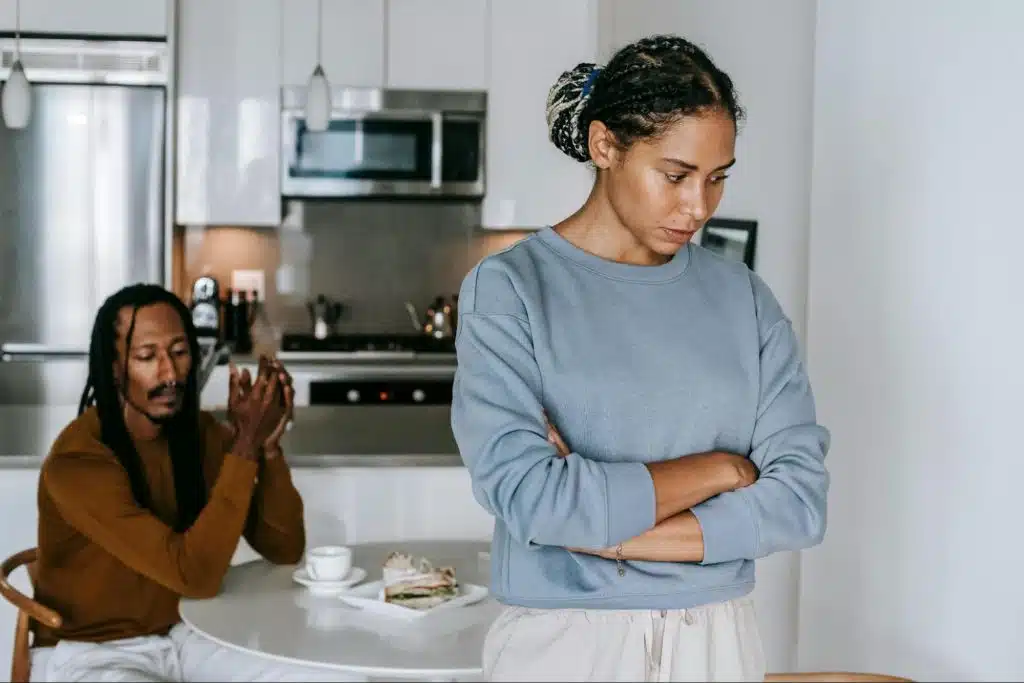
Work stress, health worries, and financial pressure weigh heavily. You both retreat to cope in your own ways. Sharing a room feels stressful when tension is high. Separate rooms act as a buffer, letting each person manage stress privately. This is less about disconnection and more about preserving emotional balance.
You Constantly Adjust To Each Other’s Sleep Preferences

You tiptoe, mute phones, and avoid light to accommodate your spouse. Meanwhile, they adjust for you, too. Constant compromise can feel exhausting. Separate rooms eliminate this nightly negotiation. You sleep better, wake up refreshed, and your relationship benefits from less pressure.
Sex Life Has Become Complicated By Shared Space

Physical intimacy sometimes suffers because of schedules, stress, or fatigue. When spontaneous moments are rare, the bedroom may feel more like a functional space than a romantic one. Separate rooms can paradoxically increase intimacy by reducing friction. You might find yourself enjoying your shared moments more when separate rooms restore energy.
Emotional Distance Feels Real Even At Night

You are physically close but emotionally distant. Nights are quiet, but not comforting. You scroll through social media instead of sharing feelings. Separate rooms can give space to process emotions without arguing or bottling them up. Emotional distance often predicts practical solutions like separate sleeping arrangements.
One Or Both Of You Travel Frequently

Frequent travel disrupts sleep schedules, routines, and intimacy. Coming home at odd hours creates tension in shared bedrooms. Separate rooms become a practical approach to adapt to irregular schedules. You maintain comfort without feeling neglected or waking your partner repeatedly.
Personal Technology Usage Keeps You Apart

Phones, tablets, and laptops dominate the bedroom. Notifications, late-night scrolling, and binge-watching prevent shared connection. Separate rooms solve this problem without demanding a digital detox. You still spend time together but enjoy privacy when needed.
You Fantasize About Having Your Own Space

You joke or secretly dream about a room of your own. Maybe your spouse does too. These thoughts might feel harmless at first. When fantasies turn into a solution for comfort, sleep, and peace, separate rooms become a realistic option. You start realizing this arrangement could actually strengthen your bond.








Ask Me Anything