
Love rarely ends with one dramatic moment. More often, it fades through small shifts in care, patience, and emotional presence. A relationship can still function on routines while love quietly drains in the background. That is why people can feel confused, guilty, or numb instead of clearly “done.” Some signs point to temporary stress, while others point to real emotional detachment. This list focuses on patterns that tend to show up when love is no longer the feeling driving the relationship. The goal is clarity, not blame.
Emotional Detachment: Their Feelings No Longer Register

One of the clearest signs is emotional indifference to their highs and lows. Their stress, excitement, or sadness stops triggering empathy. The partner may hear the story, but nothing inside responds. This often creates a cold, distant atmosphere without obvious fighting. It can also lead to impatience when they need support. Over time, the relationship feels less like a bond and more like shared space. Indifference is often more telling than anger.
Emotional Detachment: Relief Feels Better Than Togetherness

Time apart starts feeling like the best part of the week. Coming home feels heavy, not comforting. Even neutral interactions can feel like effort. Instead of missing the partner, there is relief when they are busy or away. This relief can create a quiet guilt that gets pushed down. But the body usually tells the truth before words do. When peace only exists at a distance, love may already be weakened.
Emotional Detachment: Conversations Feel Like a Chore

Talk becomes something to “get through” rather than something to enjoy. Questions feel annoying instead of interesting. Updates about their day sound like noise rather than connection. The mind drifts, multitasks, or checks out quickly. Even when the partner is speaking calmly, attention feels hard to give. This is different from being busy; it is a lack of emotional pull. When the desire to engage disappears, love may be fading.
Emotional Detachment: Their Presence Irritates More Than It Comforts

Small habits that used to be tolerated start feeling unbearable. The partner’s voice, routines, or preferences begin to trigger irritation. The irritation can show up as sarcasm, short replies, or constant criticism. Often, the partner senses it and becomes defensive or anxious. This creates a cycle where both people feel misunderstood. Irritation is not always about the habit. Sometimes it is the mind rejecting the closeness itself.
Respect Erosion: Admiration Quietly Turns Into Disgust

Love usually includes respect, even during conflict. When love fades, respect often collapses first. The partner begins to look “less capable,” “less attractive,” or “less worth it” in the mind. Their mistakes feel bigger, and their strengths feel smaller. There may be private contempt, even if it is not spoken aloud. Contempt changes tone, patience, and generosity quickly. When admiration dies, love struggles to survive.
Respect Erosion: Kindness Becomes Hard to Offer
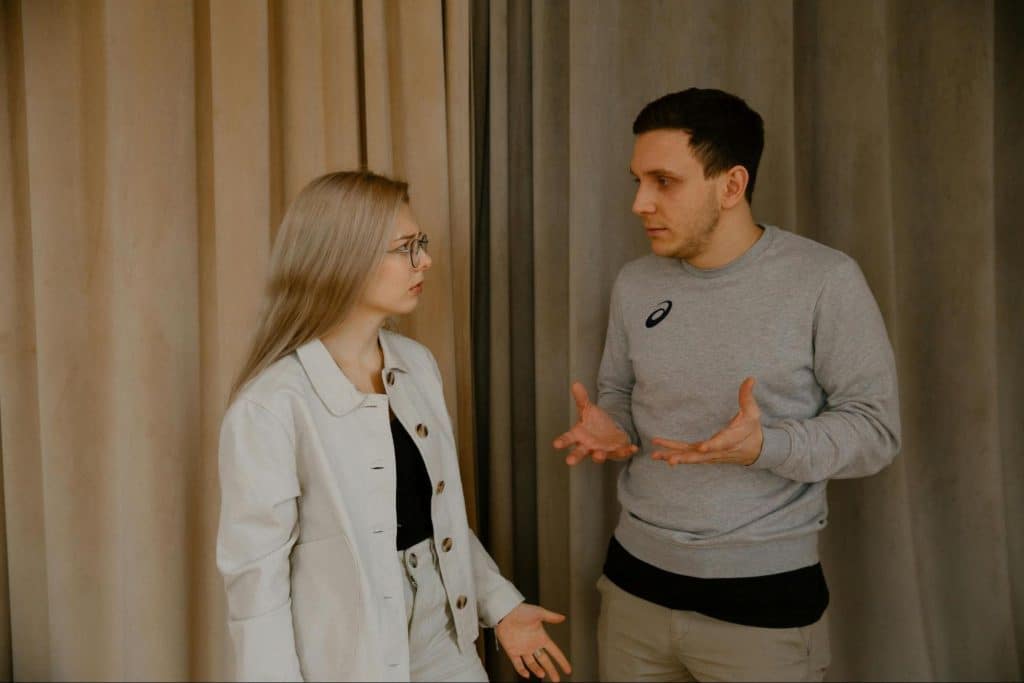
Basic kindness starts feeling forced. There is less warmth, fewer gentle gestures, and less instinct to soften words. The partner may notice the colder delivery and feel rejected. This often leads to more friction, not because issues are huge, but because kindness is missing. Kindness is not just manners; it is emotional care. When emotional care disappears, the relationship feels unsafe. A relationship cannot thrive on politeness alone.
Respect Erosion: Support Turns Into Competition or Scorekeeping

Instead of cheering for the partner, there is a subtle desire to “win” or be right. Effort becomes a tally: who does more, who sacrifices more, who suffers more. This creates a courtroom vibe in everyday life. Scorekeeping often hides deeper resentment or emotional withdrawal. It also kills teamwork, which is a core part of long-term love. Love says “us.” Scorekeeping says “me versus you.” When the relationship becomes competition, connection collapses.
Avoidance: Affection Feels Uncomfortable, Not Natural

Affection starts to feel awkward or annoying. Hugs feel like obligation, not comfort. Small touches may be avoided without being consciously planned. The partner might reach for closeness and get subtle resistance. This can create insecurity and confusion for both people. Affection is often the first thing to fade when emotional safety drops. When warmth feels uncomfortable, love may not be present anymore.
Avoidance: Physical Intimacy Feels Like Pressure

Physical Intimacy begins to feel like something to avoid, negotiate, or “get over with.” Even if there is no conflict, desire may be absent. The partner’s interest might feel invasive rather than exciting. This can lead to distancing behaviors like staying busy, staying on screens, or going to sleep early. Intimacy issues can have many causes, including stress and health. But when avoidance comes from emotional disconnection, it tends to persist. Persistent avoidance often reflects deeper feelings than attraction alone.
Avoidance: Secrets Start Feeling Easier Than Honesty

Sharing thoughts feels risky, exhausting, or pointless. It becomes easier to keep opinions, plans, or emotions private. Some people do this to avoid conflict, but it often reflects emotional exit. A relationship cannot stay loving when inner life is hidden. Secrecy does not always mean betrayal; it can mean disengagement. The partner becomes someone to manage rather than someone to trust. When honesty feels like a burden, love is often already weakened.
Avoidance: The Partner Starts Feeling Like a Roommate

The relationship becomes logistical and flat. Conversations center on tasks, schedules, and household needs. Emotional closeness feels absent even if cooperation remains. Many couples can coexist this way for a long time. But coexisting is not the same as loving. Roommate energy often shows up as separate lives under one roof. It can feel stable while quietly being lonely. Loneliness inside a relationship is a major warning sign.
Future Separation: “We” Stops Feeling True

A major shift happens when the mind stops thinking in “we.” Plans, decisions, and dreams feel personal rather than shared. The future is imagined with less space for the partner. Even simple goals start to feel easier alone. This does not always mean the person wants to leave immediately. It often means emotional attachment is shrinking. Love tends to pull people toward shared identity. When shared identity disappears, the relationship becomes fragile.
Future Separation: Fantasies of Starting Over Feel Comforting

Thoughts of being single or living separately begin to feel calming instead of scary. The mind may imagine peace, freedom, or relief. These fantasies can become a coping strategy when the relationship feels heavy. Everyone daydreams sometimes, but the emotional tone matters. If “starting over” feels like hope, it signals dissatisfaction. If it becomes frequent, it signals detachment. Love usually creates a desire to rebuild together, not escape alone. Repeated escape fantasies are a serious sign.
Future Separation: Their Growth Stops Feeling Like It Matters

When love is present, a partner’s growth is usually meaningful. When love fades, their progress may feel irrelevant or even annoying. Efforts to improve might not move the emotional needle. There may be less pride, less excitement, and less patience during change. This can make the partner feel unsupported and alone. A lack of investment in their growth often reflects a lack of investment in the bond. Love tends to care about who the partner becomes. Indifference suggests emotional exit.
Reality Check: The Relationship Feels Like Duty, Not Choice

Staying starts to feel like a responsibility rather than a desire. The relationship is maintained because of history, convenience, children, finances, or fear. Duty can keep people committed, but it cannot create closeness by itself. When duty becomes the main reason, resentment often grows. Resentment slowly turns into emotional numbness. Numbness then becomes a lifestyle. Love usually includes willingness, not just obligation. If willingness is gone, the relationship needs an honest look.
Reality Check: Effort Is Only Made to Avoid Consequences

Some people keep trying, but the motive changes. Effort becomes about preventing arguments, avoiding guilt, or maintaining appearances. It is less about connection and more about damage control. This often creates a hollow feeling, even when behavior looks “correct.” The partner might sense the difference and feel emotionally unsafe. Repair without genuine care rarely works long-term. Love-driven effort feels warm and voluntary. Fear-driven effort feels mechanical and tense.
Reality Check: Nothing Feels Worth Fixing Anymore

The most telling sign is hopelessness about repair. The mind stops believing change would matter. Even when solutions are available, motivation is missing. Conversations about improving the relationship feel pointless. This is different from frustration; it is emotional resignation. Resignation often means the relationship has already ended internally. If nothing feels worth fixing, love may no longer be present. That is usually the moment where clarity becomes necessary.
Content Note: Sometimes It’s Not Love Fading, It’s Life Overload

Some signs can be caused by burnout, depression, grief, anxiety, or major life stress. In those cases, numbness and withdrawal may not be about the partner at all. That is why patterns and context matter. If the emotional shutdown shows up across all areas of life, it may be a personal well-being issue. If it shows up mainly in the relationship, it may be relational. Both situations deserve attention and support. The key is not guessing, it is observing patterns honestly. Clarity starts with naming what is actually happening.
The Goal Is Honesty, Not Cruelty

Not loving a partner anymore does not automatically make someone a bad person. Feelings can change, especially when disconnection becomes a long-term pattern. These signs are not meant to label every rough season as the end. They are meant to highlight when emotional attachment may be genuinely fading. If several of these signs feel consistent, the relationship may need a serious reset conversation. Sometimes love returns with repair, accountability, and real change. Sometimes the healthiest step is acceptance and respectful closure. Either way, pretending usually creates more damage. Honest clarity is often the most compassionate path forward.








Ask Me Anything