
Some people become so anchored in the past, former achievements, past relationship phases, earlier life versions, that present reality and future possibilities get neglected. This backward focus manifests as constant references to “how things used to be,” resistance to change, and inability to engage with current life. The past becomes idealized while the present gets devalued and the future seems threatening rather than full of possibility. These fifteen signs reveal when someone is stuck in the past rather than living in the present and building toward the future.
Constantly Referencing Past Achievements or Accomplishments

Every conversation eventually circles back to old successes, high school sports, college triumphs, career peaks from decades ago. These references keep identity rooted in past rather than present contributions. The pattern suggests that nothing since matches those earlier accomplishments. If past achievements dominate self-concept, present identity has stagnated. Current life should generate stories, not just reminiscence about decades ago.
Living Through Old Photos, Trophies, or Memorabilia

Physical surroundings dominated by past artifacts, sports trophies, old photos, memorabilia from previous decades, keeps focus backward. This shrine-like preservation treats the past as more important than the present. The emphasis on past physical reminders suggests current life isn’t generating meaningful moments. If home looks like a museum to previous decades, the present isn’t being fully inhabited. Current life should be worth documenting, not just the past.
Comparing Everything Unfavorably to “How It Used to Be”

Present experiences, relationships, and circumstances consistently measured against the past and found lacking. This comparison, “things were better when,” “it’s not like it used to be”, frames all change as decline. The pattern prevents appreciation for the present because the past is an idealized standard. If the present is perpetual disappointment compared to the past, stuck-in-past syndrome is clear. The present deserves evaluation on its own terms, not as a failed recreation of the past.
Defining Self by Past Roles That No Longer Exist

Identity remains fixed in roles from earlier life, “I was quarterback,” “I was the party guy,” “I was…”, despite those roles being decades gone. This frozen identity prevents developing the current self. The past-role identification suggests no meaningful identity has developed since. If self-definition remains locked in past roles, growth stops. Identity should evolve as life progresses.
Refusing to Adapt to Life Stage Changes

Resistance to age-appropriate adjustments, maintaining behaviors, attitudes, or lifestyles from decades ago despite changed circumstances. This refusal to adapt creates dissonance between chronological age and behavioral age. The resistance suggests that accepting the current life stage feels like defeat. If acting like still in twenties or thirties despite being decades older, life stage acceptance hasn’t happened. Each life stage has appropriate behaviors; resisting progression shows past-fixation.
Resenting Life’s Natural Progressions

Bitterness about aging, changing family dynamics, career evolution, or natural life transitions reveals resentment that time passes. This resentment treats progression as personal attack rather than universal experience. The anger about natural changes prevents acceptance and adaptation. If life’s progression generates persistent resentment, forward-movement is being refused. Accepting change is necessary for mental health.
Attempting to Recreate Past Experiences Rather Than Creating New Ones

Efforts to revisit old places, recreate previous experiences, or manufacture nostalgia dominate instead of building new memories. This recreation attempt seeks to recapture rather than create. The pattern shows the present as an opportunity to relive the past rather than live newly. If activities primarily involve recreating former experiences, the present is being rejected. New experiences should be the primary focus, not past replication.
Fighting Against Changes Partner Wants to Make
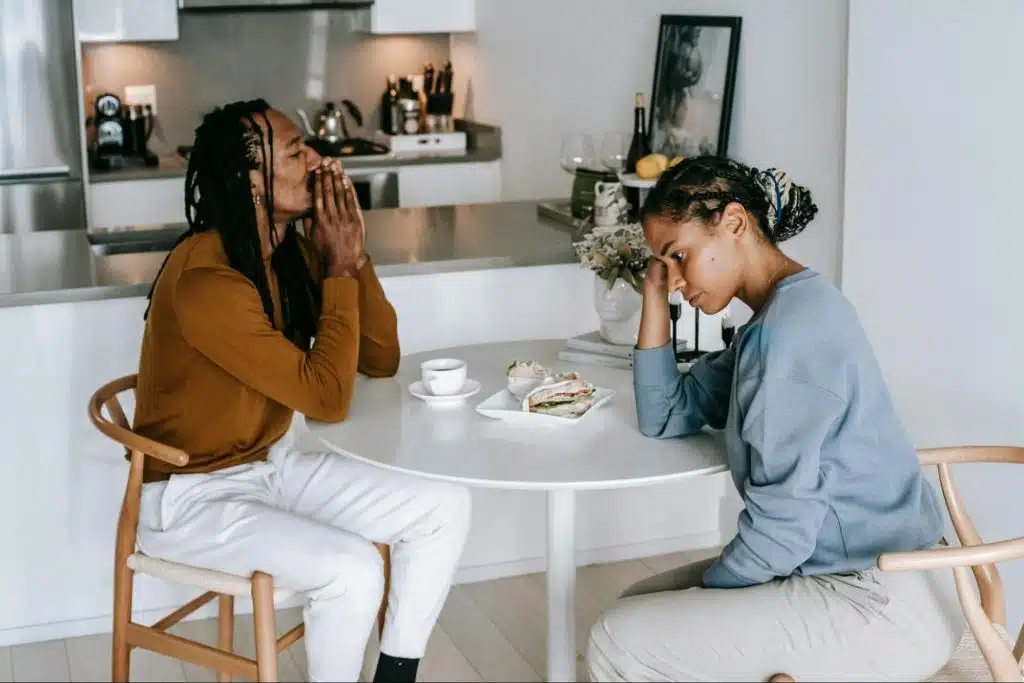
Any change partner suggests, moving, renovating, new activities, lifestyle adjustments, meets resistance because it differs from how things were. This resistance frames all change as a threat to the preserved past. The fighting against change prevents relationship evolution. If all suggested changes get resisted because they differ from the historical status quo, the past is being protected at the relationship’s expense. Relationships require evolution.
Wishing She Was Still Who She Was When You Met
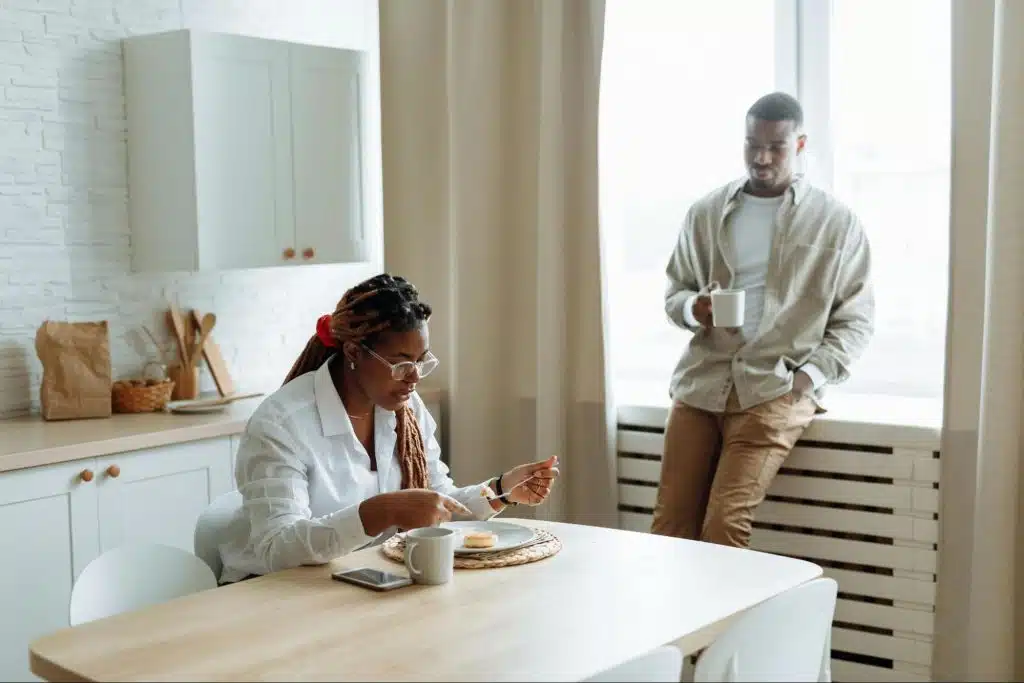
Expressing nostalgia for an earlier version of partner, younger, different personality, pre-children, different life phase, rejects who she is now. This wish for the past treats her as a disappointing downgrade. The comparison damages the current relationship by devaluing present reality. If frequent references to preferring past versions of her occur, acceptance of her evolution is absent. People change; partners should value the current person, not mourn the past version.
Wanting Relationship to Be Like It Was in the Beginning

Constant references to early relationships, “remember when we…”, coupled with disappointment that current relationship differs shows inability to accept relationship evolution. This nostalgia for the honeymoon phase ignores that relationships naturally change. The comparison prevents appreciating current relationship depth and history. If an early relationship is standard that current fails to meet, relationship maturation isn’t valued. Relationships deepen over time; wanting an eternal honeymoon phase is unrealistic.
Resentment About How Marriage Changed Your Life

Expressing regret about freedoms lost, life changes required, or identity shifts marriage demanded reveals resentment about natural progression. This resentment suggests that a single past is missed more than a married present is valued. The pattern treats commitment as theft of a better past life. If marriage is framed as loss rather than gain, stuck-in-past bitterness exists. Marriage involves change; resenting those changes damages partnership.
Refusing to Accept That You’re Not Newlyweds Anymore

Expectations, behaviors, or attitudes appropriate for newlyweds but unrealistic decades create disappointment. This refusal to accept relationship maturation prevents age-appropriate relating. The expectation that feelings, dynamics, or intensity should remain identical ignores time’s natural effects. If expecting year-one feelings in a year-twenty relationship, evolution isn’t accepted. Long-term relationships differ from new ones; this isn’t failure but progression.
Refusing to Discuss or Plan for the Future

Avoidance of future conversations, retirement, aging, health, estate planning, dreams, reveals discomfort with forward-thinking. This refusal keeps focus backward or present-only. The pattern prevents preparation for the inevitable future. If future discussions are forbidden or avoided, forward orientation is absent. Planning ahead is necessary for responsible adult life.
Making No Progress Toward Goals or Dreams

Goals articulated but never pursued, dreams discussed but never worked toward indicates stagnation. This goal-inertia shows that future possibilities generate talk but not action. The pattern keeps everything perpetually in the planning phase. If the same goals persist for years without progress, forward movement has stopped. Goals require action, not just declaration.
Treating All New Experiences as Threats

Novel activities, changes, or opportunities meet resistance because they differ from the known past. This threat-perception about newness shows preference for familiar past over unknown future. The pattern prevents growth through new experiences. If anything new generates automatic resistance, comfort with the past is preventing exploration. Growth requires new experiences.
Living Like Time Isn’t Passing

Ignoring health maintenance, avoiding age-appropriate planning, or behaving as if unlimited time remains shows denial about life’s progression. This living-like-immortal approach prevents necessary preparations. The pattern treats time as an infinite resource. If living without recognition that time passes and circumstances change, reality is being avoided. Acknowledgment of life stages is necessary for appropriate planning.
Checked Out of Current Responsibilities

Half-hearted engagement with present obligations, parenting, career, household, relationship, while being fully engaged in past reminiscence. This disengagement shows the present as a burden while the past is a refuge. The pattern prevents full presence in actual life. If mentally living in the past while physically going through present motions, current life is being wasted. The present deserves full engagement.
Unable to Identify Current Passions or Interests

When asked about current interests, passions, or activities, answers reference past hobbies or interests abandoned years ago. This lack of present engagement shows life has become autopilot. The pattern reveals no active interest cultivation at present. If you can’t name current passions beyond past ones, engagement with the present has ceased. Adults need current interests, not just past ones.
Comparing Current Partner to Past Relationships or Past Version

Frequent comparisons, to exes or to earlier relationship versions, treat present as inferior to past. These comparisons whether to other people or to earlier relationship phases damage current connection. The pattern prevents appreciating what currently exists. If a present partner is regularly compared unfavorably to past people or phases, the present is being rejected. The current relationship deserves evaluation independent of the past.
Create Present-Focused Goals and Actively Pursue Them

Establish goals for the next six months, year, and five years that are forward-oriented rather than past-recreating. Make goals specific and actionable: learn new skills, take classes, start projects, and improve relationship dimensions. Schedule regular progress check-ins. The practice forces forward orientation rather than backward dwelling. Share goals with your partner and work together on relationship-focused ones. Taking concrete steps toward the future breaks the past-fixation pattern. The present and future become real when actively building them.
Practice Gratitude for Current Life Rather Than Past Life

Daily identify three things about present life that are good, valuable, or meaningful. This practice trains focus on current positives rather than past glories. Include relationship appreciation: “today I’m grateful for…” regarding current partner and life. Consciously notice when comparing present unfavorably to past and redirect to present appreciation. The gratitude practice rewires the brain toward present valuation. What gets attention grows; giving attention to the present creates investment in it.
Limit Past-Reference Talk and Increase Present-Future Discussion

Set a conscious goal: for every past-reference, make two present or future-oriented comments. Notice how often conversation circles to “back when” and deliberately redirect. Discuss current events, future plans, present interests rather than defaulting to reminiscence. Ask your partner about her present experiences and future hopes. Conversation content reveals temporal orientation; shifting discussion patterns shifts mental orientation. Create new memories and stories worth telling rather than recycling old ones.
The Past Isn’t Home, It’s History

These fifteen signs reveal that excessive past-focus prevents full engagement with present life and prevents building a meaningful future. Nostalgia is natural and healthy in moderation, but when the past becomes more real than present, life stagnates. Partners of people stuck in the past describe feelings that current relationships and life never measure up to idealized previous versions. The backward-looking prevents appreciation for relationship depth, shared history, and current connection. If multiple patterns resonate, temporal orientation is problematically backward-focused. Life happens in the present and future, not in the preserved past. The person who committed to building life together deserves a partner who’s present for that building, not someone mentally living decades ago. Moving forward requires accepting that the past is complete, present is real, and future is being created through current choices.








Ask Me Anything