
You think you’re just dating, but are you really looking for a girlfriend or a mom? Some guys don’t even realize they’re chasing comfort instead of connection. You want someone to manage your life, remind you of your responsibilities, or even soothe your inner kid. It feels normal at first because you just wish to support, but over time, it can crush attraction and make relationships feel stuck. If you catch yourself depending too much on her for emotional stability or letting her do all the heavy lifting, that’s a red flag.
You Expect Her Always To Solve Your Problems

You drop your stress on her like it’s a daily routine. She becomes your emotional firefighter instead of your partner. You feel relief when she fixes things, even small issues, without you lifting a finger. Over time, she starts running your errands, managing your calendar, and helping you manage your anxiety. You might not even realize you stopped trying yourself. This pattern drains her energy and kills attraction because you’re treating her like family.
You Seek Approval For Every Decision

You pause before choosing anything without running it by her first. It feels natural because you’re used to needing guidance, but it’s a sign you’re outsourcing responsibility. Even minor choices like picking a restaurant or buying clothes become her call. You may not even notice that you’re constantly looking for validation. This behavior fosters dependence rather than independence. Confidence goes out the window when every move needs her okay.
You Feel Comforted By Her Criticism

Strange as it sounds, you secretly crave her judgment. Harsh words from her feel like care instead of irritation. You might replay her advice in your head and even feel proud when she corrects you. It’s addictive because it mirrors the attention you may have wanted from a parent. You rely on her feedback to feel grounded. Over time, it turns nurturing into nagging in your relationship. Awareness is key before this pattern takes root.
You Regularly Put Your Needs Above Hers

You expect her to accommodate your schedule, moods, and quirks without question. She’s bending over backward while you assume her energy is endless. You might justify it as romance or honesty. In reality, it’s an unconscious caretaking pattern. She starts feeling more like a manager than a lover. Ignoring her needs fuels resentment and loss of attraction. A balanced relationship has mutual effort, not one-sided labor.
You Struggle To Handle Emotional Discomfort Alone

When life gets tough, you immediately seek her to soothe your feelings. You avoid facing stress, disappointment, or conflict by leaning on her. You might text constantly for reassurance or vent endlessly without offering support in return. She starts to feel more like a therapist than a partner. Emotional independence is crucial for healthy dating. Learning to self-soothe keeps her attracted and the relationship balanced.
You Fantasize About A Partner Who “Completes” You

You imagine a woman who fills every gap in your life. She manages your habits, boosts your confidence, and even organizes your personal growth. In reality, you’re projecting parental qualities onto a girlfriend. This fantasy sets up unrealistic expectations. Real intimacy comes from mutual support. The problem grows when she can’t live up to the idealized caretaker role. Self-awareness is the first step to breaking the cycle.
You Let Her Handle Your Daily Responsibilities

Bills, appointments, meals, or chores, she does it all while you sit back. You may not realize how much you’ve shifted your adult responsibilities onto her shoulders. Over time, this erodes her attraction because it’s exhausting to maintain. You’re signaling dependence instead of partnership. A woman wants to share life, not manage yours. Taking responsibility is critical for equality in dating.
You Feel Guilty Without Her Guidance

You second-guess yourself constantly without her input. Even small decisions trigger anxiety. You feel lost or insecure when she’s not around. This pattern mimics the need for parental approval in childhood. It undermines your independence and her attraction to you. Recognizing this is key to reclaiming autonomy. Confidence grows when you trust your judgment without leaning on others.
You Frequently Compare Her To Your Mother

You notice similarities in tone, habits, or appearance and point them out. Even joking comparisons reveal a deeper subconscious pattern. You might feel comfort or attraction because of the familiarity. This dynamic can blur the line between romantic love and nostalgia. She’s a partner, not a replacement parent. Awareness prevents unintentional emotional dependency.
You Avoid Conflict To Keep Her Happy

You hold back opinions or feelings to avoid disappointing her. Keeping the peace feels easier than asserting yourself. Over time, you suppress your own desires, and she loses authentic connection. Conflict handled healthily strengthens relationships. You must express needs without guilt to avoid creating a caretaker dynamic. Suppression only fuels long-term frustration.
You Feel Lost When She’s Not Around

Vacations, work trips, or social events without her trigger anxiety. You might panic over small tasks or decisions. This reliance mirrors childhood dependence on a parent. She notices and feels burdened by the constant support you demand. Developing independence ensures attraction stays alive. Confidence in solitude strengthens the bond when you reunite.
You Expect Her To Fix Your Life Choices

Mistakes, regrets, or career missteps become her responsibility. You hope her guidance will steer you in the right direction. You’re not just seeking advice; you’re outsourcing life management. This signals dependence rather than partnership. She may feel overwhelmed by being asked to make your decisions. Taking ownership of your choices keeps the relationship equal and vibrant.
You Rely On Her To Regulate Your Mood

Bad day? She needs to cheer you up. Frustrated? She calms you down. You use her emotional labor as a crutch. Over time, she feels like a caretaker, not a lover. Emotional independence is crucial for long-term attraction. Handling your moods yourself makes her presence supportive rather than obligatory.
You Feel Insecure Without Constant Attention

You crave continuous reassurance and check-ins. You panic when texts or calls are delayed. This dependency mirrors a child seeking parental attention. She starts feeling smothered instead of loved. Learning self-validation helps you stay grounded and attract others. Independence creates desire, not pressure.
You Subconsciously Test Her Patience

You push boundaries to see how far she’ll go. Missing deadlines, leaving messes, or ignoring plans are subtle tests. Deep down, you’re checking if she’ll handle it as a parent would. This erodes respect and shifts the dynamic from romantic to caretaking. Healthy relationships thrive on cooperation, not endurance tests.
You Feel Relief When She Takes Control
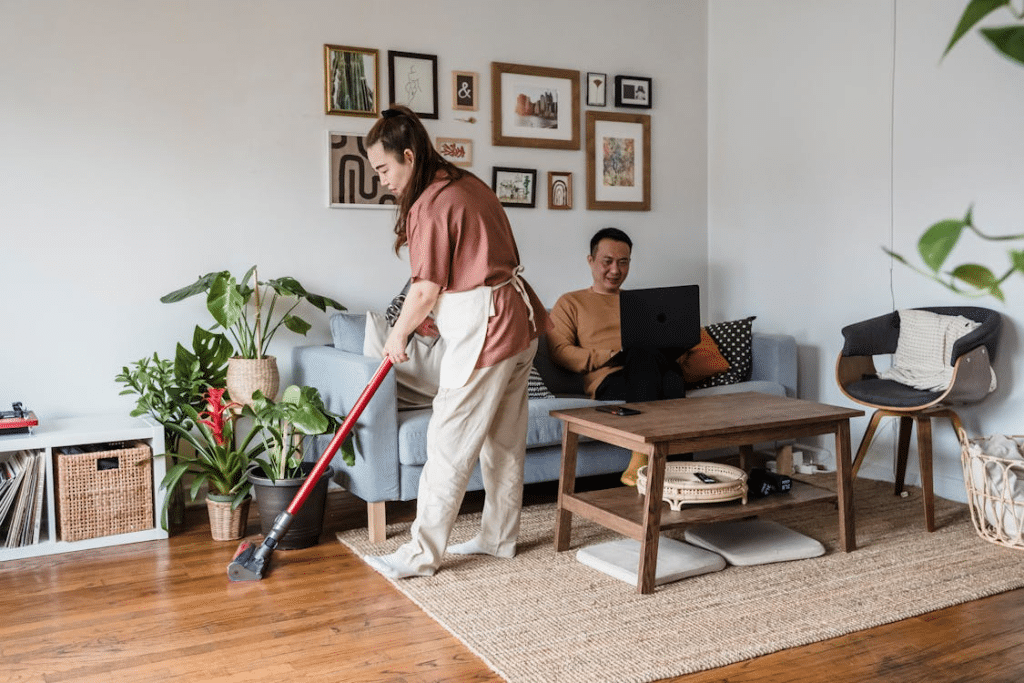
You secretly enjoy when she makes plans, solves problems, or directs your life. It’s comforting because it mirrors the security of parental care. But it also fosters dependence and reduces your agency. Consistently letting her take over signals neediness rather than partnership. Stepping up for yourself creates equality and keeps her attracted.








Ask Me Anything