
Most partners do not openly announce that they are comparing. It usually leaks out through tone, comments, and changing expectations. Sometimes the comparison is to an ex, a coworker, a friend’s relationship, or an online ideal. In many cases, the comparing partner may not even realize they are doing it. But the impact is still real: it makes the relationship feel judged instead of safe. Comparison shifts the bond from “team” to “competition.” It can also quietly lower respect and intimacy. These signs help identify when comparison may be happening, so it can be addressed before resentment builds.
The Subtle Language Shifts

A lot of comparison is hidden in everyday wording. It shows up through casual comments, repeated examples, and the way praise is delivered. The partner may reference other people as a “standard” without admitting that is what they are doing. Over time, this makes the relationship feel like a performance review. These signs often look small until they stack. When the same names, stories, or ideals keep appearing, it is worth noticing. Healthy admiration is not the same as constant measuring. Measuring creates pressure. Pressure usually kills closeness.
They Keep Bringing Up One Person’s “Best Traits”

A partner may repeatedly highlight how someone else is “so disciplined,” “so fun,” or “so mature.” It might sound like harmless admiration, but repetition is the tell. If the comments show up during disagreements or sensitive moments, the message becomes sharper. It can feel like a subtle hint: “Be more like them.” Even if the words are not direct, the comparison lands emotionally. This often creates insecurity and tension. A relationship cannot feel safe if one partner is quietly competing with a ghost. Admiring others is normal; using others as a benchmark is different.
Compliments Start Sound Like Backhanded Reviews

Some compliments come with a hidden comparison inside them. Statements like “Finally, you did it like a grown-up,” or “This is the version that works,” often carry judgment. The praise is not about appreciation; it is about correction. Over time, the partner receiving it feels evaluated rather than valued. This can lead to defensiveness or people-pleasing. Both outcomes reduce intimacy. Healthy compliments feel warm and specific. Comparing compliments feels cold and conditional. Conditional affection often signals hidden measuring.
They Use “Most People Would…” as a Weapon

When a partner says “Most people would handle this better” or “Anyone else would understand,” it often signals comparison. It also suggests the partner is aligning with an invisible jury. This makes the relationship feel unfair because the standard is vague and unreachable. It turns disagreements into character judgments. Even if the partner does not name someone specific, the implication is clear: someone else is better at this. This language creates shame rather than solutions. Shame usually shuts people down. A partner who wants repair speaks in specifics, not general superiority. General superiority often hides comparison.
Expectations Change Overnight Without a Clear Reason

Sudden new standards can signal outside influence. A partner may start expecting different communication, different effort, or different behavior with no shared agreement. Sometimes this is due to social media, friends, or a new crush environment. The key sign is that the change feels imported, not jointly built. The partner may say, “It’s not a big deal,” but act disappointed when the new standard is not met. This creates confusion because the rules keep shifting. Shifting rules often mean the relationship is being compared to something else. Shared standards require shared conversation. Surprise standards often come from comparison.
The Comparison Behaviors That Affect Connection

Comparison does not stay in words. It changes how a partner invests, responds, and shows affection. People who compare often become less present and more critical. They may also become harder to please. This changes the emotional climate of the relationship. Instead of feeling chosen, one partner starts feeling tolerated. That emotional shift is often the most painful part. These signs show up in attention and effort. They usually grow slowly. And they can be reversed faster when noticed early.
They Seem Harder to Impress Than Before
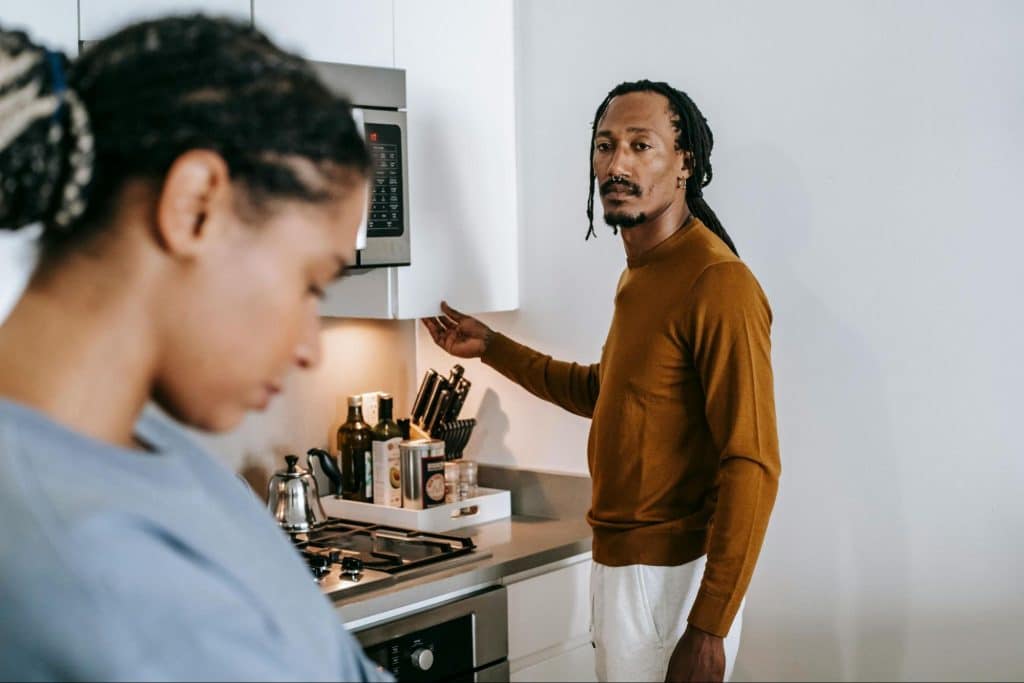
When a partner is comparing, ordinary effort stops landing. The bar keeps moving. What used to make them happy becomes “not enough.” This often creates a treadmill dynamic where the other partner keeps trying but never arrives. That dynamic drains attraction because it turns love into earning. Earning is exhausting. Many people disengage when they feel impossible to satisfy. It is not because they do not care. It is because the relationship stops feeling emotionally fair. Comparison often creates that unfair feeling.
They Get More Secretive About Certain People or Conversations

Comparison often involves emotional attention going somewhere else. That can happen without physical betrayal. A partner may become guarded about messages, friendships, or certain names. They may dismiss concerns instead of offering reassurance. Secrecy often creates suspicion, even when nothing physical is happening. The secrecy itself is usually the issue. If a partner is comparing to someone else, they may avoid transparency to prevent conflict. But avoiding conflict increases mistrust. Trust grows through openness. When openness decreases, comparison becomes more likely. It is a pattern worth addressing early.
They Downplay Your Wins but Notice Other People’s Wins

A common comparison sign is uneven enthusiasm. Your achievements get a muted response, while someone else’s achievements get excitement. The partner may not realize they are doing it, but the emotional message is clear. This reduces emotional safety and motivation. Everyone wants to feel celebrated by their partner. When celebration disappears, connection weakens. It can also create a feeling of being invisible. Invisible partners tend to detach over time. Detachment then becomes the new normal. Comparison often starts with attention shifting away from the relationship’s “us.”
They Reference Other Couples as the Standard

Some partners compare by pointing to other relationships. They may say things like, “Look how they do it,” or “That’s what a real relationship looks like.” This can be especially damaging because it ignores private realities. Other couples’ public image is not the full story. But comparison uses the image as a weapon. This makes the relationship feel like it is failing an audition. It also creates resentment, because the standard is often unrealistic. Healthy couples take inspiration without shaming. Shaming signals dissatisfaction. Dissatisfaction fueled by comparison often grows if not addressed.
They Criticize Your Personality Traits More Than Your Actions

Feedback about a behavior can be productive. Criticism about character often signals deeper dissatisfaction. If a partner says “You are lazy,” “You are boring,” or “You are too emotional,” it can suggest they are measuring you against someone else. Character attacks feel like replacement talk, even when replacement is not mentioned. This creates insecurity and defensiveness. Defensiveness blocks intimacy. It also blocks growth because the person feels attacked, not guided. People change behavior more easily than personality. When criticism targets personality, the relationship becomes less safe. Less safety often increases comparison on both sides.
The Emotional Distance That Often Comes With Comparison

Comparison often creates emotional distance because the partner is not fully present. Their mind is measuring, not connecting. That makes affection feel thinner and more conditional. The other partner senses it and becomes guarded. Guardedness reduces warmth. Reduced warmth creates more dissatisfaction. The cycle can feed itself quickly. These signs show up as emotional withdrawal and selective engagement. They are often the moment when the relationship starts feeling lonely.
They Give Less Affection Unless Things Are “Perfect”

When affection becomes conditional, it can be a sign of comparison. The partner may only be warm when everything matches their current “ideal.” If the other partner falls short, affection is withdrawn. This creates anxiety and people-pleasing. Anxiety and people-pleasing often reduce attraction. It also makes the relationship feel like constant evaluation. Healthy affection is not a reward system. It is a bond-building practice. When affection is used as leverage, comparison often sits underneath. Leverage suggests control, not connection.
They Become Easily Annoyed by Small Things You Do
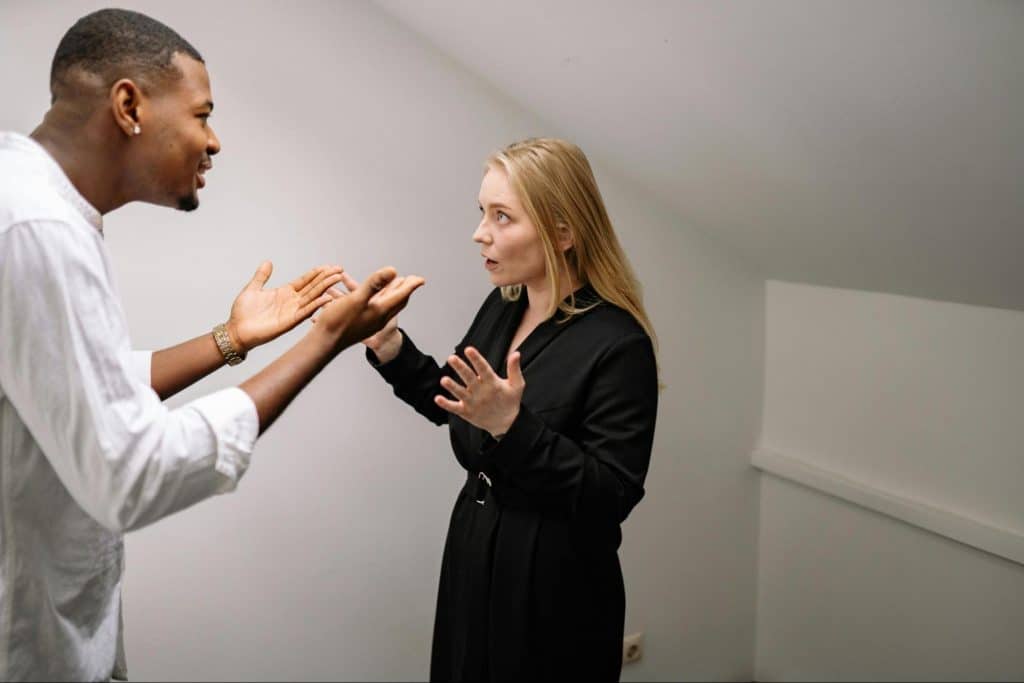
When someone is comparing, tolerance often drops. Small habits become irritating in a way they were not before. The partner may act like you should “know better,” even if the habit is harmless. This often happens when someone is idealizing another person or fantasy. Idealization makes real life feel more annoying. Real relationships require acceptance of imperfect humanity. Comparison reduces acceptance. Reduced acceptance increases criticism. Increased criticism reduces intimacy. It becomes a slow emotional erosion.
They Keep “Upgrading” the Relationship Requirements

Another sign is constantly raising requirements: more attention, more planning, more romance, more everything. Growth is healthy when it is mutual. But comparison-driven upgrades feel one-sided and demanding. The partner may act like the relationship is behind and needs to catch up. This creates pressure instead of inspiration. Pressure rarely creates genuine closeness. It creates performance. Performance eventually turns into burnout. Burnout often looks like emotional withdrawal. Withdrawal then becomes proof, in the partner’s mind, that the relationship is lacking. That is the comparison trap.
They Stop Using “We” and Start Talking Like They’re Alone
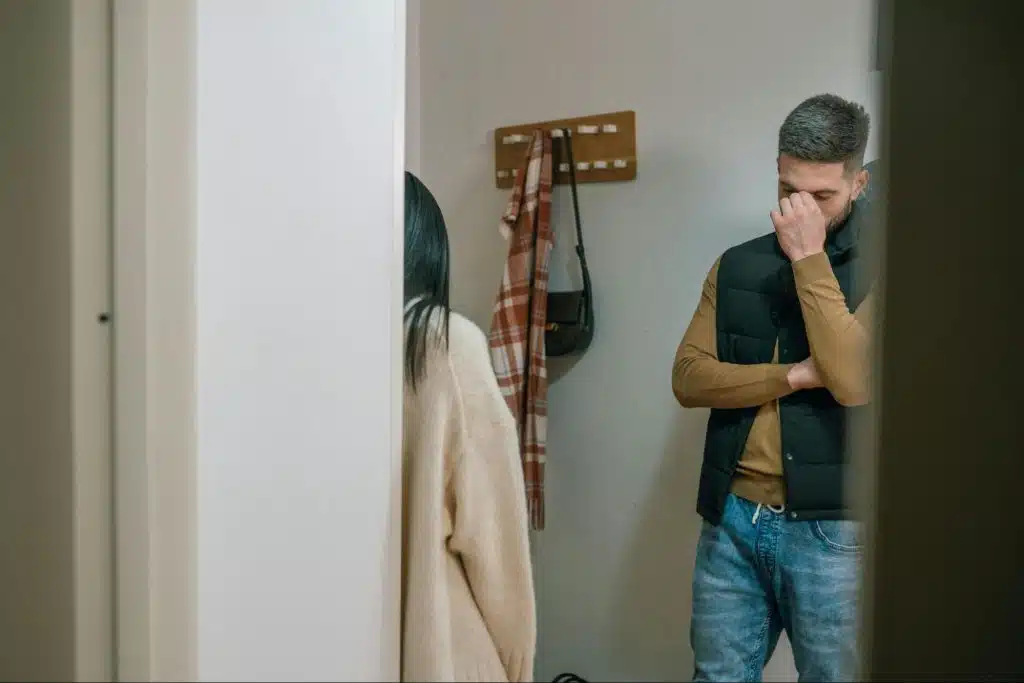
Language reveals attachment. Partners who feel connected often speak in “we” terms naturally. When someone is comparing, they may talk more like an individual evaluating a situation. They say “I need,” “I want,” and “This isn’t working,” without team language. This can signal emotional separation. Emotional separation is often where comparison grows. If they are already mentally outside the relationship, they are more likely to measure it against other options. Team language does not guarantee safety, but its disappearance is meaningful. It often signals that connection is weakening. Weak connection makes comparison more likely.
They Avoid Reassurance When You Ask for It

A partner who is not comparing usually reassures with empathy, even if they disagree. A partner who is comparing often avoids reassurance because it feels like surrendering leverage. They may say, “That’s in your head,” or “Stop being insecure.” This invalidates feelings and increases anxiety. Anxiety then fuels more questions, and the cycle escalates. Reassurance is not about admitting guilt. It is about protecting the bond. Avoiding reassurance often signals emotional selfishness or detachment. Detachment is where comparison thrives. If reassurance is consistently denied, emotional safety is at risk.
Tips: How to Bring It Up Without Starting a Fight
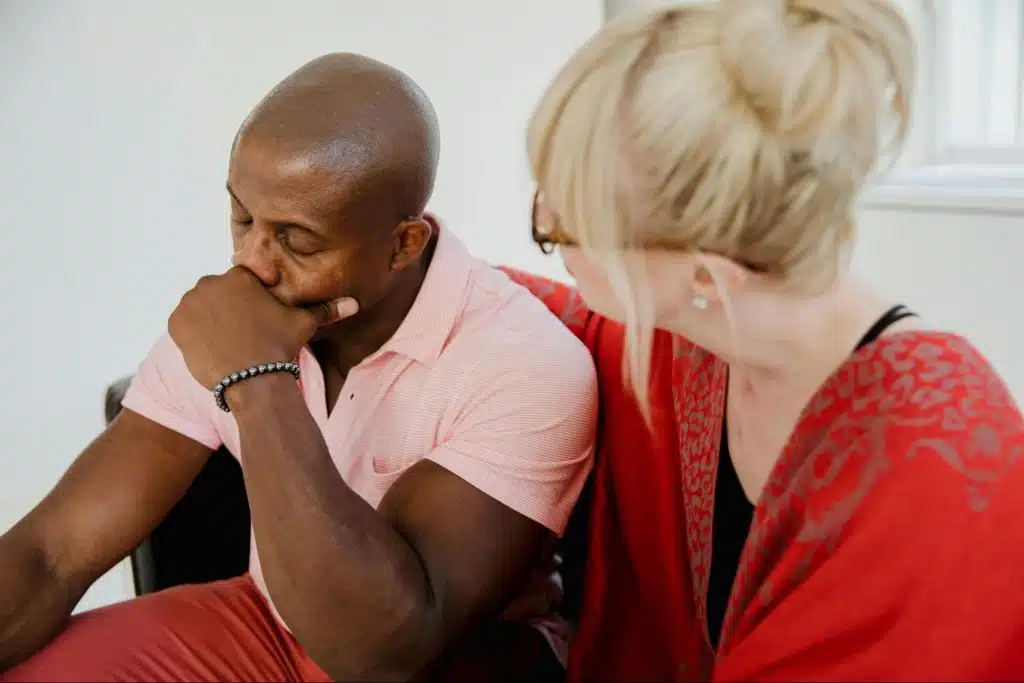
Use observations, not accusations. Mention specific behaviors, like repeated references to someone, shifting standards, or backhanded praise. Describe the impact calmly, such as feeling evaluated instead of valued. Ask what has changed and what the partner actually needs. Keep the conversation focused on the relationship, not on a suspected third person. Clarify boundaries around comparisons, especially during conflict. If defensiveness rises, return to one point at a time. The goal is clarity, not a courtroom. Calm clarity often lowers resistance.
Tips: What to Ask That Reveals the Truth Gently
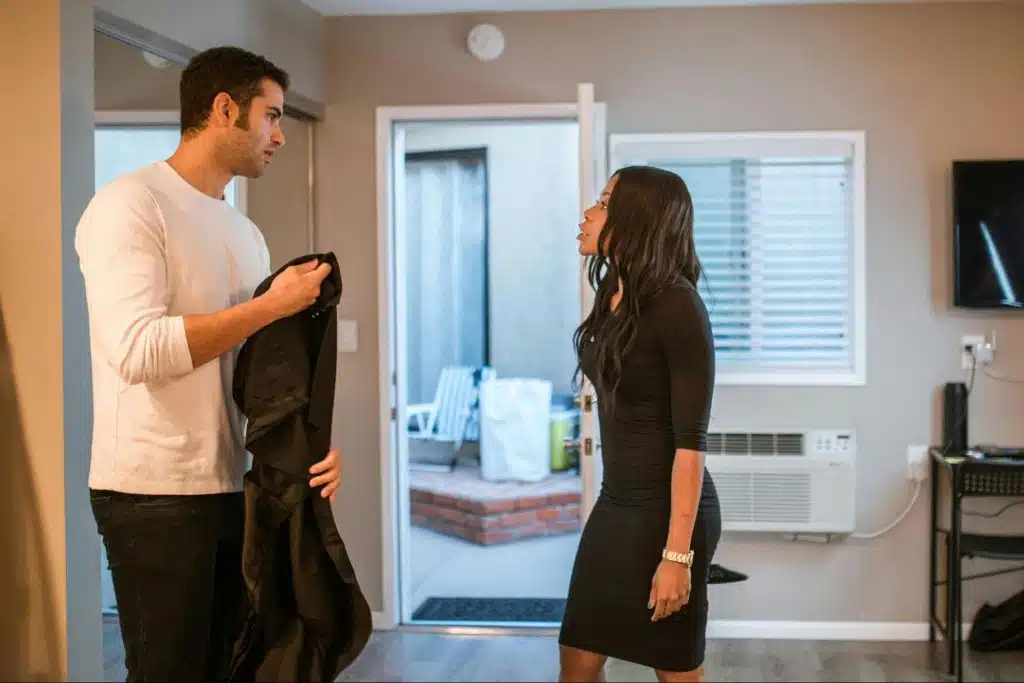
Ask, “Has anything been influencing expectations lately?” and “What standard is being used right now?” Ask whether the partner feels satisfied and what would improve connection. Ask whether there is someone being idealized, even unintentionally. Ask whether appreciation and warmth have been harder to feel. Ask whether stress or outside voices are shaping the relationship. Ask what “better” means to them in concrete terms. Vague dissatisfaction often hides comparison. Concrete answers reveal whether the issue is realistic or imported.
Tips: How to Protect Self-Respect While Figuring It Out

Avoid over-performing to win approval. Over-performing often increases the power imbalance. Keep boundaries and maintain normal routines and self-care. Focus on consistent behavior rather than trying to “outdo” someone imaginary. Do not accept character attacks as normal feedback. If comparison is being used as a weapon, name that clearly. If transparency is refused, treat it as information. Emotional safety matters more than pleasing someone. A relationship should feel like partnership, not competition.
Comparison Is a Relationship Killer When It Stays Unspoken

Comparing can happen in any relationship, sometimes unintentionally. But when it becomes a pattern, it damages respect, intimacy, and emotional safety. The signs often show up in language, shifting standards, and reduced warmth. The earlier it is addressed, the easier it is to repair. Healthy partners can acknowledge influence and reset expectations together. Unhealthy dynamics turn comparison into shame and control. No relationship thrives when one person feels like they are being evaluated against someone else. The goal is not to be “better” than another person. The goal is to feel chosen, valued, and safe in the relationship that exists. When comparison stops, connection often improves quickly.








Ask Me Anything