
The body often gives subtle clues when it’s lacking essential nutrients. These early signs can be easy to overlook, but catching them in time can prevent more serious health issues. From changes in skin and hair to unexpected shifts in energy or mood, deficiencies can show up in surprising ways. Recognizing these symptoms early allows for quicker adjustments in diet or lifestyle. Here are 18 early warning signs that may indicate nutrient deficiencies.
Brittle Hair and Nails

Dry, splitting, or thinning hair, along with fragile nails, may point to deficiencies in biotin, protein, or essential fatty acids. These nutrients help maintain keratin production, which supports healthy hair and nails. Without them, structural weakness can develop. Correcting the imbalance through diet or supplements often restores strength. Consistent care helps prevent further deterioration.
Pale or Sallow Skin

A noticeable loss of skin color or a yellowish tint can signal iron, vitamin B12, or folate deficiencies. These nutrients are critical for red blood cell production, which keeps skin healthy and vibrant. When levels drop, oxygen delivery to tissues decreases, leading to paleness. Addressing the cause can restore a healthier complexion. Persistent changes should be checked by a healthcare provider.
Cracks at the Corners of the Mouth

Painful fissures at the corners of the lips, known as angular cheilitis, are often linked to deficiencies in iron, riboflavin (B2), or B vitamins. This condition can also worsen with frequent licking or dryness. Replenishing the missing nutrients usually speeds healing. Moisturizing and avoiding irritants can help prevent recurrence.
Persistent Fatigue

Feeling constantly tired despite adequate sleep can be linked to deficiencies in iron, magnesium, or vitamin D. These nutrients are essential for oxygen transport, muscle function, and energy metabolism. Without them, the body struggles to maintain stamina. Correcting deficiencies can noticeably improve energy levels. Long-term fatigue should always be evaluated.
Muscle Cramps and Spasms

Frequent cramps, twitches, or spasms can result from low magnesium, potassium, or calcium levels. These minerals help regulate muscle contractions and nerve signals. Deficiencies may develop from inadequate diet, excessive sweating, or certain medications. Replenishment through food or supplements often provides relief. Hydration also plays a key role in prevention.
Weakness or Numbness in Limbs

A tingling sensation, numbness, or muscle weakness may indicate low vitamin B12 or folate. These nutrients support nerve function and the formation of protective myelin sheaths. When levels drop, nerve signaling is disrupted. Addressing the deficiency early can prevent long-term nerve damage. A blood test is the most reliable way to confirm.
Irritability or Mood Swings

Nutrient deficiencies, especially in B vitamins, omega-3 fatty acids, and magnesium, can influence mood regulation. These nutrients play roles in neurotransmitter production and stress response. When levels are low, emotional stability can suffer. Rebalancing nutrient intake often improves mood over time. Persistent changes should be addressed with a professional.
Difficulty Concentrating

Trouble focusing, remembering details, or processing information can be linked to low iron, B vitamins, or omega-3s. These nutrients are vital for brain health and oxygen delivery. Without them, mental sharpness can fade. Diet adjustments or supplementation can help restore cognitive performance. Adequate hydration and sleep also make a difference.
Unusual Anxiety Levels

While anxiety can stem from many factors, deficiencies in magnesium, vitamin D, and B vitamins may worsen symptoms. These nutrients help regulate nervous system activity and stress responses. Low levels can heighten tension, restlessness, or unease. Supporting the body with balanced nutrition may ease anxiety over time.
Frequent Illnesses

If colds, infections, or slow healing are common, low vitamin C, zinc, or vitamin D could be to blame. These nutrients strengthen immune function and help the body fight off pathogens. Regular deficiencies leave the body more vulnerable. Increasing intake through diet or supplements can improve resilience. Lifestyle factors like sleep and stress management also play a role.
Slow Wound Healing

Cuts or scrapes that take longer than normal to heal may indicate insufficient vitamin C, zinc, or protein. These nutrients are key for collagen production and tissue repair. Without them, the healing process slows significantly. Correcting the imbalance helps restore the body’s natural repair speed. Persistent delays should be investigated further.
Digestive Disturbances

Frequent bloating, diarrhea, or constipation can sometimes stem from nutrient deficiencies, particularly in fiber, magnesium, or certain B vitamins. Digestive health depends on adequate nutrient intake to maintain gut function. Rebalancing the diet can often resolve mild symptoms. More severe or chronic issues require medical evaluation.
Night Blindness

Difficulty seeing in low light can be linked to vitamin A deficiency. This nutrient supports the function of the retina, particularly in dim environments. Without it, vision adaptation suffers. Early intervention can restore normal night vision. Persistent issues may require more comprehensive treatment.
Bleeding Gums

Gums that bleed easily during brushing or flossing may point to low vitamin C levels. This vitamin is essential for maintaining healthy connective tissue. Deficiency weakens gum structure, making them more prone to irritation and bleeding. Restoring vitamin C intake often improves oral health quickly. Good dental hygiene remains important alongside dietary changes.
Dental Decay or Weak Enamel
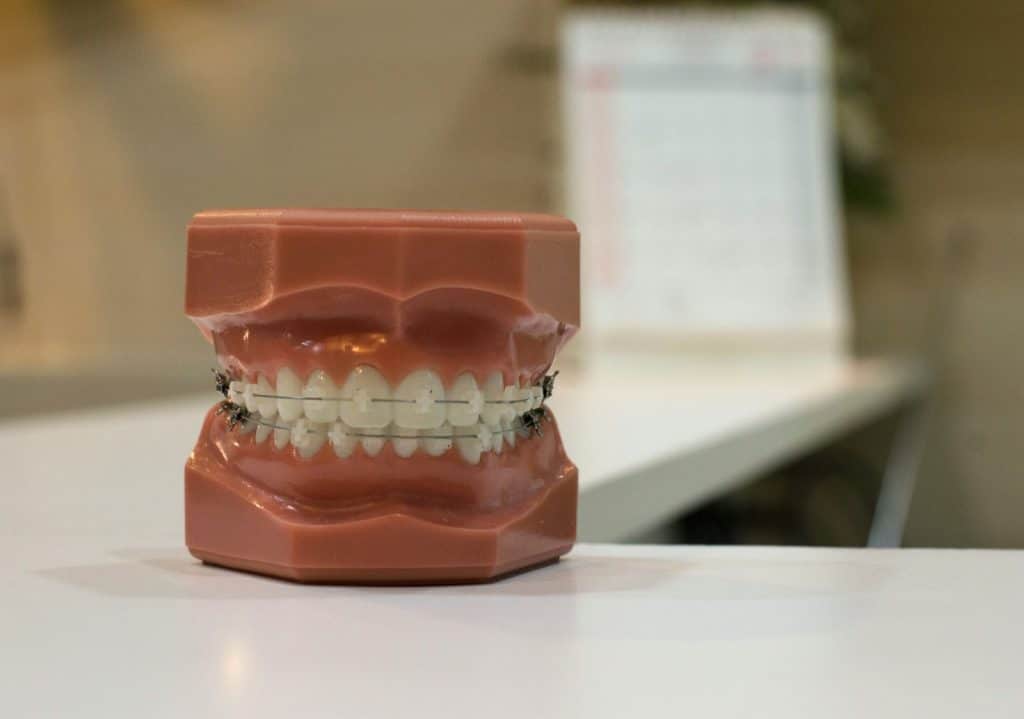
Frequent cavities or sensitivity can be linked to low calcium, vitamin D, or phosphorus. These nutrients help strengthen tooth enamel and maintain oral health. Inadequate intake leaves teeth vulnerable to decay and damage. A nutrient-rich diet, along with good oral care, can help prevent further issues.
Hair Loss Beyond Normal Shedding

Excessive hair shedding can be tied to deficiencies in iron, zinc, protein, or B vitamins. These nutrients are essential for hair follicle health and growth. Without them, hair becomes weaker and falls out more easily. Correcting the deficiency can often reverse or slow the process. Patience is key, as hair takes time to regrow.
Restless Legs at Night

A persistent urge to move the legs, especially in the evening, can be associated with low iron or magnesium levels. These nutrients are crucial for nerve and muscle function. Deficiency disrupts these systems, causing discomfort. Addressing the underlying nutrient gap can reduce symptoms significantly.
Unexplained Bruising
Frequent or unexplained bruises may suggest deficiencies in vitamin K, vitamin C, or protein. These nutrients support blood clotting and tissue strength. Without them, blood vessels become more fragile, leading to easier bruising. Correcting the deficiency usually resolves the issue over time.
Conclusion – Listening to Your Body’s Signals

Nutrient deficiencies can begin quietly, showing only subtle signs before they become more serious. By paying attention to these early clues, from changes in skin and hair to shifts in mood or energy, it’s possible to take proactive steps toward better health. A balanced diet, regular check-ups, and awareness of your body’s signals are key to prevention. In most cases, timely action can restore both health and vitality.








Ask Me Anything