
Jealousy doesn’t always show up in loud arguments or obvious envy. For many men, it masks itself in humour, sarcasm, or silence. These subtle behaviours often go unnoticed, even by the person feeling them. Understanding the quieter side of jealousy is key to recognising it before it harms relationships. These 13 signs reveal how jealousy can slip under the radar. They show up in tone, timing, and reactions that might not feel intense, but still sting. Spotting them early can prevent unnecessary conflict or confusion.
Passive Put-Downs Disguised as Jokes

Playful teasing is common, but sometimes it carries a sting. Subtle jabs about someone else’s achievements or appearance might hint at underlying envy. If jokes often come with a critical edge, there may be more going on beneath the surface. These remarks can build tension over time, even if unintentional. The laughter that follows may not erase the discomfort left behind. Noticing patterns in how and when these jokes appear reveals more than the punchline. It’s often a masked signal of inner comparison.
Downplaying Other People’s Success

Dismissing someone’s promotion as “lucky” or calling a partner’s goal “not a big deal” might seem harmless. But these comments can stem from internal comparisons and a bruised ego. Rather than celebrating others, jealousy makes it easier to minimize their wins. It often reflects a hidden discomfort with one’s own progress. This habit may be brushed off as honesty or realism, but it can hurt more than help. Over time, it creates distance instead of support. Paying attention to what’s said, and what’s not, reveals a lot.
Sudden Competitiveness with Friends

A friendly rivalry is healthy, but an unspoken need to constantly outdo others can be a sign of something deeper. When success becomes a scoreboard, it can quietly damage friendships. This type of jealousy turns every achievement into a challenge instead of a celebration. Small wins become moments of insecurity, not pride. Instead of motivation, it creates tension that grows silently. Competition with friends should uplift, not overshadow. If every milestone sparks discomfort, it’s time to reflect.
Shifting the Conversation Back to Themselves

Men experiencing jealousy may unconsciously redirect attention when others are praised. If someone shares good news and it’s met with a quick story about something bigger or better, it could be more than coincidence. This need to reclaim the spotlight can signal discomfort with someone else shining. It becomes a habit of emotional redirection. The focus subtly shifts away from appreciation and toward validation. Learning to pause and fully acknowledge others can reveal hidden patterns.
Feeling Irritated by a Partner’s Independence

Supportive relationships thrive on mutual freedom, but jealousy can twist independence into a threat. When a partner grows, explores new interests, or becomes more social, it can stir insecurity. Subtle resentment may creep in, showing through small criticisms or withdrawal. Even healthy changes may feel like rejection to someone grappling with jealousy. What looks like disapproval may be fear in disguise. Recognising this helps transform resistance into support.
Subtle Comparison to Other Men

Whether it’s career, appearance, or social status, comparisons are a common trap. Comments like “He probably got that job because of connections” might sound logical but can stem from jealousy. It’s a quiet way of justifying why someone else is ahead. Over time, these comparisons can become a habit. They create internal narratives that feel real, even when unfounded. Letting go of comparison opens space for self-worth. Recognising jealousy doesn’t mean defeat, it means growth.
Pulling Away Emotionally

Rather than addressing jealousy head-on, some men retreat. They may become more distant in conversations or less responsive emotionally. This withdrawal is a defence mechanism to avoid dealing with feelings of inadequacy or fear of being overshadowed. The emotional distance can confuse partners or friends. It often feels like disinterest when it’s really uncomfortable. Naming the feeling can rebuild connection. Hiding it only deepens the gap.
Criticising People Their Partner Admires

When a partner expresses admiration for someone, it can trigger unexpected jealousy. Subtle criticism of that person’s choices, appearance, or character might follow. This isn’t always about the other person, it can be a reflection of personal insecurity. These criticisms may feel protective, but they often reveal unease. Instead of building walls, it helps to understand the emotional trigger. Honest conversation can replace defensive behaviour.
Being Overly Protective Without Cause
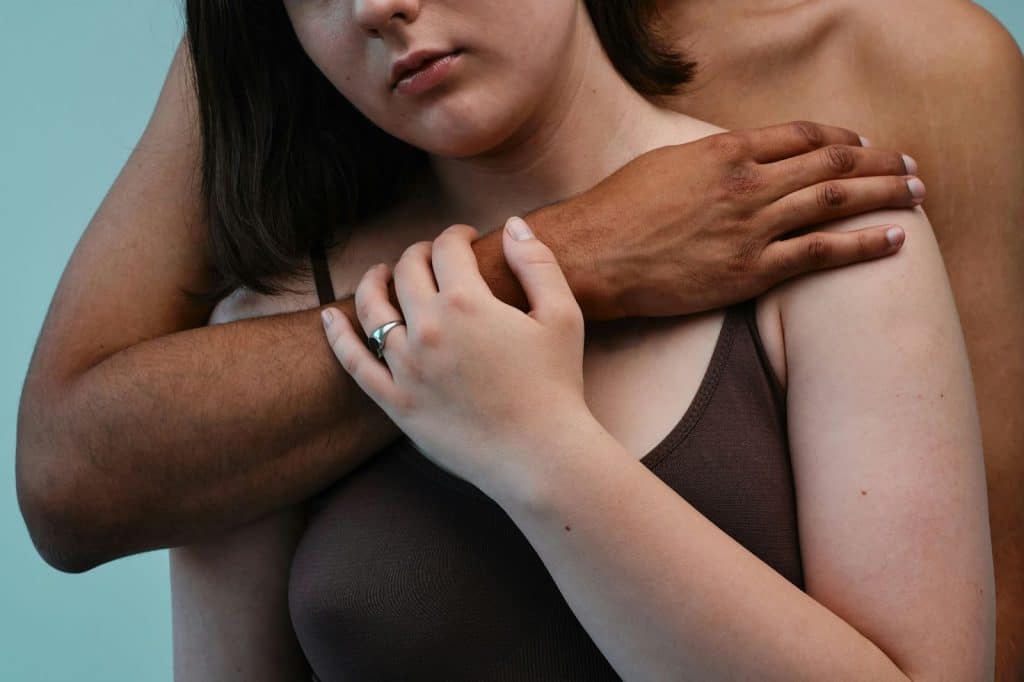
A partner talking to a colleague or spending time with friends shouldn’t raise alarms. But jealousy can spark overprotection masked as care. Constant check-ins or disapproval of social plans can point to unspoken fear of being replaced or losing control. This behaviour may feel justified in the moment. Over time, it creates pressure instead of closeness. Trust builds stronger connections than control ever can.
Inconsistent Support for Others’ Wins

When encouragement flows freely on some days but is absent on others, jealousy might be influencing behaviour. If a friend’s achievement brings more discomfort than joy, it can create emotional inconsistency. This subtle tension can harm trust over time. Support shouldn’t depend on mood or comparison. Recognising this pattern helps rebuild authenticity in friendships. Real support lifts others without reservation.
Over-Focus on Status or Appearance
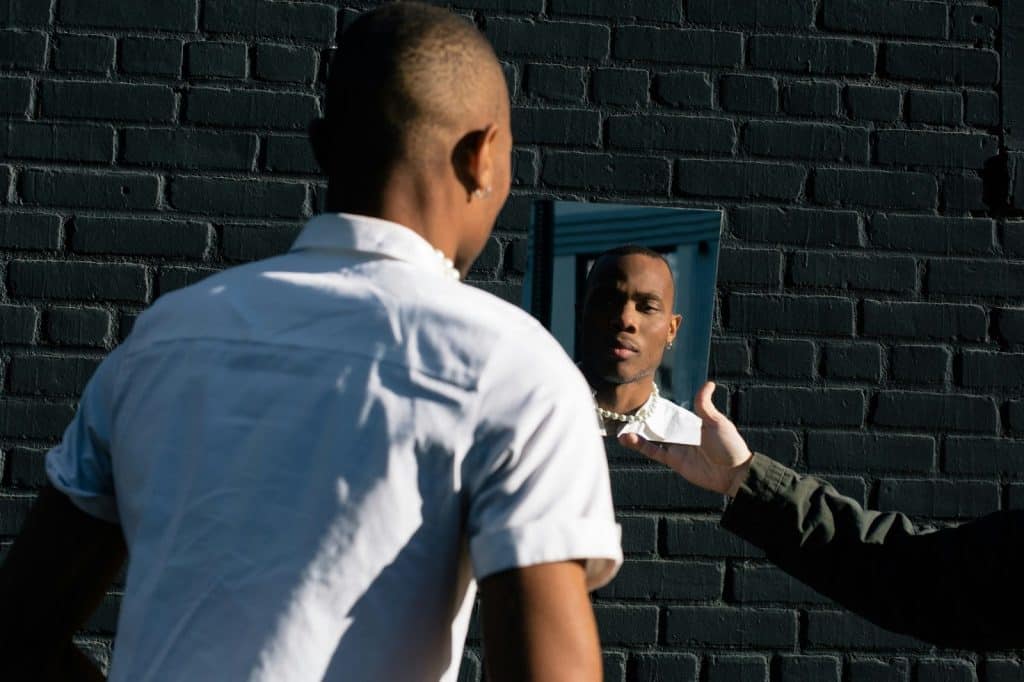
An obsession with image, luxury, or status symbols may be a reaction to perceived inadequacy. Jealousy doesn’t always attack others, it can fuel a race to prove self-worth. This leads to chasing validation instead of building confidence from within. External symbols become distractions from internal doubts. Real self-worth isn’t built through envy, it’s built through understanding. Awareness is the first step toward self-acceptance.
Denying Jealousy Altogether

Perhaps the most subtle sign is flat-out denial. Many men are taught to suppress emotions like jealousy, seeing them as weakness. But denial doesn’t erase the feeling, it just buries it until it spills out in other ways. It may resurface as anger, distance, or criticism. Accepting the feeling allows room for growth. Denial keeps men stuck; awareness sets them free.
Why These Signs Matter

Unaddressed jealousy can chip away at relationships, self-esteem, and emotional balance. It often masks itself in defensiveness or withdrawal, making it easy to miss. Recognising subtle jealousy allows for healthier reflection and communication. Understanding the root leads to better connections. It’s not about shame, it’s about strength. The earlier it’s spotted, the better the outcome. Emotional clarity strengthens every relationship.
Moving Toward Emotional Awareness

Emotional strength comes from awareness, not suppression. Spotting jealousy early helps prevent resentment and keeps relationships grounded in trust. Growth begins with honesty, even when it’s uncomfortable. Learning to face difficult emotions is a sign of real maturity. These signs aren’t weaknesses, they’re invitations to grow. Men who can recognise these cues gain deeper self-understanding. That’s where confidence really begins.








Ask Me Anything