
We often think emotional maturity looks like having everything together all the time–perfect boundaries, zero emotional reactivity, sage-level patience. But the truth is, emotional maturity is quieter. Less showy. It hides in the way you respond rather than react, in how you hold yourself accountable, in the pause before you speak. You might already be demonstrating more emotional growth than you give yourself credit for–and these signs are proof.
1. You Don’t Feel the Need to Have the Last Word

You’ve learned that winning an argument doesn’t always mean you’ve won the war. Instead of steamrolling your point or mic-dropping your way out of a disagreement, you now value peace over ego. You let go of the need to be “right,” especially when it costs the relationship or your own peace of mind. Emotional maturity means knowing when silence is stronger than any comeback.
2. You Know How to Self-Soothe

Instead of lashing out or spiraling, you’ve learned how to ground yourself in the storm. Maybe it’s through deep breaths, stepping away to collect your thoughts, or journaling what you’re feeling before hitting “send.” Emotional maturity shows up in those small, unseen moments when you regulate before reacting–and take responsibility for your inner world.
3. You Apologize Without Defensiveness

A real apology doesn’t come with disclaimers. When you’ve hurt someone, you say “I’m sorry” without needing to explain away your intentions. Emotional maturity means being more invested in repairing than in saving face. It’s the ability to own your part and sit with discomfort–because healing matters more than pride.
4. You Respect Boundaries

It’s one thing to set your own boundaries. It’s another level of maturity to honor someone else’s, even if they sting a little. You don’t push, guilt-trip, or manipulate. You understand that someone’s “no” isn’t a rejection–it’s clarity. And because you’ve done the work, you don’t take it personally.
5. You Don’t Need to Overshare to Feel Seen

There’s a quiet strength in not spilling everything just to feel connected. You’ve learned that vulnerability doesn’t mean emotional dumping. You can be open without being raw, honest without being impulsive. Emotional maturity knows the difference between intimacy and a cry for validation.
6. You Can Sit With Uncomfortable Emotions

Rather than avoiding, numbing, or projecting your feelings, you’ve developed the ability to simply sit with them. You understand that sadness, jealousy, or anger aren’t “bad”–they’re just data. You don’t rush to escape the discomfort. You let it speak, listen in, and respond with compassion instead of judgment.
7. You Don’t Chase Closure

You no longer believe that closure is something someone else gives you. You’ve learned to find your own ending, even if the other person leaves things messy. It’s not about being indifferent–it’s about preserving your peace. Emotional maturity means you can hold grief and move forward anyway.
8. You Can See Things from Others’ Perspective

Empathy becomes easier when you stop seeing everything through the lens of your own experience. You now try to understand where someone’s coming from–even if you don’t agree. You don’t rush to judge. You slow down, ask questions, and try to connect dots. That kind of emotional generosity is a quiet superpower.
9. You Don’t Equate Feelings with Facts
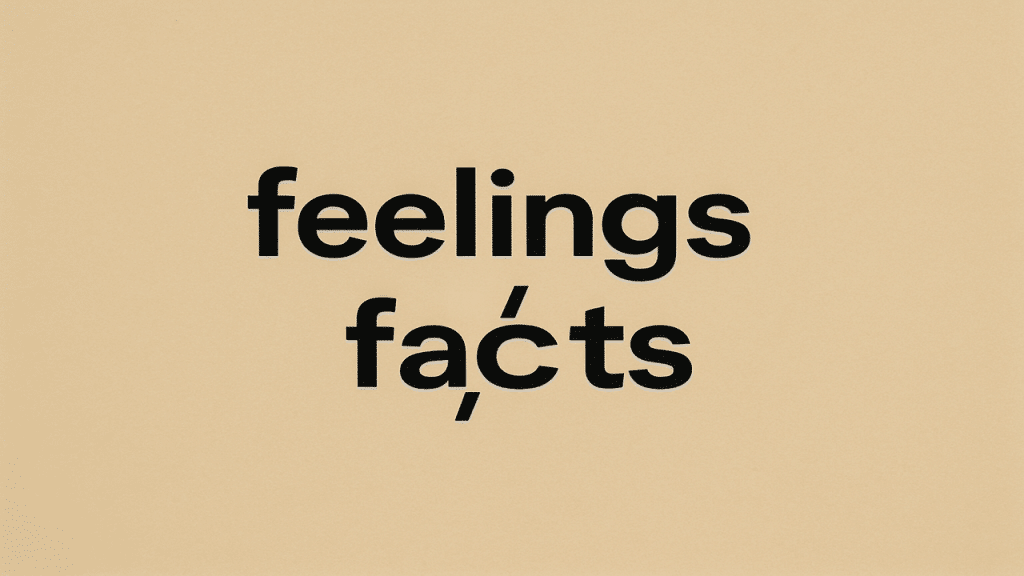
You’ve learned that just because you feel something strongly doesn’t mean it’s objectively true. Emotional maturity helps you separate a passing wave from a permanent reality. Instead of being led entirely by your feelings, you slow down, fact-check yourself, and ask: “Is this the full story?”
10. You Prioritize Peace Over Proving a Point

You no longer feel the need to insert yourself into every debate, correct every wrong take, or convince everyone to see it your way. You understand the cost of constantly engaging–and choose your energy wisely. Maturity shows up in restraint, in knowing that some things aren’t worth your peace.
11. You Don’t Need People to Be Perfect

You’ve stopped expecting flawlessness from friends, partners, and yourself. Emotional maturity shows up when you allow others to be messy humans and still choose to stay present. You hold space for imperfection. You forgive. You recalibrate. And you do it without keeping score.
12. You Can Name What You’re Feeling
Instead of defaulting to “I’m fine” or “I don’t know,” you’ve developed the vocabulary to name your emotional states. That awareness gives you power. When you can say, “I feel overwhelmed” or “I’m hurt because I felt dismissed,” you turn emotions into something you can work with–not something that works against you.
13. You Can Let People Be Mad at You

It’s uncomfortable, yes. But emotional maturity means allowing others to have their reactions without rushing in to fix, people-please, or make them like you again. You don’t panic at disapproval. You know that conflict doesn’t automatically mean collapse–and you trust your relationships to weather honest tension.
14. You’re Not Threatened By Others’ Growth

When your friends evolve, succeed, or change, you cheer them on without secretly feeling left behind. You no longer compare timelines or question your worth in someone else’s success. Emotional maturity means staying grounded in your own journey–without turning every win into a competition.
15. You’re Comfortable Saying “I Don’t Know”

Instead of pretending or performing, you can now admit when you’re unsure. Saying “I don’t know” no longer feels like weakness–it feels like honesty. You’ve shed the pressure to have all the answers and now value curiosity over control. That humility is a quiet kind of confidence.
16. You Accept That Not Every Relationship Has to Last Forever

You’ve outgrown the fairytale that real love means forever. Some connections are seasonal. Some are meant to teach, not stay. Emotional maturity lets you mourn the ending and still feel grateful for the chapter. You can let go with love, rather than clinging out of fear.
17. You Don’t Feel the Need to Explain Yourself All the Time

You’ve stopped over-explaining or trying to justify your every choice. You say what you mean, and trust it to land how it lands. You’ve learned that not everyone will understand you–and that’s okay. Emotional maturity means being okay with being misunderstood sometimes.
18. You Applaud Progress, Not Perfection

You’ve let go of the exhausting need to “arrive” emotionally. Instead, you celebrate growth–the small shifts, the slower reactions, the better decisions. You know that healing isn’t linear and that setbacks don’t erase your progress. That grace you give yourself? That’s the real win.








Ask Me Anything