
In every healthy relationship, there’s a natural give and take. You lean on each other, share your lives, and grow together. But sometimes, the balance tips–and emotional dependence starts to creep in. It’s subtle at first: you crave their approval more than your own, you lose track of what you enjoy, and you start feeling incomplete when they’re not around. While closeness is a beautiful part of love, being overly dependent can quietly erode your sense of self.
Here are 17 signs you might be too dependent on your partner–and what you can do to regain balance without losing connection.
1. You Can’t Make Decisions Without Their Input

If every choice–from what to wear to major life moves–needs their approval, it may be a sign of emotional dependence. Healthy partners value each other’s opinions but still trust their own judgment. Start by making small decisions solo–like where to eat or what movie to watch–and build from there. Confidence grows with action, not perfection.
2. You Feel Anxious When They Don’t Reply Right Away

When a delayed text triggers panic or overthinking, it’s often less about love and more about insecurity. This anxiety usually stems from a fear of rejection or abandonment. Instead of spiraling, ground yourself with logic–people get busy, and it’s not always personal. Practice self-soothing techniques like journaling or deep breathing before assuming the worst.
3. You’ve Let Your Own Interests Fade Away

If you’ve stopped doing hobbies you once loved or drifted from friends, it’s time to reconnect with yourself. Losing your individuality weakens both you and the relationship. Bring back the things that make you, you–whether that’s painting, running, or catching up with old friends. Your partner fell for your individuality, not your dependence.
4. You Constantly Seek Their Validation

Needing reassurance is human–but relying on it daily can become emotionally draining for both of you. If your confidence rises and falls based on their compliments or approval, it’s time to build internal validation. Try affirming yourself out loud or celebrating your own wins privately. Confidence built from within can’t be easily shaken.
5. You Struggle to Be Alone

If solitude feels unbearable, it’s not a sign you’re deeply in love–it’s a sign you may be disconnected from yourself. Learning to enjoy your own company builds emotional resilience. Start small: spend an hour doing something you enjoy solo, like reading or going for a walk. Over time, you’ll find peace in your own presence again.
6. You Prioritize Their Needs Over Yours–Constantly

Compromise is part of love, but constantly putting your partner first creates imbalance. When you chronically self-sacrifice, resentment eventually builds. Ask yourself: “If I keep doing this, will I feel fulfilled a year from now?” Practice saying no when you need rest or space–it’s not selfish, it’s self-respect.
7. You Fear Conflict and Avoid It at All Costs

If you bite your tongue to keep the peace, you’re trading honesty for comfort. Avoiding conflict may seem like love, but it actually erodes emotional intimacy. Healthy relationships can handle disagreements. Start by voicing small concerns calmly–your opinions deserve to be heard just as much as theirs.
8. You Rely on Them for All Your Emotional Support
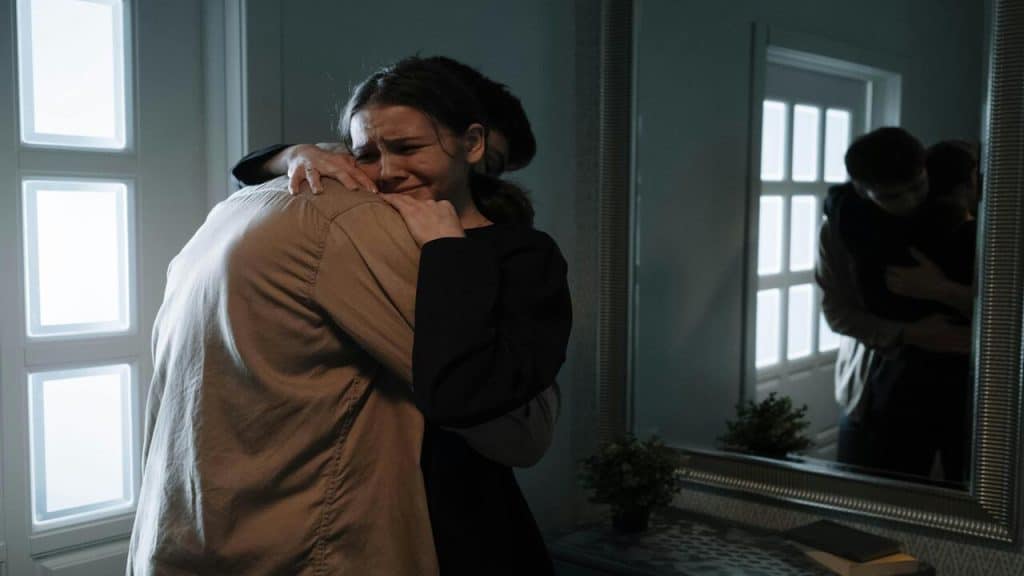
Your partner can be your safe space, but they shouldn’t be your only one. Expecting them to meet every emotional need sets them up to fail. Cultivate other connections–trusted friends, mentors, or family–so you have a broader support network. Emotional independence is what allows love to breathe.
9. You Feel Empty or Lost When They’re Not Around

If their absence makes life feel meaningless, it’s a clear sign your identity has merged too deeply with theirs. It’s healthy to miss someone, but not to lose your sense of self. Rebuild routines and interests that are yours alone. Love should complement your life, not complete it.
10. You Change Your Beliefs or Preferences to Match Theirs

When you start mirroring their opinions, taste, or even worldview to keep harmony, you risk erasing yourself. Differences don’t divide couples–they make them dynamic. The key is mutual respect, not sameness. Stand by your own views and likes, even if they contrast with your partner’s. That’s how authenticity survives in love.
11. You Feel Guilty Doing Things Without Them

If a solo coffee run or night out with friends makes you feel guilty, your relationship might have become too enmeshed. Independence doesn’t threaten love–it strengthens it. A healthy couple encourages personal space and outside experiences. The more fulfilled you are individually, the more you bring to the relationship.
12. You Panic at the Thought of Losing Them
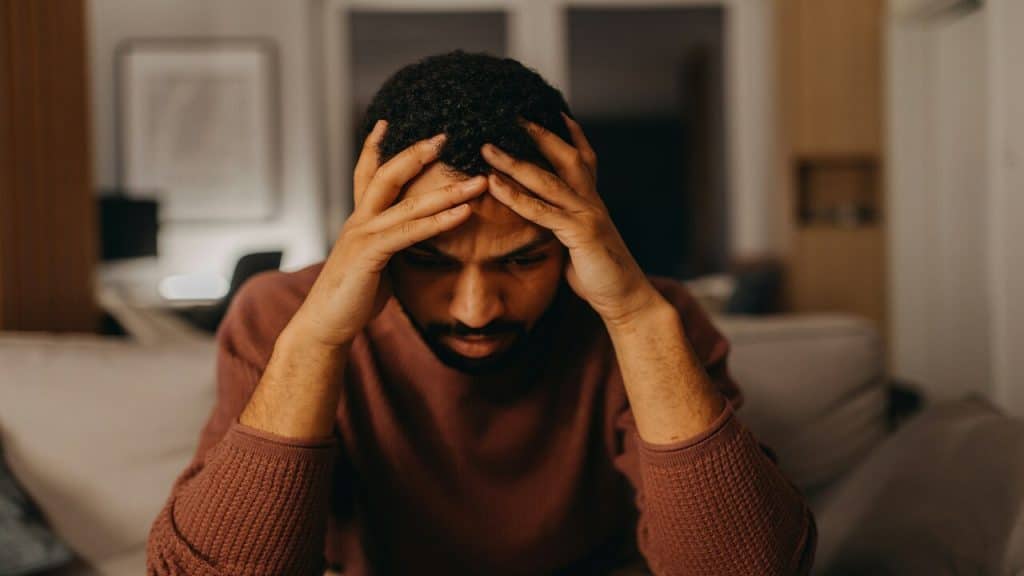
When your partner’s potential absence feels like the end of the world, fear has taken the driver’s seat. It’s natural to value the relationship, but clinging too tightly often pushes people away. Focus on strengthening your self-worth so your world doesn’t collapse if they leave–it should bend, not break.
13. You Constantly Compare Your Relationship to Others

Scrolling through highlight reels on social media can make you crave reassurance that your relationship measures up. But comparison is a thief of both peace and perspective. Every relationship has its own rhythm. Instead of fixating on others, focus on building habits that make your bond feel solid and secure from within.
14. You Apologize Even When You Haven’t Done Anything Wrong

Saying “sorry” too often can signal a deeper fear of rejection or disapproval. If you apologize to avoid tension rather than to own mistakes, you’re minimizing yourself. Replace automatic apologies with reflective statements like, “I see your point,” or “Let’s figure this out.” It’s more mature–and more self-respecting.
15. You Rely on Them to Feel Happy

When your mood rises and falls entirely based on your partner’s behavior, you’ve handed them too much emotional control. Your happiness is your responsibility. Build a life that gives you joy outside the relationship–hobbies, friendships, goals. A partner should add to your happiness, not be the sole source of it.
16. You Struggle to Picture a Future Without Them

It’s natural to imagine a shared future, but if you can’t envision a version of your life that stands on its own, that’s dependency. True love allows freedom–it’s a choice, not a crutch. Picture your own dreams and ambitions clearly. The stronger your sense of direction, the healthier your partnership becomes.
17. You Feel Like You’d Fall Apart If the Relationship Ended

Losing someone you love is painful, but believing you’d crumble completely reveals an over-reliance on them for stability. Breakups can hurt deeply and still not destroy you. Strengthen your emotional foundation by investing in self-care, therapy, and personal growth. Love deeply–but never at the expense of your wholeness.








Ask Me Anything