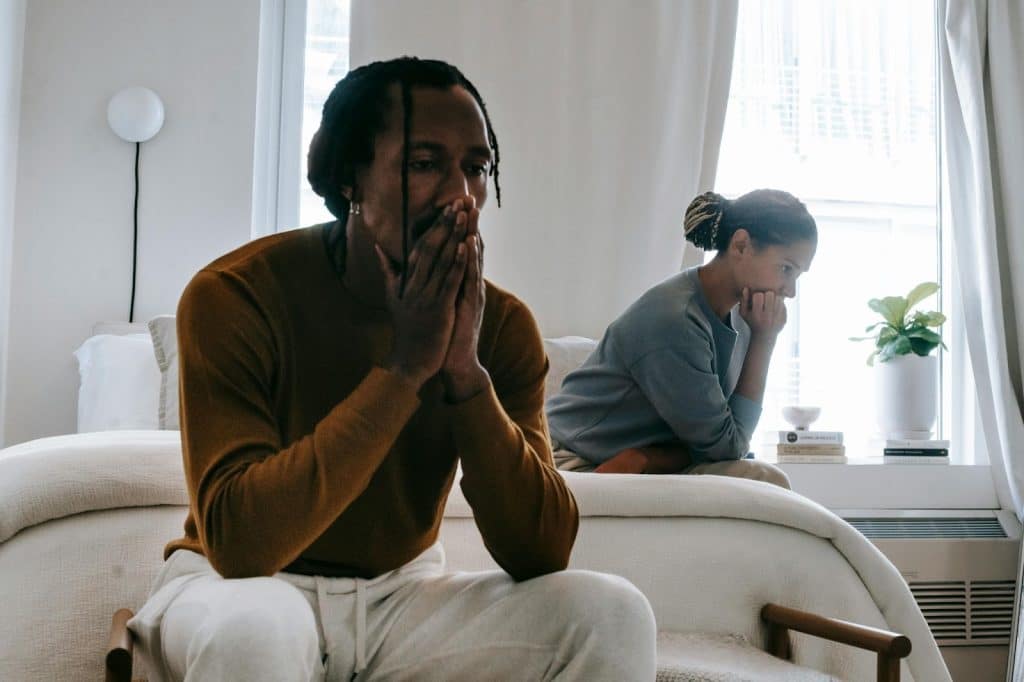
In the beginning, he couldn’t stop talking, now, every exchange feels a little thinner. His replies get shorter, the pauses longer, and the enthusiasm that once filled every sentence slowly fades. It’s not that he has nothing to say; he’s simply saying less because his emotional engagement has weakened. For many men, this is one of the earliest signs of losing interest, the silence that creeps in quietly. He’s trying to avoid confrontation, but the absence of depth says more than words ever could.
He Stops Making Future Plans

Where he once spoke about next month’s events or next year’s goals together, now his words stay focused on the present. The future feels vague, uncertain, and intentionally undefined. This isn’t carelessness, it’s hesitation. When interest begins to fade, men often stop including their partner in their long-term vision, even if they’re too kind to say it directly. The plans evaporate, and what’s left are polite promises that never lead anywhere.
Physical Affection Becomes Routine

Hugs, kisses, and small gestures of affection lose their spark. They feel more like habits than heartfelt moments. He may still hold her hand or kiss her goodbye, but the warmth is missing, replaced by a quiet sense of obligation. Men who don’t want to hurt someone often maintain these gestures to keep things “normal,” even as their emotional connection slips away. It’s not cruelty, it’s avoidance disguised as care.
He Starts Agreeing to Everything

At first, agreement feels like harmony, but soon, it feels like indifference. When a man begins losing interest, he often stops engaging in real discussions or disagreements. He’ll nod, say “you’re right,” or “whatever you prefer,” not because he truly agrees, but because he doesn’t want to put energy into conflict. It’s a form of quiet withdrawal, peacekeeping that signals emotional distance rather than unity.
He Blames Work or Stress for His Distance

Suddenly, work becomes the convenient explanation for everything, fewer calls, less time, more distraction. Of course, everyone gets busy, but when “work” turns into a shield from emotional closeness, it’s often a gentle way of pulling away. He’s not lying; he’s deflecting. It’s easier to cite exhaustion than to admit fading affection. To her, it sounds temporary. To him, it’s a slow retreat.
He Checks Out Emotionally During Conversations

When he’s there physically but absent mentally, the emotional gap becomes clear. His eyes wander, his responses are vague, and his laughter feels half-hearted. He’s listening just enough to seem polite, but not enough to truly connect. It’s not always intentional, it’s the natural result of detachment. A man who’s losing interest often drifts into thought, not because he’s cold, but because his mind is already somewhere else.
He Avoids Serious Conversations

Discussions about the relationship, feelings, or the future suddenly make him uncomfortable. He’ll deflect, change the subject, or say, “Can we talk about this later?” When someone’s losing interest, these talks become reminders of a truth they don’t want to voice. Avoidance becomes a coping mechanism, protecting both himself and her from the reality that things are no longer the same. His silence is his form of denial.
He Keeps Things Superficial
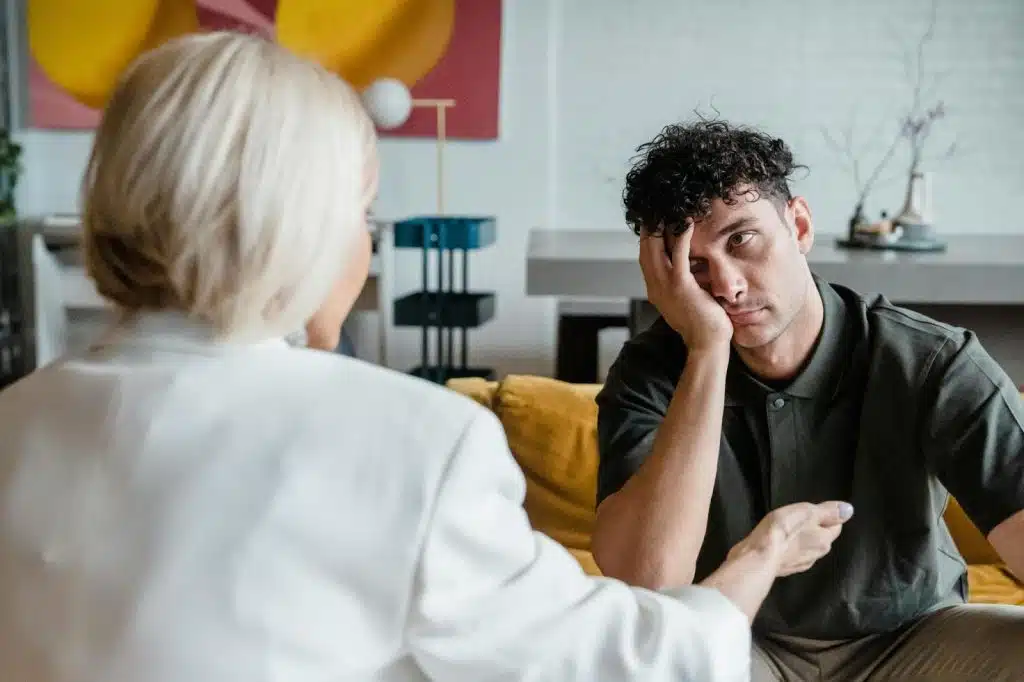
Instead of talking about hopes, fears, or deeper emotions, he sticks to surface-level topics, schedules, errands, and safe subjects. The depth that once connected them is replaced by polite distance. This shift can feel confusing because it’s not overt rejection; it’s emotional reduction. He’s maintaining the framework of the relationship without the foundation beneath it.
He’s Always “Too Tired”

Fatigue becomes a common excuse, and while it may sometimes be true, it’s often emotional rather than physical. The energy he once poured into connection now goes elsewhere, into solitude, distractions, or avoidance. “I’m tired” is easier to say than “I’m disconnecting.” It’s his way of retreating without confrontation, slowly creating space under the pretense of rest.
He Spends More Time on His Phone or Alone

Moments that used to belong to her, dinner, movies, quiet nights, now compete with his phone or his newfound “me time.” Social media, games, or meaningless scrolling become safer than emotional vulnerability. The more detached he feels, the more he craves distractions that don’t demand connection. It’s a quiet drift, one that feels invisible until it becomes undeniable.
He Starts Cancelling or Postponing Plans

When someone’s heart is still fully in it, they make time, even in chaos. But when interest fades, excuses multiply. “Maybe next week” replaces “I can’t wait to see you.” Each cancellation isn’t just about scheduling; it’s emotional signaling. He’s creating distance gradually, hoping she’ll sense it without him having to spell it out.
His Compliments Become Sparse

He once noticed the little things, a new hairstyle, a joke, a smile. Now, those compliments come less often or feel automatic. It’s not that he stopped finding her beautiful or interesting; he’s simply disengaged from the emotional habit of appreciation. Compliments take intention, and when that fades, so does verbal affection. Silence becomes the loudest hint that something’s changed.
He Stops Sharing His Thoughts and Feelings

Where he once confided in her about his day or his dreams, now there’s a wall. He keeps things to himself, not out of secrecy, but out of detachment. Emotional intimacy requires vulnerability, and when affection fades, that openness closes off naturally. She might feel him slipping away, even as he insists nothing’s wrong. The truth is, his silence has already said it all.
He Becomes Easily Irritated

Small things that never bothered him before suddenly trigger frustration, a tone, a question, a minor inconvenience. It’s not her fault; it’s the discomfort of staying where his heart no longer feels at peace. Irritation becomes an outlet for guilt and confusion. Rather than admit he’s losing interest, he expresses it through mood shifts that signal discontent.
He Stops Initiating Intimacy

Physical connection fades as emotional closeness weakens. He might still respond when approached but rarely initiates. It’s not about attraction, it’s about investment. When interest declines, desire becomes inconsistent, replaced by emotional distance that shows in quiet avoidance. The warmth turns into politeness, and the space between them grows larger every night.
He’s Present, But No Longer Engaged

He still shows up, dates, family events, holidays, but there’s a lack of emotional presence. It’s as if he’s performing the role of a boyfriend or husband rather than living it. His eyes wander, his smile feels rehearsed, and conversations feel rehearsed. To the outside world, nothing seems wrong, but she feels the absence even in his presence.
He Overcompensates with Kindness

Ironically, when a man feels guilty about losing interest, he might become overly considerate. He’ll do small favors, act gentler, or offer compliments that sound forced. It’s not manipulation, it’s his way of easing guilt. He wants to be kind, even as his feelings fade, because the last thing he wants is to be remembered as careless.
He Lets Her Take the Lead

When he no longer has the heart to continue but doesn’t want to end things himself, he quietly withdraws leadership. He stops making plans, initiating conversations, or expressing preferences, hoping she’ll notice the void and make the hard choice for him. It’s avoidance rooted in empathy, he doesn’t want to be the reason she’s hurt, even though his silence already is.
Conclusion, When Distance Speaks Louder Than Words

When men lose interest, it rarely happens overnight. It’s a slow fade marked by hesitation, guilt, and quiet withdrawal. Most don’t mean to hurt anyone; they simply don’t know how to express emotional truth without causing pain. The signs appear subtly, in silence, disinterest, or forced politeness, long before words ever confirm it. Recognizing those patterns early doesn’t make it easier, but it does make it clearer: when someone’s heart is leaving, their actions will speak long before they do.








Ask Me Anything