
Strength looks admirable from the outside, calm, dependable, in control. But sometimes, that same strength becomes the armor that hides exhaustion. He doesn’t break down or ask for help because he’s built his identity around being unshakable. Yet even steel bends under enough weight. His silence grows, his eyes tire, and his laughter fades. The world still sees strength, but inside, it’s just someone holding on quietly.
He Says “I’m Fine” Too Convincingly

He’s learned how to make reassurance sound believable. His tone is steady, his expression neutral, and his answers short enough to move on. It’s not dishonesty, it’s survival. Saying “I’m fine” protects him from questions he’s not ready to answer. The problem is, the longer he hides behind composure, the heavier that mask becomes.
He Smiles Without His Eyes Following

It’s an expression that looks perfect on the surface but feels off when you see it. The smile is there, but the warmth is gone. It’s polite, practiced, a reflex rather than a reflection. His humor turns measured, his lightness fades. What once was effortless joy now feels like a performance he’s too tired to cancel.
He Keeps Himself Too Busy to Feel Anything

He calls it productivity, but it’s really an escape. Work, errands, gym, anything that keeps him from stillness. Stillness forces thought, and thought forces feeling. Busyness becomes his best defense against his own emotions. He’s not thriving; he’s running, quietly and efficiently, from what he can’t process yet.
He Avoids Talking About Himself

He can discuss anything, except his own emotions. Conversations stay light, surface-level, and focused on others. He listens deeply but never reciprocates the same openness. It’s not because he doesn’t trust, it’s because he doesn’t want to be a burden. He believes his struggles are his to manage alone, even if that isolation slowly drains him.
His Temper Shortens, Then Disappears Altogether

At first, he snaps more easily, short answers, long sighs, quiet frustration. Then, one day, he stops reacting altogether. That’s not peace; it’s depletion. His emotions have dulled from overload. Anger was easier than sadness, now both feel like too much. When strength turns into silence, numbness often follows.
He Sleeps More, but Feels Less Rested

Sleep becomes escape, not recovery. He lies in bed longer but wakes up heavier. His mind doesn’t rest; it replays. The exhaustion isn’t physical, it’s emotional fatigue masquerading as tiredness. His dreams may be quieter, but his thoughts are not. The right kind of rest requires peace, and that’s what he’s missing.
He Stops Laughing the Way He Used To

You’ll notice it in the sound, it’s shorter, softer, hollow. The laughter that once filled a room now ends before it begins. He doesn’t find things funny because his mind is elsewhere. When a man is struggling emotionally, joy feels foreign. He still smiles to blend in, but the joy behind it has dimmed to a flicker.
He Starts Forgetting Things That Used To Matter

Birthdays, dates, plans, they start slipping through. It’s not neglect; it’s overload. His brain is too full of what he’s not saying to remember what he should be doing. The mental fog isn’t laziness, it’s a symptom of carrying too much, too quietly. He’s not careless; he’s overwhelmed.
He Prefers Isolation Over Company

He calls it “needing space,” but it’s really emotional survival. Crowds feel noisy; conversations feel heavy. Solitude is the only place he can stop pretending to be fine. But too much silence becomes its own kind of loneliness. What looks like peace is often exhaustion disguised as independence.
He Avoids Deep Conversations Entirely

Once, he used to engage, now, he deflects. When emotions enter the room, he subtly shifts topics. Vulnerability feels dangerous when he’s already fragile. Silence becomes safer than honesty. It’s not avoidance out of pride, it’s self-preservation.
He Becomes Easily Overwhelmed by Small Tasks

Simple things, replying to messages, paying bills, cooking, start feeling monumental. It’s not about laziness; it’s about mental load. His energy goes into managing invisible emotions, leaving little for everyday life. This kind of fatigue doesn’t show in his body, it hides behind forced normalcy. Even small things feel like weight when peace is absent.
He Spends Hours Scrolling, Gaming, or Zoned Out
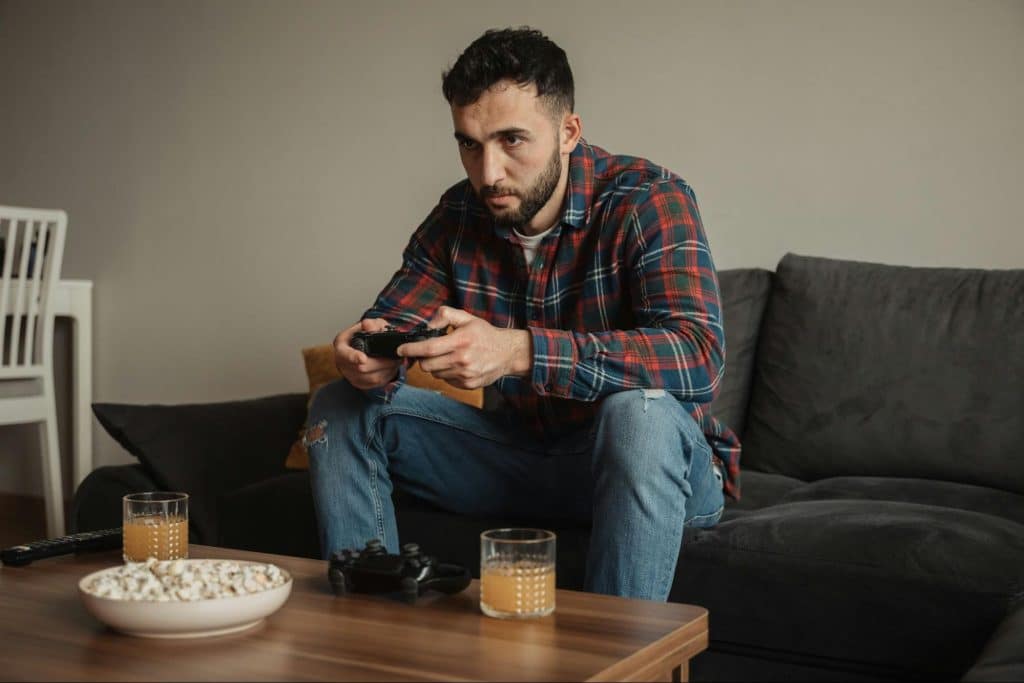
He’s not being inattentive, he’s detaching. Screens become his safe distraction from intrusive thoughts. It’s not the activity he’s addicted to, it’s the silence it provides. The endless scrolling, the games, the noise, they all serve one purpose: to avoid being alone with his own emotions.
His Confidence Starts Sounding Like Obligation

He still says the right things, but the conviction is gone. “I’ve got this” sounds more like a duty than a truth. Strength becomes a script he can’t stop performing. He’s not strong because he feels capable; he’s strong because he doesn’t know another way to be. It’s not resilience, it’s repetition.
He Shrugs Off Concern With a Joke

Humor becomes his shield. If he can make people laugh, maybe they won’t notice he’s slipping. He uses jokes to shift the focus, to control the narrative before it turns serious. The laughter deflects sympathy, it’s easier to hide behind charm than admit hurt. Sometimes, the funniest men are the ones in the most quiet pain.
He Becomes Overly Independent

He insists on doing everything alone, fixing, lifting, deciding. It looks like pride, but it’s really fear of being a burden. Asking for help feels too close to exposing weakness. So he overfunctions, until the weight becomes unbearable. Independence, in this case, isn’t strength, it’s isolation disguised as control.
He Avoids Eye Contact When Feelings Come Up

When emotions arise, his gaze drops. Eye contact feels like exposure. Looking away is his way of maintaining composure when his mind wants to shut down. The discomfort isn’t rejection; it’s fear of unraveling. He’s not avoiding you, he’s avoiding the vulnerability your eyes might recognize.
He Starts Showing Up Less, Even When He’s Physically There

He’s present in body but absent in spirit. He nods, smiles, and agrees, but his thoughts are miles away. It’s not indifference, it’s depletion. He’s running on emotional autopilot, doing what’s expected but feeling nothing. What he needs isn’t confrontation; it’s calm company, proof that someone notices his silence without demanding explanations.
When Silence Speaks the Loudest

When a man’s strength turns into silence, it’s not because he’s heartless, it’s because he’s hurting. He’s learned to equate vulnerability with weakness, and now he’s trapped inside his own expectations. What helps him isn’t fixing, it’s being understood without pressure. A simple “You don’t have to talk, but I’m here” can do more than a lecture ever will. Because sometimes, the strongest thing a man can do is stop pretending he’s fine, and let someone stand beside him in the quiet.








Ask Me Anything