
Long-term relationships often settle into a steady rhythm built on shared history, routine, and familiarity. While comfort can be a healthy part of love, it is not always proof that love is still deeply present. In some cases, emotional intensity fades quietly, leaving behind a connection that feels safe but no longer passionate. The shift rarely happens all at once; it tends to appear in subtle changes like reduced effort, limited enthusiasm, or emotional distance. When warmth begins to feel more routine than heartfelt, it may signal that a man is staying because the relationship feels comfortable, not because he feels deeply in love.
When Deep Emotions Are Avoided
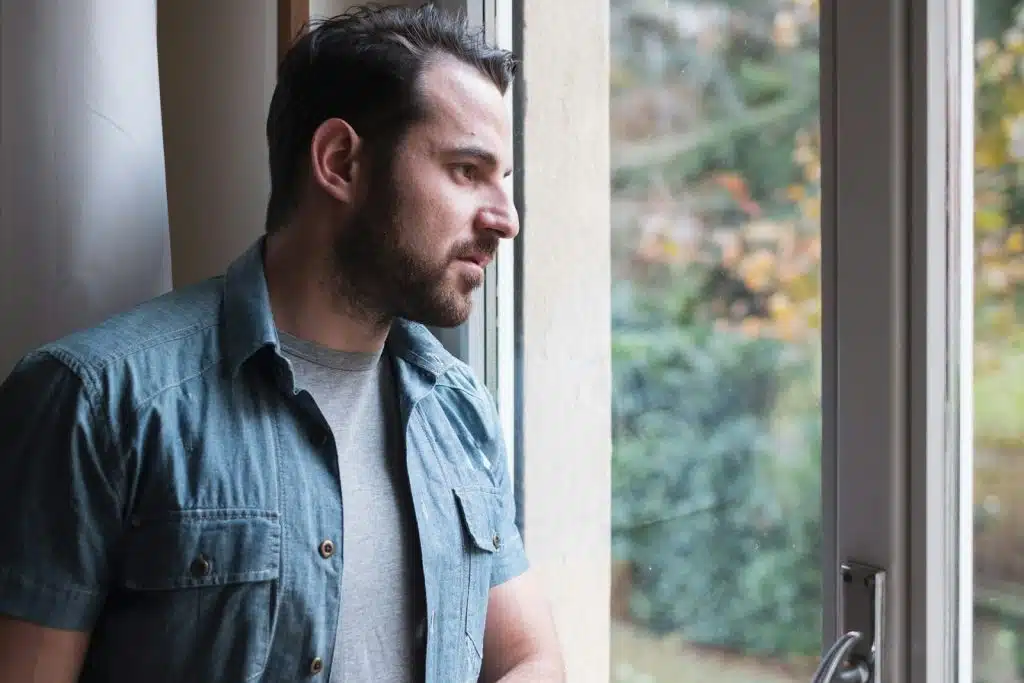
Kind words may be present, yet deeper emotions rarely come forward. Conversations about personal fears, hopes, or struggles can feel limited or cut short. Emotional walls may stay quietly in place without clear explanation. Surface-level sharing creates safety, but it does not build strong intimacy. A relationship needs openness to grow beyond comfort. When vulnerability feels unnecessary, connection may begin to thin.
When Routine Is Chosen Over Growth

Opportunities to strengthen the relationship may be met with little energy. Conversations about moving forward can feel flat or postponed. Staying in familiar patterns often feels easier than exploring change together. Growth requires effort, reflection, and shared direction. Without forward movement, the bond may remain steady but unmoving. Stability alone cannot replace emotional progress.
When Presence Lacks Real Engagement

Attendance at shared events may continue, yet emotional involvement feels noticeably lighter. Conversations happen, but energy behind the words seems restrained or distant. Smiles may appear, though they lack the spark that once felt natural and spontaneous. Being physically present does not always mean being mentally or emotionally invested. Over time, interactions can begin to feel like routine participation rather than heartfelt connection. When presence lacks depth, the relationship may slowly lose its emotional center.
When Genuine Interest Begins to Fade

Questions about evolving dreams, personal challenges, or new interests may become less frequent. Discussions often stay focused on daily logistics instead of meaningful discovery. Ongoing curiosity keeps a relationship feeling alive and current. Without it, partners may rely only on what was learned in the past. Feeling fully seen requires continued interest in who someone is becoming. When exploration stops, emotional growth within the relationship can stall.
When Change Is Resisted to Protect Comfort

Major life decisions may be approached with noticeable hesitation or resistance. The existing structure of the relationship can feel too important to disrupt. Predictability offers reassurance that feels difficult to replace. However, meaningful partnership often demands flexibility and shared courage. Avoiding every significant shift may prevent the relationship from evolving naturally. Guarding comfort too tightly can quietly limit shared potential.
When Conversations About the Future Are Avoided

Plans for the future may remain vague or lightly discussed. There might be satisfaction with the present without clear enthusiasm for what lies ahead. Long-term direction usually reflects commitment and shared vision. When goals are unclear, momentum can fade. A partnership without forward planning may feel steady but stagnant. Uncertainty about tomorrow can reveal deeper hesitation beneath calm behavior.
When Physical Closeness Feels Distant

Touch and affection may continue, yet feel mechanical or brief. Moments that once carried tenderness can seem automatic. Physical intimacy often mirrors emotional closeness. When warmth fades, subtle distance may follow. Consistent effort keeps affection meaningful rather than routine. Without intentional connection, closeness may feel increasingly formal.
When Stability Matters More Than Emotional Connection

Work demands, financial security, and shared responsibilities may dominate daily life. Practical matters can overshadow emotional needs. Order and structure provide comfort that feels dependable. However, emotional connection requires attention beyond logistics. When stability becomes the primary reason for staying, deeper reflection may be avoided. Convenience can quietly replace passion as the foundation.
When Conflict No Longer Feels Important

Disagreements may pass without strong reaction or follow-up discussion. Calm responses can seem balanced but emotionally distant. Caring deeply often creates a desire to repair tension quickly. When urgency disappears, so can emotional involvement. Unresolved issues may linger beneath the surface. Lack of reaction sometimes signals withdrawal rather than peace.
When Romantic Effort Gradually Declines

Thoughtful gestures and small surprises may become rare. Special occasions might feel routine instead of joyful. Romantic effort reflects attention and emotional energy. When creativity declines, excitement may fade with it. Shared memories are built through intention, not habit. A noticeable drop in initiative can reveal shifting priorities.
When Emotional Openness Remains Limited

Conversations may stay within safe and predictable topics. Personal fears or insecurities might remain private. Emotional closeness grows through honest exchange. Avoiding deeper discussion can limit intimacy. Without vulnerability, connection may feel incomplete. Silence around important feelings can widen emotional space.
When Doubts Remain Unspoken

Private doubts about compatibility may exist without open dialogue. Stability may feel more important than clarity. Addressing concerns requires difficult but necessary honesty. Ignoring uncertainty does not resolve it. Temporary comfort can overshadow long-term understanding. Avoidance may protect routine while weakening connection.
When the Relationship Feels Like a Routine

Most shared moments may revolve around routines and chores rather than intentional connection. Conversations can focus on logistics instead of emotions or dreams. Predictability may feel safe, but it can also dull excitement. Daily repetition might replace meaningful interaction without partners noticing. Sustained bonding requires effort beyond mere presence. Without intentional engagement, the relationship can feel functional but emotionally limited.
When Joy and Excitement Slowly Fade

Expressions of anticipation, delight, or playful energy may become infrequent. Emotional tone can remain calm yet lack warmth or spark. Shared laughter and spontaneous joy often signal engagement and care. When these moments diminish, interactions may feel flat or routine. Subtle withdrawal in enthusiasm can reflect an internal shift in connection. Recognizing these changes can help address emotional stagnation before it grows.
When Familiarity Feels Safer Than Love
Fear of loneliness or disruption may influence decisions to stay in the relationship. Familiarity can feel safer than pursuing deeper engagement or growth. Partners may rely on companionship for security rather than fulfillment. Avoiding change may temporarily reduce discomfort, yet emotional needs can go unmet. Stability without connection can feel comfortable but unfulfilling. Understanding this distinction encourages mindful evaluation of relationship health.
When Personal Growth Happens Separately

Individual goals and personal development may continue independently rather than together. Shared aspirations might receive less attention or collaboration. Emotional investment is strengthened when growth is mutually supported. Working separately can create invisible distance between partners. Recognizing opportunities to align ambitions fosters connection and partnership. Independent success alone may not maintain relational satisfaction without shared experiences.
When Participation Feels Passive

Agreement may occur easily, but engagement may feel minimal or surface-level. Important choices might receive compliance rather than thoughtful input. Active participation signals commitment, care, and presence in the relationship. Without it, decisions can feel routine or one-sided. Silence or quiet agreement may mask internal detachment. Encouraging open dialogue ensures shared ownership and reinforces connection.
When Calm Words Hide Emotional Distance

Responses about the relationship may sound neutral and unexcited. Words may communicate stability while energy and emotional tone are muted. Calm or steady expression does not always indicate satisfaction. Subtle flattening of emotion can signal decreased investment in shared experiences. Recognizing shifts in tone helps clarify whether comfort is replacing passion. Intentional reflection can guide partners toward deeper engagement and understanding.
When Convenience Becomes the Main Reason

Staying together may feel practical due to shared finances, routines, or social expectations. Convenience can overshadow intentional emotional connection. Daily life may feel comfortable but lack active nurturing of intimacy. Decisions influenced primarily by ease can prevent growth and closeness. Recognizing the balance between convenience and emotional investment is crucial. Relationships anchored solely by practicality may remain stable yet shallow.
How Comfort Replaces Love as the Foundation

Comfort provides security, predictability, and familiarity but does not guarantee ongoing emotional engagement. Love requires consistent attention, effort, and vulnerability. Subtle patterns such as indifference, routine focus, and minimal initiative can reveal attachment to familiarity rather than connection. Awareness of these behaviors allows partners to distinguish between safe habits and meaningful involvement. Reflection on what sustains the bond can guide choices for emotional investment. Understanding this difference is key to building a relationship that thrives beyond comfort alone.








Ask Me Anything