
Friendships provide support, connection, and belonging throughout life. However, some male friend groups operate as immaturity enforcement systems, celebrating behaviors that should have been outgrown, mocking emotional growth, reinforcing adolescent mentalities, and punishing members who evolve toward adult responsibility. These friend circles create environments where being a good husband or father generates mockery while getting drunk, avoiding responsibility, or disrespecting women earns approval. The group identity becomes frozen in college or early twenties mentality that members maintain decades later to preserve belonging. These seventeen signs reveal when a friend group is actively preventing maturity development, exposing a social circle that values perpetual boyhood over adult evolution.
Friends Mock You for Prioritizing Wife or Family Time

The friend group responds to family prioritization with ridicule, jokes about being “whipped,” or mockery for choosing family. This family-mocking creates pressure to prove independence through family neglect. If prioritizing family brings group ridicule, friends undermine adult priorities. The pattern means family commitment is a weakness in a group’s value system. Healthy friends support family prioritization. Mocking family commitment reveals an immature value system. Friend pressure against family reveals toxic group dynamics. Mature friends celebrate family devotion not mock it.
Group Encourages Complaining About Wife or Marriage

Friend gatherings involve wife-bashing, marriage complaints, or relationship negativity as bonding activity. This negativity-bonding reinforces dissatisfaction and prevents addressing problems. If friends bond through relationship complaints, growth is discouraged. The pattern means marriage problems become entertainment not concerns requiring solutions. Healthy friends encourage relationship work. Complaint-encouraging reveals immaturity-reinforcing dynamic. Group negativity about partners prevents relationship improvement. Mature circles support partnership work not complaints.
Friends Don’t Have Healthy Marriages to Model

The entire friend group consists of divorced, unhappily married, or single men modeling dysfunction not health. This unhealthy-modeling provides no positive relationship examples. If no friends have healthy marriages serving as models, growth examples are absent. The pattern means relationship role models don’t exist in a circle. Healthy circles include positive examples. All-dysfunction groups prevent learning. Friend groups lacking healthy models can’t support growth. Mature circles include relationship success examples.
Talking About Women Remains Disrespectful and Objectifying

Group conversations about women involve objectification, disrespect, or adolescent attitudes unchanged from decades ago. This disrespect-norm prevents evolved perspectives. If talking about women hasn’t matured beyond the college locker room, the group is frozen. The pattern means attitudes toward women remain adolescent. Healthy friends demonstrate respect. Continued objectification reveals arrested development. Group disrespect of women prevents maturity. Mature men discuss women respectfully.
Friends Encourage Blowing Off Obligations for Group Activities

Social circle pressures skip family events, work obligations, or responsibilities to attend group activities. This pressure reveals priority inversion. If friends encourage abandoning responsibilities, immaturity is reinforced. The pattern means group loyalty supersedes adult obligations. Healthy friends respect responsibilities. Obligation-discouragement reveals toxic priorities. Pressure against responsibilities prevents maturity. Mature friends support obligation fulfillment.
Nobody in Group Has Evolved Past College Mentality

The entire circle maintains attitudes, behaviors, and priorities from decades ago without evolution. This collective stagnation means no growth models exist. If a group hasn’t evolved beyond the early twenties mentality in middle age, arrested development is collective. The pattern means everyone is frozen together. Healthy circles include growth. Collective non-evolution prevents individual development. Frozen group dynamic maintains immaturity. Mature circles show evolutionary progression.
Group Celebrates Irresponsible Behavior as “Living Life”

Risky behavior, irresponsibility, or reckless choices get celebrated as adventure while responsibility gets mocked as boring. This value inversion reinforces immaturity. If responsibility is boring while irresponsibility is celebrated, adolescent values operate. The pattern means adult behavior earns mockery. Healthy friends celebrate growth. Responsibility-mocking reveals immaturity values. Irresponsibility prevents maturity. Mature circles value responsible living.
Expressing Feelings or Vulnerability Gets Mocked

Any emotional expression, vulnerability, or feeling-sharing meets ridicule, mockery, or masculinity-questioning. This emotion-mocking prevents emotional development. If vulnerability brings group mockery, emotional growth is discouraged. The pattern means feelings must stay hidden. Healthy friends support emotional expression. Vulnerability-mocking prevents emotional maturity. Emotional ridicule enforces emotional stunting. Mature men support emotional openness.
Therapy or Self-Improvement Gets Ridiculed

Pursuing therapy, self-help, personal growth, or emotional work generates mockery from the group. This growth-ridicule prevents development. If therapy brings friend ridicule, growth efforts are discouraged. The pattern means improvement is a weakness in the group’s view. Healthy friends support growth work. Therapy-mocking reveals anti-growth culture. Self-improvement ridicule prevents maturity. Mature circles celebrate personal development.
Group Reinforces That “Real Men” Don’t Cry, Share, or Show Weakness
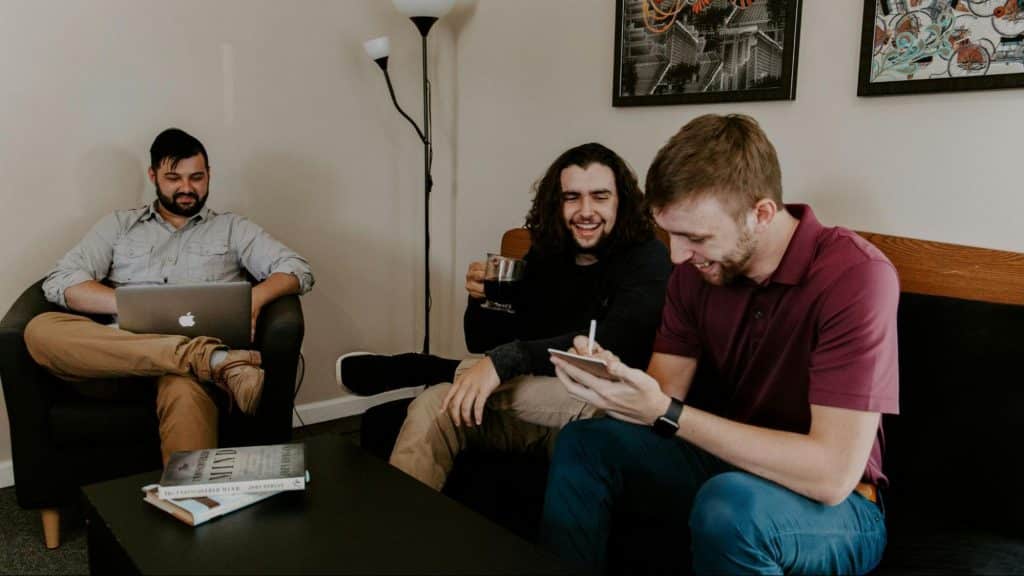
Toxic masculinity norms get actively reinforced, emotional repression is strength, vulnerability is weakness, traditional rigidity is valued. This masculinity-policing prevents healthy evolution. If emotional expression violates group masculinity code, toxic norms operate. The pattern means authentic humanity is forbidden. Healthy masculinity allows feelings. Toxic masculinity enforcement prevents growth. Rigid gender norms maintain immaturity. Mature masculinity includes emotional range.
Friends Mock Reading, Learning, or Intellectual Pursuits

Educational efforts, reading, learning new skills, or intellectual growth generates anti-intellectual mockery. This growth-discouragement maintains ignorance. If learning brings friend mockery, intellectual development is discouraged. The pattern means growth earns ridicule. Healthy friends support learning. Intellectual-mocking reveals anti-growth culture. Learning ridicule prevents development. Mature circles value knowledge pursuit.
Group Operates on Dominance Hierarchy Like High School

Friend dynamics involve pecking order, alpha positioning, or dominance games instead of equal mutual support. This hierarchy-maintenance prevents authentic connection. If a group has a ranking system with dominance dynamics, adolescent structure persists. The pattern means friendship involves competition not support. Healthy friendships are egalitarian. Dominance hierarchies are adolescent. Ranking systems prevent mature connection. Adult friendships involve equals not hierarchy.
Competition Extends to Wives, Houses, Careers Creating Pressure

Constant comparison and competition about possessions, partners, success creating pressure to perform. This competition-culture prevents authentic sharing. If friendships involve one-upping about life achievements, support is absent. The pattern means success comparisons replace connection. Healthy friends celebrate with each other. Competition culture prevents vulnerability. Comparison dynamics are immature. Mature friendships avoid competitive pressure.
Success in Life or Career Gets Downplayed or Resented

Achievements, success, or life progress generate resentment, downplaying, or subtle hostility from the group. This success-resentment prevents growth celebration. If achievements bring friend resentment not celebration, jealousy operates. The pattern means success threatens group dynamics. Healthy friends celebrate wins. Success-resentment reveals insecurity. Achievement hostility prevents sharing. Mature friends support success.
Group Expects Same Time Commitment as When Everyone Was Single

Friend expectations about availability, attendance, and priority haven’t adjusted for marriage, children, or adult responsibilities. This unchanged-expectation ignores life evolution. If a group expects single-person availability decades into marriage, adaptation is absent. The pattern means life changes don’t affect group demands. Healthy friendships evolve with life stages. Unchanged expectations are immature. Time demand rigidity prevents balance. Mature friends adjust expectations.
Missing Group Events Generates Guilt or Pressure

Not attending every gathering brings guilt-tripping, pressure, or resentment from the group. This attendance-pressure ignores competing priorities. If occasional absence generates significant friend reaction, control operates. The pattern means attendance is an obligation not a choice. Healthy friendships allow flexibility. Guilt-generation reveals immaturity. Attendance pressure is controlling. Mature friends respect competing priorities.
Friends Pressure You to Maintain Lifestyle Your Family Can’t Afford

Group activities involve expenses that strain the family budget but participation is expected to maintain belonging. This financial-pressure ignores economic realities. If keeping up with friends’ spending harms family finances, priorities are inverted. The pattern means friend belonging requires financial sacrifice. Healthy friends accommodate different budgets. Financial pressure reveals immaturity. Expensive-activity requirements exclude responsibility. Mature circles accommodate financial realities.
You Act Differently With Friends Than With Family

Personality, language, behavior, and values shift dramatically between friend group and family contexts. This personality-shifting reveals inauthenticity in one or both contexts. If the version of self with friends contradicts the family version, integration is absent. The pattern means living two separate identities. Healthy people maintain consistency. Dramatic shifting reveals immature identity. Context-dependent personality suggests neither is authentic. Mature people integrate across contexts.
Outgrowing Friends Who Won’t Grow Is Necessary Evolution
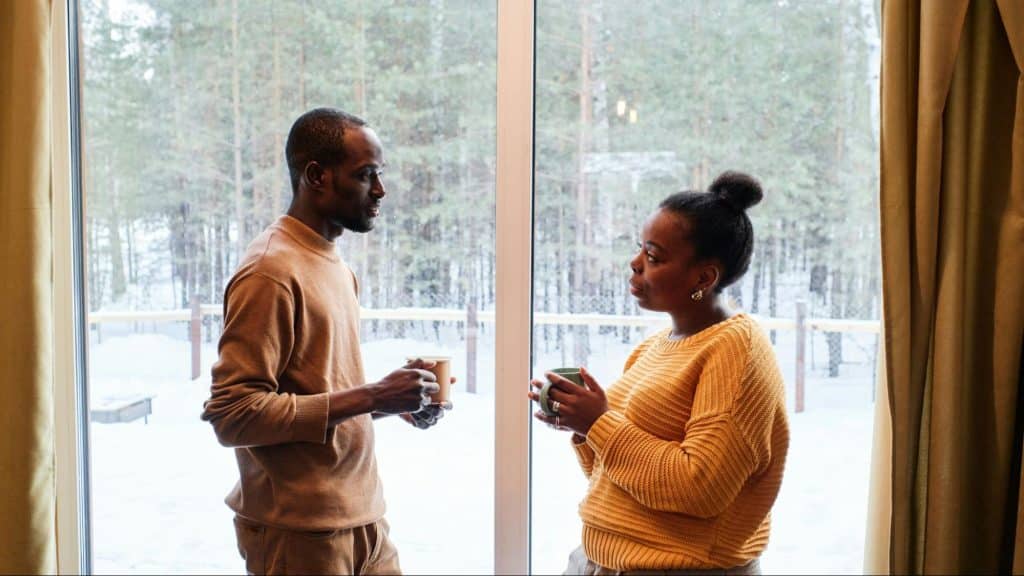
These seventeen signs reveal that friend groups can actively prevent maturity development through relationship undermining, responsibility discouragement, emotional growth prevention, toxic competition, and time priority disorders that maintain adolescent mentalities into middle age. Men remain stuck in immature patterns partly because friend circles mock evolution, celebrate stagnation, and punish growth through ridicule and rejection. If multiple signs resonate, the friend group is an immature-enforcement system requiring evaluation. Healthy friendships support growth, celebrate family commitment, encourage emotional development, and evolve with life stages. Toxic circles demand perpetual adolescence, mock adult priorities, and pressure choosing friends over family. At some point, choosing friends who prevent growth over family requiring growth becomes an immaturity indicator. Outgrowing friends frozen in adolescence is necessary for adult development. Mature men build circles supporting growth not enforcing stagnation.








Ask Me Anything