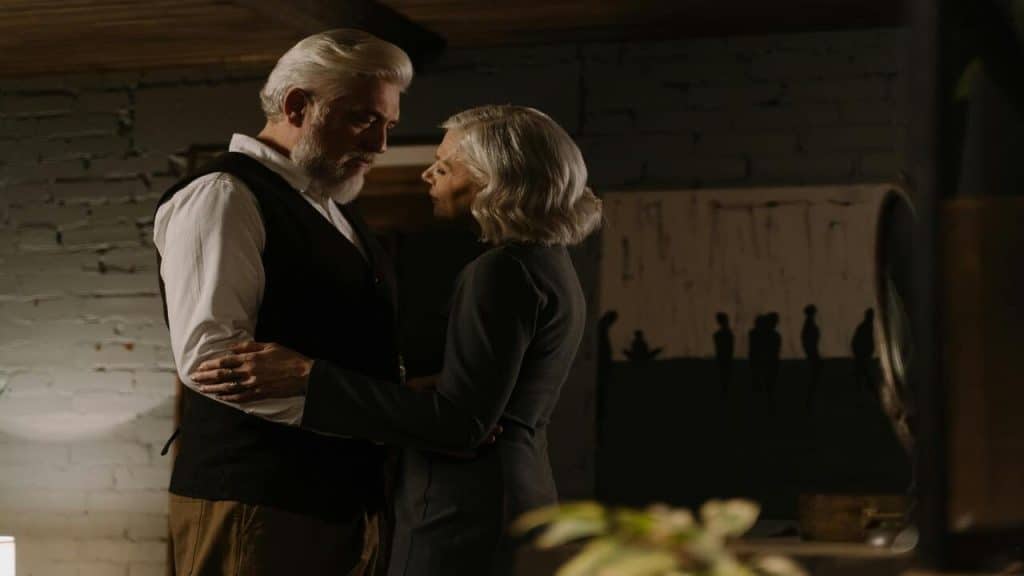
Men don’t always say outright when they feel disrespected. Instead, their behavior shifts—sometimes subtly, sometimes sharply. You’ll notice changes in how they communicate, how much effort they put in, and how they emotionally position themselves. These aren’t mind games; they’re protective reflexes.
The good news? Most of these signs are early warnings, giving you the chance to repair emotional safety before resentment builds. Here are the telltale patterns men fall into when they feel unheard or undervalued—plus practical ways to navigate them.
1. He Becomes Noticeably Short With You

When a man feels disrespected, his patience shrinks almost instantly. He’ll answer in short, clipped responses or shift into that “nothing’s wrong” tone that feels more like a wall than a conversation. This isn’t always anger—often, it’s his way of preventing conflict while still showing he’s hurt. The smartest move here isn’t to push or mirror the coldness; it’s to acknowledge the shift gently. Something simple like, “You seem distant—did something I said come off wrong?” can soften the tension and pull him back into the conversation.
2. He Stops Sharing What’s Really Going On

Men tend to shut down emotionally when they feel their voice doesn’t matter. If he once told you about work stress, personal goals, or internal struggles and now sticks to surface-level updates, that’s a sign he doesn’t feel safe opening up. Instead of accusing him of hiding things, create an environment where he feels respected again—ask questions without judgment, validate his perspective, and make space for his thoughts even if they differ from yours. Emotional safety is the gateway to emotional openness.
3. He Pulls Away Physically

Physical closeness is often tied to emotional respect for men. If he feels dismissed or belittled, he may retreat—fewer hugs, less casual touch, more sleeping on the edge of the bed. It’s not punishment; it’s self-protection. Rebuilding that closeness starts with restoring trust, not forcing affection. Try addressing the tension calmly, apologize if necessary, and give him reassurance without pressuring him to respond immediately. Respect is the bridge that rebuilds connection.
4. He Gets More Protective of His Personal Time

When a man feels respected, he naturally wants to share his time. When he feels disrespected, he starts reclaiming it—longer gym sessions, extended gaming time, or more solo errands. It’s his way of resetting his sense of autonomy. Instead of framing it as avoidance, ask yourself what boundary he’s trying to restore. A good approach is simply acknowledging it: “I’ve noticed you’ve been needing more space lately—want to talk about what shifted?” That shows emotional maturity and invites clarity.
5. He Responds With Sarcasm Instead of Honesty

Sarcasm is often a man’s safe way of expressing hurt without admitting vulnerability. He’ll make jokes with a sting, slip in comments that feel off, or use humor to mask his true feelings. Instead of firing back, call out the emotional truth behind it with curiosity, not accusation. Ask, “Is that how you’re actually feeling underneath the joke?” This helps him drop the shield and step into a more honest space.
6. He Starts Matching Your Energy Instead of Leading With His Own

When a man feels respected, he often leads with initiative—planning dates, initiating conversations, offering support. But disrespect pushes him into a reactive mode. He stops leading and starts mirroring. If you’re warm, he’s warm. If you’re cold, he’s colder. It’s his way of avoiding vulnerability while still staying connected. A simple shift—initiating warmth first—can break the cycle and show him the relationship is still a safe place.
7. He Becomes More Sensitive to Tone and Word Choice
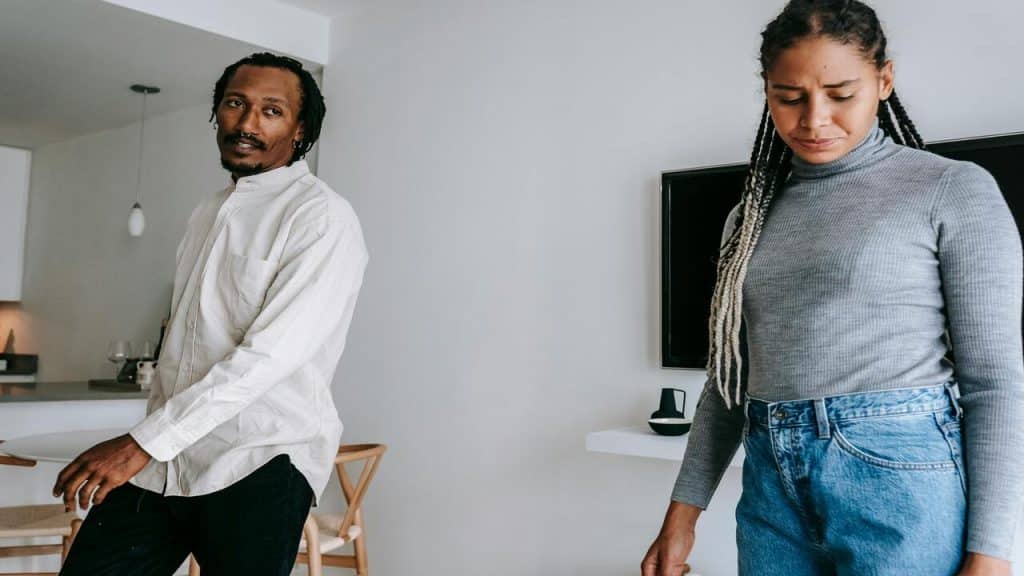
A man who feels disrespected starts hearing criticism everywhere, even where none is intended. Suddenly he reads deeper meaning into your tone, facial expressions, or offhand comments. This hyper-awareness is usually a sign he already feels fragile. You don’t need to walk on eggshells, but you can slow down your delivery, choose your words thoughtfully, and ask, “How did that come across to you?” It builds clarity and trust.
8. He Gets More Defensive Even Over Small Things
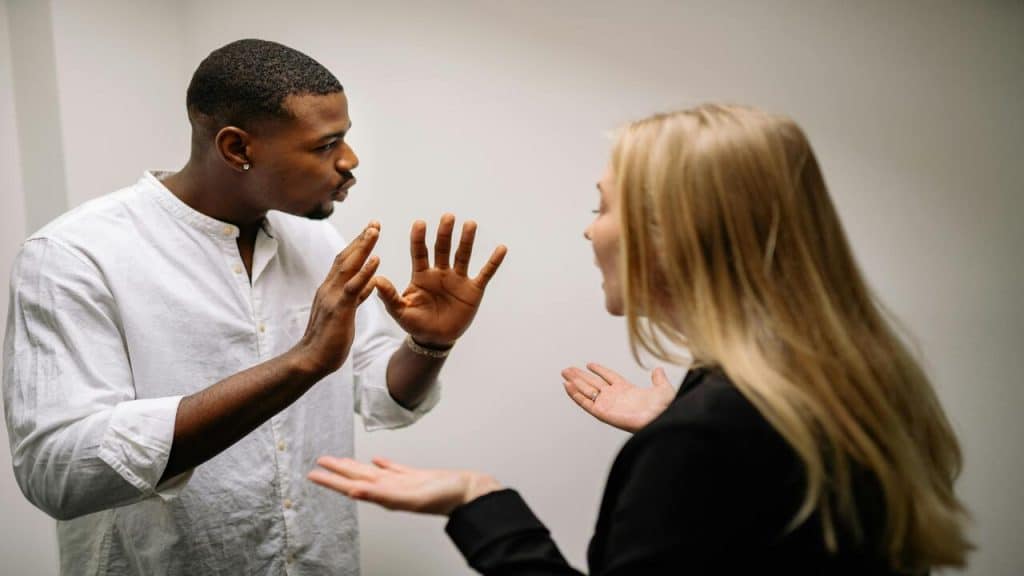
Defensiveness is often a man’s way of saying, “I don’t feel safe right now.” When he feels disrespected, even tiny suggestions or questions can feel like attacks. The key here isn’t to argue harder—it’s to de-escalate with reassurance. Try leading with appreciation before feedback, or clarify that your intention isn’t to criticize but to understand. You’ll be surprised how quickly his guard comes down.
9. He Starts Keeping Score

When a man feels disrespected, fairness suddenly becomes very important to him. He’ll notice who apologized first, who made the last effort, or who let things slide. Keeping score is a sign he feels like he’s giving more than he’s receiving. The antidote is reciprocity. Show you’re willing to meet him halfway, and the scoreboard in his mind resets naturally.
10. He Stops Going Out of His Way for You

The small gestures—grabbing your favorite snack, fixing something around the house, planning something special—start disappearing. Not because he stopped caring, but because effort without appreciation feels pointless. Acknowledgment fuels action. Even small expressions of gratitude can reignite his desire to show up for you.
11. He Avoids Conflict Instead of Tackling It Head-On

A man who feels disrespected often avoids tough conversations because he assumes they’ll lead to more conflict or more dismissal. Silence becomes his shield. You can help by setting a calm tone and framing conversations as teamwork, not confrontation: “I’m not against you—I want us to fix this together.” That alone can shift everything.
12. He Becomes More Private About His Plans
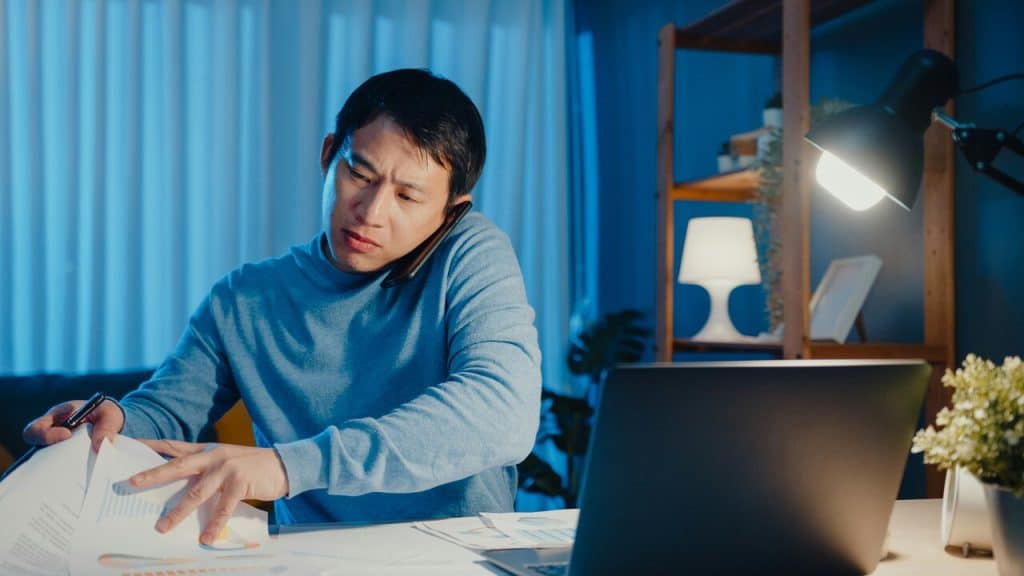
Disrespect makes him pull back his transparency. Suddenly his schedule becomes vague, and he stops volunteering details about his day. This isn’t always about hiding something; it’s often about regaining control. Creating a judgment-free atmosphere encourages him to reopen that window of communication.
13. He Clings Harder to His Independence
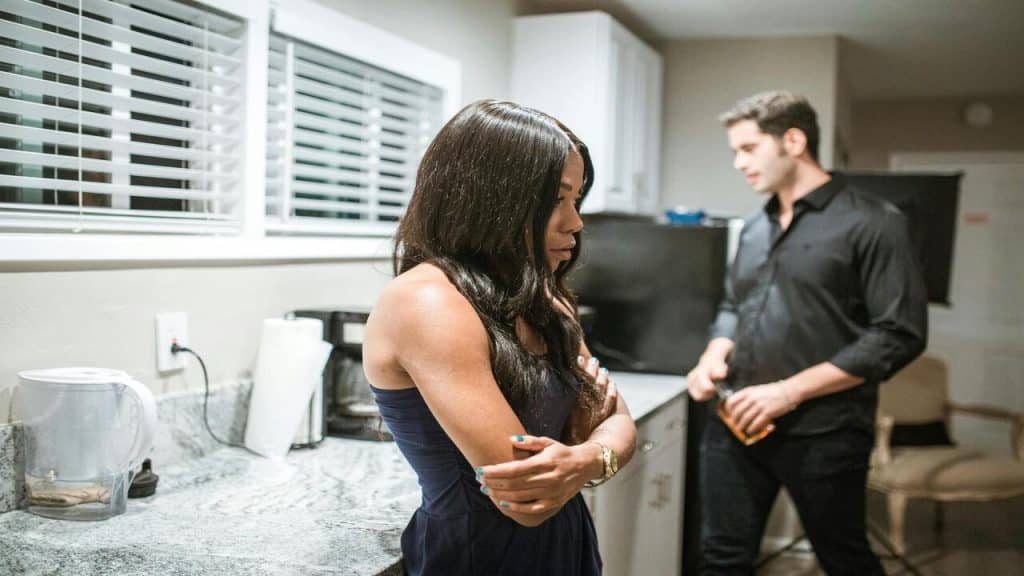
When a man feels disrespected, he often doubles down on independence. He’ll start making decisions solo, taking fewer suggestions, and leaning less on your input. He’s not rejecting you—he’s trying to rebuild his sense of self. Respect his autonomy while gently reinforcing partnership, and you’ll see him re-engage.
14. He Tests Whether You’ll Notice the Distance

Pulling back becomes a quiet test. He wants to know if the distance he’s feeling is mutual or if you’ll reach out. It’s not manipulation—it’s insecurity. If you care, show it. A simple, “Hey, you’ve felt a bit far lately. Are we okay?” goes a long way in grounding the relationship again.
15. He Looks for Validation Outside the Relationship

This doesn’t always mean flirting. Sometimes he pours himself into work, friendships, or hobbies because those areas give him the respect or recognition he’s missing. Instead of framing it as avoidance, see it as a signal: he wants to feel valued. Reinforcing appreciation and acknowledging his strengths helps pull him back in.
16. He Mentally “Checks Out” Before He Actually Leaves

Men often detach emotionally long before they physically walk away. You’ll notice less engagement, fewer questions about your life, and a general apathy. This is the stage where intervention matters most—address the emotional distance directly, not indirectly. Ask what he needs to feel respected and heard again.
17. He Eventually Stops Arguing Altogether

A man who still argues cares. A man who stops completely has reached emotional exhaustion. When disrespect feels repetitive or unresolved, he shifts from fighting for the relationship to quietly stepping back from it. If you reach this point, honesty, humility, and a willingness to rebuild trust are essential. A sincere conversation can revive a connection that still has life in it.








Ask Me Anything