
Emotional independence doesn’t show up as distance at first, it appears as subtle shifts in how she handles her inner world. She becomes quieter, more self-contained, and less reliant on the reassurance she once sought from you. These changes aren’t dramatic enough to spark concern, which is why they go unnoticed until the gap has already formed. Her stability begins coming from within rather than from the relationship, and while that growth isn’t negative, it can signal a change in her emotional direction. She stops looking to you as her primary anchor, not out of resentment but because she’s learning to stand without leaning. These shifts often unfold slowly, and by the time you recognize them, she may have already built an inner life that doesn’t revolve around the relationship. Emotional independence isn’t loud, it’s quiet, steady, and easy to misread if you’re not paying attention.
She Stops Seeking Reassurance for Things She Used to Ask You About

Where she once looked for your confirmation, approval, or opinion, she now makes decisions without checking in. This isn’t defiance, it’s a sign she no longer depends on external validation. She trusts her own judgment more than she trusts discussions meant to soothe uncertainty. The absence of questions may feel like ease, but it often signals emotional detachment in progress. She no longer needs the comfort she once relied on. This change means her emotional anchor is shifting inward rather than toward the relationship. It’s a quiet sign of growing autonomy.
She Processes Her Emotions Before Bringing Anything to You
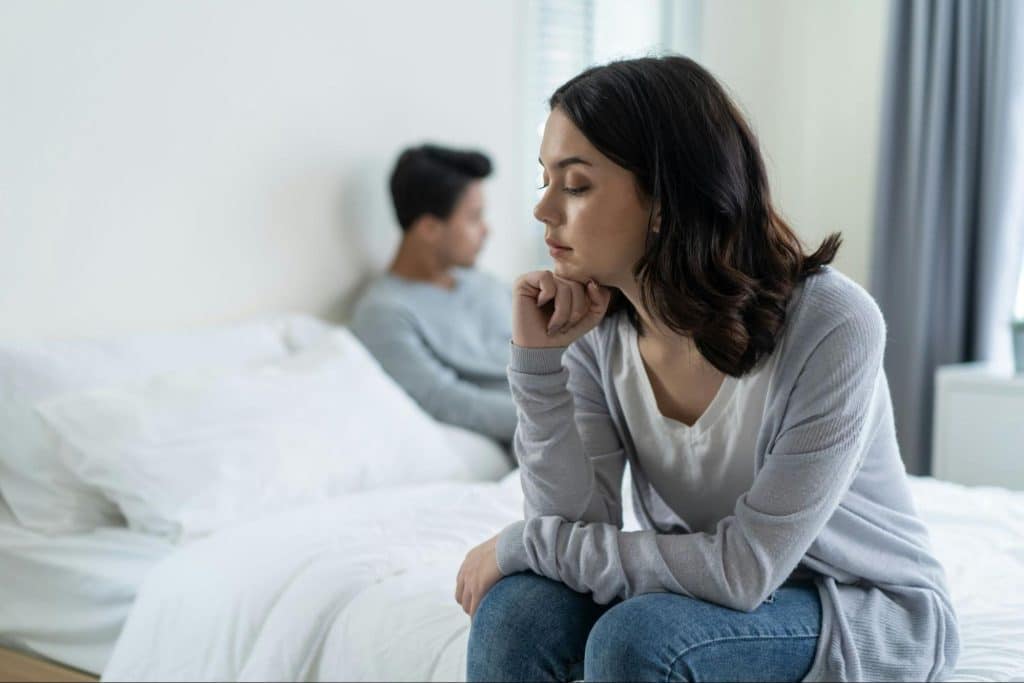
Instead of venting immediately or turning to you as her first outlet, she works through her feelings by herself. Conflicts that once resulted in conversations now lead to self-reflection she doesn’t share. She shows up calm, detached, or neutral, not because everything is fine, but because she resolved it without involving you. This may seem like maturity, but it can also mean she sees less value in sharing her internal experiences. She’s practicing emotional self-sufficiency. When she stops inviting you into her emotional process, it’s a sign she no longer feels the relationship is her primary space for support.
She Stops Overexplaining Herself When Something Feels Off

Women who still feel emotionally connected tend to explain, clarify, and articulate what they’re feeling. When she becomes independent, her explanations grow shorter and more factual. She no longer tries to soften her tone or provide context to avoid misunderstandings. She assumes you will either understand or you won’t, and she no longer expends energy bridging that gap. This isn’t coldness; it’s a shift in emotional investment. When her explanations shrink, her need for relational harmony shrinks with them.
Her Reactions Become Measured Instead of Emotional

What once triggered visible frustration, disappointment, or even excitement now gets met with controlled, calm responses. The emotional intensity decreases, not because she has less feeling but because she no longer shares all of it outwardly. She’s managing herself instead of expressing herself. That lack of reaction can feel peaceful at first, but it often indicates she’s withdrawing her emotional weight from the relationship. She’s learning to regulate alone rather than rely on you for connection during heightened moments. Neutrality becomes her shield.
She Starts Having Conversations That Don’t Require You to Participate
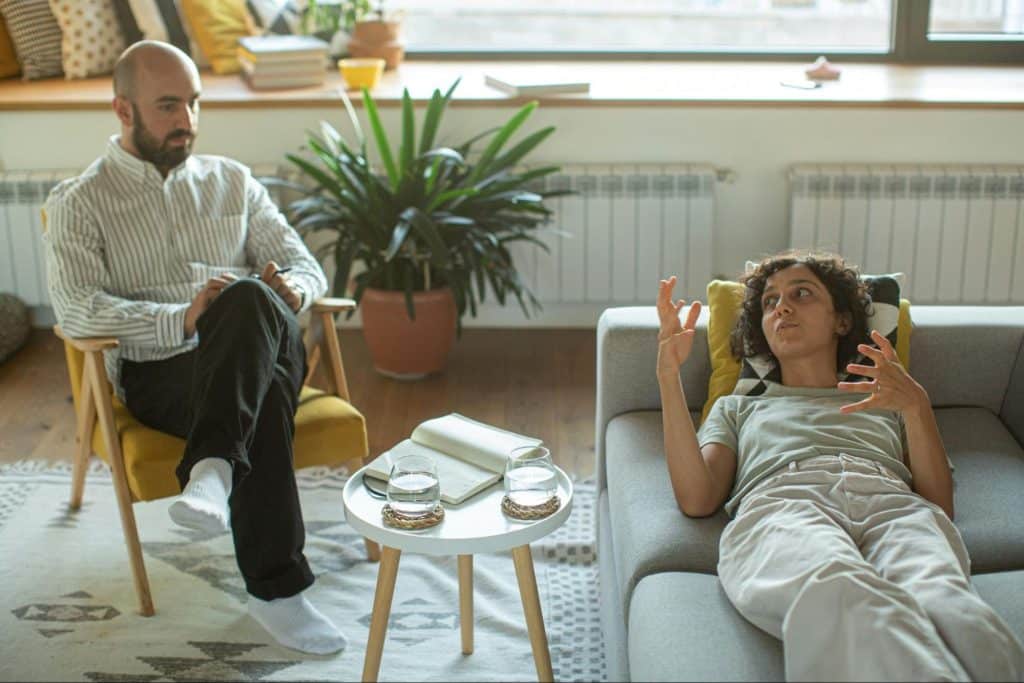
She stops waiting for shared discussions and instead talks about her interests, plans, or reflections without expecting feedback. It isn’t dismissive, it’s simply independent. She speaks as someone who no longer measures the relationship by how much communication flows through it. Her stories become updates instead of invitations to connect. She’s building a life parallel to yours, not intertwined with yours. This shift feels small until you realize the emotional partnership is slowly untangling.
She Finds Fulfillment in Spaces You’re Not Part Of

Her joy, comfort, and emotional grounding start coming from activities, routines, or communities that don’t involve you. It’s not escape, it’s expansion. But when her emotional nourishment happens elsewhere, the relationship stops being her main source of stability. She grows lighter, more centered, and more peaceful without your involvement. Over time, that emotional balance creates quiet distance. It’s independence wrapped in self-growth.
She No Longer Seeks Comfort From You During Stress

Stress that once led her to your arms now sends her toward solitude, hobbies, friends, or inner grounding. She’s managing her emotional world without leaning on you as her primary support. While it may look like strength, it can also signal that she has stopped expecting the relationship to hold space for her struggles. This shift reduces emotional intimacy, even though interactions remain polite or functional. She’s not pushing you away, she’s simply not reaching for you anymore. The absence of emotional reliance is one of the first quiet signals of distance.
She Becomes Less Reactive to Your Mistakes

Where she once voiced concerns, disappointment, or frustration, she now responds with acceptance or silence. She’s no longer fighting for improvement, she’s adapting independently. Her lowered reaction doesn’t mean she’s content; it means she’s emotionally detaching from outcomes tied to you. She has stopped expecting change and started adjusting herself accordingly. When she stops reacting, she stops investing.
She Starts Setting Boundaries Without Needing Them to Be Agreed Upon

Instead of negotiating compromises, she simply implements what she needs. These decisions might be small, like how she spends her evenings, or big, like how she manages her emotional energy. She no longer waits for validation or alignment. She’s protecting her inner peace on her own terms. Boundaries that no longer require discussion are boundaries created from independence, not partnership. This marks a significant shift in emotional dynamics.
She Doesn’t Rush to Respond or Engage Immediately

She answers when she has space rather than out of obligation or emotional closeness. Her pace becomes self-defined instead of relationally driven. This shift doesn’t indicate irritation, just independence. She prioritizes her mental and emotional bandwidth. It’s a sign that the relationship is no longer the center of her attention or her emotional reflex. That lack of urgency reveals quiet distance.
She Stops Trying to “Fix” Small Disconnects

Women invested in emotional closeness tend to patch misunderstandings quickly. When she grows emotionally independent, she lets small issues exist without immediate resolution. The relationship no longer feels fragile to her, nor does she feel responsible for maintaining emotional harmony. She adapts rather than corrects. Over time, this creates a calm but widening gap. Her silence becomes a sign that she’s no longer fighting for closeness.
She Handles Her Emotional Needs Before You Notice Them

She tends to herself, grounding, reflecting, or decompressing, without signaling that she’s overwhelmed or upset. You used to see clues before she said anything; now she tends to her inner world privately. This reduces emotional exchanges, even if the relationship still functions smoothly. She’s becoming her own first responder. Emotional independence emerges through self-soothing rather than shared expression.
She Becomes Comfortable With Emotional Distance

Periods of quiet, time apart, or reduced communication no longer bother her. She doesn’t interpret these gaps as relationship cracks, she interprets them as normal. This comfort with distance signals she’s shifted her emotional center inward. The relationship becomes one part of her life, not the core of it. What was once a disconnection now feels neutral rather than alarming. That neutrality is one of the clearest signs of emotional independence.
Her Happiness Feels Self-Sourced Rather Than Relationship-Based
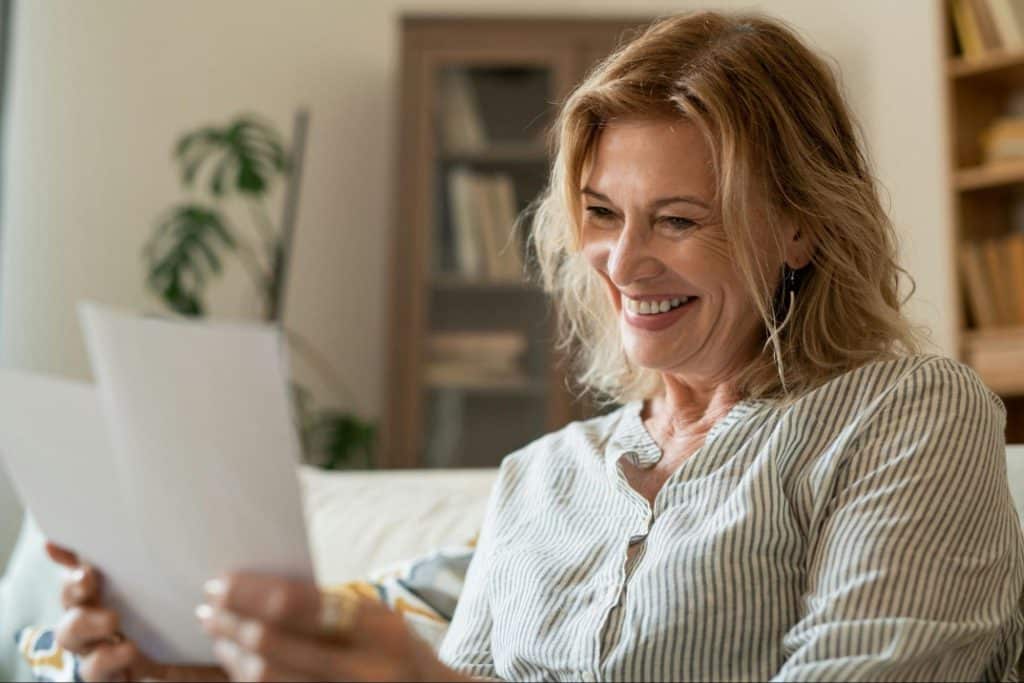
She smiles more, seems lighter, and carries herself with grounded confidence, but it doesn’t appear connected to anything you’ve done. Her joy is coming from her own progress, self-care, or personal clarity. The relationship isn’t diminished, but it’s no longer responsible for her emotional highs. She has built a stable inner foundation. When her happiness stops depending on partnership dynamics, it signals a major emotional shift.
She No Longer Looks to You to Define the Emotional Tone

She sets her own emotional atmosphere instead of mirroring yours. Whether you’re stressed, distant, or frustrated, she maintains her own energy. This independence feels peaceful, but it also reveals emotional detachment. She’s not matching you; she’s staying centered for herself. That separation of emotional rhythms is a key sign she’s standing alone, even while staying with you.
She Feels More Like Her Own Person Than Half of a Partnership

Her decisions, routines, emotional management, and personal growth all align around her individual identity. She still cares, but she no longer derives her sense of self from the relationship. The partnership becomes complementary, not defining. This shift doesn’t mean she’s leaving, it means she no longer relies on the emotional framework the relationship once provided. Independence becomes her foundation. And once she reaches that point, the emotional dynamics between you inevitably change.
CONCLUSION – Emotional Independence Isn’t Rejection, But It Can Become Distance

When a woman grows emotionally independent, it’s rarely a sign of anger, it’s a sign of quiet evolution. She’s learning to meet her own needs, regulate her own emotions, and build stability from within. But while this growth is healthy, it can shift the emotional balance of the relationship if unnoticed. Independence can turn into distance when the connection stops being nurtured from both sides. These signs aren’t warnings of loss; they’re signals inviting awareness. When you notice them early, you can rebuild intimacy instead of drifting further apart. Emotional closeness survives not by accident, but by recognition and response.








Ask Me Anything