
Few moments in dating are as quietly loaded as when the check hits the table. Everyone pretends it’s no big deal, but most people feel something in that moment. For a lot of men, paying for dates isn’t really about money. It’s about signals, expectations, and whether things feel fair or one-sided.
Modern dating hasn’t landed on one clear rule, and that’s where the tension comes from. Some men still lean traditional, others want balance, and many sit somewhere in the middle, depending on the situation. What follows aren’t rules or advice. These are honest viewpoints men share when the pressure to “say the right thing” is off.
Some Men Still Feel Paying Is Just Part of the Deal

For a lot of men, paying for dates feels automatic. It’s how they were raised, what they saw growing up, and what they believe signals interest and effort. Covering the bill feels like handling your side of things, not a sacrifice.
These men often don’t mind paying, especially early on. What bothers them isn’t the cost but the lack of appreciation when it’s expected instead of noticed. When it feels taken for granted, enthusiasm drops fast.
Paying for the First Date Feels Like Basic Courtesy
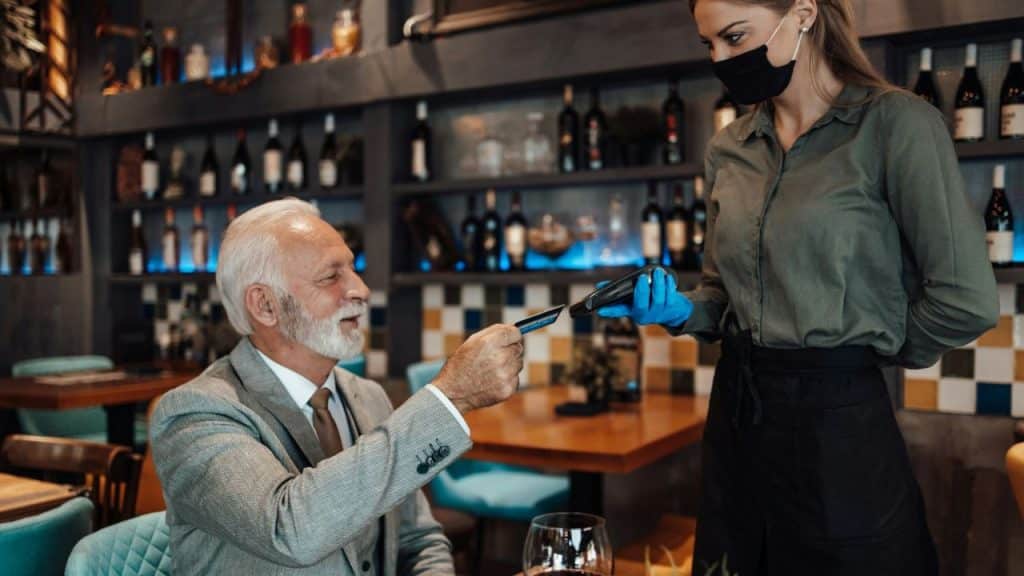
Many men draw a line at the first date. They’re happy to pay because it avoids awkwardness and keeps the focus on conversation, not calculations. It also feels like a clean way to start without making money the topic.
That said, most of these men don’t expect to keep paying forever. The first date is a gesture, not a long-term arrangement. If it turns into a pattern without discussion, resentment can creep in quietly.
Splitting the Bill Feels Fair to Some Guys
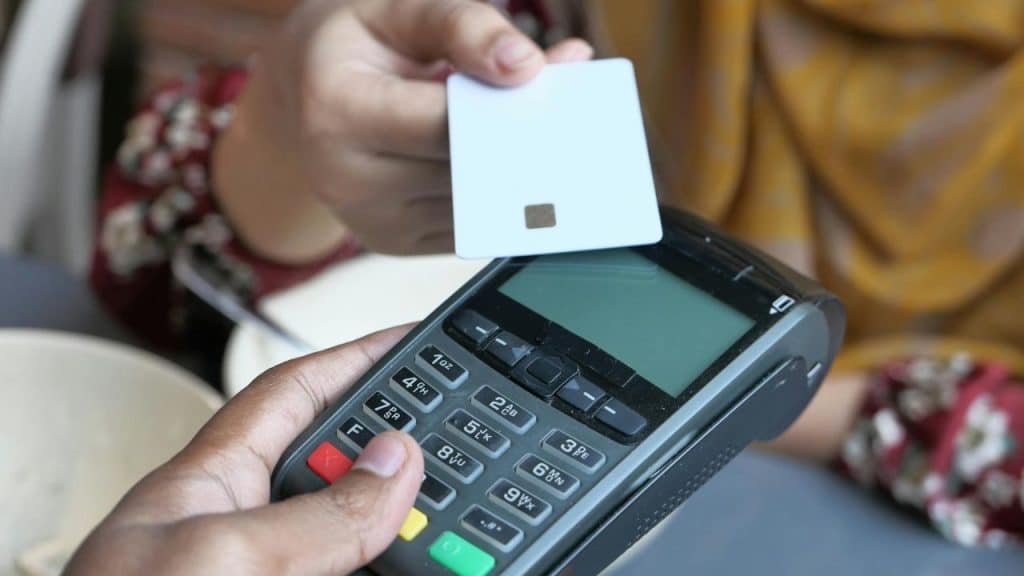
There are men who strongly prefer splitting the check from day one. For them, it signals independence and mutual respect. No one feels like they owe anything, and expectations stay clear.
This group often sees splitting as practical, not cheap. They’d rather build connection without financial pressure attached. If chemistry is there, money usually works itself out later.
Whoever Asks Should Pay

This idea comes up a lot because it feels logical. If you invite someone out, you’re offering the experience, so covering it makes sense. It removes gender from the equation entirely.
Men who like this rule say it keeps things clean and predictable. It also encourages people to be thoughtful about where they suggest going. Nobody invites someone to a pricey spot they can’t afford.
Taking Turns Feels More Natural Over Time

Some men don’t care about exact splits as long as effort balances out. One date you pay, the next she does. It doesn’t need to be tracked or announced.
This approach works best once dating becomes regular. It shows awareness without making money a negotiation every time. When it happens naturally, it feels easy and mature.
Income Differences Matter More Than Gender

For many men, who pays depends on who earns more. If one person clearly has more financial flexibility, it makes sense for them to cover more often. That’s not about roles, just reality.
Problems start when income differences are ignored or assumed. Men are more comfortable paying when it feels situational, not expected because of gender alone.
The Offer to Pay Counts More Than the Payment
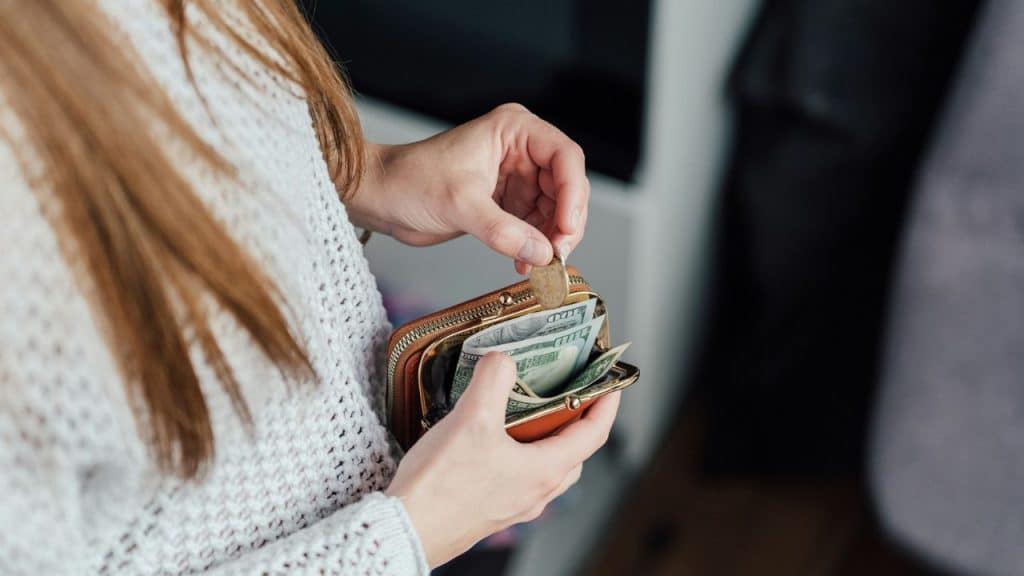
A common theme among men is this: the offer matters. Even if they fully plan to pay, seeing the other person reach for the check changes how it feels.
It signals awareness and respect. When there’s no offer at all, some men interpret it as entitlement. The gesture alone often does more than the actual money.
Some Men Factor in Hidden Costs
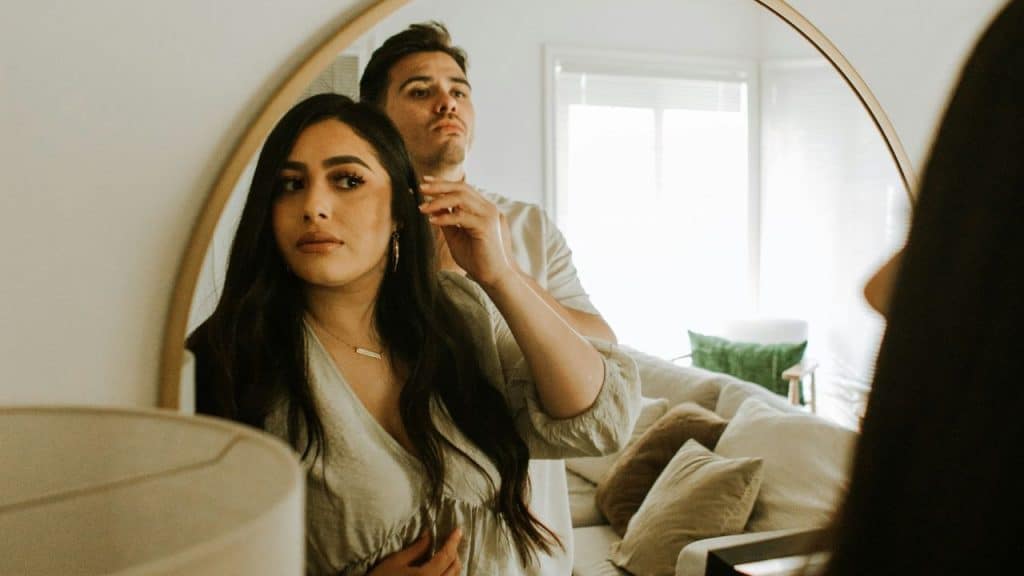
A few men acknowledge that dating can cost women money, too. Clothes, grooming, and preparation aren’t free. Paying for dinner can feel like balancing that out.
These men don’t see paying as being taken advantage of. They see it as part of the overall effort on both sides. Still, they appreciate it when that effort goes both ways.
The Fear of Being Used Is Real

Not every concern is irrational. Some men worry about being treated as a free meal, especially early on. Even if it doesn’t happen often, the possibility lingers.
This fear isn’t always about money. It’s about sincerity. When interest feels genuine, paying rarely feels like a problem.
Low-Pressure Dates Change the Conversation

Many men avoid the issue entirely by choosing simpler dates. Coffee, walks, or casual drinks remove the financial tension. Nobody feels awkward, and expectations stay light.
When the cost is low, who pays matters less. It keeps early dating focused on connection instead of performance.
Cultural Backgrounds Shape Expectations

Men from different cultures often bring different assumptions into dating. In some backgrounds, splitting the bill feels rude. In others, expecting someone else to pay feels outdated.
Misunderstandings usually happen when neither side talks about it. What feels polite to one person can feel uncomfortable to another.
Generational Gaps Play a Role

Older men often grew up with clearer roles around dating. Younger people tend to see things as more flexible. When those worlds collide, confusion happens fast.
Men dating across age ranges notice this shift more clearly. Expectations aren’t wrong, just different.
Paying Can Be About Control for Some Men

A smaller group admits that paying gives them a sense of control. It makes them feel in charge of the situation.
This isn’t always unhealthy, but it can become one if it creates an imbalance. Most men recognize that money shouldn’t buy influence or obligation.
Conversations About Money Usually Come Too Late

Many men say the problem isn’t paying itself. It’s never talking about expectations. Assumptions build quietly until someone feels annoyed without knowing why.
When couples finally talk about it, the issue often disappears. Silence is what causes friction, not the check.
There’s No Single Rule That Works Every Time

After all the opinions, one thing becomes clear. Men don’t actually agree on one rule. Context matters more than ideology.
What works on one date or with one person might not work with another. The healthiest situations are usually the ones where effort, awareness, and respect feel balanced without keeping score.








Ask Me Anything