
Respect in a relationship rarely shows up as one grand gesture. It usually appears in small, repeatable choices that protect dignity, trust, and emotional safety. When respect is real, it stays present during stress, disagreements, and everyday routines. The signs below focus on observable behaviors, not assumptions about motives. Not every healthy relationship looks identical, but consistent respect tends to follow recognizable patterns. These 19 behaviors highlight what steady respect often looks like in day-to-day life.
She Keeps Her Tone Clean in Tense Moments
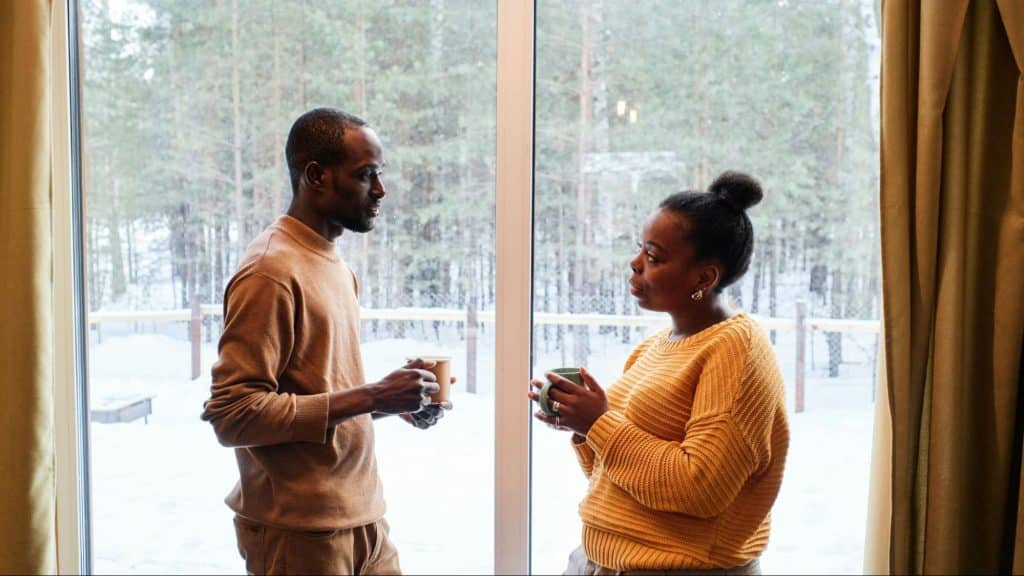
Respect shows up in how conflict is handled, not just how affection is shown. When emotions rise, a respectful partner avoids insults, mocking, or demeaning language. Disagreements can still be direct, but the delivery stays controlled and adult. This protects the relationship from lasting damage caused by contempt. It also makes problem-solving possible instead of turning every issue into a power struggle. Consistent tone is often a stronger sign of respect than constant agreement.
She Doesn’t Use Private Info as a Weapon

A respectful partner treats vulnerable details like something to protect, not leverage. Personal insecurities, mistakes, or past confessions are not brought up to “win” an argument. Even when hurt, she avoids exposing sensitive information to embarrass or dominate. This creates emotional safety and reduces the fear of being honest. Trust becomes stronger when boundaries around privacy are stable. Respectful love does not punish openness.
She Acknowledges Effort Without Making It a Competition

Respect includes recognizing effort even when the outcome isn’t perfect. A respectful partner can show appreciation without turning it into a scoreboard. Appreciation is not rationed to control behavior or demand payback. This reduces resentment and keeps goodwill alive in everyday life. When effort is seen, motivation stays healthier on both sides. Respect grows when contributions are valued, not audited.
She Speaks About You with Basic Dignity When You’re Not There

How a partner talks about the relationship to others says a lot. Respect shows up when she avoids humiliating jokes, public put-downs, or sharing embarrassing details for entertainment. Venting can happen in healthy ways, but it stays measured and selective. She chooses trusted outlets rather than turning the relationship into group gossip. This protects reputation and reduces unnecessary outside influence.
She Stays on the Issue Instead of Attacking Character

Respectful conflict targets the problem, not the person. Instead of using labels like “lazy” or “selfish,” she keeps the conversation tied to specific situations. This lowers defensiveness and keeps discussions more productive. It also protects emotional safety because disagreements don’t become personal destruction. When character attacks are removed, compromise becomes easier to reach. Respect doesn’t erase conflict, it keeps conflict fair.
She Allows a Pause Instead of Forcing Instant Resolution

Not every disagreement needs to be solved immediately. A respectful partner can accept a time-out when emotions or fatigue are making things worse. She does not treat a pause as abandonment or a tactic to punish. The break is used for cooling down, not disappearing. This approach prevents escalation and helps both sides return more grounded. Respect includes knowing when to stop the damage before it spreads.
She Owns Her Part Without Turning It into a Performance

Accountability is one of the clearest signs of respect. When she is wrong, she can admit it without deflecting, minimizing, or shifting blame. The focus stays on repair rather than on who looks better. This does not mean constant self-blame; it means honest ownership of choices. A respectful apology shows up in changed behavior, not just softer words. Responsibility strengthens trust faster than perfection ever could.
She Repairs After Arguments Instead of Letting Coldness Linger

Some couples argue, but respectful couples know how to come back together. She makes room for reconnection after tension rather than using silence as control. Repair can look like a calm check-in, a clear plan, or a simple gesture that signals openness. This prevents the relationship from becoming emotionally unsafe over time. Lingering hostility often builds distance faster than the argument itself. Respect shows up in the willingness to rebuild the bridge.
She Doesn’t Police Your Identity to Feel Secure

Respect includes allowing a partner to remain an individual. She does not demand personality changes, hobbies, or friendships be dropped just to reduce her anxiety. Boundaries can be discussed, but they are not used to shrink someone’s life. This supports confidence rather than creating dependence. Healthy relationships make room for autonomy alongside commitment. Respect does not require control to feel safe.
She Accepts “No” Without Punishing You for It

A respectful partner can hear a “no” and stay mature about it. Disappointment may happen, but guilt trips, sulking, or retaliation are not the default response. This includes boundaries around time, intimacy, social plans, and emotional bandwidth. When “no” is safe, “yes” becomes more meaningful and honest. Consent and mutual choice stay intact. Respect means boundaries are treated as normal, not as betrayal.
She Respects Your Time and Doesn’t Treat It as Optional

Respect often shows up in punctuality and planning. She makes reasonable effort to be on time, communicate delays, and honor commitments. This is not about rigid perfection; it is about valuing someone’s time as real. Reliable communication prevents unnecessary frustration and mind-reading. Consistent disregard for time can quietly communicate indifference. Respect is often measurable in small logistics.
She Encourages Growth Without Mocking Your Ambitions

Respect supports forward movement. She may challenge unrealistic plans, but she does it without ridicule or dismissiveness. A respectful partner doesn’t belittle goals to keep the relationship comfortable or to avoid change. Instead, she speaks honestly while still wanting you to win. This can look like practical help, thoughtful feedback, or steady encouragement. Respect helps ambition feel possible, not embarrassing.
She Is Transparent About What Matters

Respect includes clarity, especially around topics that affect stability. She does not hide important information and then blames you for reacting. Transparency might involve money decisions, major plans, boundaries with other people, or shifting expectations. This reduces suspicion and keeps the relationship grounded in reality. It also allows both sides to make informed choices. Respect is not secrecy with good intentions.
She Avoids “Testing” You to Prove a Point

Some people create traps to confirm fears or gain leverage. A respectful partner chooses direct communication over secret tests, jealousy games, or manufactured scenarios. She does not use confusion as a tool to measure devotion. This keeps the relationship simpler and emotionally safer. Trust grows faster when honesty replaces manipulation. Respect prefers clarity over control.
She Doesn’t Keep Score to Justify Future Disrespect

Scorekeeping turns love into debt collection. A respectful partner can address imbalance without stockpiling old mistakes as ammunition. She talks about needs and fairness instead of building a case file. This prevents resentment from becoming a permanent lens. It also makes improvement feel possible rather than doomed. Respect focuses on solutions, not domination.
She Handles Money Conversations Without Power Plays

Financial respect matters, even in small decisions. She avoids shaming someone’s income, spending, or background. If disagreements happen, they become planning discussions rather than status battles. She can talk about budgets, priorities, and trade-offs without using money to control outcomes. This keeps the relationship stable and reduces hidden resentment. Respect is fairness, not financial superiority.
She Lets You Have Feelings Without Labeling You as Weak

Respect includes emotional permission. She does not mock vulnerability or treat emotions as something “unmanly” or inconvenient. This does not mean she must agree with every feeling, but she allows them to exist. A respectful partner can listen without immediately correcting or dismissing. Emotional safety increases honesty and reduces emotional shutdown. Respect is not comfort only when someone looks strong.
She Doesn’t Use Affection as a Bargaining Chip

Affection should not feel like a reward system. A respectful partner avoids withholding warmth solely to force compliance or punish mistakes. Boundaries around intimacy are valid, but they are communicated clearly and responsibly. When affection becomes leverage, trust erodes fast. Consistent respect keeps closeness connected to care, not control. Love works better when it isn’t traded like currency.
She Protects Your Dignity Even When She’s Disappointed

Disappointment happens in every relationship. Respect is shown when she addresses issues without humiliating, shaming, or tearing down self-worth. She can be honest about frustration while still recognizing the person in front of her. This preserves dignity and makes change more likely. People improve faster when they feel respected, not crushed. Respectful love corrects without cruelty.
Conclusion: What These 19 Behaviors Have in Common

Respect is not a single gesture, it is a pattern of choices that stays steady under pressure. Many of these signs revolve around emotional safety, fairness, and the refusal to use power tactics. A respectful partner can disagree, set boundaries, and express needs without demeaning or controlling. These behaviors also protect long-term attraction because dignity remains intact. When respect is consistent, the relationship feels less like a contest and more like a partnership. And when respect disappears, even strong feelings often struggle to carry the relationship alone.








Ask Me Anything