
Life doesn’t slow down just because you’re stressed. Deadlines, conflicts, disappointments, and unexpected curveballs can pile up until you feel like you’re running on fumes. That’s why self-soothing is such a crucial skill–it’s not just about calming yourself in the moment but about regaining control of your emotions so you can think clearly and act wisely. Unlike quick fixes like scrolling on your phone or pouring a drink, real self-soothing techniques work with your nervous system to bring balance and peace. And the best part? They’re practical, simple, and always within reach.
Here are 18 powerful strategies that can help you steady your mind and body when life gets overwhelming.
1. Practice Deep, Box Breathing
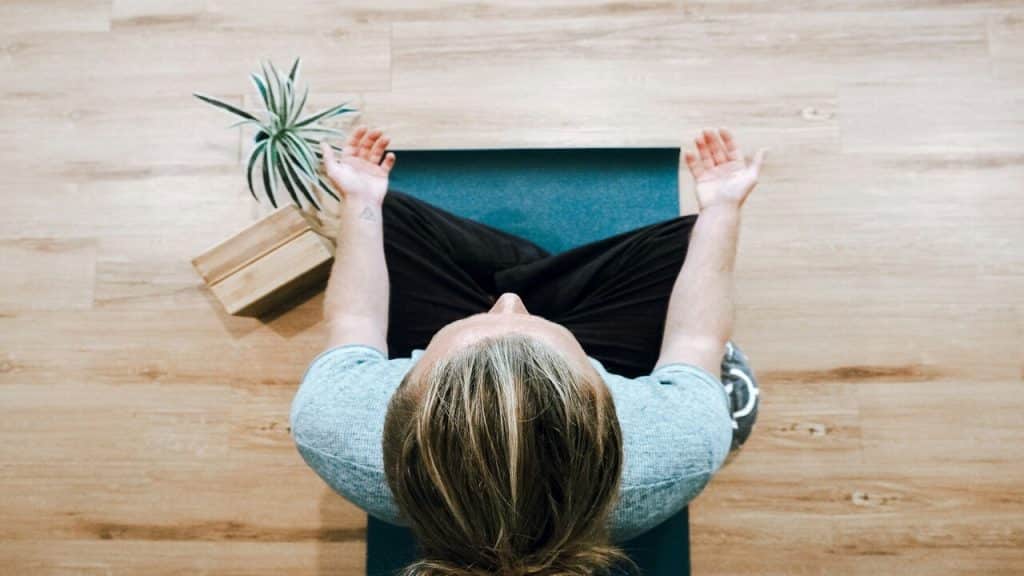
Breath is the most accessible tool you have for calming your body. Box breathing–inhale for four counts, hold for four, exhale for four, hold for four–can bring your heart rate down and help your brain exit panic mode. It works because it activates your parasympathetic nervous system, signaling safety to your body. Try it for three minutes the next time you feel overwhelmed and notice how quickly your muscles unclench.
2. Use Cold Water to Reset

If your stress feels like it’s hijacking your body, splash cold water on your face or run your wrists under icy water, or take a swim in the morning. The sudden change in temperature jolts your system out of fight-or-flight and helps you ground yourself in the present. Some people even keep a small ice pack or cold compress nearby for moments like this. It’s simple but surprisingly effective.
3. Create a Calming Playlist

Music has a direct line to your emotions. A curated playlist of calming songs–whether that’s acoustic guitar, lo-fi beats, or nature sounds–can soothe your nervous system within minutes. Instead of relying on random shuffle, build a playlist in advance so you don’t have to make choices when you’re already stressed. Think of it as your emotional first-aid kit in audio form.
4. Use Grounding Through Your Senses

When your thoughts spiral, your senses can pull you back to reality. Try the “5-4-3-2-1” technique: name five things you see, four you feel, three you hear, two you smell, and one you taste. This pulls your brain away from what-ifs and into the here and now. Grounding works best when you commit fully–pause, look around, and let yourself experience your environment deeply.
5. Keep a Weighted Blanket Nearby

The deep pressure of a weighted blanket can instantly make your body feel safer. It’s like a steady hug that communicates calm to your nervous system. Use it when you’re trying to sleep after a stressful day or when you need to relax on the couch. If you don’t have one, even wrapping yourself in a tight comforter can mimic the same effect.
6. Write a Stream-of-Consciousness Journal
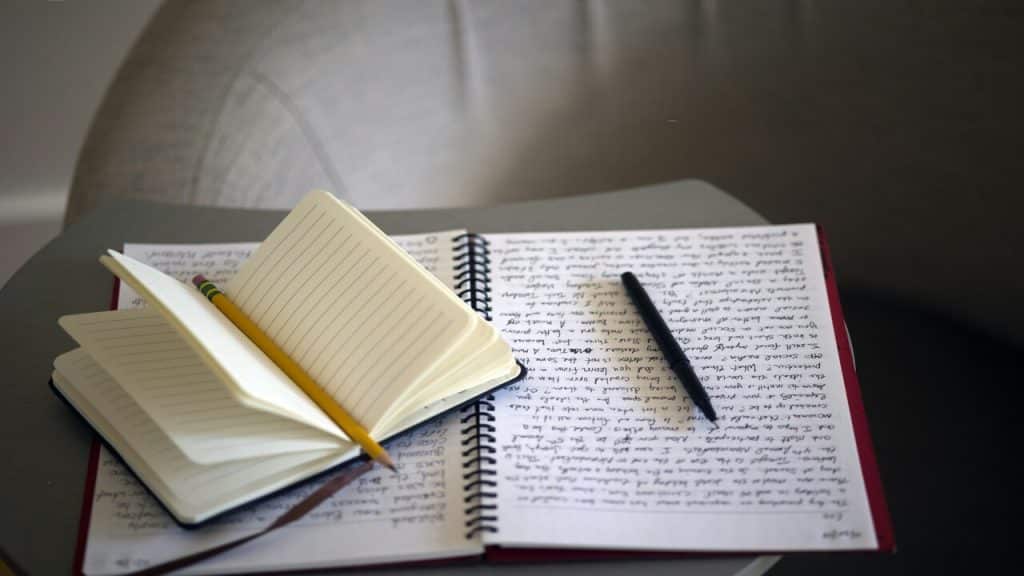
Sometimes what you need is to let everything out without editing. Stream-of-consciousness journaling–writing nonstop for 5–10 minutes–helps you release the pressure valve in your mind. You don’t need perfect grammar or neat handwriting; you just need honesty. By putting thoughts on paper, you create space in your head for clarity and calm.
7. Take a Walk in Fresh Air

Movement clears mental fog. A short walk, especially outside, regulates stress hormones and helps you process emotions without sitting in them. If you can, leave your phone behind and pay attention to your surroundings–the sway of trees, the sound of traffic, or even the rhythm of your own footsteps. This mindful walking practice can reset both body and mind.
8. Try Progressive Muscle Relaxation

Tension often hides in your body without you realizing it. Progressive muscle relaxation involves tensing each muscle group for a few seconds, then releasing. Start at your toes and move up to your head. This not only relieves hidden tightness but also signals your body that it’s okay to let go. You’ll often finish feeling lighter and more grounded.
9. Use Aromatherapy Intentionally

Scent is powerful–it bypasses logic and hits emotion directly. Essential oils like lavender, peppermint, or eucalyptus can trigger a soothing response within seconds. Whether it’s a candle, diffuser, or a rollerball you keep in your bag, make scent part of your stress toolkit. Just the ritual of pausing to inhale deeply can shift your mood.
10. Limit Stimulation with a Tech Break

Screens bombard you with noise, colors, and notifications that keep your nervous system buzzing. One of the most underrated self-soothing tools is simply stepping away from your phone or computer. Set a timer for 20 minutes, turn everything off, and notice how your body reacts. Often, stillness is the reset button you didn’t realize you needed.
11. Hug Yourself (Literally)

It may sound silly, but wrapping your arms around yourself and applying gentle pressure can calm your body. It mimics the safety of human touch and can be especially helpful if you’re alone during a stressful moment. You can even combine it with slow breathing for extra grounding. Self-touch isn’t weakness–it’s a powerful form of self-compassion.
12. Practice Visualization

Close your eyes and imagine a safe, calming place–maybe a beach, a childhood home, or even a fictional setting. Visualization works because your brain often responds to imagined experiences as if they’re real. Add details: What can you hear, smell, or touch in that safe space? The richer the imagery, the more effective the calming effect.
13. Sip Something Warm

A warm drink–tea, hot cocoa, or even warm lemon water–can soothe your body from the inside out. The act of holding a mug, inhaling the steam, and taking slow sips slows down your pace. Avoid caffeine if you’re trying to calm down, but otherwise, use the ritual of making and enjoying a warm drink as a mini-reset.
14. Use Gentle Movement or Stretching

Your body stores stress physically. Stretching your shoulders, rolling your neck, or doing a few yoga poses can ease tightness and improve blood flow. Don’t think of it as exercise but as releasing stuck energy. Five minutes of gentle movement can leave you feeling clearer and more in control of your emotions.
15. Anchor Yourself with a Comfort Object

Children aren’t the only ones who benefit from comfort objects. Having something tactile–a soft scarf, a smooth stone, or even a favorite hoodie–can provide instant grounding. When you’re stressed, your body craves familiarity and safety. Carry a small object with you as a reminder that you’re okay, even when life feels chaotic.
16. Repeat Calming Affirmations Out Loud

What you say to yourself shapes how you feel. Create a few go-to affirmations like “This feeling will pass” or “I am safe right now.” Speaking them aloud engages both your voice and ears, reinforcing the message more strongly than silent thoughts. It’s not about magical thinking–it’s about retraining your inner dialogue toward calm.
17. Engage in a Simple, Absorbing Task

Focusing on a small, engaging task–like folding laundry, coloring, or even doing a puzzle–can pull you out of mental chaos. These activities create a sense of control and rhythm, which your nervous system craves when stressed. The key is to choose something low-stakes and repeatable, not something that adds more pressure to your plate.
18. Call or Text a Trusted Friend

Sometimes the most soothing thing is connection. Reaching out doesn’t have to mean a heavy conversation–just a quick “thinking of you” text or a short phone call can ease feelings of isolation. Social support regulates stress hormones and reminds you that you’re not alone in what you’re feeling. Even if you don’t share all the details, the act of connecting can ground you.








Ask Me Anything