
If you’ve never heard of the term “secure attachment” and how it can affect all your relationships–not just romantic ones–today is your lucky day. Think of it as the emotional wiring that influences how you love, trust, and connect. Whether you tend to pull away, chase love, or feel steady in your bonds, attachment plays a role. And the more you understand it, the better your chances of building relationships that feel safe, connected, and emotionally satisfying.
Here’s your primer on all things secure attachment–what it is, why you need it, and how you can get it.
1. Attachment Theory 101
Attachment theory is simply the idea that the way you bonded with your earliest caregivers shapes how you connect with others as an adult. If your needs were met consistently, you likely developed a secure attachment style. But if love felt conditional, unpredictable, or unavailable, you may have adapted in ways that now cause disconnection. This isn’t about blame–it’s about understanding your blueprint, so you can decide what still serves you and what doesn’t.
2. Early Childhood and Formative Years

Research shows that babies and young kids don’t just need food and shelter–they need emotional responsiveness. When a child’s cries are answered, their stress systems learn to regulate. But when those emotional needs are met with neglect, anger, or inconsistency, the child learns to adapt in ways that can hinder intimacy later. If this was your experience, therapy can help unpack those early scripts and build new, healthier ones.
3. Secure vs. Insecure Attachments
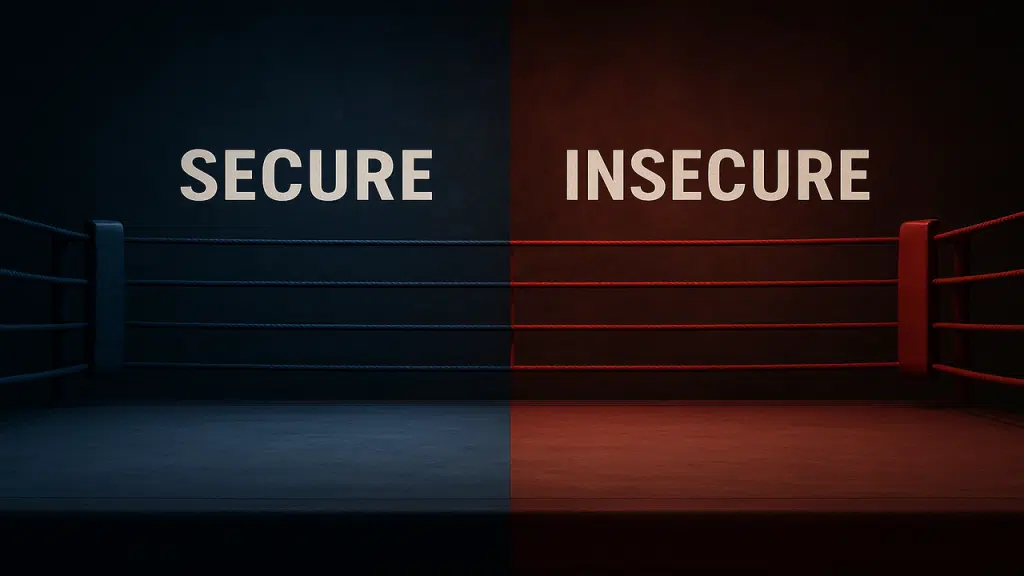
There are two main categories of attachment: secure and insecure. Within insecure attachment, there are subtypes–but in general, insecurely attached people struggle with trust, closeness, or emotional stability in relationships. Securely attached people aren’t perfect, but they feel comfortable with intimacy and independence. They’re not constantly chasing connection, nor are they running from it.
4. Anxious-Preoccupied Attachment

This type of insecure attachment is marked by a deep fear of abandonment. You might overthink texts, feel easily rejected, or worry you’re “too much” for someone. You may crave closeness but feel perpetually uncertain it will last. If you grew up with inconsistent caregivers–sometimes present, sometimes withdrawn–this pattern might feel all too familiar. Learning to self-soothe and build internal safety is key.
5. Dismissive-Avoidant Attachment

Another type of insecure attachment, dismissive-avoidant individuals often pride themselves on being independent to a fault. They might shut down during conflict, feel smothered by emotional needs, or equate closeness with weakness. If you were taught not to rely on anyone, this stance might have helped you survive–but in adulthood, it can block real connection. Therapy can help you feel safe enough to open up.
6. Fearful-Avoidant Attachment

Also another sub-category of insecure attachment, this one is the push-pull cycle in full force. You crave connection but fear it at the same time. You might idealize someone one day, then emotionally shut down the next. This style is often linked to unresolved trauma, especially from abusive or chaotic homes. The healing here usually requires deep self-work–and often, the guidance of a trauma-informed therapist.
7. The Goal: Secure Attachment

To be securely attached is to believe–in every fiber of your being–that someone can love you and will stick by you no matter who you are or what mistakes you make. It’s a felt sense of safety in relationships. You don’t have to be perfect to be loved. You can be vulnerable without fear of rejection. This is the ultimate relationship flex–not being cold, distant, or hyper-independent, but being emotionally available and solid.
8. How to Build Secure Attachment

The good news? Secure attachment is not impossible. Here are some ways to work toward it: Learn how to self-regulate during conflict, reflect on your triggers instead of reacting, and practice open, honest communication. Journaling, support groups, and especially counseling can help rewire old patterns. You weren’t taught this stuff–but you can learn it now.
9. Why So Many Men Struggle

Men in particular struggle with secure attachment because if we’re being honest, it wasn’t properly modeled to us. According to the recent statistics, so many men grow up without emotionally attuned fathers, or are told to “man up” instead of being comforted. Vulnerability was framed as weakness. So it’s no surprise that opening up now feels foreign or risky. But strength isn’t in silence–it’s in emotional courage.
10. How Secure Attachment Shows Up in Dating

Here are some ways secure attachment can show up in casual dating relationships: You’re able to be yourself without fear of abandonment. You can handle rejection without spiraling into shame. You don’t try to “win” someone over with performance–you just show up. You’re curious about others, but not obsessed with how they feel about you. You don’t need to control the outcome to feel okay.
11. What It Looks Like in a Relationship

If you’re in a committed relationship and want to feel and be more securely attached, pay attention to how you communicate. Do you allow your partner to be close? Can you stay connected during conflict without shutting down or blowing up? Secure attachment doesn’t mean no problems–it means problems don’t threaten the entire relationship. You repair, not retreat.
12. Emotional Regulation and Attachment

Emotional regulation plays a massive part in secure attachment. If you grew up with chaos, your nervous system might be conditioned to either explode or shut down. Learning to sit with difficult emotions–without acting on them impulsively–is a skill. Breathwork, mindfulness, therapy, or even just naming what you’re feeling out loud can be huge. It builds trust with yourself and with others.
13. The Role of Childhood Trauma

Unfortunately, many of us undergo emotional trauma we don’t even recognize as trauma. Being yelled at, ignored, or forced to act tough? That leaves a mark. These early wounds often lead to protective strategies that block secure attachment. But understanding trauma isn’t about blaming your past–it’s about freeing yourself from it. Professional support, especially from trauma-informed counselors, can be life-changing.
14. Secure Attachment in Family and Friendships

Did you know that secure attachments can also show up in platonic relationships? You feel safe setting boundaries, showing emotion, and trusting others to have your back. You don’t ghost your friends when things get hard, and you can handle disagreements without burning bridges. These friendships aren’t just bonus connections–they’re key places where emotional security can be built and practiced.
15. Myths About Secure Attachment

Now that we know a bit more about secure attachment and what it is, let’s discuss what it’s not. It’s not being emotionally perfect, always calm, or never needing others. It’s not being clingy or distant either. Some guys think secure people are boring or overly sensitive–but in truth, they’re grounded. They don’t need drama to feel connected. And no, you’re not “soft” for wanting that kind of stability.
16. How to Know You’re Becoming Securely Attached
Like everything about healing, it’s all about progression, not perfection. You’ll know you’re becoming more secure when you stop second-guessing your worth in relationships. When you can communicate clearly–even during conflict. When you trust someone to stay without needing to test them. And most importantly, when you feel safe being your full self, even if that self is still healing.
17. Relating to Insecure Partners

If you feel like you’ve somehow gained the skill of secure attachment and your partner hasn’t, here are some compassionate ways to show up for them: Validate their feelings without trying to fix them, model calm communication, and set boundaries without punishment. But remember: It’s not your job to save them. Encourage therapy, be consistent, but don’t sacrifice your peace to carry their pain.
18. Final Thoughts

At the end of the day, secure attachment is a tool and a skill–and it’s entirely possible to embody it. You weren’t born broken. You just learned strategies that helped you survive, but now keep you from fully connecting. With reflection, support, and often professional guidance, you can change those patterns. You deserve relationships that feel steady, not shaky. And you’re not too late to build them.








Ask Me Anything