
It’s not that happy couples never disagree–it’s that they’ve mastered how to disagree without destroying the peace. The most harmonious couples know how to balance honesty with kindness, assertiveness with empathy, and individuality with teamwork. They don’t bottle things up or go to war over every irritation. Instead, they’ve built quiet, consistent habits that keep their relationship grounded, respectful, and calm.
Here are 17 things those couples do differently–and how you can learn from them.
1. They don’t let small irritations grow into big resentments

Couples who rarely fight know how to catch annoyances early before they turn toxic. Instead of silently fuming when their partner forgets to take out the trash or leaves wet towels on the bed, they mention it calmly and directly. They don’t make it about character (“You’re so lazy”) but about behavior (“Hey, can you remember to hang the towel next time?”). This keeps tension from piling up like emotional clutter and prevents everyday frustrations from turning into long-term bitterness.
2. They know when to pause a conversation

Arguments usually escalate when both people feel unheard. The calmest couples recognize when emotions are running too high and choose to pause before saying something regrettable. They might say, “Let’s take a break and come back to this later.” It’s not avoidance–it’s emotional regulation. Cooling off gives both partners space to think clearly and return to the discussion with empathy instead of ego.
3. They assume the best, not the worst

People who don’t fight often operate from a mindset of trust. They assume their partner means well, even when something comes out wrong. Instead of interpreting a forgotten text as “They don’t care,” they think, “They must be busy.” This default to goodwill keeps the relationship from spiraling into suspicion or defensiveness. It’s not blind optimism–it’s choosing connection over paranoia.
4. They express their needs clearly

Many arguments happen because one person expects the other to just “know” what they need. Happy couples skip the guessing games. They communicate their wants in plain language–“I’d really appreciate it if you helped me with dinner tonight”–rather than expecting mind reading. Clarity eliminates confusion and resentment, turning potential fights into quick adjustments.
5. They validate each other’s feelings

Validation doesn’t mean agreeing–it means acknowledging. Calm couples have learned to say things like, “I can see why that upset you,” even if they don’t share the same perspective. It’s a small phrase that has massive power. When people feel understood, they stop fighting to prove a point and start listening again. Emotional safety often diffuses tension before it explodes.
6. They use humor to defuse tension

The couples who rarely fight often laugh their way out of potential arguments. They don’t mock or minimize–but they use shared humor as a bridge back to connection. A playful “Okay, you’re totally right–again,” said with warmth, can turn a brewing fight into a shared grin. Laughter interrupts defensiveness and reminds both partners they’re on the same team.
7. They talk about issues before they’re issues

Instead of waiting for problems to explode, peaceful couples do preventative maintenance. They check in about money, intimacy, or stress before things get tense. They treat their relationship like a garden–regular care, pruning, and honest conversation keep it thriving. This proactive approach prevents the emotional equivalent of weeds from taking over.
8. They fight the problem, not each other

When conflict happens, calm couples shift the focus from blame to teamwork. Instead of “You always make us late,” they say, “How can we make mornings smoother?” It’s a subtle but powerful reframing that turns the disagreement into a shared mission. Fighting the problem together builds unity, while fighting each other breeds resentment.
9. They know how to apologize–and mean it

A sincere “I’m sorry” can heal what long arguments never could. Couples who don’t fight much understand that an apology isn’t about admitting weakness–it’s about choosing peace over pride. They don’t tack on excuses or defensiveness. A genuine apology says, “You matter more to me than being right,” and that’s what keeps trust intact.
10. They keep score–in positive ways

Happy couples do notice and “keep score,” but only of the good things. They mentally tally moments of kindness, appreciation, and effort, not slights or failures. This creates a culture of gratitude that overshadows minor annoyances. When you constantly notice what your partner does right, small mistakes stop feeling like betrayals.
11. They respect each other’s stress

Couples who rarely fight know when stress is the real culprit. They don’t take a bad mood personally or pile on when their partner is overwhelmed. Instead, they offer space or comfort: “Rough day? Want to talk or just relax?” This awareness prevents emotional misfires and creates a sense of partnership rather than pressure.
12. They choose their battles wisely

Not every disagreement deserves airtime. Mature couples understand that peace is sometimes more valuable than being right. They ask themselves, “Will this matter in a week?” before reacting. By saving energy for what truly matters, they keep their relationship light and drama-free.
13. They maintain their individual lives

Couples who don’t fight understand that space strengthens love. They nurture friendships, hobbies, and personal goals outside the relationship. This balance keeps them from suffocating each other and prevents emotional dependency, which often fuels tension. When both partners are fulfilled individuals, the relationship stays resilient.
14. They don’t weaponize the past

One of the quietest habits of peaceful couples is their ability to leave the past where it belongs. They don’t bring up old arguments or mistakes during new ones. This creates an atmosphere of forgiveness and trust. When both people know that errors won’t be used as ammunition, they feel safer being honest in the present.
15. They repair quickly after conflict
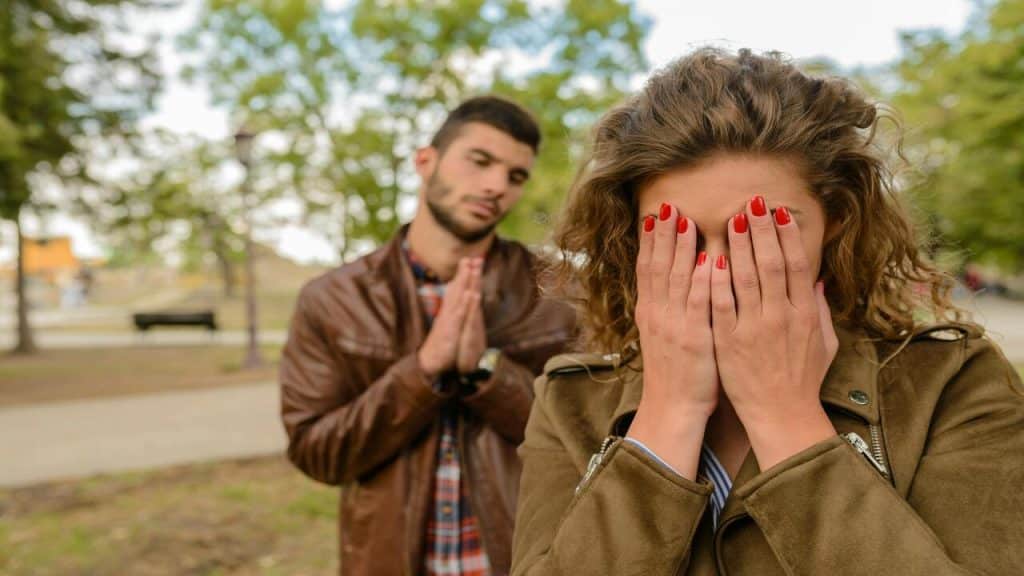
Even harmonious couples argue sometimes–but they don’t let distance linger. They reach out first, whether with a hug, a message, or a small gesture of affection. Repairing quickly tells the other person, “We’re okay.” That simple reassurance keeps disagreements from hardening into disconnection.
16. They nurture friendship first

At the core of every peaceful relationship is a deep friendship. These couples genuinely like each other–they share jokes, respect differences, and have fun together. Friendship softens the edges of conflict and creates a foundation strong enough to weather miscommunication. The more friendship you invest in, the less fighting feels necessary.
17. They see their relationship as a partnership, not a power struggle

Couples who rarely fight understand they’re on the same side. They don’t compete for control or keep emotional scorecards. Instead, they make decisions with shared respect and common goals. When both people view the relationship as teamwork–not territory–the need to “win” fades. What remains is harmony rooted in mutual care and trust.








Ask Me Anything