
At midlife, moving in together can feel like the ultimate shortcut to love. You have used dating apps, survived the divorce, and are tired of starting over. So when a new relationship feels good, cohabitation is the logical next step. But rushing into it does not just change your address. It rewires how you see yourself, your partner, and your future. The excitement can mask red flags that only show up once real life moves in with you.
You Lose The Slow Burn That Builds Real Attraction

When you move in too fast, the mystery disappears overnight. Attraction thrives on anticipation, not constant availability. You stop dressing up, flirting, and choosing each other on purpose. Comfort replaces desire before chemistry has time to deepen. You start feeling like roommates instead of lovers. The relationship skips important emotional milestones. Over time, you may miss the chase you never allowed to happen fully.
Old Divorce Patterns Quietly Sneak Back In

You think you learned your lessons, but habits move in with you. Unresolved control issues resurface when shared space triggers old arguments. You react instead of respond because the setup feels familiar. Emotional shutdowns you swore were gone reappear. Your nervous system recognizes the environment before your logic does. Without meaning to, you replay dynamics from your last marriage. The relationship is starting to feel heavier than it should.
You Blur the Line Between Love and Convenience

Living together makes everything easier on paper. Bills get split, and loneliness fades fast. But convenience can disguise emotional incompatibility. You may stay because leaving feels disruptive, not because it feels right. Effort drops when proximity does the work for you. You confuse shared routines with shared values. Over time, comfort traps you in something that no longer excites you.
Small Annoyances Turn Into Daily Friction

What felt cute at first becomes irritating fast. The way she leaves dishes out or takes calls on speaker starts to get under your skin. There is no space to cool off after a bad day. Minor issues pile up because you never get a break. Resentment grows quietly in shared silence. You start craving alone time but feel guilty wanting it. Friction replaces fun faster than expected.
You Stop Showing Up As Your Best Self

Dating brings out your intentional side. Living together too soon removes that edge. You stop planning dates because you already see each other. Personal routines slip when boundaries disappear. You prioritize comfort over growth without noticing. Your drive dims as routine takes over. Attraction often follows effort, and effort fades when it feels optional.
Financial Stress Enters the Relationship Early

Money becomes real once rent and utilities are shared. Different spending habits surface immediately. One of you may feel like you are carrying more weight. Financial resentment creates emotional distance fast. You argue about priorities instead of dreams. Stress replaces excitement before trust fully forms. Money issues feel heavier when emotional foundations are still thin.
You Miss Red Flags You Would’ve Seen With Time

Time reveals patterns that early chemistry hides. Rushing into cohabitation compresses that discovery phase. You normalize behavior that should have raised questions. Emotional availability issues blend into daily routines. You adapt instead of assess. Red flags feel harder to address once your lives are merged. By the time you notice them, disentangling feels exhausting.
Sex Becomes Predictable Faster Than You Expect

Living together changes sexual energy quickly. Spontaneity drops when schedules blend. Desire struggles under constant proximity. Stress from shared responsibilities bleeds into intimacy. You stop flirting because access feels guaranteed. Sex becomes routine instead of intentional. Reigniting the spark later takes more effort than building it slowly.
You Lose Personal Space That Supports Masculine Energy

Space fuels clarity and confidence. Without it, you feel mentally crowded. You have less time to process emotions on your own. Solitude that once grounded you disappears. Irritation rises when you cannot reset privately. Masculine presence thrives on autonomy, not constant merging. Without space, you feel off balance without knowing why.
You Tie Your Identity Too Quickly to the Relationship

Moving in fast blends identities before they stabilize. You stop checking in with your own needs. Decisions become about us before you are ready. Your social life narrows without intention. You may feel lost if conflict escalates. Independence fades quietly. Reclaiming it later feels harder than protecting it early.
Conflict Escalates Because There’s No Exit Ramp

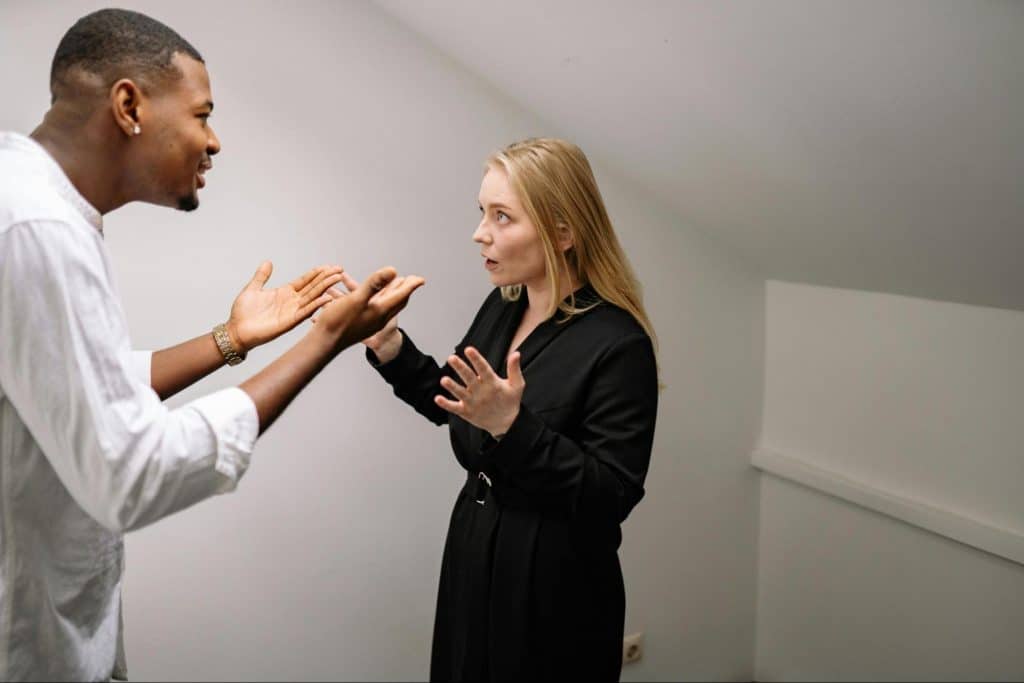
Arguments feel bigger when you cannot step away. You fight tired, stressed, and emotionally flooded. There is no natural pause to reset. Minor disagreements turn into long nights of tension. You say things you would not have said with space. Repair becomes harder without distance. Conflict feels heavier than it should be.
You Skip the Relationship Vetting Phase

Dating is meant to test compatibility. Co-habitation rushes past that process. You stop observing and start adjusting. You accept compromises before confirming alignment. Questions go unasked because life feels busy. You assume instead of clarifying. Vetting after moving in feels backward and risky.
Your Friends Notice Changes Before You Do

Friends see shifts you overlook. You cancel plans more often. Your energy feels different to them. They may hesitate to speak up. You dismiss concerns as overreaction. Distance grows without discussion. Outside perspective fades when your world shrinks. That isolation makes clarity harder.
Breakups Become Messier and More Expensive

Ending things feels complicated when lives are merged. Logistics replaces emotional processing. You argue about furniture instead of feelings. Staying feels easier than leaving. Fear keeps you stuck longer than love. Breakups hurt more when practical stress piles on. Recovery takes longer than it should.
You Delay Real Commitment Instead of Deepening It
Ironically, rushing in can slow genuine commitment. You feel trapped instead of chosen. Pressure replaces the desire to build long-term plans. You hesitate to take the next step because this one felt rushed. Doubt creeps in quietly. Commitment grows best when it feels earned. Speed often creates hesitation, not security.
You Realize Too Late That Timing Matters as Much as Chemistry

Chemistry pulls you in fast. Timing determines whether it lasts. Midlife relationships need intention, not urgency. You need space to integrate love into a full life. Rushing ignores emotional readiness on both sides. When timing is off, even great connections struggle. Slowing down protects what could actually work.








Ask Me Anything