
Not everything that looks productive actually fuels progress. In fact, some routines praised by society for being “disciplined” or “efficient” quietly wear down mental stamina. Men often take pride in being consistent and getting things done, but when every hour is packed, it can lead to burnout masked as busyness. The routines listed here aren’t inherently bad, they just come with a hidden toll. Recognizing these quiet energy drains is the first step toward reclaiming bandwidth and building smarter habits.
Overplanning Every Hour of the Day

Mapping out every minute seems efficient, until it backfires. When there’s no room for spontaneity, even small disruptions feel overwhelming. The brain starts associating structure with stress. Instead of clarity, the constant scheduling creates mental rigidity. It can leave little room for rest, joy, or genuine creativity.
Answering Messages Immediately

Being responsive can feel like responsibility. But constantly checking texts, emails, and DMs hijacks your focus. Each “quick reply” breaks concentration and creates low-grade anxiety. Over time, it builds a reflexive urgency that leaves no space for deep thinking. What looks like staying connected might actually be keeping you mentally fragmented.
Multi-Tasking to Speed Things Up

Handling two things at once may feel efficient, but it often doubles mental fatigue. The brain constantly switches gears, creating micro-delays that add up. Instead of doing more, you’re draining more. It also affects memory and long-term focus. Mono-tasking, though slower on paper, often gets better results with less stress.
Endless To-Do Lists Without Prioritizing

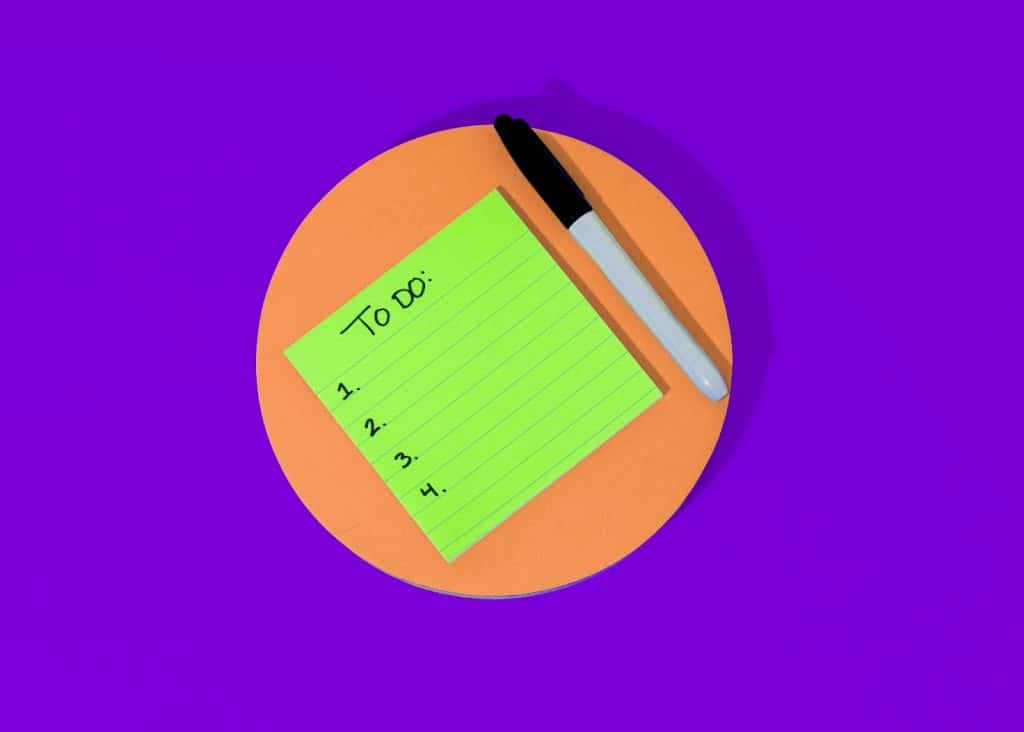
Writing down everything you need to do feels productive. But a to-do list without priorities is just a stress dump. Staring at 15 unchecked boxes causes overwhelm and guilt. Mental energy is burned just deciding where to start. Without a clear “what actually matters,” the list becomes a mental anchor.
Starting the Day with Social Media

Scrolling in the morning feels casual, but it hijacks attention before the day begins. Algorithms serve emotionally charged content that primes anxiety or comparison. Even short sessions rewire the brain to crave stimulation. Instead of a calm start, your mental energy gets hijacked before breakfast.
Saying Yes to Every Request

Being helpful feels noble. But constant people-pleasing leads to emotional exhaustion. Each “yes” becomes a micro-commitment, something your mind must track. Eventually, bandwidth is spread too thin, and you start losing steam without knowing why. Protecting energy means learning when to politely decline.
Working Through Breaks

Skipping lunch or working straight through the afternoon may feel like commitment. But breaks aren’t laziness, they’re maintenance. Without them, the brain never resets. Fatigue compounds, mistakes increase, and motivation plummets. Short pauses can do more for productivity than an uninterrupted eight-hour grind.
Checking Progress Too Often

Constantly reviewing results, steps walked, calories burned, followers gained, creates performance anxiety. Even goals meant to motivate can become mental clutter. Progress-tracking should guide, not dominate. When every action is tied to numbers, it stops being nourishing and starts being pressure.
Having a “Productivity Playlist” On All the Time

Music boosts focus, for a while. But nonstop audio stimulation can wear on the brain. It leaves no space for silence, daydreaming, or natural thought flow. Especially for men working solo or remotely, sound fatigue can sneak in disguised as productivity.
Consuming Too Many Self-Improvement Tips

Self-help can inspire, but constant advice intake can feel like homework. It creates a sense of “not doing enough,” even when you are. The brain shifts into overanalysis mode, questioning every habit instead of living it. Sometimes less input creates more clarity.
Using Willpower Instead of Systems

Relying on motivation to push through every task drains quickly. Without systems or structure, willpower becomes a finite fuel. Eventually, things fall apart, not because of laziness, but because of exhaustion. Smart routines should make life easier, not require daily grit.
Cleaning as a Way to Avoid Rest

Tidying up can feel like taking control. But when it replaces rest, it’s just another form of avoidance. Over-cleaning can be a masked stress response. It gives the illusion of order while silently draining mental reserves. Rest is not earned by exhaustion, it’s required for renewal.
Batching Every Little Task

Batching is a common efficiency strategy. But when it’s applied to everything, emails, errands, chores, it can create unrealistic demands. Holding off on small things until there’s a pile becomes mentally burdensome. Sometimes, doing a task immediately is less stressful than saving it for later.
Trying to Maximize “Dead Time”

Listening to podcasts during walks, scheduling calls during commutes, these habits feel efficient. But turning every moment into input time leaves no mental recovery space. Silence can feel unproductive, but it’s necessary for emotional regulation. Not every moment has to be optimized.
Living by Habit Trackers

Habit tracking apps can build consistency, but also create stress. Missing a day may trigger guilt disproportionate to the habit. Over time, it can make routines feel performative rather than meaningful. Structure is helpful, but only if it leaves room for grace.
Filling All Free Time with “Low-Effort” Tasks
Folding laundry while watching a show. Reading emails while eating lunch. These double-task routines feel harmless but erode presence. Constant partial attention leads to shallow satisfaction and deeper fatigue. Free time isn’t free if it’s always slightly productive.
Taking on One Too Many “Growth Projects”

Learning to code, starting a side hustle, mastering meal prep, all good goals. But when they pile up, even self-improvement becomes a burden. Trying to evolve in every area at once spreads mental energy too thin. Growth thrives with focus, not overload.
Comparing Productivity with Others

Seeing someone’s 5 a.m. gym selfie or Sunday prep routine can trigger insecurity. But productivity isn’t a competition. Measuring yourself against curated routines burns energy in doubt. The only useful metric is your actual well-being. Not someone else’s highlight reel.
Refusing to Adjust When Tired (Conclusion)

Real productivity includes rest. When the brain sends signals of fatigue, pushing harder isn’t strength, it’s avoidance. Adjusting your routine isn’t giving up, it’s strategic energy management. The most successful routines are the ones that sustain you, not the ones that deplete you. Listen to your body. Smart adjustments today prevent total burnout tomorrow.








Ask Me Anything