
So, you’ve got feelings… but the second someone gets too close, your brain hits the “run for your life” button? That’s avoidant attachment. You crave love, but also low-key panic when it actually shows up. You’re not broken, you’re just wired for self-protection. Avoidants pull back to keep their independence intact even when they care deeply. But you can still be romantic without losing yourself and freaking out.
Start With Micro-Gestures

Romance doesn’t need to be roses and fireworks every time. Shoot her a sincere text, brew her favorite coffee in the morning, or just send a random meme you know she’ll laugh at. Those tiny moves are your emotional safety net. Psychologists call these “micro-moments” or “bids for connection,” and how you respond to them can really shift closeness (ignoring them repeatedly creates small rifts). For avoidants, micro-gestures lower the barrier. They’re less scary than big confessions.
Let Affection Be on Your Terms

If big hugs make you flinch, that’s totally fine. But disappearing entirely isn’t. Try sprinkling in small, real moments of touch or just being present (a hand on her back, leaning in while chatting). Tiny cues like these communicate more than you think. Studies show that even routine affection boosts relationship satisfaction, even for those with more avoidant styles. Emotional connection grows from consistency.
Share Something Real (Without Oversharing)

You don’t have to unload your childhood trauma over dinner. Just keep it honest. Try saying, “Hey, I’m not great at this, but I’m trying,” instead of a full emotional dump. Research shows avoidants open more when the other person introduces vulnerability gently rather than all at once (soft communication reduces defensive withdrawal). It’s about giving just enough access to your real self so she knows you’re not hiding behind walls.
Text Back Before You Overthink It

Your brain might beg you to wait six hours just so you “look cool,” but that’s your avoidant wiring playing defense. Experts say avoidants tend to delay replies to protect independence, not because your message isn’t welcome. So when you really want to text her, do it. Don’t wait just to prove a point. Showing up is healthily owning your desires.
Give Love the Low-Key Way

You don’t have to write a sonnet to show you care. Sometimes, love’s loudest when it’s quiet. Like when you peeked into the pantry, saw her snacks running low, and restocked them without a word. That’s intimacy. Research even shows that avoidants respond better to nonverbal signals of love. And psychologists remind us that micro-gestures (“micro-mance”) tend to build trust stronger over time than occasional huge moves. So lean into low-key care. It respects your need for space.
Don’t Wait Until You Feel ‘Ready’

If you’re waiting until you feel 100% comfortable before being romantic, you might never make the first move. That’s classic avoidant thinking. But a real connection doesn’t wait. When you let yourself be just a little awkward, open, and honest, you’re laying the bricks of trust. So next time you’re tempted to hold back, try leaning in with a tiny vulnerability.
Leave Notes Instead of Conversations (at First)

If saying “I love you” face-to-face feels like climbing Everest, try scribbling it instead. Leave sticky notes, send a DM, or even drop a voice note. Romance doesn’t have to be loud or confrontational. Small acts of affectionate communication help keep emotional connection alive (they call it affection exchange theory, which suggests we’re wired to share care in subtle ways). Notes give her space and a reminder you’re still here. Plus, if you’re avoidant, it lets you express without triggering panic.
Plan Something Predictable

Avoidants love having control, so give her romance she can actually count on. A quiet dinner at a familiar spot, a drive through your old neighborhood, or a playlist you curated just for her. Predictability means safety. It lets her lower her guard without freaking out. And pros say that when someone feels emotionally safe, they’re way more open to connection and intimacy (that’s especially true for avoidants).
Stop Saying “I’m Just Not Romantic”

You’re not unromantic. You’re just wired differently. Romance is paying attention to little signs. If you’ve got an avoidant attachment style, you might pull away when things get deep. That’s your brain trying to protect you. You usually “deactivate” your emotional system by distancing yourself. Start by noticing what she’s not saying. Is she tired, wanting space, needing affirmation? Show up there. Silence a little, but when you speak, make it feel like you were listening all along. Be dependable. Be present. That’s the kind of romance she’ll remember.
Let Silence Be Connection

If words feel heavy or awkward, skip the pressure and be there. Shared calm can carry more weight than a thousand texts. Studies show that partner presence lowers stress responses even in avoidants (yes, even they feel it). So when you’re with her (even in quiet), let your body language, your ease, your attention speak louder. It may feel weird at first, but showing up silently is a power move for someone who fears emotional closeness.
Open Up in the Moment
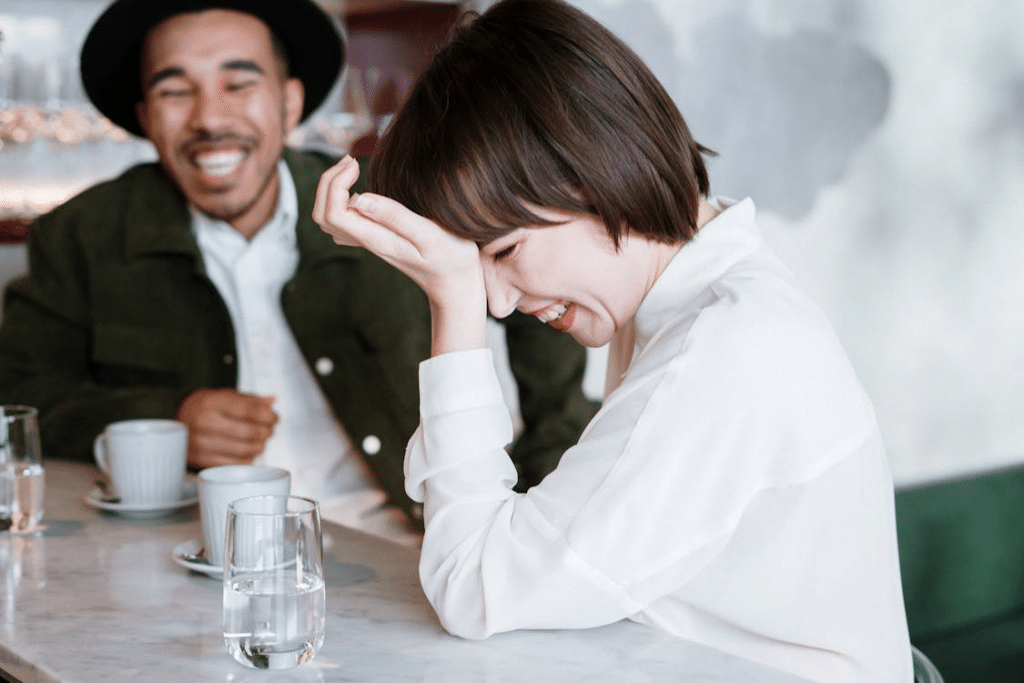
When you feel that surge to compliment her, say it in the moment, not rehearse it in your head for hours. Avoidants often replay every interaction later and then never hit send. But pros say that emotional openness in real time builds trust and connection far better than delayed texts (which often die in drafts). Instead of waiting for the “perfect moment,” lean in with something real and short. That’s presence. Over time, your spontaneity will make you safer to be around.
Redefine Space as Recharge, Not “Retreat”

Needing space doesn’t mean you’re ghosting her or nuking the relationship. Think of it like hitting pause to recharge, not ejecting the game. When you say, “Hey, I just need a little time to reset. I’ll check in later,” you’re telling her you care enough to come back sane. You’re being smart about how you return. Psychologists say that healthy couples see space as part of emotional balance, not as a breakup warning.
Let Actions Speak, But Add Words Sometimes

Actions do speak volumes. Doing stuff, being there, fixing leaks, and showing up are love in motion. But don’t forget that words matter too. Saying you care even once in a while breaks the silence and gives her something real to hold onto. For avoidants, that can feel weird or over the top. But experts in relationship science say verbal affirmations help build emotional safety in a bond. Let your actions build trust. A few honest words now and then make the whole thing a lot stronger.
Surprise Them in a Safe Way

Don’t go full Broadway with a flash mob. That’s stress territory. You can show up a little early, grab her favorite sandwich, and slip in something she didn’t see coming. Professionals say novelty lights up dopamine pathways in the brain, which makes us feel more alive when something unexpected happens. That means you’re offering a gentle bridge back. Keep it calm, keep it thoughtful, and let her feel your presence more than your pressure.
Notice When You’re Pulling Away and Stay Curious

Romance actually begins with self-awareness. Yes, that kind of inward work. Ask yourself: “Am I avoiding her, or am I avoiding being vulnerable?” That’s a powerful check-in, because those two little words hide big differences. When you realize you’ve been pulling away from emotion (not her), you flip the script. Therapists say that avoidants get triggered by closeness, so they step back unconsciously. But if you stay curious, you create a chance to lean in. That curiosity is what turns distance into connection.
Remember: Love Is a Choice

You might feel like loving someone means giving up your freedom. But actually, choosing closeness expands your independence. Real romance shows up when you decide to lean in, even if it scares you a little. For avoidant men, vulnerability can feel like a threat (experts call this a defense against intimacy). But choosing to open up step by step rewrites that old wiring. Love is about leaning into connection by choice.







Ask Me Anything