
Retirement represents promised reward after decades of work, freedom, leisure, time together. For many couples, however, retirement triggers a marriage crisis as 24/7 proximity exposes incompatibilities that separate work schedules previously masked. The wife who managed the household independently for decades suddenly has husband home all day questioning, reorganizing, and hovering. The husband who derived identity and purpose from career faces an existential void that marriage alone doesn’t fill. The couple who functioned well with work-structured separation discovers they have little in common when forced together constantly. Retirement divorce rates spike for a reason: transition from parallel lives to constant togetherness stresses relationships in ways decades of marriage didn’t. These seventeen problems reveal specific friction points retirement creates through too much proximity, too little purpose, and too few boundaries.
Suddenly Being Home All Day Disrupts Her Established Routines

For decades, she built daytime routines, rhythms, and household management systems that worked efficiently. Retirement brings constant presence disrupting every established pattern. The invasion of her space and schedule creates friction where none existed. If every activity now involves explaining, accommodating, or being observed, independence disappears. Her morning routine, household schedule, and daily patterns developed over years get disrupted by constant companionship. The disruption feels like an invasion of previously sovereign territory.
Following Her Around the House Creates Suffocating Proximity
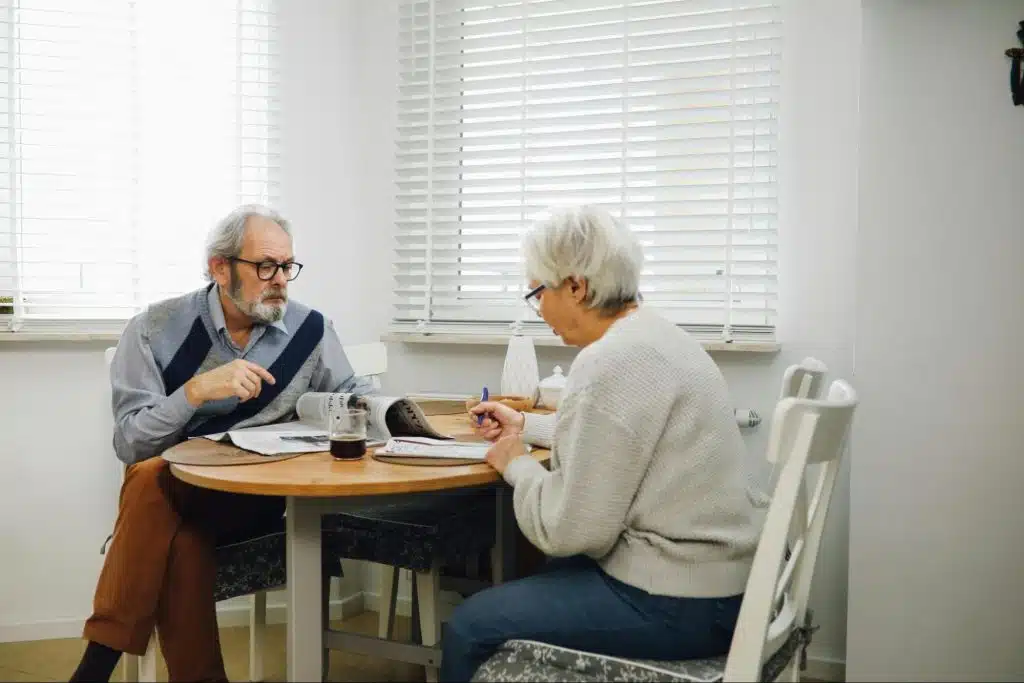
The pattern of shadowing, following from room to room, wanting to be involved in every activity, constant presence, eliminates personal space and solitude. This hovering creates a claustrophobic environment where she’s never alone. If every room she enters soon contains him, privacy evaporates. The constant companionship that sounds romantic in theory feels oppressive in practice. Adults need solitude; retirement shouldn’t mean elimination of alone time. The following pattern makes her feel monitored rather than companioned.
Taking Over “Her” Spaces in the House

Spaces she claimed during work years, home office, craft room, specific seating areas, got invaded or taken over. This territorial expansion eliminates her designated spaces. If retirement brings him into every room treating all space as shared equally, her refuges disappear. The loss of personal territory in one’s own home creates resentment. A shared house requires some exclusive spaces for each person. His retirement shouldn’t mean her losing designated areas.
Micromanaging Household Tasks She’s Done Independently for Decades
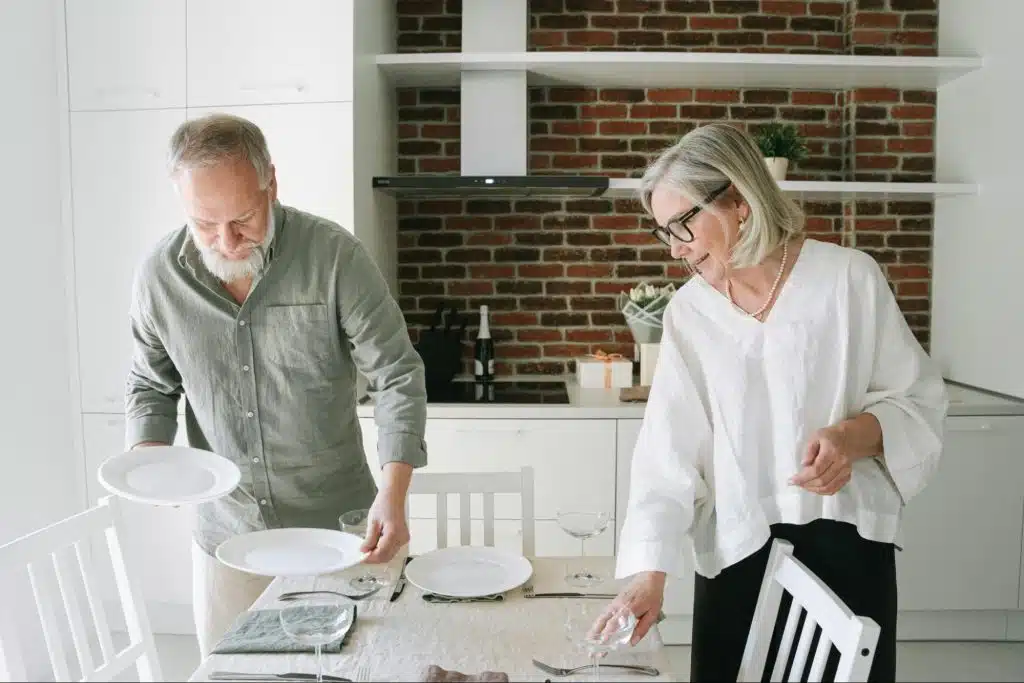
Suddenly criticizing, correcting, or taking over household tasks she managed competently for years demonstrates lack of respect for established systems. This micromanagement questions her competence in her domain. If he criticizes how groceries are bought, how cleaning is done, or how the household runs, the message is that her management was inadequate. The interference in successfully functioning systems creates unnecessary conflict. A household that worked fine doesn’t need his retirement-inspired “improvements.”
Making Her Responsible for Entertaining and Fulfilling Him

Expecting her to provide purpose, entertainment, social calendar, and meaning fills the void left by career loss. This burden makes her responsible for his happiness and fulfillment. If his retirement boredom or existential crisis becomes her problem to solve, unfair weight gets transferred. Adults should develop their own sources of meaning, not outsource to their spouse. The expectation that she’ll fill a career-sized void in his life is unrealistic and exhausting.
Depression or Irritability From Loss of Work Identity Affecting Home

Mood changes, depression, irritability, restlessness, resulting from career loss but directed at home environment poison the atmosphere. This emotional spillover makes wife manage his adjustment difficulties. If losing work identity creates a negative mood permeating the household, his crisis becomes her burden. The work-identity loss is real but projecting resulting negativity onto family is unfair. Professional help for identity crises prevents marriage from bearing full weight.
Expecting Her to Drop Everything for Constant Companionship

Assumption that her schedule, activities, and commitments should be rearranged to accommodate his constant availability demonstrates self-centered expectation. This demand treats her life as existing for his convenience. If she’s expected to abandon book club, volunteer work, or social plans because he’s now available, her life becomes secondary. Retirement is his status change, not hers. Her established life deserves continuation regardless of his schedule change.
Resenting Her Continued Activities and Independence

Jealousy, resentment, or criticism of her continued activities, volunteer work, hobbies, social engagements, that take her away reveals entitlement to constant access. This resentment treats her independence as betrayal. If she can’t maintain friendships, activities, or commitments without his complaints, control is operating. His retirement doesn’t obligate her constant presence. Her right to independent life continues regardless of his work status.
Suddenly Having Opinions About Household Decisions

Decades of deference to her household management decisions were suddenly replaced with opinions, preferences, and demands about everything. This late-game participation disrupts established systems. If he suddenly cares about grocery brands, meal planning, or household products after decades of non-involvement, the timing is suspect. The involvement reads as boredom-driven interference rather than genuine partnership. Household decisions that were hers for decades don’t automatically become joint in retirement.
Reorganizing or Changing Systems Without Consultation

Unilateral changes to household organization, rearranging kitchen, changing storage systems, modifying established processes, demonstrate lack of respect for existing order. These changes disrupt functional systems. If things that worked get changed because he’s bored and needs projects, disruption serves his needs at her expense. Changes to shared space require discussion and agreement. His project needs don’t justify disrupting her functional systems.
Creating More Work While Believing He’s Being Helpful

“Help” that actually creates more work, partially completed projects, reorganization requiring cleanup, cooking that leaves disaster kitchens. This “help” increases her workload while he feels virtuous. If his retirement “contributions” make more work than they save, the help is a burden. The pattern is particularly frustrating when he expects praise for creating problems. Genuine help reduces her work, not increases it.
Expecting Praise for Doing What She’s Done Unremarked for Decades

Seeking acknowledgment or praise for basic household tasks, doing laundry, cooking meals, cleaning, that she performed for years without recognition demonstrates double standards. This praise-seeking reveals unequal expectations. If he expects applause for vacuuming when she vacuumed for thirty years without acknowledgment, entitlement is operating. Standards for recognition shouldn’t differ based on who performs the task.
Different Energy Levels and Activity Preferences Causing Friction

Mismatched energy, one wants activity and adventure, other wants quiet and routine, creates constant negotiation or resentment. This mismatch existed but separate schedules masked it. If one wants traveling and activities while the other wants home-based retirement, fundamental incompatibility surfaces. The exposure of different retirement visions creates conflict. Compromise requires acknowledging different needs rather than forcing one vision.
Expecting to Do Everything Together
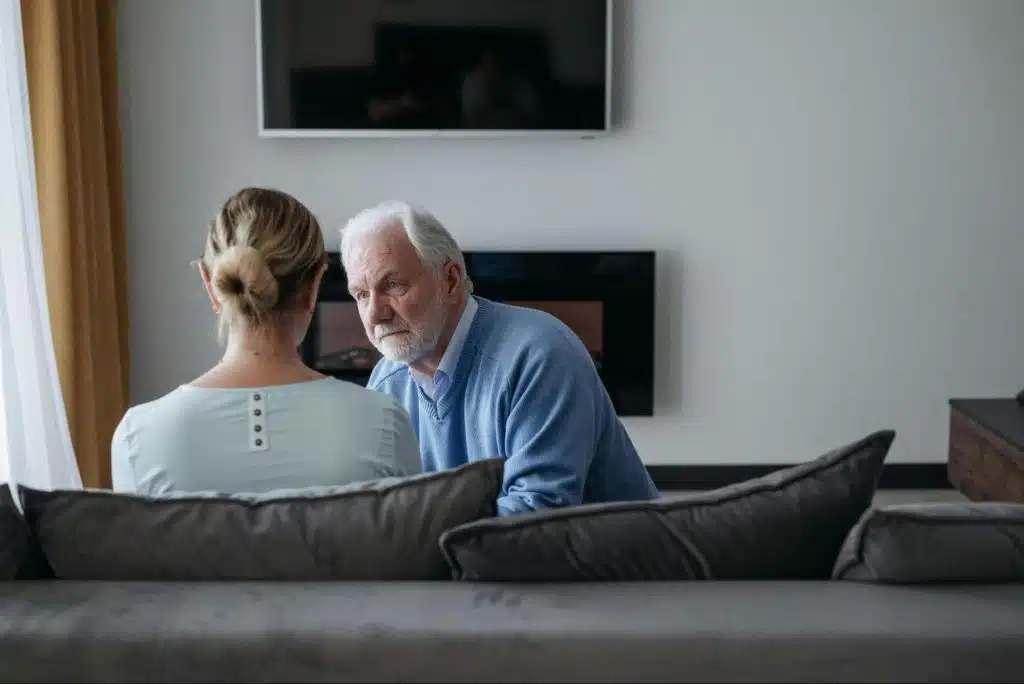
Assumption that retirement means joint activities always, no separate hobbies, friends, or time, eliminates independence. This togetherness expectation suffocates rather than bonds. If doing anything separately generates hurt feelings or complaints, unhealthy dependence is operating. Healthy couples maintain both shared and independent activities. Forced constant togetherness breeds resentment, not intimacy.
Personality Traits Magnified by Constant Exposure

Annoying habits, personality quirks, or traits that were manageable in small doses become overwhelming with constant exposure. This magnification effect makes previously tolerable traits unbearable. If her organizational system was fine when witnessed evenings and weekends but drives him crazy all day, exposure is a problem. Similarly, his quirks that were manageable become grating. The proximity reveals incompatibilities that distance smoothed. Some traits are only tolerable with breaks.
Communication Patterns That Worked With Distance Failing With Proximity

Communication that functions adequately with limited time together fails under constant togetherness. This pattern breakdown reveals that limited interaction masked poor communication. If discussing the day at dinner worked but constant presence generates communication fatigue, the superficial pattern is exposed. Constant togetherness requires deeper communication skills. Surface patterns sufficient for limited interaction fail full-time proximity.
Discovering Incompatible Social Needs

One partner needing social engagement and activities while the other prefers solitude and home creates ongoing conflict. This social needs mismatch becomes a central retirement issue. If he wants constant outings while she’s enjoyed quiet years, or vice versa, forced togetherness highlights incompatibility. The discovery that social needs are opposite creates perpetual negotiation. Different social appetites require accepting rather than forcing uniformity.
Long-Buried Resentments Surfacing With Extra Time

More time together means more time for unresolved issues, old hurts, and buried resentments to surface. This emotional archaeology happens when a busy schedule no longer provides distraction. If retirement brings recurring arguments about decades-old issues, grievances weren’t resolved, just avoided. The extra time allows resentments breathing room they didn’t have before. Old hurts require actual resolution, not just time.
Successful Retirement Requires Renegotiating Everything

These seventeen problems reveal that retirement’s 24/7 proximity stresses marriages by exposing incompatibilities, invading established territories, and forcing constant companionship that many couples can’t sustain. The transition from parallel daytime lives to constant togetherness requires massive adjustment that some marriages can’t make. The problems aren’t signs of a failed marriage, they’re signs that a relationship built around separation now requires complete reconstruction around proximity. Successful retirement requires explicit renegotiation: personal space boundaries, independent activities, household management authority, and realistic expectations about togetherness. Some couples discover genuine incompatibility that work schedules masked for decades. Others successfully adjust by establishing new boundaries, developing shared interests, and accepting that healthy relationships include both togetherness and separateness. The adjustment period is real, expecting immediate harmonious constant companionship is unrealistic. If retirement is destroying marriage, choices exist: establish boundaries allowing needed independence, develop compromise on lifestyle vision, or acknowledge that marriage that worked with separation can’t work with proximity. Retirement doesn’t have to ruin marriage, but it requires conscious relationship reconstruction rather than assumption that what worked before works now.








Ask Me Anything