
Love and relationships have always evolved with culture, but 2025 is seeing some of the biggest shifts yet. Technology, wellness, and changing values are reshaping how couples connect, commit, and grow together. Instead of following rigid traditions, many partners are embracing flexibility, transparency, and intentional choices. These trends aren’t about replacing love but about redefining it to fit modern life. Here are 18 ways relationships are changing in 2025.
AI Relationship Coaching

Artificial intelligence isn’t just for work, it’s entering personal lives through coaching apps. Couples are turning to AI tools for communication strategies, conflict resolution, and even date night ideas. These platforms offer 24/7 guidance tailored to individual dynamics. While not replacing human therapists, AI adds accessible support for everyday challenges. It reflects how digital tools are becoming part of emotional growth.
Virtual Reality Date Nights

Distance no longer limits connection thanks to VR. Couples can explore virtual museums, attend concerts, or even travel simulated worlds together. These shared experiences create intimacy without the cost or logistics of travel. For long-distance partners, VR makes closeness more accessible. It’s proof that technology can strengthen bonds when used creatively.
Soft-Launch Partnerships

The way couples reveal relationships online is changing. Instead of big announcements, many “soft-launch” by posting subtle hints, like shared coffee cups or side-profile photos. This trend allows couples to control their narrative while maintaining privacy. It reflects how online presence has become part of modern dating culture. Subtlety is now a sign of both intimacy and caution.
Shared Digital Calendars

Coordinating busy lives has become easier with shared apps and calendars. Couples use them to manage work schedules, family obligations, and personal time. This simple tool reduces misunderstandings and helps prioritize quality moments together. Digital organization fosters stronger teamwork. Love thrives when logistics run smoothly.
Creative Prenups

Modern prenups go beyond money, they now include pets, digital assets, and lifestyle agreements. These contracts reflect the complexities of contemporary partnerships. By addressing unique aspects of modern life, couples avoid conflict down the line. Creative prenups prioritize fairness and clarity. They show how commitment is adapting to new realities.
Financial Transparency Tools

Apps now allow couples to track spending, save together, and set financial goals in real time. Transparency reduces financial stress and builds trust. Younger generations are normalizing money conversations earlier in relationships. These tools turn budgeting into teamwork. Financial honesty is becoming as important as emotional honesty.
Dual-Remote Lifestyles

Remote work has redefined how couples live and plan. Many now balance careers from different locations or travel while working together. This flexibility creates freedom but also requires strong communication. For some, it means co-working side by side daily. The trend shows how careers and relationships are blending in new ways.
Relationship Sabbaticals

Rather than breaking up, some couples are embracing planned “sabbaticals.” These breaks give space for individual growth without ending the relationship. It’s a way to reset and reflect without permanent separation. While unconventional, it reflects the desire for balance between independence and togetherness. Relationships in 2025 value flexibility over finality.
Therapy as Maintenance

Therapy is no longer just for crises, it’s becoming part of healthy relationship maintenance. Couples seek counseling proactively to strengthen communication and prevent conflict. This trend reflects a cultural shift toward valuing mental health. Normalizing therapy reduces stigma and fosters resilience. Investing in growth becomes part of long-term love.
Eco-Conscious Love

Sustainability is influencing dating and marriage choices. Couples prioritize eco-friendly weddings, green living, and shared values about the planet. This alignment strengthens relationships while reflecting broader commitments. Eco-conscious love combines intimacy with responsibility. Caring for the earth becomes an expression of caring for each other.
Micro-Ceremonies
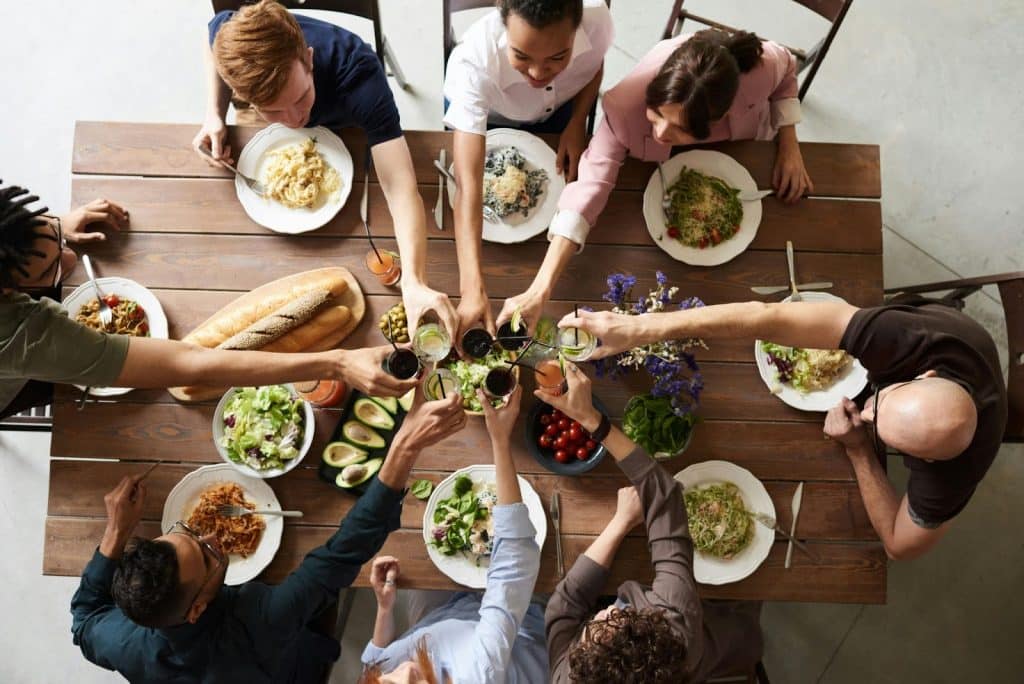
Grand weddings are giving way to smaller, hyper-personalized celebrations. Couples choose intimate guest lists, unique venues, and meaningful rituals. This shift emphasizes quality over spectacle. Micro-ceremonies reflect a desire for authenticity. Love in 2025 is about celebrating connection, not performance.
Touchpoint Traditions

Instead of rare grand gestures, couples focus on small, daily rituals. Morning coffee together, evening walks, or weekly check-ins become love’s foundation. These touchpoints create consistency and security. They remind partners that love is built in everyday acts. In 2025, intimacy is about presence, not extravagance.
Digital Detox Dates

Couples are carving out time to disconnect from screens entirely. Whether for an evening or a weekend, these detoxes prioritize presence and attention. They reduce distractions and improve communication. Digital detoxing fosters deeper connection. Love grows stronger when partners are fully present.
Mental Health Check-Ins

Checking in on emotional well-being is becoming as common as asking about the day. These conversations help partners share struggles before they escalate. Prioritizing mental health reduces stress and builds empathy. Emotional awareness is now part of relationship care. In 2025, wellness includes both body and mind.
Fitness Partnerships

Exercise is becoming a way for couples to bond. Shared fitness goals, workouts, or classes create accountability and mutual motivation. These activities combine health with companionship. Couples who train together often find stronger teamwork in daily life. Fitness partnerships reflect how wellness and intimacy intertwine.
Boundary Mapping

Explicitly discussing boundaries has become standard in healthy relationships. Couples talk openly about independence, space, and personal time. This clarity reduces misunderstandings and strengthens trust. Boundary mapping respects individuality while reinforcing connection. It’s a sign of maturity in modern love.
Multigenerational Co-Living
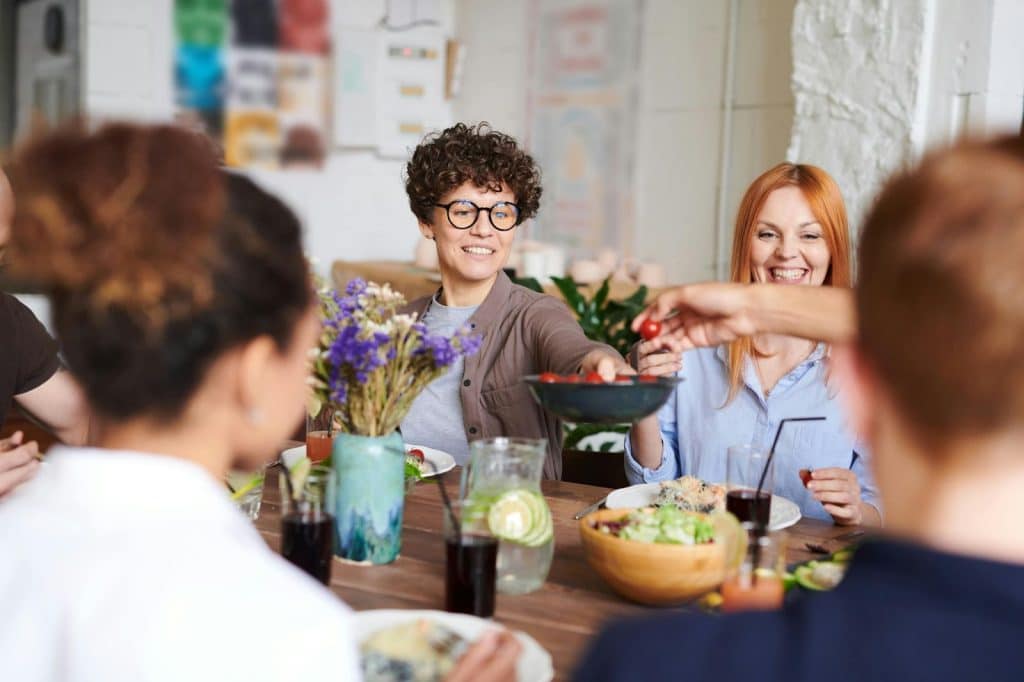
Economic shifts are pushing more couples to live with extended family. While challenging, it also strengthens family ties and teaches adaptability. Couples are learning to balance privacy with shared responsibility. This trend redefines independence within community living. Love adapts to broader household dynamics.
Global Love Planning

With remote work and travel more accessible, binational and long-distance couples are building flexible futures. They plan around visas, cultural differences, and global mobility. While complex, these relationships highlight love’s adaptability. Global love planning blends romance with logistics. In 2025, love is as borderless as technology.
Conclusion

Relationships in 2025 are being redefined by creativity, technology, and intentional choices. Couples are focusing less on tradition and more on authenticity, balance, and adaptability. From AI coaching to eco-conscious love, these trends show that connection is evolving in exciting ways. Love today is not static, it’s dynamic, personalized, and forward-looking. The heart of it remains the same: building trust, respect, and joy together.








Ask Me Anything