
Almost anyone can be charming when life is easy. The real test is what happens during conflict. Arguments reveal emotional maturity, respect, and whether repair is even possible. A healthy couple can disagree and still feel safe. An unhealthy couple can “love” each other and still damage each other in conflict. That is why conflict habits matter more than chemistry when choosing a spouse. These behaviors are not about having emotions; they are about using emotions in harmful ways. One bad day is not the same as a repeated pattern. But repeated patterns during arguments usually become permanent in marriage. These are the argument behaviors that often predict long-term pain.
The Safety Breakers: Behaviors That Make Conflict Feel Dangerous

Healthy conflict still feels emotionally safe. Unsafe conflict creates fear, anxiety, and self-censorship. Over time, self-censorship kills intimacy because honesty becomes risky. Some behaviors turn a simple disagreement into emotional harm. When safety breaks, partners stop being teammates and start being enemies. Marriage cannot thrive in an enemy dynamic. These behaviors are especially serious because they train long-term insecurity. Insecurity eventually becomes resentment or detachment. If these habits appear often, they should be taken seriously. Safety is the foundation of long love.
They Use Personal Attacks Instead of Addressing the Issue
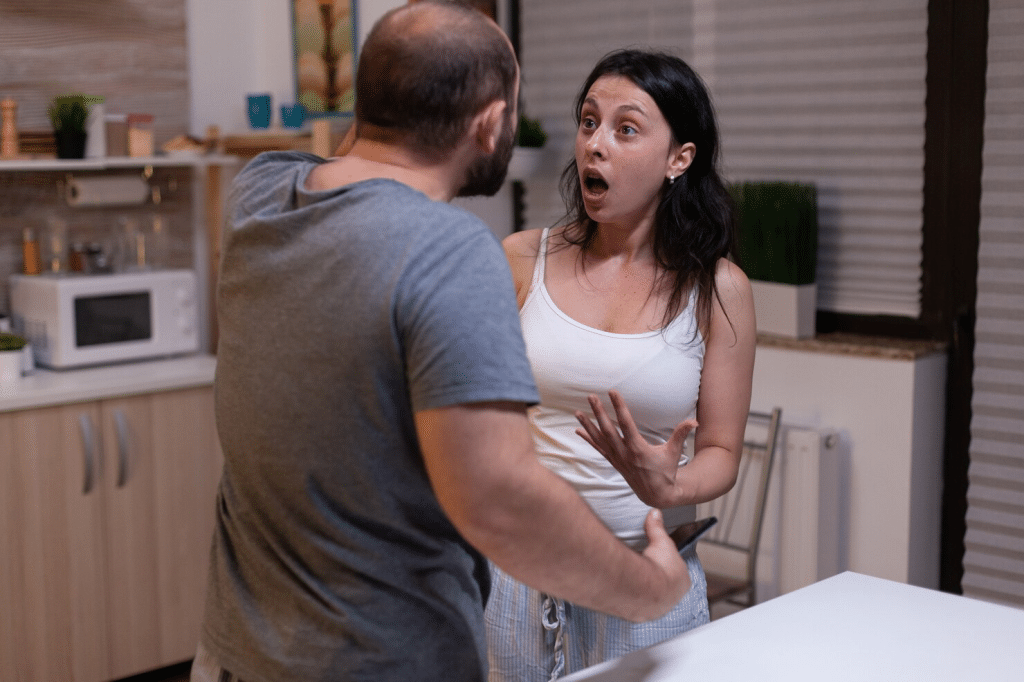
A disagreement should focus on the problem, not on destroying the partner. Personal attacks include insults, mocking, or attacking identity. They create emotional scars that do not disappear when the argument ends. Even if an apology happens later, the brain remembers humiliation. Over time, the attacked partner becomes guarded and less affectionate. This is how love becomes distant. Strong relationships do not require “winning.” They require respect while disagreeing. Personal attacks are a sign of poor emotional regulation. Poor regulation gets worse under marriage stress.
They Threaten Breakups, Divorce, or Abandonment

Threats create panic, not resolution. Saying “I’m done,” “I’ll leave,” or “maybe we should break up” turns conflict into insecurity. It trains the partner to fear honesty because honesty might cost the relationship. Fear blocks intimacy. It also creates a cycle where small issues become big crises. Even if the threat is not meant seriously, the body still hears it as danger. Healthy couples protect commitment during conflict. Threatening to leave is emotional manipulation when used repeatedly. Marriage requires security, not constant exit threats.
They Weaponize Silence or Disappear to Punish

Taking space can be healthy if it is communicated. Silent punishment is different. It includes stonewalling, refusing to speak, and disappearing emotionally for hours or days. This creates anxiety and a constant sense of unfinished tension. The partner may start apologizing just to end the silence, even when they did not do wrong. That trains a power imbalance. Over time, the relationship becomes controlled by whoever withdraws. Withdrawal as a weapon damages trust. Trust cannot grow in a relationship where communication is conditional. Emotional disappearance is not maturity; it is avoidance or control.
They Raise Their Voice to Dominate

Volume can become intimidation. Yelling often shuts down honest communication because the partner focuses on survival, not problem-solving. Even if no physical threat exists, loud aggression triggers fear. Fear leads to silence, compliance, or emotional withdrawal. A calm conversation becomes impossible when one person uses escalation as power. Healthy partners can be upset without becoming aggressive. Aggression during arguments often predicts more escalation later. Marriage should not feel like a battlefield. If tone becomes threatening, safety is already broken. Safety must come before solutions.
The Manipulation Patterns: When Conflict Becomes a Power Game

Some people do not argue to solve issues. They argue to control the narrative and protect ego. These patterns are exhausting because the truth keeps moving. The partner feels confused, guilty, and stuck. Confusion keeps the relationship unstable. Unstable relationships do not feel safe long-term. Manipulation can be subtle, but its impact is heavy. It makes honesty feel pointless. It also makes repair impossible because accountability never lands. These behaviors are major marriage red flags.
They Twist the Story and Change the Topic Constantly

A healthy argument stays focused. A manipulative argument jumps topics to avoid accountability. One issue becomes five issues, and nothing gets resolved. The partner feels overwhelmed and mentally exhausted. Exhausted partners often give up, which allows the behavior to continue. Topic switching can also be used to blame-shift. It makes the other person feel like the problem for bringing anything up. Over time, the relationship becomes emotionally unsafe because clarity disappears. Clarity is required for trust. Without clarity, conflict becomes chaos. Chaos destroys intimacy.
They Use Guilt Trips Instead of Taking Responsibility

Guilt trips sound like: “After all I do for you,” “You always make me the bad guy,” or “You’re the reason I’m like this.” This shifts attention away from the behavior and onto emotional pressure. The partner starts managing the guilty person’s emotions instead of addressing the issue. That creates caretaker dynamics. Caretaker dynamics kill attraction and create resentment. Guilt also discourages honesty because honesty becomes “hurting” them. Healthy partners can hear feedback without collapsing into victim mode. Victim mode blocks growth. Marriage requires accountability, not guilt-based control.
They Turn Themselves Into the Victim Every Time

Some people react to feedback by acting wounded and making the conversation about their pain. This can be a real emotion, but it can also be an avoidance tactic. The original issue gets ignored because the partner ends up comforting them. This trains the relationship into imbalance: one person is always the hurt one, and the other is always the fixer. Over time, the fixer becomes exhausted. Exhaustion becomes resentment and emotional distance. A partner can have feelings and still take responsibility. If responsibility is never taken, problems never get solved. Unsolved problems become long-term resentment.
The Contempt Signals: The Fastest Way to Kill Respect
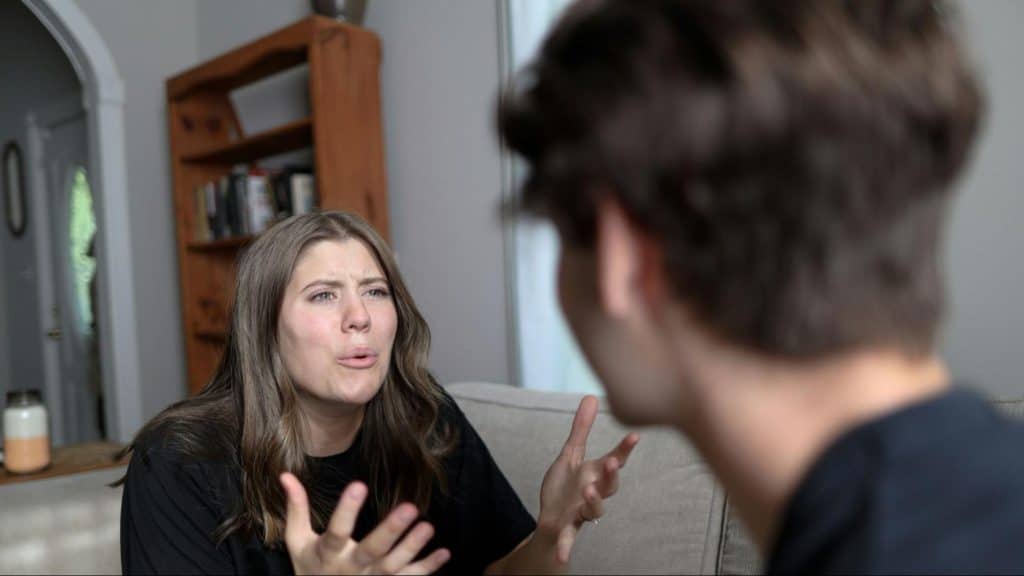
Contempt is not normal conflict. It is disrespectful with a smile, an eye-roll, or a mocking tone. Contempt communicates superiority. It tells the partner they are beneath you. Once contempt becomes normal, the relationship usually declines rapidly. People can forgive mistakes, but contempt changes how safe love feels. Contempt also destroys attraction because it kills admiration. Strong marriages fiercely protect admiration. These behaviors often show contempt, even if disguised as sarcasm or “truth.”
They Mock Your Emotions or Call You “Too Sensitive”

Mocking emotions trains silence. It teaches the partner that vulnerability will be punished. Over time, the partner stops sharing their inner world. Without inner world sharing, intimacy becomes shallow. Many people confuse emotional control with emotional suppression. Suppression is what happens when feelings are mocked. A marriage cannot stay close without vulnerability. If emotions are treated as weakness, the relationship becomes emotionally unsafe. Safety is not about agreeing; it is about respect. Respect includes taking feelings seriously. If someone mocks emotions repeatedly, closeness will not survive.
They Bring Up Past Mistakes as Ammunition

Some people keep a mental folder of old failures and use it during new arguments. This turns conflict into a character trial. It also makes repair impossible because nothing is ever truly forgiven. The partner starts feeling like they will pay forever. That creates shame and helplessness. Shame blocks intimacy. Helplessness blocks hope. Strong couples address the current issue without reopening old wounds. If old wounds are still active, they should be discussed intentionally, not used as weapons. Weaponizing the past is a sign of poor repair skills. Marriage needs repair skills to survive.
They Use Sarcasm and Eye-Rolling as a Default Tone

Sarcasm can be humorous, but during conflict it often becomes disrespectful. Eye-rolling communicates contempt without words. These behaviors make a partner feel stupid or small. Feeling small leads to withdrawal. Withdrawal leads to emotional distance. Many people underestimate how damaging tone is. Tone often matters more than the topic because it affects safety. If conflict is consistently filled with a sarcastic tone, the relationship becomes colder over time. A spouse should not feel mocked while trying to solve problems. Respectful tone is a non-negotiable in long-term love. Without it, intimacy fades.
The Repair Killers: Behaviors That Prevent Any Real Change

Every couple fights, but healthy couples repair. Repair includes accountability, reassurance, and changed behavior. Some people sabotage repair because repair requires humility. If repair never happens, resentment becomes permanent. Permanent resentment destroys love slowly. These behaviors prevent repair and keep the relationship stuck. A marriage cannot thrive when conflict never truly resolves. If these habits are constant, the relationship becomes emotionally unsafe by design. Repair is not optional; it is maintenance.
They Refuse to Apologize or Admit Fault

A partner who cannot say “I was wrong” is hard to grow with. Without apologies, conflict becomes a power struggle. Power struggles create distance. Many people confuse apology with weakness. In reality, apology is emotional strength. It shows accountability and respect. A marriage needs two people who can own their impact. If one partner never owns anything, the other partner carries the emotional burden. Carrying becomes exhaustion. Exhaustion becomes resentment. Resentment kills the relationship quietly.
They Promise Change in the Moment, Then Repeat the Same Behavior

Empty promises destroy trust. When a person says “I’ll change” during conflict but does nothing afterward, the partner stops believing words. Once belief is gone, hope is gone. Hope is what keeps people trying. Repeating the same behavior also teaches the partner that speaking up is pointless. That leads to silence and detachment. The relationship may look calmer, but it becomes emotionally dead. Consistent follow-through is what rebuilds trust. If follow-through never happens, conflict becomes a cycle with no exit. Marriage cannot survive endless cycles.
They Make You Feel Crazy for Bringing Up a Real Issue

This often happens through dismissal, twisting facts, or acting like the concern is irrational. Over time, the partner starts doubting their own perception. Self-doubt is dangerous in relationships because it weakens boundaries. It also creates anxiety and dependence. A healthy partner can disagree without invalidating reality. Disagreement is normal; erasing reality is not. If someone regularly invalidates concerns, the relationship becomes psychologically unsafe. Psychological safety is essential for long-term love. Without it, honesty dies. When honesty dies, the marriage dies slowly too.
Tips: What Healthy Conflict Should Look Like Instead

Healthy conflict stays respectful even when emotions are strong. The topic stays focused, and both people can speak without fear. Accountability is normal, not humiliating. Space is taken when needed, but it is communicated clearly and followed by return. Tone stays controlled, and insults are not used. Repair happens quickly through apology and changed behavior. Curiosity is present: “What did that feel like for you?” Boundaries are respected even in disagreement. When conflict is safe, intimacy grows stronger after it.
Tips: How to Spot These Patterns Early While Dating

Watch what happens during small disagreements, not only big fights. Notice whether the person can calm down and return to repair. Pay attention to tone under stress, not charm during fun times. Observe whether accountability is real or just words. Watch for repeated threats, sarcasm, and topic switching. Notice whether boundaries are respected or negotiated aggressively. Look for consistency over weeks, not one impressive apology. A healthy person improves with feedback. An unsafe person punishes feedback. Patterns reveal the future.
Tips: What to Do If These Behaviors Already Exist

If these behaviors are occasional and the person is accountable, improvement is possible. If they are frequent and defended, the relationship will likely stay unsafe. Clear boundaries are needed: no insults, no threats, no silent punishment, no intimidation. If boundaries are ignored, the risk is high. Support tools like counseling can help when both people are willing. But willingness is the key factor, not promises. If one partner refuses accountability, long-term change is unlikely. The goal is not to “win” arguments. The goal is to protect emotional safety and dignity. Marriage should not require enduring harm to prove love.
Conflict Habits Become Marriage Culture

Arguments are not the problem. Unsafe argument habits are the problem. These behaviors turn conflict into fear, confusion, and long-term resentment. Marriage amplifies stress, which amplifies patterns. That is why conflict style matters so much before commitment. A healthy spouse can disagree with respect, repair quickly, and keep emotional safety intact. An unhealthy spouse turns conflict into control, contempt, or avoidance. Love cannot thrive in that environment, even if chemistry is strong. The safest marriage choice is someone who can handle hard moments without damaging the bond. Peace is not found by avoiding conflict—it is found by handling conflict with maturity.








Ask Me Anything