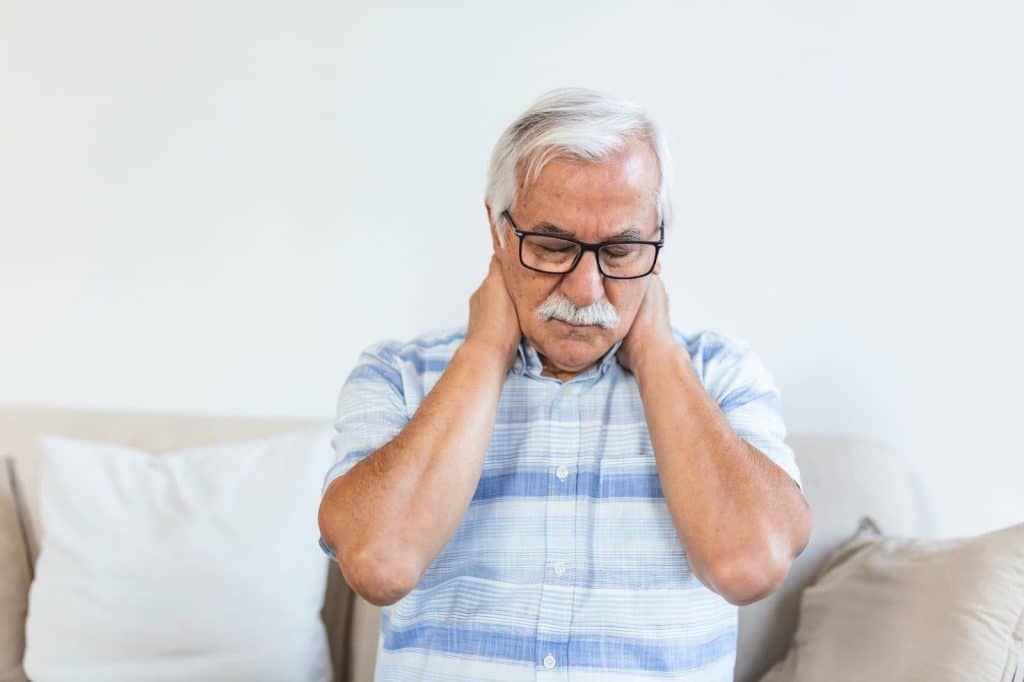
As men grow older, the pressures inside long-term relationships become more complex, even when the love remains strong. The weight doesn’t arrive dramatically; it builds slowly through expectations, responsibilities, and emotional shifting that often go unspoken. Many older men carry these pressures quietly because they’re used to being the steady one, the fixer, or the emotional anchor. What once felt manageable at 25 feels heavier at 45 or 55, not due to weakness but because life’s demands keep stacking without pause. These pressures rarely get voiced because men fear sounding ungrateful, overwhelmed, or incapable. Yet each one affects how they show up, how they communicate, and how they feel inside the relationship. These are the realities many older men recognize privately but struggle to articulate out loud.
He Feels Expected to Solve Problems Without Showing Stress

There’s an unspoken belief that he should remain calm and capable, even when life becomes overwhelming. He often hides his stress because he thinks showing it would disappoint his partner or create more worry. Over time, he internalizes the idea that his feelings are secondary to the role he plays. This pressure makes him handle burdens quietly instead of admitting he’s struggling. The expectation to “always know what to do” becomes emotionally draining. And even when his partner isn’t asking for that perfection, he feels obligated to deliver it. The silence around his stress becomes heavier each year.
He Worries About Being Emotionally Available Enough

Men who grew up in a time when emotional expression wasn’t encouraged often question whether they’re giving their partner enough connection. He doesn’t always know the “right way” to communicate feelings, so he fears disappointing her without knowing how to fix it. The pressure isn’t about unwillingness, it’s about uncertainty. He wants to be open yet feels unequipped at times. That gap creates quiet anxiety about meeting her emotional needs. He worries that the way he loves isn’t showing up the way she expects. This internal conflict rarely gets spoken aloud.
He Feels Responsible for the Relationship’s Stability

Many older men believe the relationship’s health rests heavily on their shoulders. If arguments escalate, if emotional distance grows, or if routines fall apart, he feels at fault even when both partners contribute. This sense of responsibility comes from decades of being the “steady one.” Over time, that expectation becomes more of a burden than a role. He fears that one wrong decision or reaction could destabilize things. That constant self-monitoring drains emotional energy. Yet he keeps it to himself to avoid appearing insecure.
He’s Afraid of Failing Financial Expectations as He Ages

Finances carry emotional weight, especially for men who equate stability with providing. Even when the household contributes jointly, he feels heightened pressure during midlife. Concerns about retirement, job security, healthcare, or unexpected expenses amplify with age. He fears becoming a burden rather than an asset. This pressure isn’t about money alone, it’s about identity and contribution. And because men rarely talk about financial anxiety, it quietly shapes how confident he feels in the relationship.
He Struggles With Changing Intimacy Needs but Doesn’t Know How to Explain It

Aging brings shifts in energy, stress tolerance, and physical desire, and many men feel embarrassed to address it. He might worry that any change will be misread as distance rather than biology. Instead of opening up, he avoids the topic and carries the pressure alone. This creates emotional strain and misunderstandings. He wants closeness, but fears disappointing her or “not being the same man.” The silence becomes heavier than the issue itself. This pressure is universal yet rarely acknowledged.
He Worries That He Can’t Keep Up With Emotional Growth

Partners evolve over the years, sometimes at different speeds. He notices her emotional insights or personal developments and quietly wonders if he’s growing at the same pace. This creates pressure to mature, adapt, and reflect more deeply than he was taught to. He fears becoming emotionally outdated. It’s not resistance, it’s insecurity. He wants to meet her where she is but isn’t always sure how. This creates internal tension he rarely verbalizes.
He Feels Expected to Stay Strong Even When He’s Exhausted

Older men often shoulder years of accumulated responsibility, work, family, aging parents, health concerns. Even with a supportive partner, he feels pressure to remain unshaken. Asking for rest or support feels like weakness, even though he needs both. He pushes through fatigue to avoid letting anyone down. This creates a cycle of silent burnout. Emotional exhaustion becomes a private battle that shapes how he shows up.
He Fears Becoming Emotionally Replaceable

Men rarely admit this fear, but it grows with age. When a partner becomes more independent or emotionally self-sufficient, he wonders if she still needs him in the same way. This isn’t jealousy, it’s insecurity rooted in shifting dynamics. He questions whether he still adds value beyond routine and history. The pressure comes from wanting to matter deeply, not just functionally. This unspoken fear often influences how he behaves in subtle ways.
He Feels Pressure to Stay Youthful for the Relationship

Aging affects confidence. He worries about his appearance, stamina, health, or energy compared to younger versions of himself. He notices how social expectations portray desirability and silently wonders if he still measures up. Even in a committed relationship, these insecurities linger. He tries to hide them behind humor or indifference. The pressure to remain “attractive enough” becomes a quiet emotional weight.
He Wants More Appreciation but Doesn’t Know How to Ask for It

Older men are often conditioned to give without requesting acknowledgement. Yet a lack of appreciation builds emotional fatigue over time. He wishes his efforts were noticed, but he doesn’t want to seem needy or sensitive. This leads him to accept silent disappointment. The pressure grows when he feels taken for granted but doesn’t know how to voice it. It becomes another hidden emotional sacrifice.
He’s Afraid of Triggering Conflict With Honest Opinions

Years of navigating disagreements make some men overly cautious with truth. He holds back perspectives to keep peace, not realizing how much emotional pressure that creates. Avoiding conflict feels easier but slowly becomes draining. He fears his opinions might be dismissed or misinterpreted. This makes him minimize himself over time. The pressure comes from wanting harmony but losing authenticity.
He Feels Overwhelmed by Being the Emotional Anchor

Older men often become the grounding force during life transitions, children growing up, careers changing, family crises. He feels responsible for holding things together emotionally. The pressure increases when he senses others relying on him more than he can comfortably carry. He rarely expresses this because he sees it as part of his duty. The emotional weight becomes noticeable only in hindsight.
He Fears Losing Connection but Doesn’t Know How to Repair It

When closeness dips, he notices, but doesn’t always know how to rebuild it. He fears making things worse by addressing it directly. The pressure to fix emotional distance without the tools to do so becomes overwhelming. This leads to avoidance instead of conversation. Over time, the silence becomes its own kind of stress.
He Feels Pressured to Adapt to Changes He Never Expected

Relationships evolve, but midlife changes, health, career shifts, priorities, can feel abrupt. He struggles to keep up emotionally, mentally, or physically. The pressure to adjust while staying stable feels contradictory. He wants to support the changes without losing himself. This unspoken tension affects how he responds and interacts.
He Worries He’s Not Giving Enough Time or Attention

Balancing responsibilities becomes more complicated with age. He fears his partner feels neglected even when he’s doing his best. This creates guilt that follows him through daily routines. The pressure to “be present” while managing stress becomes a delicate balancing act. He doesn’t talk about this burden, but it shapes his internal world. He wants to connect, he just feels stretched thin.
He Fears Becoming Emotionally Irrelevant Over Time
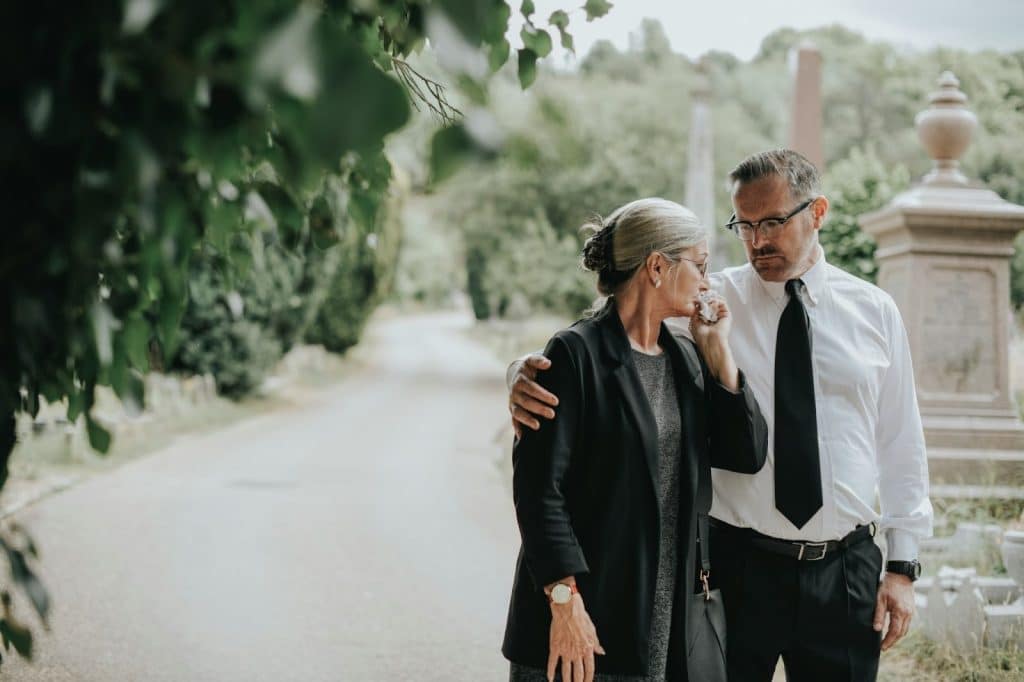
As partners grow, shift priorities, or redefine themselves, he wonders where he fits in. He fears the emotional role he once held no longer holds the same value. This is not about ego, it’s about belonging. The pressure to remain meaningful in her emotional world becomes heavier with age. He carries this quietly, hoping time doesn’t outgrow him. It becomes one of the deepest unspoken fears men hold.
CONCLUSION – The Weight He Carries Isn’t Lack of Love, It’s Fear of Failing It

The pressures older men feel rarely come from the relationship itself, they come from the roles they believe they must uphold. These responsibilities are carried quietly, masked by humor, routine, or silence. None of these pressures mean he’s distant or indifferent; they mean he feels the depth of the relationship deeply enough to worry about failing it. Acknowledging these hidden weights makes connection easier, communication clearer, and love more balanced. When the unspoken is finally understood, the pressure becomes something both partners can carry rather than something he bears alone.








Ask Me Anything