
A lot of men think relationships end because of one big argument or one dramatic mistake. More often, she checks out after the same small problems repeat until they feel permanent. The relationship can still look “fine” on the outside while she quietly stops trying inside it. This is why breakups can feel sudden to men but not to women. Many women grieve the relationship while still in it, then leave when hope runs out. The goal here is not shame. It is awareness, because most of these mistakes are fixable when they’re caught early. If any of these patterns feel familiar, consider them a warning light, not an attack.
The Effort Erosion: Mistakes That Make Her Feel Unchosen
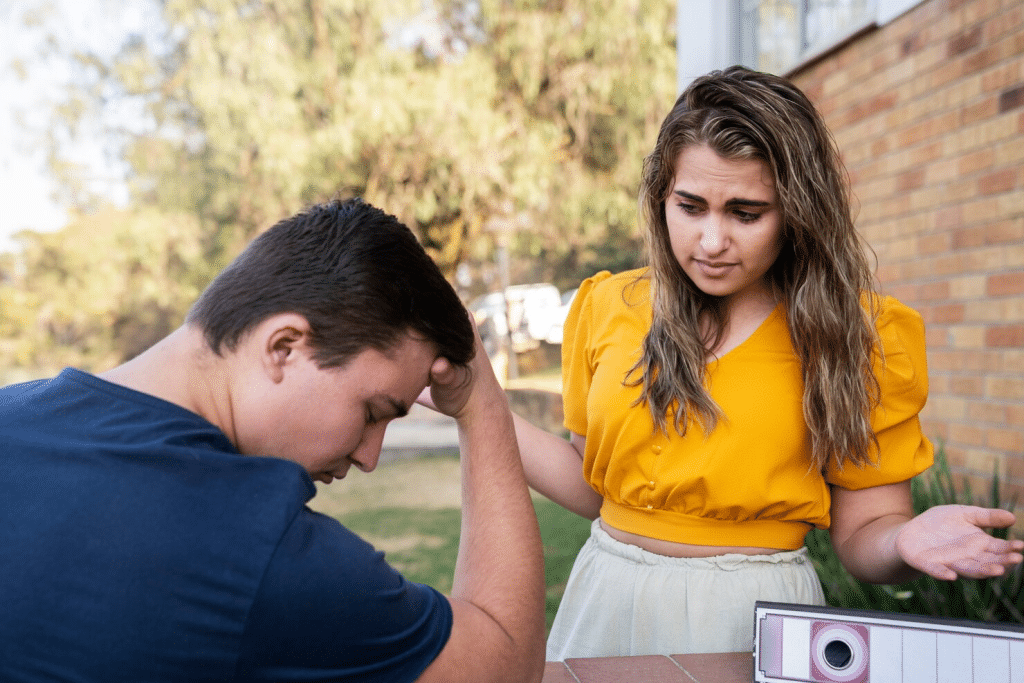
A woman can love a man and still stop feeling chosen by him. Feeling chosen is built through attention, follow-through, and consistent care. When effort drops, she starts feeling like an afterthought. When she feels like an afterthought long enough, her warmth fades. Many men wait for a crisis before taking effort seriously. But effort is what prevents the crisis. These mistakes often look small to men because they are “not cheating.” Yet they can still destroy the bond. The relationship often dies from neglect, not betrayal. These are the most common effort mistakes.
He Stops Initiating and Lets Her Carry the Relationship

When she is the one always planning, texting, and checking in, she starts feeling like a chaser. Chasing kills attraction and creates resentment. Many men do not notice because she keeps doing it for a while. Then she suddenly stops, and it looks like she “changed.” She often did not change, she got tired. A relationship needs shared initiation to feel balanced. Balanced relationships feel safer and more romantic. One-sided initiation feels like low value. If she is always initiating, she eventually stops wanting to.
He Gives Her Leftover Energy Every Day

If work, friends, screens, and hobbies get the best version of you, she gets the tired version. Over time, she feels like she is not worth real presence. Presence is not being in the same room. Presence is attention, eye contact, and care without distraction. Many men underestimate how often being on the phone communicates “you don’t matter right now.” A relationship cannot thrive on leftovers forever. Leftovers create emotional loneliness. Emotional loneliness turns into distance. Distance turns into leaving.
He Promises Change but Repeats the Same Pattern

Empty promises are emotional debt. Each time a promise is broken, trust shrinks. Many men think the apology should reset everything. But repeated behavior teaches her that words mean nothing. When she stops believing your words, she stops investing in hope. Hope is what keeps a woman trying. Without hope, she becomes calm in a scary way. Calm can be an emotional exit. A consistent pattern matters more than a sincere speech. Change must be visible, not just announced.
He Thinks “Providing” Replaces Emotional Presence

Providing matters, but it does not replace connection. Many men assume work stress should earn understanding and less need for intimacy. But emotional presence is not a luxury, it is a relationship. A woman can respect a man’s hard work and still feel lonely with him. Loneliness inside a relationship is one of the most painful experiences. If a man only shows love through practical support, the marriage becomes functional but cold. Cold relationships often end even without cheating. Presence protects intimacy and loyalty. Providing is important, but it is not enough by itself.
The Communication Damage: Mistakes That Make Her Stop Talking

Many men think the problem is that women “complain too much.” Often, the bigger problem is that women stop talking when they feel dismissed. A woman who feels emotionally unsafe will eventually choose silence. Silence is not peace; it is self-protection. Self-protection leads to emotional distance. These communication mistakes often train her to stop sharing. When she stops sharing, connection dies. The relationship might look calmer, but it becomes emptier. These patterns create that slow shutdown.
He Gets Defensive Instead of Hearing Her

Defensiveness turns every concern into a fight. She stops feeling like she can talk without being punished. When talking becomes exhausting, she stops bringing things up. Many men interpret the silence as “problem solved.” But it often means “hope is gone.” A woman cannot stay emotionally close if honesty triggers conflict. Curiosity is what keeps communication alive. Defensiveness kills curiosity. It also kills vulnerability. Without vulnerability, intimacy fades. This mistake is one of the fastest ways to create long-term distance.
He Minimizes Her Feelings as “Overreacting”

Minimizing emotions is a common way men accidentally shut women down. It signals, “Your experience doesn’t matter.” Even if the issue seems small, the feeling is real. When feelings are minimized repeatedly, she becomes guarded. Guarded partners do not feel affectionate or playful. Guarded partners also stop asking for what they need. That makes the relationship feel emotionally thin. Many men only notice when she becomes cold. But coldness is often self-defense. Validation is not agreement; it is respect.
He Avoids Hard Conversations Until She Explodes

Avoiding a problem does not remove it, it stores it. Over time, stored issues become resentment. Resentment changes how she looks at you. Then one day, she reacts strongly, and you think it is sudden. It is rarely sudden. It is delayed. Many women explode only after trying calm communication repeatedly. If calm talks get ignored, intensity becomes the only way to be heard. That intensity gets labeled as drama. But the real issue is avoidance. Healthy couples address issues early, not after damage piles up.
He Uses Silence, Withdrawal, or Coldness as Punishment

Some men shut down when conflict appears. They disappear emotionally, refuse to talk, or become cold. This creates anxiety and insecurity in the relationship. Even if it is not intentional, it feels like punishment. A woman starts walking on eggshells to avoid triggering the shutdown. That destroys emotional safety. Emotional safety is required for closeness. Without it, she stops being vulnerable. Without vulnerability, the relationship becomes shallow. Shallow relationships do not survive long-term stress. Withdrawal as a weapon is a major relationship killer.
The Respect Drop: Mistakes That Kill Attraction Quietly

Many men focus on love and forget respect. But respect often drives long-term attraction. A woman can love a man and still stop admiring him. When admiration fades, desire often fades too. Respect is built through maturity, reliability, and fairness. It is destroyed through entitlement, inconsistency, and careless tone. These mistakes often look small day to day, but they create a long-term shift. Once the shift happens, it is harder to reverse. These are common ways men quietly lose respect.
He Lets Her Become the Manager of the Household

When she must remind, plan, assign, and track everything, she becomes the household manager. That dynamic kills romance. A manager does not feel like flirting with an employee. This also creates resentment because she feels alone in partnership. Many men think they are helping when asked. But being asked is part of her mental load. Real partnership means ownership, not instructions. When a man takes ownership, a wife feels supported. Support builds warmth. Warmth keeps attraction alive.
He Becomes Unreliable in Small Ways

Small unreliability adds up fast. Forgetting, delaying, and failing to follow through makes her feel she cannot trust you. When trust is low, stress is high. High stress reduces affection and intimacy. She may stop asking for help because she expects disappointment. That creates emotional independence, which looks like distance. Many men do not realize that reliability is attractive. It signals maturity and strength. Unreliability signals immaturity. Over time, she stops admiring you. When admiration is gone, the relationship gets colder.
He Makes Jokes That Humiliate Her

Humor should build closeness, not power. If jokes regularly embarrass her, she will feel unsafe. Unsafe partners withdraw. Withdrawal reduces warmth and playfulness. Many men defend jokes by saying she is too sensitive. That response doubles the damage because it dismisses her experience. A wife who feels mocked loses trust. Trust is essential for intimacy. Public humiliation is especially damaging. Even private humiliation leaves scars. Respectful humor is attractive; humiliating humor is a slow poison.
He Stops Growing and Starts Blaming Life

Many women lose interest when a man becomes stagnant and bitter. Growth is attractive because it creates hope. Stagnation feels like the future will be heavy. If life is hard and he responds with constant complaining but no action, the relationship becomes draining. Blame makes him feel like a victim, not a partner. Partners want a teammate, not a dependent. This does not mean he must be perfect or always winning. It means he should stay accountable and forward-moving. A man who grows stays admirable. A man who stagnates often loses respect.
The Intimacy Mistakes: How Men Accidentally Make Desire Drop

Many men assume desire is automatic. But desire is affected by emotional climate, fairness, and daily tone. When a woman feels overwhelmed, dismissed, or pressured, desire often drops naturally. Many men respond to this drop with pressure, guilt, or frustration. That makes desire drop further. Then the relationship becomes a painful cycle. Desire grows best in safety and warmth. Pressure kills it. These are the intimacy mistakes that often push women away.
He Treats Intimacy Like a Duty Instead of a Connection

When intimacy becomes a debt, it stops feeling romantic. A woman wants to feel chosen, not used. If affection is given only when sex is expected, touch becomes unsafe. She avoids touch to avoid pressure. That reduces closeness. Reduced closeness reduces desire. Many men misunderstand this cycle and become more demanding. Demand does not create desire. It creates resistance. Intimacy should feel mutual and warm, not transactional.
He Punishes Rejection With Moodiness

Sulking, coldness, or passive aggression after rejection makes intimacy unsafe. It teaches her that saying no has consequences. Consequences create fear. Fear blocks desire. Over time, she avoids situations that might lead to pressure. Avoidance reduces intimacy further. Many men do not realize they are training the exact distance they hate. A respectful partner can handle “no” calmly. Calm response keeps safety intact. Safety makes future intimacy more possible. Punishment turns love into obligation.
He Ignores Non-Sexual Affection and Emotional Warmth

Non-sexual affection is what keeps the relationship emotionally close. Hugs, kisses, playful touch, and attention during the day build warmth. Warmth makes intimacy feel safe later. When non-sexual affection disappears, intimacy becomes awkward and pressured. Many men only notice when sex becomes less frequent. But the real problem started earlier: the relationship climate got colder. Cold climate reduces desire. Warm climate increases it. Small daily warmth is often the real secret to long-term intimacy. Without it, intimacy becomes a negotiation instead of a bond.
Tips: How to Fix These Mistakes Before You Lose Her

Start by taking one repeating issue seriously and changing it consistently for a month. Practice listening without defending, validate first, explain later. Take ownership of one household category without being asked. Put the phone away during key connection moments and be fully present. Bring back one weekly ritual: a simple date, walk, or check-in. Show appreciation out loud, especially for invisible effort. Rebuild affection without an agenda so touch feels safe again. Consistency matters more than intensity.
Tips: How to Tell If She’s Already Checking Out

Less talking is often the first sign. Less initiation and less warmth often follow. If she stops complaining, it may not be peace, it may be resignation. If she starts doing more alone, it may be emotional independence. If affection feels tense or forced, safety may be declining. Notice whether she avoids deeper conversations. Notice whether she seems calmer but colder. Cold calm is often a warning. The goal is to respond early with real change, not panic gestures.
Tips: What Usually Makes It Worse

Do not blame her emotions instead of addressing the pattern. Do not perform “nice mode” for two weeks and then revert. Do not demand closeness as proof of love. Avoid sarcasm, contempt, and public disrespect. Do not use withdrawal or silence as punishment. Do not treat her needs like inconvenience. Avoid making her the manager of your growth. A relationship cannot be saved by speeches alone. It is saved by consistent behavior. If effort feels temporary, she will not trust it.
She Leaves When Hope Runs Out, Not When Love Runs Out

Most men do not get left because they are not lovable. They get left because they become careless with the relationship. The mistakes that cost a marriage are usually repeated patterns, not one disaster. The good news is that patterns can be replaced with better habits, if change is real and consistent. Presence, respect, accountability, and shared responsibility rebuild safety. Safety rebuilds closeness. Closeness often brings attraction back. The key is to step up before she becomes emotionally done. Love survives best when it is maintained daily, not rescued during a crisis. If this list feels familiar, treat it like a warning light, and act before the engine fails.








Ask Me Anything