
Every marriage has its rough patches–but the happiest couples aren’t the ones who never argue or disagree. They’re the ones who learn to spot the small, sneaky habits that quietly corrode connection over time. These aren’t the headline-grabbing issues like infidelity or financial ruin; they’re everyday behaviors that slip under the radar, slowly draining intimacy, trust, and emotional warmth.
Here are 17 subtle relationship killers happy couples steer clear of–and how you can, too.
1. Taking Your Partner’s Efforts for Granted

It’s easy to forget that appreciation keeps love alive. When you stop noticing your partner’s small efforts–the coffee they make, the errands they run, the emotional support they offer–you create emotional distance. Over time, that lack of acknowledgment turns warmth into resentment. The fix? Say “thank you” more often, even for routine things. Gratitude reminds your partner they’re seen and valued, and it reinforces the cycle of kindness that sustains happy marriages.
2. Avoiding Difficult Conversations

Silence feels safer in the short term, but it’s toxic in the long run. When couples dodge uncomfortable talks about money, family, or unmet needs, resentment festers. The happiest couples don’t avoid conflict–they manage it with empathy. Instead of bottling things up, they address issues calmly and early, before they snowball. Practice saying what’s true without being cruel, and you’ll find communication builds intimacy, not distance.
3. Letting Phones Become Third Wheels

A subtle yet destructive habit? Constant phone use. When one partner scrolls during dinner or half-listens while texting, it sends the message that the screen is more interesting than the person beside them. Happy couples set boundaries–no phones at the table, in bed, or during meaningful time together. Presence is the new luxury, and it’s one of the strongest predictors of relationship satisfaction.
4. Dismissing Each Other’s Feelings

Brushing off your partner’s emotions with “You’re overreacting” or “That’s not a big deal” invalidates their experience. Even if you don’t agree, the goal isn’t to fix or judge–it’s to understand. Validating doesn’t mean you share their view; it means you value their right to feel it. Small moments of empathy strengthen emotional trust far more than grand romantic gestures ever could.
5. Keeping Score

The “I did this, so you owe me that” mentality turns love into a competition. Keeping score creates bitterness, not balance. Healthy couples focus on partnership, not payback. If you find yourself tallying who gives more, pause and reset your mindset. Instead of asking, “Who’s doing more?” ask, “What can I do to make things better for both of us?” That’s where teamwork starts.
6. Neglecting Physical Affection

Physical closeness is emotional glue. When hugs, touches, and spontaneous kisses fade away, so does the sense of connection. Research shows that even non-sexual touch–like holding hands or a shoulder squeeze–lowers stress and boosts relationship satisfaction. Happy couples stay physically affectionate, even on tough days. It’s not about passion alone; it’s about reminding each other, “We’re still in this together.”
7. Letting Humor Disappear

Laughter is one of the most underrated tools in a marriage. Couples who can joke through stress build resilience and warmth. When humor disappears, conversations feel heavier, and joy fades. You don’t need constant punchlines–just shared moments of levity. Watch something funny, tease playfully, or recall silly memories. Humor reminds you that your marriage isn’t just about logistics–it’s about friendship.
8. Comparing Your Relationship to Others

Scrolling through “perfect” couples online makes it easy to feel like yours doesn’t measure up. But comparison is a slow poison–it turns appreciation into dissatisfaction. Every couple has unique strengths and struggles, and what works for others might not work for you. Instead of chasing an illusion, focus on nurturing what’s real between you. Contentment grows when you stop competing and start connecting.
9. Ignoring Each Other’s Dreams

Support doesn’t stop at shared goals–it extends to personal dreams, too. When one partner dismisses or ignores the other’s ambitions, it creates silent frustration. The happiest marriages make room for individuality within togetherness. Encourage your partner’s growth, celebrate their wins, and show interest in their passions. It’s proof that love can be both rooted and freeing.
10. Overreliance on Routine

Comfort is good–but too much of it breeds complacency. When a marriage becomes a series of repeated scripts, emotional excitement fades. Happy couples inject novelty into their routines: a new date spot, a spontaneous road trip, even a midweek surprise. The goal isn’t to chase constant thrill–it’s to keep curiosity alive. Relationships thrive when they evolve instead of stagnate.
11. Letting Resentment Go Unspoken

Unspoken resentment doesn’t disappear–it hardens. When frustrations pile up without resolution, affection turns cold. Happy couples know that addressing small grievances early prevents big explosions later. Learn to voice your concerns respectfully and listen without interrupting. A five-minute honest talk can save months of emotional distance.
12. Speaking in Absolutes

Phrases like “You always do this” or “You never listen” shut down communication. They turn disagreements into accusations, leaving no room for nuance or understanding. Instead of labeling, describe the behavior: “When you do X, I feel Y.” It’s a small language shift that can completely change how your partner hears you. Emotional maturity shows in how you frame conflict.
13. Forgetting to Flirt

Many couples stop flirting after marriage, mistaking stability for stagnation. But playful banter, compliments, and subtle affection keep attraction alive. Flirting reminds your partner that they’re still desired–and that romance isn’t reserved for the honeymoon phase. Whether it’s a cheeky text or an unexpected compliment, those small gestures reignite connection and chemistry.
14. Expecting Mind Reading

No one can meet needs that aren’t voiced. Expecting your partner to “just know” what’s wrong sets them up to fail and leaves you feeling unseen. The happiest couples express their needs clearly and kindly. Direct communication isn’t unromantic–it’s mature. It creates understanding without resentment, which is the real foundation of emotional intimacy.
15. Ignoring the Friendship

Romance gets attention, but friendship keeps the bond strong. Couples who stop hanging out as friends–laughing, talking, doing simple things together–often feel emotionally disconnected. The happiest marriages are built on companionship, not just attraction. Revisit the friendship that started it all: go for walks, share inside jokes, and enjoy each other’s company outside of chores or responsibilities.
16. Not Repairing After Conflict

Every couple argues. The difference between happy and unhappy ones is what happens next. When fights end without emotional repair–no apology, no reassurance–the wound lingers. Repair attempts can be as simple as a hug, humor, or “I love you even when we fight.” It’s the act of turning toward, not away, that restores trust.
17. Forgetting That Love Is a Daily Choice
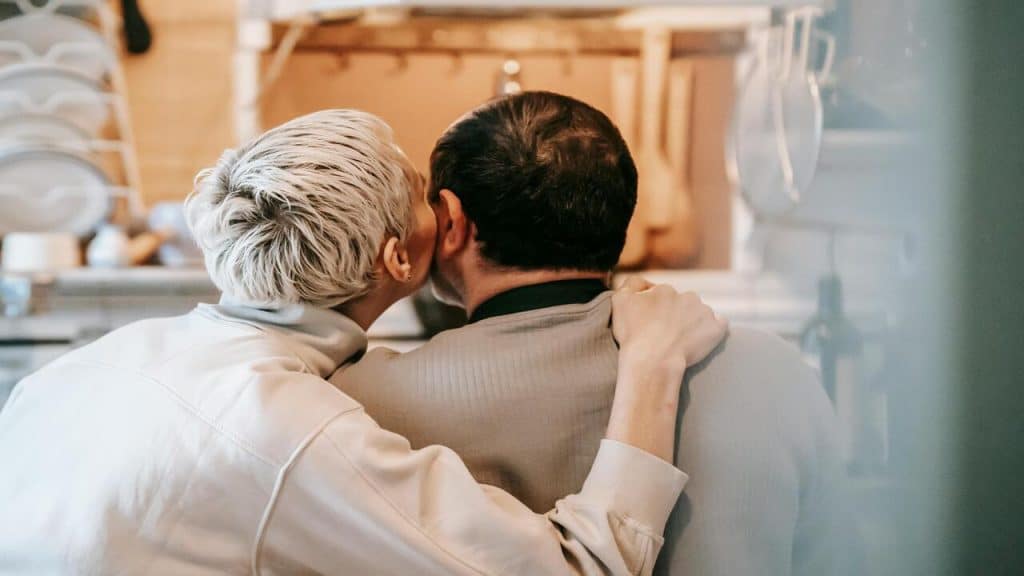
Love isn’t a one-time promise–it’s a series of choices made every day. The happiest couples understand that connection takes conscious effort: choosing patience over irritation, empathy over pride, and appreciation over indifference. Marriage doesn’t thrive on autopilot; it thrives when both people keep showing up, even in the smallest ways.








Ask Me Anything