
A relationship rarely feels different for no reason. Most shifts start subtly, less warmth, less curiosity, more tension, or more distance. Sometimes the change is temporary stress. Sometimes it is a pattern that has been building for months. The tricky part is that both partners can feel it but interpret it differently. One partner may call it “just a phase,” while the other feels quietly unsettled. “Different” does not automatically mean the relationship is failing. But it does mean something needs attention. These 17 clues can help explain what might be changing before it becomes a bigger problem.
The Mood Shift Clues: When the Emotional Climate Feels Off
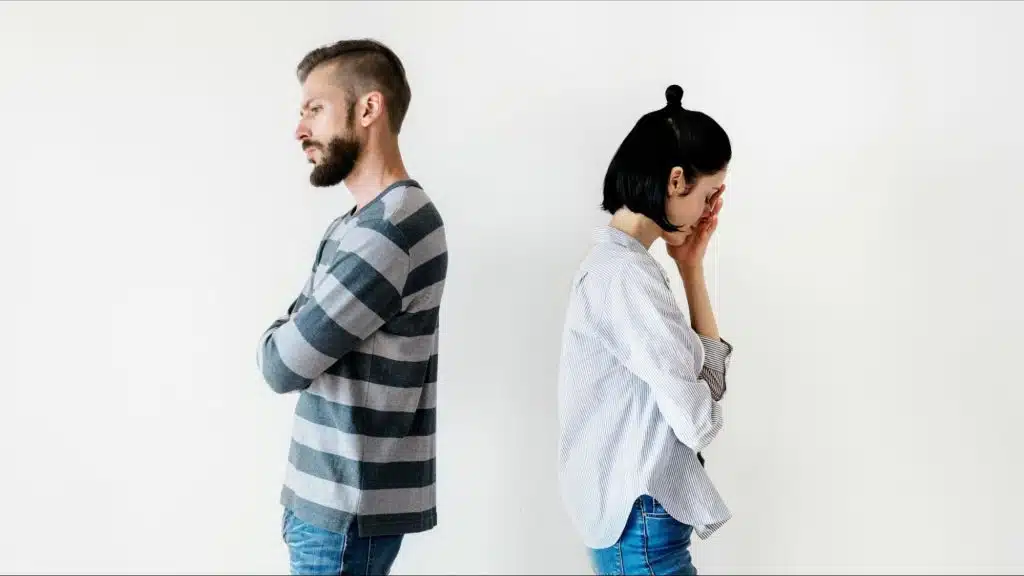
Many couples notice the emotional climate before they notice the specific cause. The home starts feeling tense, quiet, or less playful. Conversations feel shorter or more mechanical. Small interactions carry more edge than before. Emotional climate often changes when stress increases, when appreciation drops, or when resentment starts building. It can also shift when partners stop repairing after conflict. The point is not to panic. The point is to identify the pattern. These clues focus on the “vibe” changes that often come first.
Conversations Feel More Like Logistics Than Connection
If most talk is about schedules, chores, or problems, the relationship can start feeling functional instead of intimate. This can happen gradually as life gets busier. The couple still communicates, but the emotional layer disappears. Without emotional conversation, partners start feeling less known. Feeling less known creates loneliness even while together. Over time, loneliness becomes distance. Many couples assume this is normal adulthood, but it is also a warning sign. Connection needs space, not just time.
Small Things Trigger Bigger Irritation

When irritation rises, it often signals underlying stress or unresolved resentment. The small thing is rarely the real thing. It might be a tone issue, an imbalance, or emotional fatigue. When patience drops, people start reacting faster and less kindly. That changes the relationship climate quickly. If irritability becomes frequent, the relationship starts feeling unsafe. Partners may begin walking on eggshells. Eggshelled relationships lose playfulness and honesty. Irritation is often a symptom, not a personality change.
One or Both Partners Feel Less Curious About Each Other

Curiosity is a relationship fuel. When curiosity fades, partners stop asking, listening, and engaging deeply. The relationship becomes predictable in a dull way. Many couples interpret this as “the spark is gone.” Often, it is the connection habits that are gone. Curiosity declines when stress is high or when partners feel unseen. It can also decline when routines replace intentional time. Without curiosity, partners stop updating their understanding of each other. Then misunderstandings grow. Lack of curiosity can be subtle, but it changes everything.
Affection Feels Less Natural or Less Frequent

Affection often decreases when emotional safety decreases or when resentment increases. It can also decrease when stress and exhaustion are high. Some couples stop touching casually and only touch when intimacy is expected. That creates pressure. Pressure makes affection feel less safe. When affection becomes awkward, distance grows. Distance then makes affection even harder. This cycle can start quietly, without a clear moment. A drop in affection is not always a crisis. But it is usually information about the relationship climate.
The Distance Clues: When Two People Start Living Parallel Lives

Distance does not always look like fighting. Sometimes it looks like a calm separation. Partners do their routines, manage the home, and keep everything functional. But the relationship feels emotionally quiet. Parallel life can happen when people stop investing in shared moments. It can also happen when one or both partners start protecting themselves emotionally. Distance is often an adaptation to disappointment or stress. It can also be a sign that connection has not been prioritized. These clues focus on signs of growing emotional separation.
Time Together Exists, But Presence Is Missing

A couple can spend hours together and still feel disconnected. This often happens when screens, multitasking, and exhaustion dominate the evenings. The relationship becomes “together but alone.” Many people mistake physical proximity for connection. But connection requires attention. Without attention, a partner starts feeling invisible. Invisible partners stop trying. Then the relationship feels colder. Presence is one of the strongest predictors of closeness. If presence is missing, “different” makes sense.
One Partner Stops Initiating Plans or Conversations

When initiation drops, effort imbalance often grows. The partner who initiates may feel tired of chasing. The partner who doesn’t initiate may feel comfortable or distracted. Over time, this imbalance creates resentment. Resentment often shows up as less warmth, less play, and less effort. Then the relationship starts feeling one-sided. Many people interpret this as laziness. Often, it is emotional fatigue or taken-for-granted dynamics. When one partner stops initiating, it can be an early sign of withdrawal. Withdrawal usually starts before a breakup.
The Relationship Feels “Quieter,” But Not in a Peaceful Way

Peaceful quiet feels calm and safe. Unhealthy quiet feels tense and empty. Many couples experience a silence that comes from avoidance rather than comfort. Avoidance might be happening because hard talks feel unsafe or pointless. When avoidance grows, partners stop sharing. When sharing stops, intimacy drops. The relationship then feels different in a sad way. Quiet can also be a sign of emotional shutdown after repeated conflict. If quiet feels like distance, it deserves attention. Cold calm is often a warning sign.
You Feel Less Like a Team During Stress

Stress reveals whether a couple functions as partners or opponents. If stress makes one partner withdraw and the other carry everything, teamwork fades. Lack of teamwork creates loneliness. Loneliness creates resentment. Resentment creates distance. Even if there is no fighting, feeling alone during hard seasons changes the bond. Many couples drift because life gets heavy and partnership becomes uneven. The relationship starts feeling like survival, not connection. When teamwork drops, the relationship begins feeling different quickly.
The Trust and Safety Clues: When Honesty Feels Risky

Emotional safety is what allows people to stay honest. When safety drops, people protect themselves. Protection can look like silence, defensiveness, or secrecy. Secrecy is not always cheating; sometimes it is emotional self-defense. Either way, it changes the relationship tone. Trust also changes when follow-through disappears or when the partner feels dismissed. Many couples experience “different” when trust becomes less stable. Trust instability creates anxiety. Anxiety creates overthinking. Overthinking is often a symptom of unclear behavior. These clues focus on safety shifts.
One Partner Seems More Defensive Than Before

Defensiveness makes conversations harder. It turns simple feedback into conflict. The partner bringing concerns starts feeling like it is not worth it. Then they stop bringing concerns up. The relationship becomes quieter but less honest. Defensiveness can increase when someone is stressed, ashamed, or feeling criticized. But even if the cause is understandable, the impact is real. Defensiveness blocks repair. Without repair, resentment grows. If defensiveness is rising, the relationship climate will feel different quickly.
Promises or Plans Don’t Feel Reliable Anymore

When follow-through drops, trust drops. Trust is not only about loyalty; it is also about dependability. If plans are constantly delayed or forgotten, the partner starts expecting less. Expecting less is a form of emotional withdrawal. It often shows up as lower enthusiasm and reduced warmth. Many people call it “being realistic.” But it is often a trust injury. Trust injuries make love harder to feel. The relationship starts feeling unstable and uncertain. Even small reliability issues can create big emotional effects over time.
Honesty Feels Like It Will Start a Fight

If honesty feels risky, intimacy declines. This is because people stop sharing their real thoughts and needs. They keep the peace on the surface and pay for it with distance. Many couples reach this stage after repeated defensiveness, minimizing, or harsh conflict. It is not always intentional. But the impact is the same: silence grows. Silence becomes emotional separation. Emotional separation changes everything. If honesty feels dangerous, the relationship will feel different for a reason.
The Attraction and Romance Clues: When Warmth Starts Cooling

Warmth is not only romance. It is admiration, playfulness, affection, and emotional closeness. Warmth cools when stress increases and appreciation decreases. It also cools when partners stop doing the small things that keep love alive. Many couples assume attraction fades because of age or time. But attraction often fades because the relationship climate becomes cold. Cold climates reduce desire. Desire needs safety and connection. These clues highlight shifts that often predict romance decline.
Compliments and Appreciation Became Rare

When appreciation disappears, partners feel unseen. Feeling unseen reduces warmth. Reduced warmth reduces affection and desire. Appreciation is not only saying “thank you.” It is noticing effort, character, and care out loud. When it becomes rare, the relationship starts feeling like an obligation. Obligation feels heavy. Heavy relationships feel different. Many couples think appreciation is unnecessary because commitment exists. But commitment does not replace appreciation. Appreciation is maintenance.
More Criticism Than Affection Shows Up

Criticism changes how safe a relationship feels. It makes people defensive or withdrawn. When criticism becomes frequent, affection often disappears because the partner feels judged. Judged people do not feel playful. They feel careful. Careful relationships feel cold. Many couples develop this pattern without noticing it. Stress increases criticism, then criticism increases stress. It becomes a loop. If the ratio of criticism to affection shifts, the relationship will feel different. Warmth needs protection.
Intimacy Feels Like Pressure Instead of Connection

Pressure kills desire. If intimacy feels like obligation, the relationship climate is likely strained. This can happen when emotional connection declines or when stress is high. Some couples stop having non-sexual affection, and intimacy becomes awkward. Then pressure increases because one partner feels rejected. That pressure makes the other partner withdraw more. The cycle becomes painful. Intimacy works best when it grows from safety, warmth, and daily connection. If intimacy feels tense, something deeper is usually happening. That tension often explains why the relationship feels different.
“Different” Is a Signal, Not a Sentence

A relationship feeling different is not always a sign it is ending. But it is often a sign that connection habits, stress levels, or emotional safety have shifted. The important part is noticing the pattern early rather than waiting for a crisis. Many of these clues can be reversed with better presence, more appreciation, and faster repair after conflict. Honest conversations are easier when tone is respectful and defensiveness is lowered. Shared rituals and small fun moments can rebuild warmth quickly. Responsibility balance can reduce resentment and burnout. If the relationship feels different, treat that feeling like information worth respecting. The best time to respond is before distance becomes normal. Small changes made consistently can bring the “good version” of the relationship back.








Ask Me Anything