
When you and your partner want the same things but not at the same time–marriage, kids, moving in, buying a home–it can feel like you’re standing in the same room but looking at different clocks. Having shared dreams but mismatched timelines doesn’t automatically mean you’re incompatible; it just means your relationship requires more patience, communication, and trust. This kind of gap tests emotional maturity and forces both people to balance love with reality.
Here are 17 ways to bridge the timing gap without breaking the bond.
1. Acknowledge That You’re on Different Timelines (Not Different Paths)
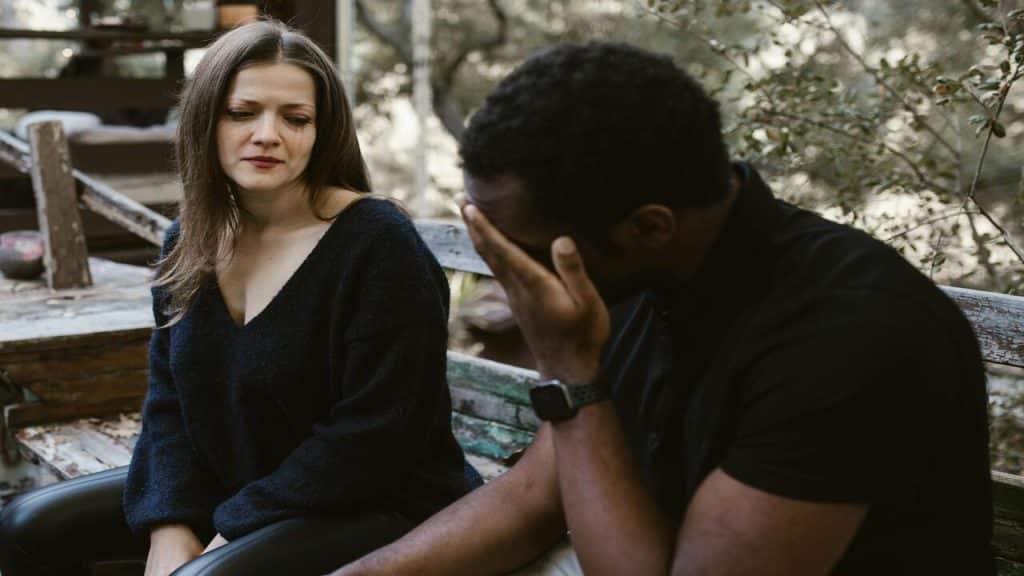
The first step is recognizing that having different timelines doesn’t mean you’re growing apart–it means you’re growing at different speeds. It’s normal for one partner to be ready for the next big step while the other still needs time. What matters most is whether both of you still want the same destination. Instead of panicking, treat it as a timing issue, not a compatibility one. That mental shift alone removes a lot of unnecessary pressure.
2. Talk About What “Ready” Actually Means for Each of You

When one partner says, “I’m not ready,” it’s easy to assume they’re avoiding commitment–but readiness is rarely that simple. It could mean financial stability, emotional security, or simply wanting to feel more confident about the relationship. Get specific. Ask, “What would make you feel ready?” Those conversations replace vague fears with tangible goals and give you both something to work toward instead of drifting apart in confusion.
3. Align on Vision Before You Align on Timing

The biggest mistake couples make is trying to sync timelines before confirming they’re dreaming the same dream. Talk openly about what the long-term future looks like for both of you–five, ten, even fifteen years down the line. Once you know your visions match, the timeline becomes a flexible detail, not a make-or-break issue. You’ll find that alignment in purpose often makes waiting feel less like limbo and more like preparation.
4. Avoid Turning Waiting Into Punishment

It’s easy to fall into resentment when one person is ready and the other isn’t–but pressuring, guilt-tripping, or issuing ultimatums rarely lead to genuine readiness. It only creates compliance out of fear. Instead, use the waiting period to build your emotional connection and personal goals. The healthiest couples learn to live fully in the present while planning responsibly for the future. That’s how love matures instead of fractures.
5. Regularly Revisit the Conversation–Don’t Bury It

Timelines shift, and so do people. A discussion you had a year ago may not reflect your current circumstances. Schedule periodic check-ins about your shared goals, especially during major life changes like job shifts or relocations. These talks don’t have to be heavy–they’re simply a way to stay emotionally in sync. Think of it as updating your relationship’s roadmap before anyone gets lost.
6. Manage Expectations Around External Pressure

Family, friends, and even social media can amplify the sense that you’re “behind.” Everyone else seems to be getting married or buying homes, and it’s hard not to internalize that timeline. But comparing your love story to someone else’s is a shortcut to frustration. Protect your relationship from that noise by reminding each other that meaningful progress isn’t measured by a wedding date–it’s measured by the quality of your partnership.
7. Build a Shared Timeline Together

Once you’ve clarified your goals and readiness levels, map out a realistic, flexible plan together. It doesn’t need to be rigid–just something that gives both of you a sense of direction. For example, maybe one partner wants to move in after a career milestone, or you both agree to revisit marriage discussions in a year. This gives structure to your shared dream and helps both partners feel seen and respected.
8. Strengthen the Relationship in the “In-Between” Time

Don’t let the waiting period become wasted time. Use it to deepen your connection, learn each other’s love languages, or pursue couple goals that bring joy–like traveling together or learning to manage money as a team. The more emotionally intimate and secure your relationship becomes, the easier it is to handle different paces without fear or frustration. Growth during the in-between often defines your future stability.
9. Focus on Emotional Security, Not Control

When timelines differ, insecurity can creep in–“Do they really love me?” or “Will they ever be ready?” The antidote isn’t control, it’s emotional safety. Reassure each other regularly, show up consistently, and validate each other’s needs. Trust grows when neither partner feels forced or rushed. Remember, real commitment isn’t just about timing–it’s about the reliability of your emotional presence.
10. Don’t Assume Delay Means Doubt

A delay doesn’t always signal hesitation about you–sometimes it’s about life circumstances. Maybe your partner wants to feel more stable before proposing or moving in. Interpretations matter: assuming bad intent can breed unnecessary conflict. Instead, ask clarifying questions and express your feelings without accusation. Curiosity builds bridges; assumptions build walls.
11. Keep Growing Individually, Not Just as a Couple

One of the healthiest ways to navigate timeline differences is to invest in your own personal growth. Take that time to explore your career, friendships, or hobbies. When you both grow individually, you bring more emotional maturity and perspective into the relationship. That self-development ensures you’re choosing each other out of love–not dependency or impatience.
12. Address Fear of Missing Out (FOMO) Together

When timelines feel out of sync, it’s easy to feel left behind–especially if you’re ready for “more” and your partner isn’t. Acknowledge those emotions honestly instead of pretending they don’t exist. Share your fears without blame. Often, talking through the FOMO out loud helps you realize your life isn’t stalled–it’s just unfolding at its own pace. Patience feels easier when you feel emotionally understood.
13. Create Emotional Checkpoints

Rather than fixating on the finish line, create small milestones to celebrate progress. Maybe it’s meeting each other’s families, reaching a financial goal, or committing to therapy together. These checkpoints remind you both that the relationship is moving forward, even if the timeline is slower than expected. Visible progress builds confidence–and keeps resentment at bay.
14. Seek Couples Counseling Early, Not as a Last Resort

If timeline differences are creating ongoing tension, don’t wait until resentment hardens. A couples therapist can help you unpack fears, communication gaps, and expectations around readiness. The Gottman Institute emphasizes that it’s not differences that destroy relationships–it’s how you handle them. Early guidance can turn a timing challenge into a chance to build stronger emotional foundations.
15. Balance Hope With Reality

You can love someone deeply and still acknowledge when your goals no longer align. Holding both truths–hope and reality–takes maturity. Stay honest about what you need and what you can realistically wait for. Hope keeps love alive, but clarity keeps it grounded. Sometimes, the kindest thing you can do for each other is to stop forcing a shared dream that no longer fits.
16. Don’t Let Anxiety Write the Story

When you’re waiting for someone to “catch up,” your mind can spiral into worst-case scenarios. Practice emotional regulation: journal, meditate, or talk to a trusted friend instead of venting your fears at your partner. The calmer you stay, the more likely you’ll have productive conversations. Anxiety thrives in silence and assumption–so bring light to it with honesty and self-soothing habits.
17. Remember That Love Isn’t a Race–It’s a Rhythm

At the end of the day, relationships aren’t about syncing perfectly–they’re about learning to move in rhythm. Sometimes one partner leads; sometimes the other. What matters is that both stay willing to adjust, communicate, and trust the process. True partnership isn’t about perfect timing–it’s about commitment to the same melody, even when you’re dancing at different speeds.








Ask Me Anything