
Divorce often creates a brutal kind of clarity. Many men look back and realize the marriage did not break overnight. It broke slowly, through small choices that felt harmless at the time. Some mistakes were loud, but many were quiet: neglect, pride, and treating the relationship as “secure” instead of “alive.” These lessons are not meant to villainize husbands or idealize wives. They are meant to highlight patterns that many men only recognize after the consequences arrive. A strong marriage requires more than love and good intentions. It requires consistent effort, respect, and repair. These are 15 mistakes divorced men often say they wish they had avoided.
The Slow Drift Mistakes: When Love Gets Taken for Granted

Many divorces begin with drift, not disaster. Drift happens when routines replace connection and effort becomes optional. The marriage still looks fine to outsiders, but the emotional temperature drops inside. Drift is especially dangerous because it feels normal until it is too late. Many men regret not noticing the early signs: less laughter, less affection, less honest conversation. The issue is rarely a lack of love. It is often a lack of maintenance. These mistakes are common because they happen quietly. Quiet mistakes still create loud endings.
Treating Her Presence Like It Was Guaranteed

Some men stop “choosing” their wife daily because the marriage feels secure. They assume commitment means she will always stay. But commitment is not the same as emotional closeness. When a wife feels taken for granted, she slowly stops offering warmth. Many husbands notice late, when the emotional distance is already deep. The regret often sounds simple: “She wanted to feel chosen.” Feeling chosen comes from attention, appreciation, and priority. When those fade, the relationship becomes colder. Cold relationships do not stay loyal emotionally forever, even if nobody cheats.
Letting Date Nights and Shared Fun Disappear

Fun is not a luxury. It is a bonding tool. Many men regret letting life become only work, errands, and recovery. Without shared fun, partners start feeling like roommates. Roommate energy drains romance and makes intimacy feel awkward. Some husbands assume “adult life” just becomes boring. But boredom is often a sign of neglected connection. Fun does not require expensive plans. It requires intention and presence. Losing playfulness is a common early step toward divorce.
Only Talking About Logistics Instead of Real Feelings

Many men regret letting conversation become purely functional. Bills, kids, chores, and schedules can take over the entire relationship. When emotional conversation disappears, intimacy becomes shallow. Shallow intimacy often turns into loneliness inside the marriage. A lonely spouse can still love, but they feel emotionally alone. Emotional loneliness is one of the biggest divorce drivers. Men often wish they had asked better questions earlier. Listening and emotional curiosity protect closeness. Without them, drift becomes normal.
Assuming Love Would “Fix It” Without Effort

Good intentions do not repair daily neglect. Many men regret assuming that love alone would keep the marriage healthy. Love is important, but skill and effort matter too. Relationships need maintenance the way health needs maintenance. When maintenance stops, problems grow quietly. Some husbands assume issues will pass on their own. Many issues do not pass; they harden. Once issues harden into resentment, repair is harder. Men often realize too late that small effort was cheaper than late panic. Effort protects love from decay.
The Conflict Mistakes: How Pride Turns Problems Into Permanent Damage

Conflict style often predicts whether a marriage survives stress. Many men regret not learning how to argue respectfully and repair quickly. Pride often blocks repair because it makes accountability feel like losing. But in marriage, “winning” often means losing closeness. Conflict mistakes are especially expensive because they create emotional scars. A wife can forgive a lot, but she rarely forgets disrespect. Disrespect changes how safe love feels. These mistakes turn arguments into long-term distance. Long-term distance is where divorce grows.
Getting Defensive Instead of Hearing Her

Defensiveness makes a wife feel like her experience does not matter. It turns feedback into a fight instead of a solution. Many men regret arguing the details instead of addressing the impact. Over time, a wife stops bringing concerns up because it feels pointless. That silence is often mistaken as peace. But it is usually a resignation. Resignation becomes emotional detachment. Detachment reduces affection and desire. Men often wish they had practiced curiosity instead of defense.
Using Harsh Tone and Calling It “Just Stress”

Stress happens in every life. The regret comes from taking stress out on the person who should feel safest. Many men admit they did not realize how much tone mattered until the marriage became cold. Harsh tone includes impatience, sarcasm, and irritation as a default. Even if there is no shouting, the emotional climate becomes unsafe. Unsafe climates create guarded partners. Guarded partners do not feel affectionate. Over time, love becomes cautious. Many men regret not protecting the home from harshness.
Avoiding Hard Conversations Until She Was Done

Avoidance feels peaceful in the moment, but it creates bigger problems later. Many men regret delaying difficult talks about needs, resentment, money, or intimacy. When issues are ignored, they stack. Stacked issues become bitterness. Bitterness becomes distance. Distance becomes the end. Some men only engaged seriously when the relationship was already collapsing. That timing often felt like panic effort, not love. Many men wish they had addressed problems early, while hope still existed. Early repair is easier than late rescue.
Keeping Score Instead of Solving the Problem

Scorekeeping turns partners into opponents. It focuses on who did more, who suffered more, and who deserves what. Many men regret turning marriage into a competition. Competition kills teamwork. Without teamwork, problems feel heavier. Scorekeeping also creates resentment because nobody feels appreciated. Appreciation is replaced by argument. Over time, the marriage becomes emotionally exhausting. Many men later realize they wanted peace, not victory. Peace requires humility, not scoreboard logic.
The Partnership Mistakes: When She Starts Feeling Alone in the Marriage

Many men regret underestimating how much women notice partnership imbalance. A marriage can survive stress, but it struggles when one person feels like the only adult. When a wife becomes the manager, the relationship becomes less romantic. When she becomes the organizer, planner, and reminder, she becomes exhausted. Exhaustion reduces desire and patience. Men often regret thinking chores were the whole issue. The deeper issue is ownership and mental load. These mistakes often turn love into resentment.
Leaving the Mental Load on Her

The mental load is the planning, remembering, and anticipating that keeps a home running. Many men regret assuming “helping when asked” was enough. Helping still keeps her as the manager. A wife who manages everything feels alone in partnership. That loneliness becomes resentment. Resentment becomes emotional distance. Distance becomes avoidance of intimacy. Many men later realize that taking ownership would have changed everything. Ownership is a form of respect. It signals that her mind deserves rest.
Letting Her Handle Everything While Saying “You’re Better at It”

This sounds like a compliment, but it often becomes a trap. It shifts responsibility away from the husband and onto the wife permanently. Over time, she feels like she has no true partner. She becomes the leader by default, not by choice. Many men regret outsourcing adulthood to their wives. It made life easier for them and heavier for her. Heavy partners eventually shut down or leave. Marriage needs shared competence, not permanent imbalance. Praise should not become an excuse. A partner should not carry everything because they are capable.
Making Work the Excuse for Emotional Absence

Work matters, but emotional absence has consequences. Many men regret giving their best energy to work and leftovers to the marriage. The wife often experienced this as low priority. Low priority creates sadness and resentment. Resentment reduces warmth. Without warmth, the marriage becomes lonely. Some men thought providing was the main proof of love. Many later realized presence mattered just as much. Being physically home is not the same as being emotionally present. Emotional absence is how couples drift even while living together. Many men regret not protecting time and attention.
The Intimacy Mistakes: When Desire Becomes a Pressure Point

Many men regret misunderstanding intimacy. They wanted closeness but created pressure. Pressure makes intimacy feel like obligation, not connection. Obligation kills desire. Many husbands admit they did not see how the emotional climate affected physical closeness. When connection is low, intimacy becomes harder. When intimacy becomes hard, pressure often increases. That cycle damages the bond. These mistakes are common, but they are fixable with awareness. The key is restoring safety and warmth, not demanding a result.
Treating Intimacy Like a Reward or a Debt

Some men regret acting like intimacy was owed because they were married. That mindset creates entitlement. Entitlement creates resistance. A wife does not feel desired when she feels pressured. She feels used. Many men later realize they wanted to feel chosen, not to “collect” intimacy. Desire works best when it is mutual and safe. Safe affection during the day often matters more than pushing at night. Intimacy should feel like connection, not negotiation. Many men regret not learning that earlier.
Ignoring Her Emotional Needs and Expecting Physical Closeness Anyway

Many men regret separating emotional connection from physical intimacy. They expected intimacy to stay strong even while emotional warmth declined. But for many women, emotional safety is a major part of desire. When she feels unseen, overworked, or dismissed, desire often drops naturally. Men often took this personally and reacted with frustration. Frustration made intimacy harder. Many later realize that improving emotional connection would have improved intimacy too. Warmth and partnership often rebuild desire. Pressure rarely does. Intimacy follows climate.
Tips: How to Avoid These Mistakes Before They Become Regrets
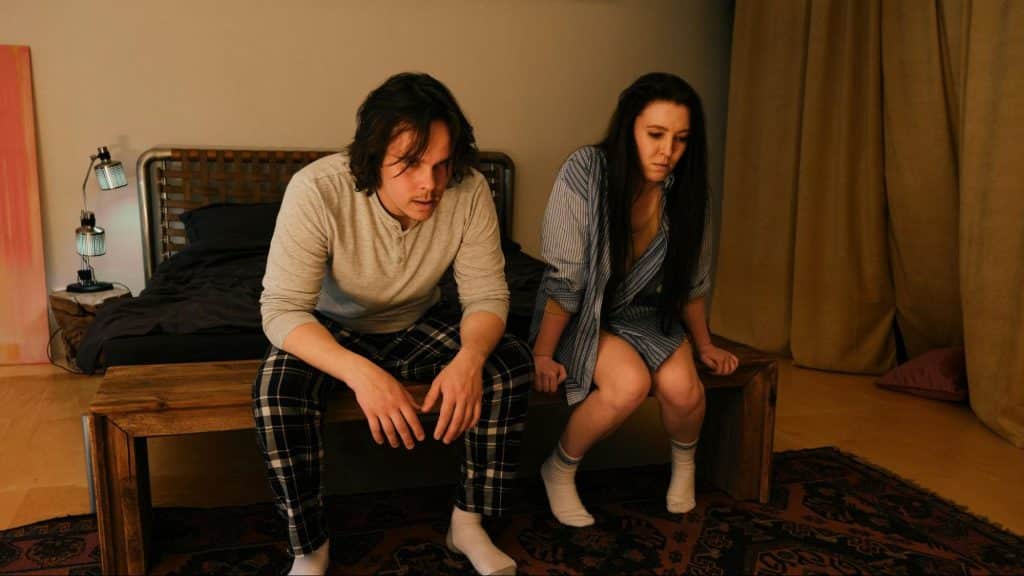
Build one weekly ritual that protects connection: a date, a walk, or a long talk without phones. Express specific appreciation daily, especially for invisible effort. Take ownership of a real responsibility category instead of helping randomly. Practice accountability in conflict: validate impact before explaining intent. Repair quickly after arguments instead of pretending nothing happened. Keep tone respectful, even when stressed. Address issues early, while hope is still strong. Consistency beats occasional grand gestures.
Tips: How to Fix a Marriage That Is Already Drifting

Start with curiosity instead of blame. Ask what has felt heavy and listen without defending. Choose one pattern to change and make it consistent for a month. Bring back one shared fun activity to restore playfulness. Reduce stress on the relationship by sharing workload more fairly. Rebuild safety with a calmer tone and faster repair. Do not rely on speeches; rely on behavior. If needed, use counseling or structured communication tools. Drift can be reversed when both people try.
Tips: What Divorced Men Often Say They Would Do Differently

They would take small warning signs seriously instead of assuming everything was fine. They would prioritize presence, not just provision. They would stop trying to win arguments and start trying to understand. They would share a mental load instead of letting their wife carry the system. They would protect romance through consistency, not holidays. They would validate feelings instead of dismissing them. They would repair faster and apologize earlier. They would treat marriage like something to maintain, not something to coast in.
Most Regrets Come From Neglect, Not Lack of Love
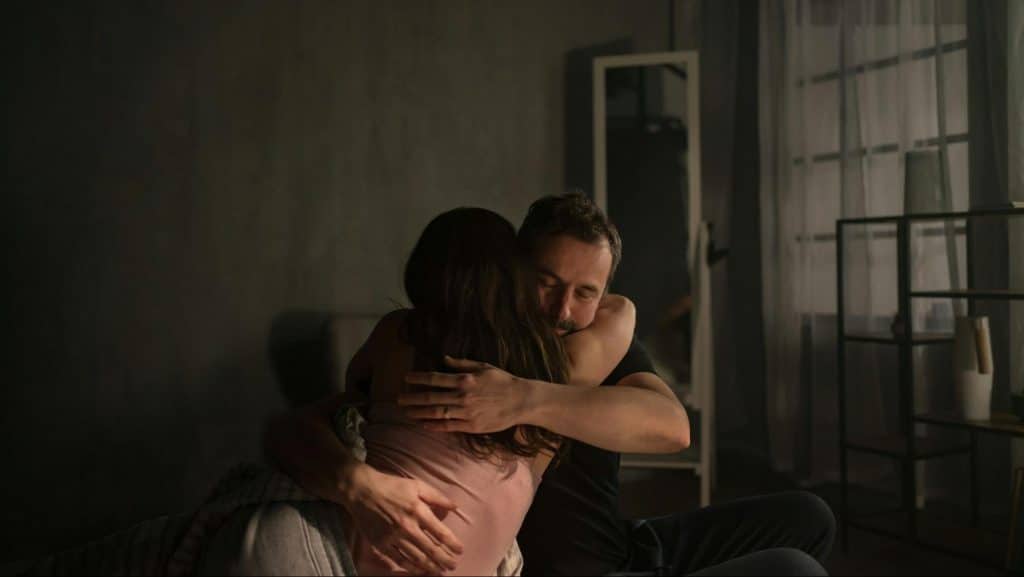
Divorced men often wish they had understood one truth sooner: love is not only a feeling, it is a practice. Many marriages end because small mistakes repeat until the relationship becomes emotionally cold. The good news is that most of these mistakes are preventable and reversible early. Consistent effort, respectful conflict, and real partnership protect long-term closeness. Appreciation and presence keep a wife feeling chosen. Shared responsibility keeps resentment from growing. Repair keeps trust alive. Marriage usually does not need perfection to survive—it needs consistency. The best time to step up is before regret becomes the loudest teacher.








Ask Me Anything