
Many men over 50 carry years of loyalty, routine, and emotional investment, making it easy to overlook signs that a relationship is no longer healthy. The desire for stability often outweighs the desire for fulfillment, and the fear of starting over becomes stronger than the discomfort of staying. These fears are understandable, rebuilding a life after midlife feels heavier than it did at 25. Yet ignoring emotional red flags only prolongs dissatisfaction and delays clarity. This introduction explores the subtle, quiet patterns men notice but push aside when uncertainty feels safer than change. Recognizing these truths isn’t about giving up, it’s about understanding what a healthy connection should still feel like.
She Minimizes His Feelings Instead of Acknowledging Them

Dismissive responses become normal, turning emotional expression into something he avoids. His concerns are met with impatience or indifference rather than interest. Over time, this reduces the emotional space he feels allowed to occupy. When feelings are treated as interruptions rather than experiences, the imbalance grows. Minimization is one of the earliest signs of emotional erosion.
Her Effort in the Relationship Quietly Declines

Routine behaviors, messaging, checking in, planning, or showing appreciation, begin to fade. What once felt mutual becomes uneven without being discussed. He notices the shift but tells himself it’s a phase. Reduced effort is rarely sudden; it’s gradual and easy to rationalize. When consistency fades, emotional investment often fades with it.
He Does More Compromising While She Does Less

The balance of flexibility shifts, placing more weight on his shoulders. He adjusts, accommodates, and adapts, while her willingness to meet in the middle declines. Over time, these imbalances become habitual rather than occasional. Quiet resentment forms when compromise becomes one-sided. A connection cannot feel equal when only one person bends.
Conversations Leave Him Feeling Drained Instead of Connected

Dialogue might still happen, but it no longer feels nourishing. Discussions turn into tension, defensiveness, or emotional withdrawal. He walks away tired rather than understood. Emotional fatigue replaces emotional intimacy. This is a sign that communication has become a burden instead of a bridge.
Her Criticism Outweighs Her Appreciation

Comments become sharper, more frequent, and less constructive. Genuine gratitude becomes rare, replaced by constant evaluation. Over time, he internalizes these criticisms, even when they’re undeserved. A pattern of chronic disapproval signals deeper dissatisfaction. Appreciation is essential; without it, connection collapses.
He Feels More Alone With Her Than He Does by Himself

Emotional presence fades even while physical presence remains. The warmth that once existed in shared moments becomes absent. Loneliness in a relationship is heavier than loneliness alone. This form of isolation indicates a significant emotional gap. When connection disappears, presence loses its meaning.
She Shows Interest Only When It Benefits Her

Affection Feels More Earned Than Freely Given

Closeness no longer feels natural or openly shared. Instead, it feels dependent on good behavior, timing, or mood. Affection becomes something he has to work for. This shift takes a toll on emotional security. Healthy affection should feel mutual, not conditional.
Every Disagreement Turns Into His Fault

Even minor misunderstandings pivot toward blame directed at him. Accountability becomes unbalanced. He stops bringing up concerns because the outcome feels predetermined. This dynamic discourages open communication. When one person absorbs all the blame, trust erodes.
She Stops Considering His Needs When Making Decisions

Plans, purchases, schedules, or commitments proceed without consulting him. His preferences become afterthoughts rather than priorities. Over time, he feels excluded from shared life choices. Emotional partnership requires shared consideration. Decisions made in isolation reveal a growing disconnect.
Her Actions No Longer Match Her Words
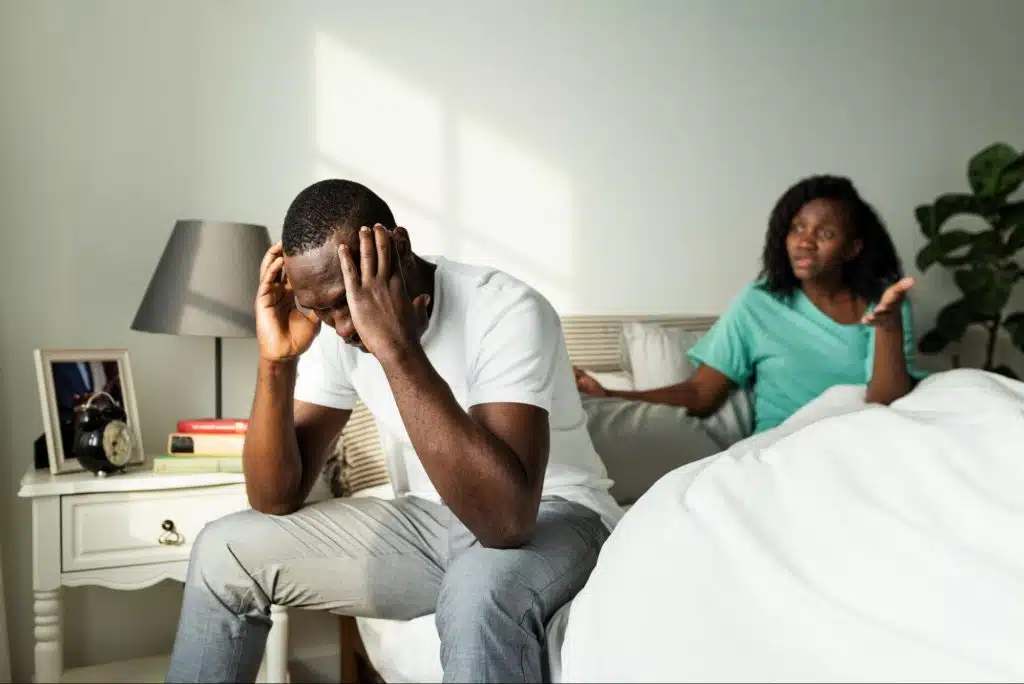
Promises of change or effort remain verbal but never materialize. Commitments go unfulfilled while explanations become routine. He notices the pattern but avoids confrontation to prevent conflict. Consistency between words and actions is essential. Repeated discrepancies signal unreliable investment.
He Avoids Bringing Up Certain Topics to Keep the Peace

Self-censorship becomes a quiet habit. There are things he no longer discusses because they lead to conflict, dismissal, or tension. Emotional honesty feels unsafe. When peace requires silence, connection becomes fragile. Avoidance reveals cracks long before arguments do.
She Invests More Energy Outside the Relationship Than Within It

Friends, hobbies, coworkers, or screens receive more engagement than he does. Emotional bandwidth is spent elsewhere while the relationship receives leftovers. This imbalance grows slowly but noticeably. A healthy relationship requires consistent emotional presence. When outside connections overshadow the internal one, distance expands.
He Feels Like He’s Proving His Worth Instead of Being Accepted

The relationship shifts from belonging to performance. He feels evaluated rather than appreciated. Emotional comfort gives way to pressure. When acceptance is replaced by conditional approval, insecurity intensifies. A partner should feel like a safe place, not a test.
She Stops Participating in Repair After Conflict

Arguments end without resolution because she doesn’t return to the conversation. He becomes the only one trying to fix things. Unrepaired tension settles into the relationship like sediment. Over time, unresolved issues pile up. Repair is essential; without it, distance grows.
His Achievements No Longer Matter to Her

Milestones, accomplishments, and hard-earned victories receive minimal acknowledgment. What once sparked pride now receives indifference. This emotional disconnect chips away at motivation. Feeling unseen in your successes creates emotional distance. Recognition is a fundamental part of partnership.
She Shows Little Curiosity About His Thoughts or Feelings

Questions about his inner world become rare. Emotional involvement declines in silence. He notices the lack of inquiry but tells himself not to expect too much. Curiosity is a sign of care; its absence signals withdrawal. Emotional neglect often starts with simple disinterest.
Emotional Tension Feels Like the New Normal

Lightness disappears, replaced by subtle heaviness in daily interactions. The atmosphere shifts from warm to strained without obvious reason. This quiet tension becomes easier to accept than confront. Emotional disconnection doesn’t start with distance, it starts with heaviness. When discomfort becomes familiar, the bond is already weakening.
He Stays Because Starting Over Feels More Terrifying Than Staying Unhappy

The fear of loneliness, financial upheaval, or rebuilding keeps him in place. Uncertainty becomes more daunting than dissatisfaction. Change requires effort he doesn’t feel ready for. This emotional standstill is common but damaging. Staying out of fear is one of the clearest signs the relationship has already ended emotionally.
CONCLUSION: The Red Flags Don’t End the Relationship, Ignoring Them Does

Men over 50 often overlook these signs because stability feels safer than disruption. Yet ignoring emotional truth only prolongs the discomfort and prevents genuine connection from forming, whether with the same partner or a new one. Recognizing these red flags isn’t an invitation to walk away; it’s an invitation to understand where emotional needs are unmet. When fear stops guiding decisions, clarity begins to appear. Lasting love requires honesty, including the honesty to admit when something no longer feels like love.








Ask Me Anything