
Everyone has quirks, preferences, and flaws. The problem is when a man uses “that’s just how I am” to avoid accountability. It turns bad behaviour into a fixed identity so nobody can challenge it. This phrase often shows up when a partner asks for basic respect, consistency, or emotional care. It is not honesty, it is a shield. Real character includes the ability to adjust harmful patterns. These red flags are the ones men often excuse as “personality,” until they damage the relationship beyond repair.
He Brags About Being “Blunt” but It’s Mostly Cruelty

He frames harsh comments as honesty and expects praise for “keeping it real.” The truth is he uses bluntness to avoid empathy and responsibility. He says things in ways that sting, then acts confused when you react. This creates emotional insecurity over time. Honest people can still be respectful. Cruel people hide behind “truth.” If his honesty always hurts, it is not honesty.
He Claims He’s “Bad at Texting” but Stays Inconsistent on Purpose

He uses “I’m just not a big communicator” to excuse disappearing. The issue is not texting style, it is predictability and basic consideration. He can respond quickly to what he values, but not to you. This creates anxiety and uncertainty, not calm. A mature man communicates enough to protect trust. If his pattern keeps you guessing, it is a red flag. Consistency is not a personality trait, it is respect.
He Calls Himself “Independent” but Avoids Partnership Responsibilities

He frames independence as refusing to coordinate, compromise, or consider your needs. He expects you to adapt to his life without him adapting to yours. This turns the relationship into “his world, your role.” Independence is healthy when it includes boundaries and self-respect. It becomes toxic when it blocks teamwork. Partnership requires shared effort. If he refuses teamwork, he is not ready for commitment.
He Says He “Doesn’t Do Drama” but Causes Chaos
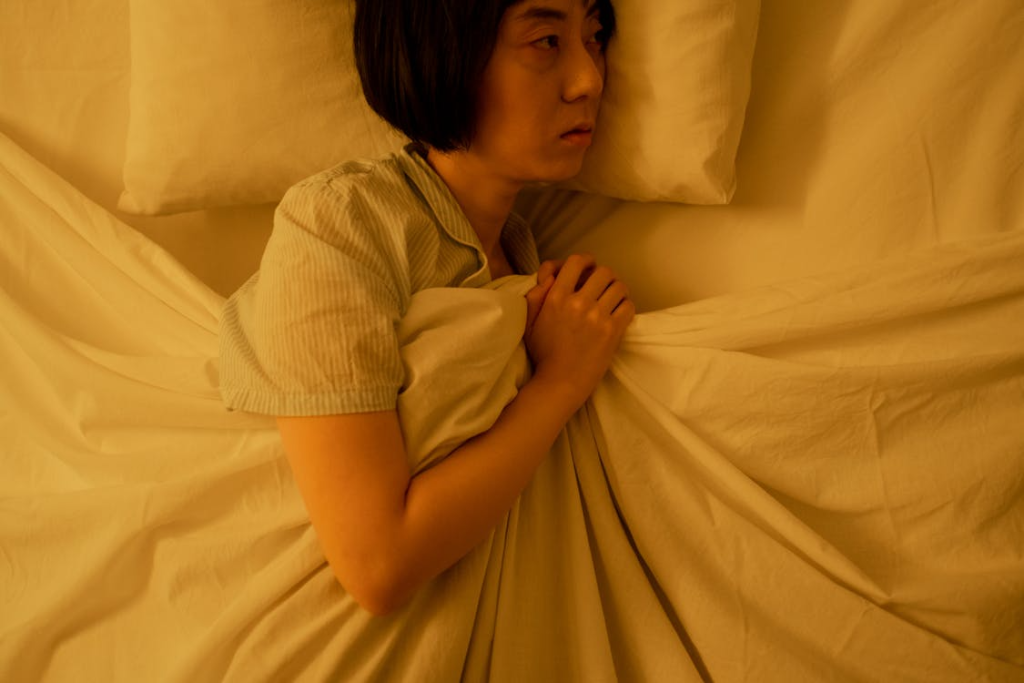
He labels your reactions as drama while ignoring what triggered them. He creates instability, then criticises you for wanting clarity. This is a way to silence concerns without changing behaviour. Calm relationships are built through repair, not avoidance. A man who truly avoids drama handles issues early. A man who causes chaos blames you for responding. That is manipulation dressed as maturity.
He Acts Like Apologies Are “Not His Thing”
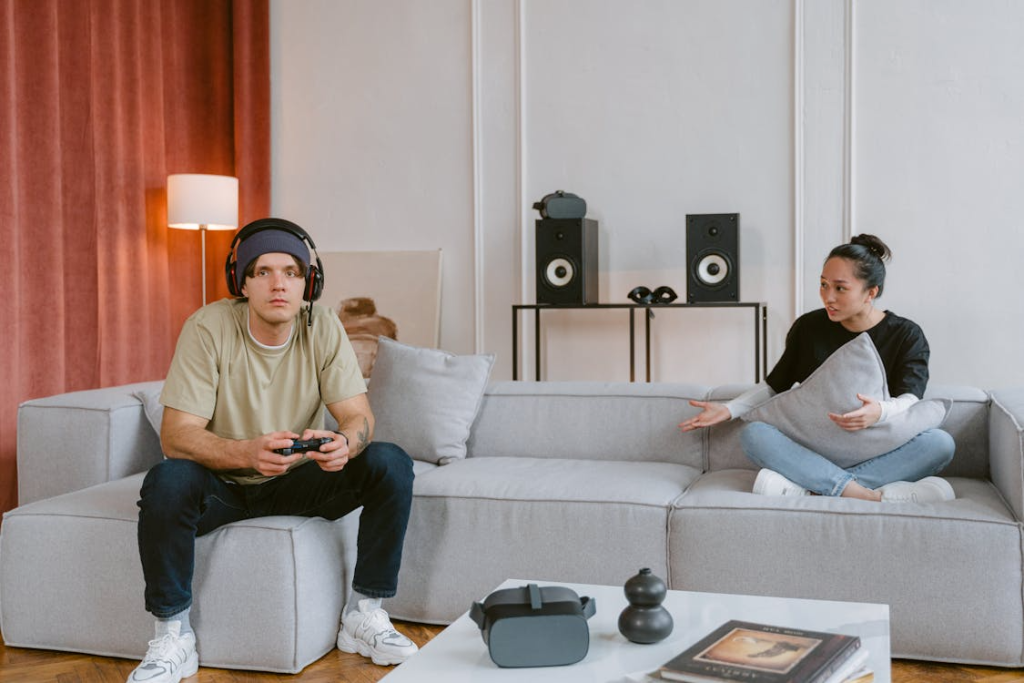
He uses pride as a personality trait and calls accountability “weak.” When he hurts you, he expects you to move on without repair. Over time, that makes the relationship emotionally unsafe. A man who refuses to apologise is a man who plans to repeat the behaviour. Repair is not optional in long-term love. You do not need a perfect man, but you need a man who owns impact. Refusing apologies is a major red flag.
He Calls It “Humour” but It’s Constant Disrespect

He makes “jokes” that degrade you, embarrass you, or poke at insecurities. When you object, he says you are too sensitive. This trains you to tolerate disrespect to keep peace. Humour should create connection, not shame. A mature man can adjust his humour when it harms his partner. If his jokes consistently hurt, it is not comedy. It is a control tactic.
He Says He’s “Forgetful” but Only For Things That Matter to You

He forgets your needs, plans, and important moments, but remembers what benefits him. This is not forgetfulness, it is low priority. People do not forget what they genuinely value repeatedly. Over time, you feel unchosen and unseen. A man who cares builds systems to remember. Effort can compensate for weak memory. If there is no effort, it is a red flag.
He Claims He’s “Not Emotional” to Avoid Emotional Labour

He treats emotional connection like an unreasonable request. He avoids deeper conversations and calls them exhausting. This makes you feel alone inside the relationship. Being “not emotional” is not an excuse to be emotionally absent. A stable man can still communicate feelings and care. Emotional maturity is not constant talking, it is basic engagement. If he refuses engagement, intimacy dies.
He Says He’s “Traditional” but Only When It Benefits Him

He uses tradition to demand obedience, convenience, or special treatment. But he ignores traditional responsibility, protection, and sacrifice. This is cherry-picking roles, not values. Real values come with consistent standards for the self, not just the partner. If he wants respect without earning it, it is a red flag. If he demands submission but avoids leadership, it is a red flag. Tradition without accountability is just control.
He Calls Himself “Low Maintenance” but Neglects the Relationship

He frames neglect as being easygoing. He stops planning, initiating, and maintaining connection. Then he expects you to be grateful he is “not demanding.” Relationships still need maintenance to stay warm. Low maintenance should mean low conflict, not low effort. If the relationship only survives on your effort, it is imbalanced. Neglect hidden as simplicity is a red flag.
He Uses “I’m Busy” as a Permanent Block Against You

He is always too busy for quality time, but not too busy for his priorities. The issue is not schedule, it is allocation. He expects you to accept scraps and call it adulthood. A man who is invested makes time, even in small consistent ways. “Busy” becomes a red flag when it is one-sided. Consistent absence kills closeness. Availability is part of commitment.
He Says “I Hate Labels” to Keep Options Open

He treats commitment language like pressure while benefiting from relationship perks. This keeps you in uncertainty while he stays comfortable. He may call it freedom, but it often functions as control. Clarity is not a trap when two people care. A man who wants you long-term will not fear defining it. Avoiding labels is sometimes just avoiding responsibility. If time passes with no progression, it is a red flag.
He Says He’s “Stubborn” and Refuses to Compromise

He treats flexibility like losing. He digs in even on small issues because control matters more than peace. This turns normal disagreements into power struggles. Long-term relationships require compromise and teamwork. Stubbornness is not strength, it is rigidity. Rigid men create stressful homes. If he cannot bend, you will eventually break.
He Claims He “Needs Space” but Uses It as Punishment

Space can be healthy, but punishment space is different. He withdraws to control your behaviour and make you chase him. He ignores you, then returns when he feels in charge again. This creates insecurity and emotional dependence. Healthy space includes communication and reassurance. Punishment space includes silence and fear. If his “space” feels like discipline, it is a red flag.
He Treats Growth Like “Changing Who He Is”

He refuses feedback because it threatens his identity. He frames basic improvement as you trying to control him. This keeps the relationship stuck and forces you to accept the worst version of him. Growth is not betrayal of self, it is maturity. A man who cannot evolve becomes a long-term liability. Relationships require adjustment as life changes. If he refuses all growth, it is a serious red flag.
The Difference Between a Trait and a Pattern That Harms

A trait is neutral and can be managed with effort. A harmful pattern damages trust, safety, and dignity. Men often confuse “this is me” with “this is my excuse.” Real self-acceptance includes owning impact and improving what hurts people. A good partner does not demand perfection, but does require respect. Harmful patterns always show up in repeated outcomes. If the outcome is pain, the pattern needs change. If he refuses change, the problem is not your sensitivity.
Why This Phrase Works So Well as a Shield

“That’s just how I am” shuts down conversation because it sounds final. It also pressures you to either accept it or leave, which many people fear. It makes you feel unreasonable for wanting basic standards. Over time, you start negotiating against yourself. This is why the phrase is so dangerous. It turns problems into identity instead of behaviour. Behaviour can change, but only if it is admitted.
What to Watch Instead of What He Says
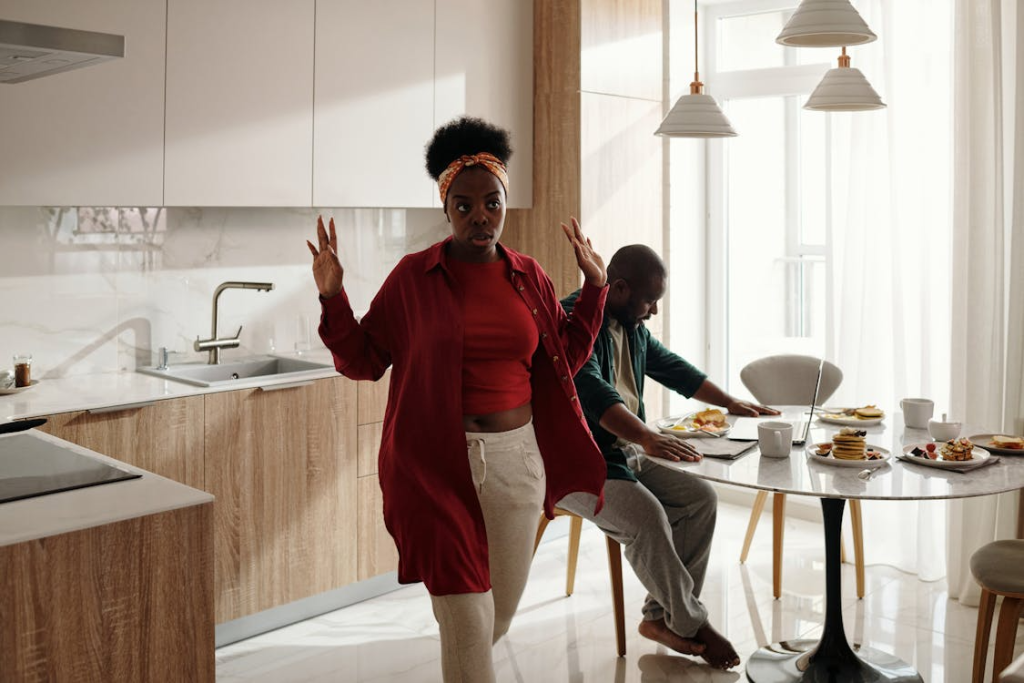
Ignore the label and watch the follow-through. A man can be “not emotional” and still show care consistently. A man can be “busy” and still protect time for connection. A man can be “blunt” and still speak with respect. The difference is intention matched by effort. Patterns reveal priorities. Priorities reveal truth. If effort is absent, the label is meaningless.
“That’s Just How I Am” Should Never Be the End of the Conversation

This phrase becomes dangerous when it is used to block accountability. Real love includes flexibility, repair, and growth. A man’s personality is not the problem; his refusal to protect the relationship is. Healthy partners can admit flaws without defending them. They take feedback seriously and adjust behaviours that harm trust. If he cannot do that, the relationship will always be carried by you. Character is proven by what someone is willing to change. A man who refuses change is telling you what life with him will always feel like.








Ask Me Anything