It’s easy to spot red flags when you are looking at other people’s relationships, but when it’s your own, you can’t see the signs. Maybe the signs are subtle, or they might be screaming out loud, but you are not just acknowledging them. Sometimes, it’s hard to admit that the person you’ve chosen isn’t “The One.” In this post, we’ll dive into the relationship red flags so you can address them early on.
Lack of respect

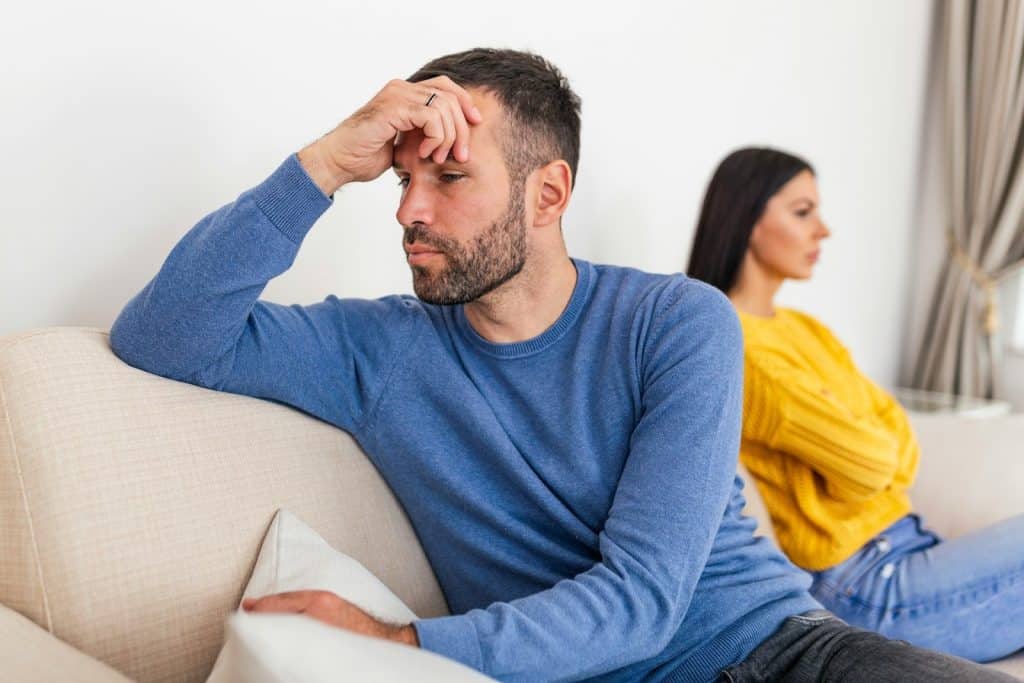
Disrespect can be seen in subtle actions like rolling eyes, snooping through your phone, or criticizing you in public. While they might be subtle, they still hurt and leave you feeling unvalued. Respect should be the baseline in a relationship. If your partner is constantly disrespecting you, make it clear that it’s not okay and you won’t tolerate it. If your partner continues repeating this behavior, it’s a red flag.
Compulsive lying
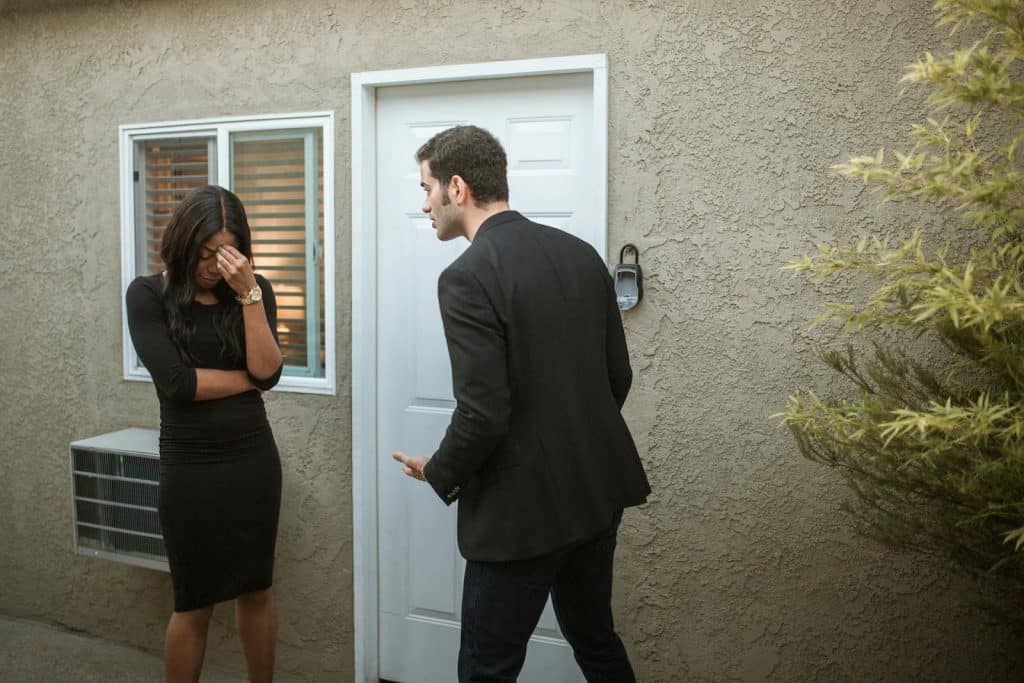
Honesty is one of the foundations of the relationship. It should be non-negotiable. Dishonesty in a relationship breaks trust. Compulsive lying is deeply ingrained and might be from childhood trauma or fear of rejection. When you spot this red flag, it’s best to call them out and set clear boundaries.
Not taking responsibility
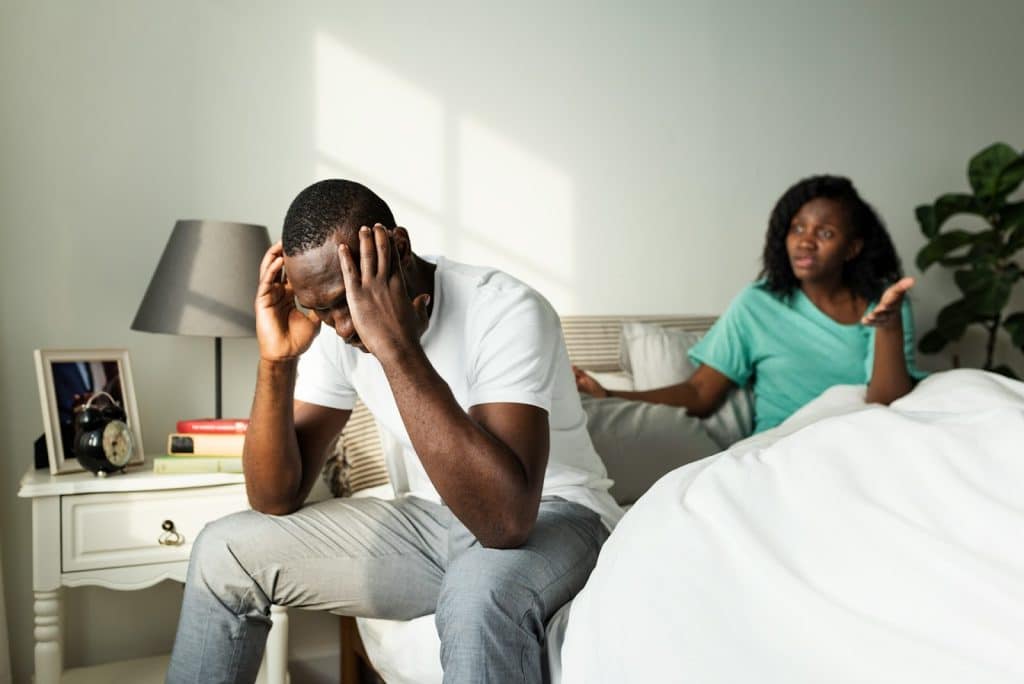
Not being able to take responsibility for your actions is a sign of disrespect for your relationship. If your partner resorts to blaming you when it’s clear that they were wrong, it’s a red flag. Not taking responsibility breaks trust and breeds resentment. Your partner feels unheard and emotionally exhausted if you are not accountable for your actions.
Lack of emotional support

The person who loves you should always support you. They should be there for you and uplift you during hard times. If your partner breaks you down instead of lifting you up, it’s a red flag. Something needs to change.
Physical, mental, or emotional abuse
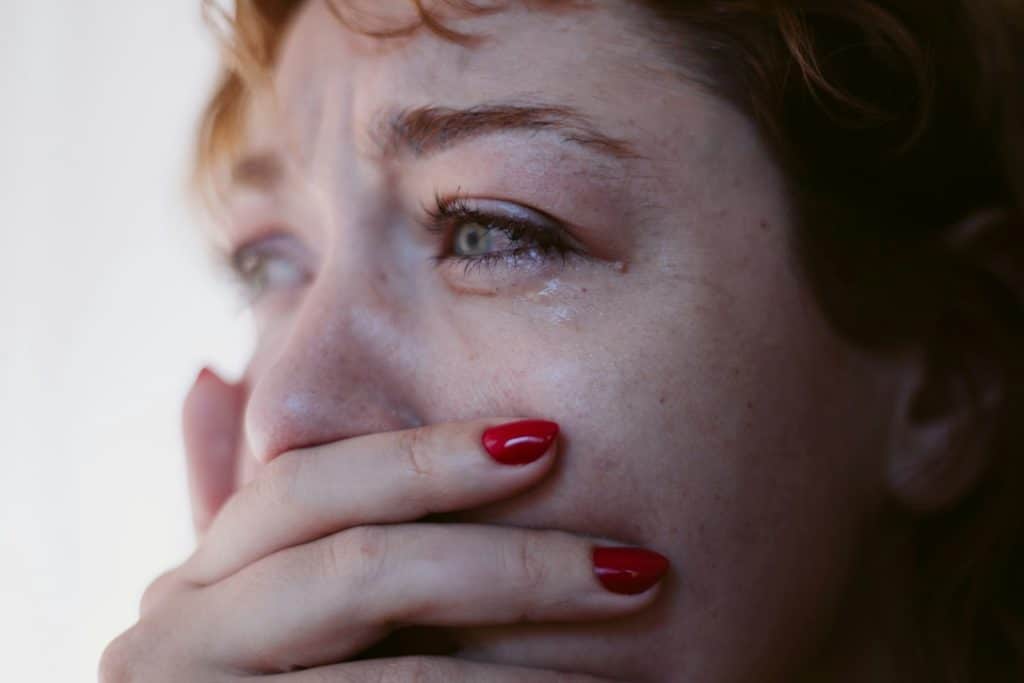
Abuse, whether physical, mental, or emotional abuse, isn’t acceptable. Attraction or history isn’t a reason to tolerate abuse. Physical abuse is easy to spot, while mental and emotional abuse are subtle. It could be gaslighting, manipulation, silent treatments, and guilt-tripping. If you spot this red flag, walk away. Don’t “man up.” Real strength is walking away from toxic behaviors and knowing that you deserve respect and peace.
Playing victim
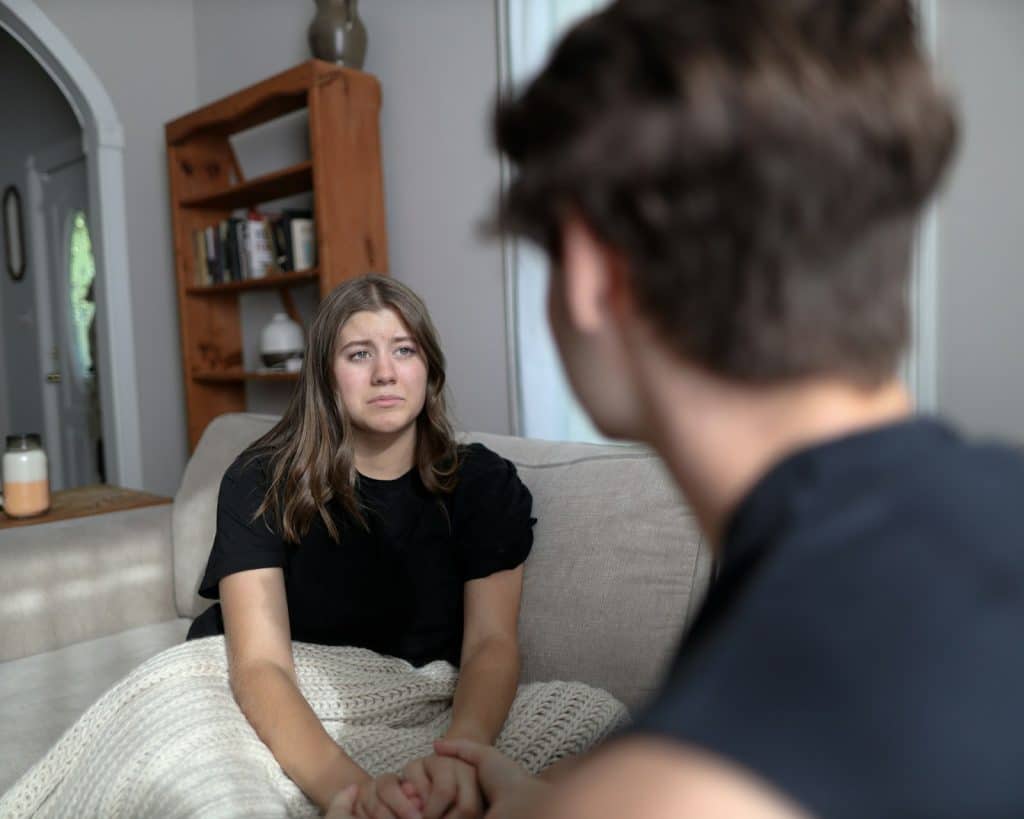
This red flag is characterized by portraying oneself as the misunderstood party, even if they are the one causing harm. They never own their mistakes and blame others. They also manipulate you by crying to make you feel guilty for speaking up. When you are in a relationship who is always playing victim, that person feels emotionally exhausted and guilty for the things you didn’t do.
Being rude to service staff

While it might not seem to be connected to a relationship, this might uncover what the person’s true self is. It’s never okay to be disrespectful. How your partner treats someone less in power in a given situation reflects their emotional maturity and humility. If your partner is rude to staff, she’ll be rude to you too. You deserve a partner who treats everyone with kindness and respect.
Infidelity

Cheating is an obvious deal-breaker. If you and your partner have been clear about exclusively dating each other, there is no room for infidelity in your relationship. Betrayal can take many forms and is not limited to physical affairs. It can be deep emotional intimacy with another person other than your partner. It could be flirty DMs, secret online relationships, or even hiding secret bank accounts from your partner. Infidelity breaks the trust in the relationship. You deserve someone whom you can trust and who chooses you every day, even when it gets hard.
Constant jealousy

Jealousy is a normal emotion, but when it’s constant, it’s a red flag. It usually stems from insecurity, past betrayal or fear of abandonment. When this behavior becomes intense, it can lead to emotional abuse and control. When you notice this in your partner, let them know that you are not tolerating that behavior. “I care about you, but I won’t tolerate my privacy being invaded.”
Extreme possessiveness

It’s normal that your partner wants to spend time with you. However, when it goes to extremes and they want you all for themselves and restrict you from meeting with friends or family, it’s possessiveness. Your relationship is not rooted in love. It’s rooted in control. Other examples of possessiveness are controlling the way you dress, checking your phone, and using tears and guilt to keep you close. Extreme possessiveness is a toxic behavior because it breaks your trust and makes you lose autonomy and independence over your own life.
Threatening suicide

Things often get heated up when couples argue, which could lead to breakups. If your partner is threatening suicide if you leave them, it’s a major red flag. It’s manipulation. They are using suicide to get away with their actions and force you to drop the issue. Manipulation is a major red flag in a relationship that isn’t acceptable.
Jealous of your success
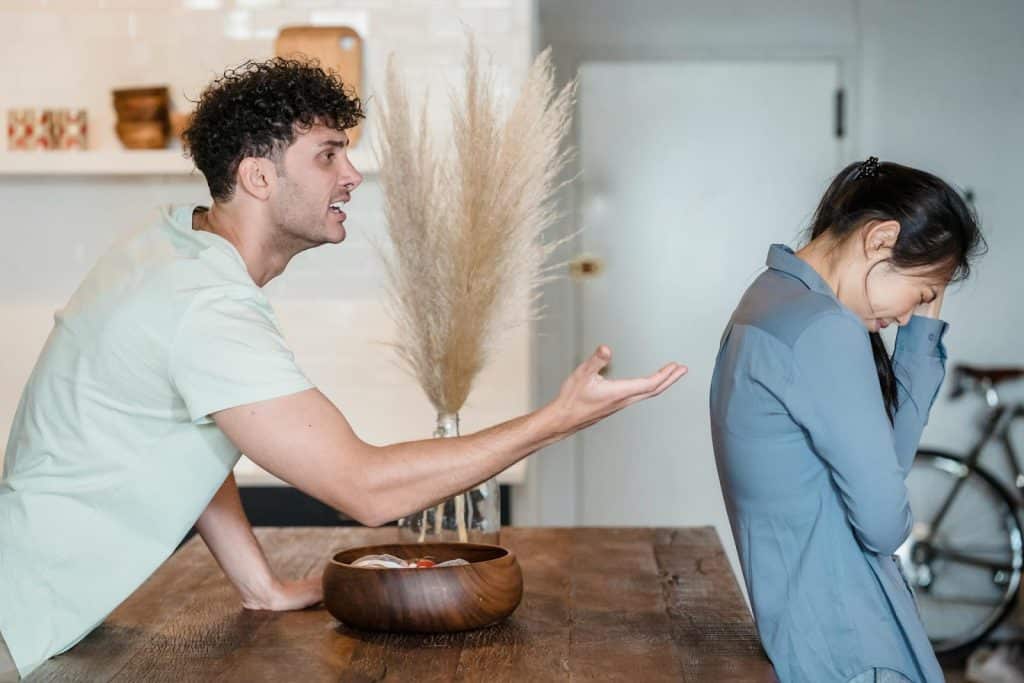
The person you love should be the one cheering for you. They should be supporting you to achieve your goals. If your partner is hindering your growth and is resentful when something good is going on in your career, it’s a red flag. They also see their relationship with you as a competition.
Narcissistic tendencies

Partners should care for each other’s needs, not just one person. Being in a relationship with someone selfish and self-centered can cause emotional exhaustion and loss of identity. You might have to sacrifice your needs just to make the narcissist happy. You deserve a partner who cares about your needs. You deserve someone who respects you and values you.
Love bombing

If a person is already talking about marriage with you on the second date, there’s a good chance they’re love bombing you. Love-bombing is when a person overwhelms you with positive sentiments and gifts before trust has been built. They move fast to gain control, so when they treat you unkindly later on in the relationship, you’ll just dismiss their behavior. Their compliments sound insincere and lack integrity.
Your friends don’t like your S.O

People outside your relationship are often the first ones to notice how your partner is treating you. You might have been blinded by love, but they’re the ones who see the truth. If your trusted friends come to you with concern about your relationship, they notice unhealthy patterns in your relationship and know that you deserve better. You should listen to them, even if it’s hard to hear the truth.








Ask Me Anything