
At first glance, “nice” people seem like the safest individuals to have in your life. They’re agreeable, polite, and rarely cause conflict. But niceness isn’t always the same thing as kindness or emotional maturity. In fact, some people use a pleasant demeanor as a shield that hides insecurity, manipulation, or passive control.
The problem is that these red flags often appear subtle at first, which is why they’re easy to overlook until the pattern becomes exhausting. Truly healthy people aren’t just nice—they’re honest, respectful, and capable of handling uncomfortable moments with integrity. If you’ve ever felt uneasy around someone who seemed “too nice,” you may have been sensing one of these warning signs.
1. They Avoid Conflict at All Costs

Someone who refuses to engage in conflict might appear peaceful, but constant avoidance can create bigger problems over time. Instead of addressing issues directly, they bury frustration and hope it disappears on its own. This often leads to resentment that quietly builds beneath the surface. When disagreements finally emerge, they can come out sideways through sarcasm, withdrawal, or sudden emotional blowups. Healthy relationships require the ability to talk through uncomfortable topics without fear. If someone insists everything is “fine” while their behavior suggests otherwise, that niceness may actually be emotional avoidance in disguise.
2. They Agree With Everyone

A person who constantly agrees with every opinion in the room may seem easygoing, but it often signals a lack of authenticity. Rather than expressing their own perspective, they mirror whoever they’re talking to. Over time, this creates confusion about what they truly believe or value. It can also make relationships feel strangely shallow because you’re never engaging with the real person underneath. Healthy people can disagree respectfully without feeling threatened. If someone never challenges ideas or offers independent thoughts, their niceness may actually be people-pleasing disguised as harmony.
3. They Keep Score Quietly

Some “nice” individuals go out of their way to help others, but they secretly keep a mental ledger of every favor. At first, their generosity feels admirable, but eventually it turns into subtle pressure. You might hear comments like, “After everything I’ve done for you…” or notice that their kindness suddenly disappears when it’s not reciprocated the way they expected. Genuine kindness is freely given, not tracked like a transaction. When someone treats relationships like a balance sheet, their niceness may actually be a form of emotional leverage.
4. They Use Guilt Instead of Honesty

Instead of clearly stating what they want, some people rely on guilt to influence others. They might sigh dramatically, make self-deprecating remarks, or say things like “Don’t worry about me” in a tone that clearly suggests you should. This approach allows them to appear nice while still getting their way indirectly. Over time, this creates a subtle emotional burden for the people around them. Healthy communication involves expressing needs directly rather than manipulating emotions. If someone’s kindness frequently leaves you feeling guilty or responsible for their feelings, it’s worth paying attention.
5. They Struggle to Say No

Being helpful is admirable, but people who never say no often create complicated dynamics. They may agree to things they don’t actually want to do, then feel resentful afterward. Instead of setting boundaries, they overextend themselves and quietly blame others for taking advantage. This pattern can slowly poison relationships because their frustration leaks out in indirect ways. A genuinely balanced person understands that saying no is sometimes necessary for maintaining respect and energy. When someone’s niceness comes at the cost of their own boundaries, it’s rarely sustainable.
6. They Expect Praise for Basic Decency

One red flag is when someone expects recognition for things that should simply be normal behavior. They might frequently mention how loyal, generous, or supportive they are in relationships. This can create an unspoken expectation that others should feel grateful for their presence. True kindness doesn’t require constant validation or applause. When someone repeatedly highlights their own “goodness,” it may signal insecurity rather than genuine humility. Pay attention to people who let their actions speak for themselves instead of narrating their virtue.
7. They Avoid Difficult Conversations

Some people maintain a pleasant image by sidestepping any topic that could create discomfort. They change the subject, make jokes, or shut down emotionally when serious issues arise. While this keeps things smooth in the short term, it prevents real growth and resolution. Over time, unresolved issues accumulate and damage trust. Mature relationships require the ability to sit through uncomfortable conversations with patience and honesty. If someone consistently prioritizes being “nice” over being truthful, important problems will likely remain unaddressed.
8. They Use Passive-Aggressive Behavior
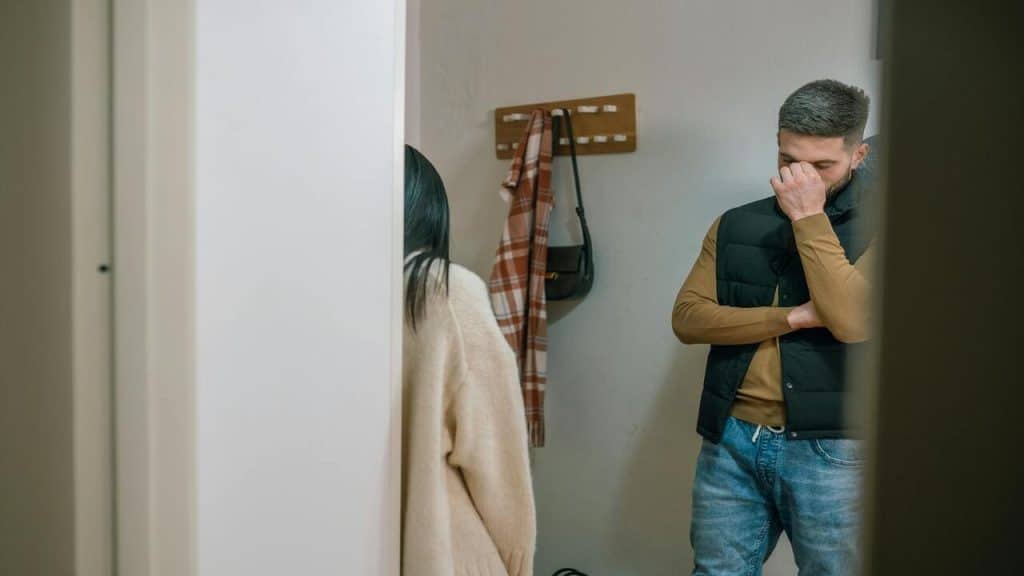
Passive-aggression is one of the most common traits hidden behind polite personalities. Instead of expressing anger directly, they communicate it through sarcasm, subtle digs, or cold silence. On the surface they remain polite, but their actions send a very different message. This can leave others feeling confused because the hostility is never openly acknowledged. Healthy individuals understand that expressing frustration respectfully is far better than disguising it. When someone’s niceness is paired with frequent passive-aggressive behavior, it often indicates suppressed resentment.
9. They Need to Be Liked by Everyone

A constant need for approval can drive people to maintain a “nice” persona at all times. They avoid anything that might risk criticism or rejection, even if it means sacrificing honesty. This can make their behavior feel calculated rather than sincere. Over time, relationships with them may feel strangely performative, as though you’re interacting with a carefully managed image. Genuine confidence allows people to accept that not everyone will like them. When someone’s identity revolves around universal approval, their niceness may be rooted in insecurity.
10. They Play the Victim

Some individuals maintain a sweet and harmless image while subtly positioning themselves as the perpetual victim. Whenever conflict arises, they emphasize how misunderstood or mistreated they feel. This makes it difficult for others to address their behavior without appearing cruel. Over time, the dynamic becomes emotionally exhausting because accountability is always redirected elsewhere. Healthy relationships require both people to acknowledge mistakes and learn from them. If someone consistently frames themselves as the injured party, their niceness may be protecting a fragile ego.
11. They Avoid Taking Responsibility

Closely related to victimhood is the inability to admit fault. Instead of acknowledging mistakes directly, they soften them with excuses or explanations that shift blame elsewhere. Because they maintain a polite tone, it can initially seem harmless. But over time, this pattern prevents real accountability from happening. Strong character shows up when someone can say, “That was my mistake,” without defensiveness. If a person’s niceness always appears when responsibility is on the table, it may be functioning as a shield rather than sincerity.
12. They Expect Unspoken Mind-Reading

Some “nice” personalities believe that good relationships should operate without direct communication. They assume others should instinctively understand their needs and feelings. When those expectations aren’t met, they become quietly disappointed or withdrawn. Instead of explaining what’s wrong, they wait for others to figure it out. This creates unnecessary tension and confusion in relationships. Mature communication involves clearly expressing what you need rather than expecting people to decode subtle signals.
13. They Hide Anger Until It Explodes

People who pride themselves on being nice sometimes suppress anger for long periods of time. They convince themselves that expressing frustration would make them appear unpleasant or difficult. Eventually, however, those emotions reach a breaking point. What follows is often an intense outburst that surprises everyone around them. Healthy individuals understand that anger can be expressed constructively when addressed early. If someone’s niceness regularly collapses into sudden explosions, it’s a sign that important emotions are being bottled up.
14. They Offer Help That Wasn’t Requested

Some people frequently jump in to solve problems others didn’t ask them to fix. While it can appear generous, this behavior sometimes carries an underlying need to feel needed or appreciated. It can even cross boundaries when their help becomes intrusive or controlling. Genuine support respects the other person’s autonomy and waits until assistance is welcome. If someone insists on helping in ways that create subtle obligation, their niceness may actually be about validation rather than generosity.
15. They Struggle With Honest Feedback

A person who identifies strongly as “nice” may react poorly when their behavior is questioned. Because they see themselves as the good one, criticism feels like a personal attack. They might become defensive, withdrawn, or overly apologetic in ways that shift attention away from the issue. Healthy individuals understand that feedback is a normal part of growth. When someone’s identity depends on always being perceived as nice, even gentle criticism can trigger an outsized reaction.
16. They Use Kindness as Control

Sometimes kindness becomes a subtle tool for influence. By always appearing helpful and accommodating, a person builds a reputation that makes it harder for others to challenge them. If someone questions their motives, they can point to their long list of good deeds as proof of innocence. This dynamic can make people feel uncomfortable pushing back. True kindness doesn’t require a strategic image. When generosity seems closely tied to maintaining power or approval, it’s worth looking deeper.
17. They Rarely Show Their Real Feelings

A constantly cheerful personality can feel pleasant at first, but it may also signal emotional suppression. If someone never expresses sadness, frustration, or vulnerability, you’re likely seeing only part of the picture. Authentic relationships require emotional range and honesty. Without it, interactions remain surface-level and guarded. People who hide their true feelings often do so to maintain a carefully curated image. Over time, that distance can prevent genuine closeness from forming.
18. Their Niceness Feels Slightly Performative

Perhaps the most subtle red flag is a sense that the person’s niceness feels rehearsed rather than natural. Their compliments may sound polished, their reactions predictable, and their kindness strangely consistent across every situation. While politeness is valuable, authentic warmth usually carries a bit of spontaneity and imperfection. Trust your instincts if someone’s behavior feels more like a performance than a personality. Genuine kindness tends to feel effortless, while manufactured niceness often feels carefully managed.








Ask Me Anything