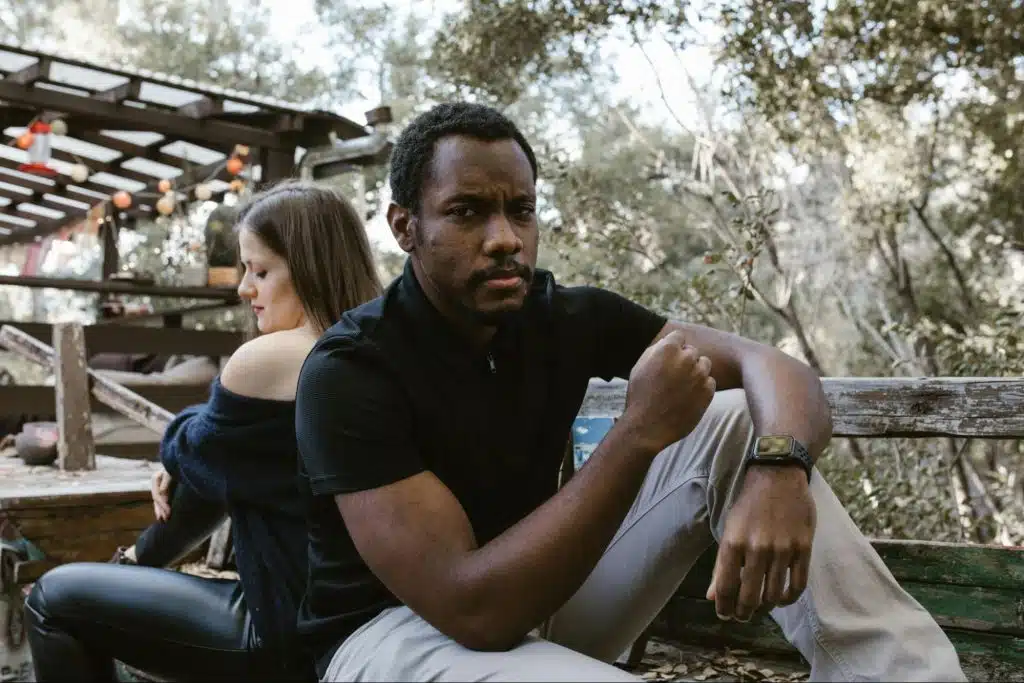
Many divorced men say the signs were there early, but they were easy to rationalize. Some believed love would smooth things out. Some thought marriage would “settle” the relationship. Others were focused on chemistry, comfort, or the idea of building a life. Red flags are rarely obvious at first; they often look like personality quirks or temporary stress. The regret usually is not “choosing wrong,” but ignoring patterns that kept repeating. These are 16 red flags divorced men often say they refused to take seriously, until the relationship could not recover.
The Early Patterns That Got Excused as “No Big Deal”

Early dating often comes with excitement and optimism. That optimism can make people minimize behaviors that later become chronic problems. Red flags also get overlooked when someone fears being alone or starting over. Some men confuse intensity with compatibility. Others confuse conflict with passion. But long-term love needs stability, not constant emotional turbulence. These red flags usually showed up early in small ways. Over time, they became the relationship’s normal operating system.
Small Disrespect That Was Labeled “Just How She Is”

Disrespect rarely starts as open cruelty. It often starts as sarcasm, belittling jokes, eye-rolling, or dismissive tone. Many men say they brushed it off because it seemed minor. But over time, repeated disrespect erodes attraction and self-worth. It also changes how safe conflict feels. A partner who consistently undermines respect creates a hostile emotional environment. Even if affection exists, contempt poisons the bond. Respect is not optional in marriage. When respect is unstable early, it usually worsens later.
Rapid Mood Swings That Controlled the Whole Home

Some men say the relationship felt like walking on eggshells. A small inconvenience could shift the entire mood. Plans, peace, and affection depended on one person’s emotional state. This created constant tension and hypervigilance. Many men ignored it because they hoped it would improve with time. But unmanaged emotional volatility often increases under stress. Stress is guaranteed in marriage. When one person’s mood dominates the household, the other person shrinks. Shrinking over time becomes resentment or numbness.
Apologies That Never Turned Into Change

A common regret is accepting repeated apologies without consistent growth. The words were sincere, but the behavior stayed the same. Men often say they accepted apologies because they wanted harmony. Over time, the cycle created exhaustion and distrust. The issue was not making mistakes; it was refusing accountability. Real accountability shows up as behavior change, not better explanations. When patterns repeat, the relationship stops feeling safe. Trust does not die from one mistake. Trust dies from repeated patterns that never change.
Conflict That Always Turned Into a Power Struggle

Some couples cannot disagree without turning it into a contest. One person needs to win, dominate, or punish. Men often say they missed how destructive this was because they thought “all couples fight.” The difference is how couples fight. When conflict becomes a power struggle, intimacy erodes quickly. Partners stop feeling like teammates. They start acting like opponents. Over time, even small conversations become exhausting. A marriage cannot thrive when every disagreement feels like war.
The Loneliness Red Flags Men Didn’t Name Early

Some men say they felt alone even while partnered. That loneliness did not always come from lack of love. It came from lack of emotional companionship. Emotional companionship includes being listened to, supported, and respected. Many men were not taught to demand that. They often interpreted loneliness as normal stress. But long-term loneliness inside marriage is a major warning sign. It usually predicts emotional withdrawal and loss of connection. These red flags are quieter, but they are serious.
He Felt Like He Could Not Speak Honestly Without Backlash

Many men say they avoided honesty because it always triggered drama. They learned to edit themselves to keep the peace. Over time, this created emotional distance and resentment. When honesty feels unsafe, intimacy becomes impossible. The relationship becomes performance instead of partnership. Performance can last for a while, but it is exhausting. Exhaustion makes people detach. Detachment makes repair harder. A healthy relationship allows difficult truths without punishment.
Her Complaints Were Constant, but Appreciation Was Rare

A steady stream of criticism drains love. Some men say they could never meet the standard, because the standard kept moving. Even when they tried, it was minimized. This created the feeling of being judged rather than valued. Over time, men often stopped trying to connect emotionally. They focused on work, distractions, or avoidance. The issue was not feedback; it was the imbalance of negativity. Relationships need positive emotional balance to survive. When the emotional climate is mostly critical, attraction dies quietly.
He Became the Only Stable Adult in the Relationship

Some men describe feeling like the responsible one in every situation. They managed finances, planning, problem-solving, and emotional stability. The partner might have been loving, but unreliable. Over time, this created exhaustion and resentment. A relationship cannot stay romantic when it becomes a caretaking role. Caretaking creates duty, not desire. Many men ignored this because they felt proud of being “strong.” But carrying everything eventually breaks people. Shared responsibility is a long-term requirement, not a luxury.
The Commitment and Values Red Flags

Many divorces come from values and expectations that were never aligned. These differences do not disappear after marriage. They get amplified by money, children, stress, and family involvement. Men often admit they avoided these conversations because they did not want to ruin the vibe. But avoiding them only delays the crash. Commitment requires alignment on what life will look like. It also requires shared rules for respect and decision-making. When values are mismatched, resentment grows. These red flags often show up as avoidance, secrecy, or chronic disagreement.
Future Talk Was Always Vague or Dismissed

Some men say the relationship stayed unclear on timelines and direction. Conversations about finances, kids, or long-term plans were avoided or mocked. This created uncertainty even while the relationship looked serious. Uncertainty becomes stressful when years pass. Many men ignored it because they assumed commitment was implied. But implied commitment is not the same as shared planning. Planning is a form of respect. Without it, marriage becomes a gamble. When the future stays vague, security shrinks.
Money Values Were Always a Hidden Fight

Money conflicts often reveal deeper values: responsibility, lifestyle, and priorities. Some men say they missed early signs of financial immaturity or secrecy. Spending, debt, or refusal to plan created tension. Even when income was stable, money became a constant stress point. Men often minimized this because they believed love mattered more. Love matters, but money stress affects daily peace. If money becomes a battlefield, the relationship becomes tense. Financial alignment is not romantic, but it is foundational. Ignoring early signs makes later conflict predictable.
Boundaries With Others Were Weak

Many men say they ignored boundary issues early. This could include flirtation, oversharing with friends, or prioritizing outsiders over the relationship. It might not have been physical betrayal, but it created insecurity and conflict. Weak boundaries also signal low protection of the relationship. A marriage needs a sense of “us” being defended. When outsiders have too much access, intimacy drops. Men often hesitated to speak up because they did not want to look controlling. But boundaries are not controlled; they are respected. Without boundaries, trust struggles to stabilize.
The “Control Disguised as Care” Pattern

Some partners control through “concern.” They monitor choices, criticize friendships, or dictate routines. It can be framed as love, but it functions as power. Men often ignored it because it did not look aggressive. Over time, control reduces freedom and self-respect. The controlled partner becomes quieter and less emotionally available. Intimacy requires autonomy. When autonomy disappears, resentment grows. Control also tends to escalate under stress. That escalation often becomes the marriage’s central conflict.
The Repair Failure Red Flags

A relationship’s future depends on repair, not perfection. Many men say the biggest red flag was not conflict, it was the inability to repair after conflict. Repair requires accountability, empathy, and behavior change. When repair fails, resentment stacks. When resentment stacks, the relationship becomes cold. A cold relationship eventually becomes separate lives. These red flags show up in patterns after disagreements. They predict how marriage will handle inevitable pressure.
Problems Got Buried Instead of Resolved

Some couples move on without resolving anything. They avoid uncomfortable talks and pretend the issue is gone. Men often accepted this because it felt peaceful. But buried problems do not disappear; they accumulate. Accumulation creates emotional distance. Emotional distance reduces attraction and trust. Over time, small issues become identity-level resentment. When everything is buried, nothing can be repaired. This creates a marriage that looks stable but feels empty.
The Relationship Could Not Handle Feedback

Some men say honest feedback always becomes a meltdown, a shutdown, or a counterattack. That made growth impossible. If one person cannot tolerate being corrected, the relationship stays stuck. Stuck relationships become frustrating and hopeless. Men often stayed silent to avoid drama. Silence prevented conflict but also prevented improvement. Improvement is necessary for long-term love. A marriage cannot thrive without learning. Learning requires feedback. If feedback is punished, the relationship becomes fragile.
The One-Sided Effort Warning Sign

Many men describe being the only one trying to fix things. They suggested counseling, routines, or changes, while the partner dismissed it. This created a painful imbalance. Relationships survive when both people want repair. They fail when only one person cares. Men often ignored the imbalance because they believed effort would eventually be noticed. But effort without reciprocity becomes self-abandonment. Self-abandonment leads to resentment. Resentment leads to emotional exit. The end often starts when effort becomes one-sided.
Tips: How to Take Red Flags Seriously Without Becoming Paranoid

Focus on patterns, not isolated bad days. Watch how a partner handles stress, feedback, and conflict over time. Pay attention to whether apologies include behavior change. Notice whether respect stays consistent during disagreements. Look for reciprocity in effort and responsibility. Ask whether honesty feels safe in the relationship. Check whether future planning is clear and mutual. If a red flag keeps repeating, treat it as information. Hope is not a strategy.
Tips: What to Do When a Red Flag Is Real

Name the behavior specifically and describe its impact calmly. Set a boundary that is clear and realistic. Watch for consistent change over time, not short bursts of improvement. Consider structured help if conversations keep collapsing. Pay attention to whether the partner takes accountability or turns it into blame. If the relationship cannot support honesty, that is a serious issue. Do not confuse chemistry with stability. Stability is what makes commitment safe. A marriage needs safety as much as love.
The Red Flags Were Not the Divorce, Ignoring Them Was

Divorced men often say the biggest mistake was not seeing the red flags. It was explaining them away until they became permanent patterns. Many of these red flags are fixable early, when both people are willing to grow. They become destructive when they become normal. Marriage intensifies everything: stress, responsibility, and emotional needs. That is why early patterns matter so much. The healthiest approach is not fear. It is clear. When patterns predict pain, taking them seriously is not negativity, it is self-respect. The goal is not to judge a partner. The goal is to protect a future from predictable damage.








Ask Me Anything