It’s one of those frustrating moments. You step on the scale, and the number is higher than you expected. You’re thinking, “Wait… how? I haven’t done anything different!”
But weight gain often creeps in slowly, tucked inside everyday habits and choices you barely notice. Don’t beat yourself up because it happens to everyone. What’s important is that you recognize what’s going on and you’re willing to change it.
Here are 20 sneaky reasons you might be gaining weight without even realizing it.
1. You’re Skipping Meals Then Overeating Later

It feels logical at first. Skip breakfast or lunch to save some calories. But hunger has a way of coming back with a vengeance.
By the time dinner rolls around, you’re starving, eating faster, and often choosing heavier foods just to feel satisfied. Skipping meals also slows down your metabolism slightly because your body senses a shortage.
2. Hidden Calories Are Lurking in Your Drinks
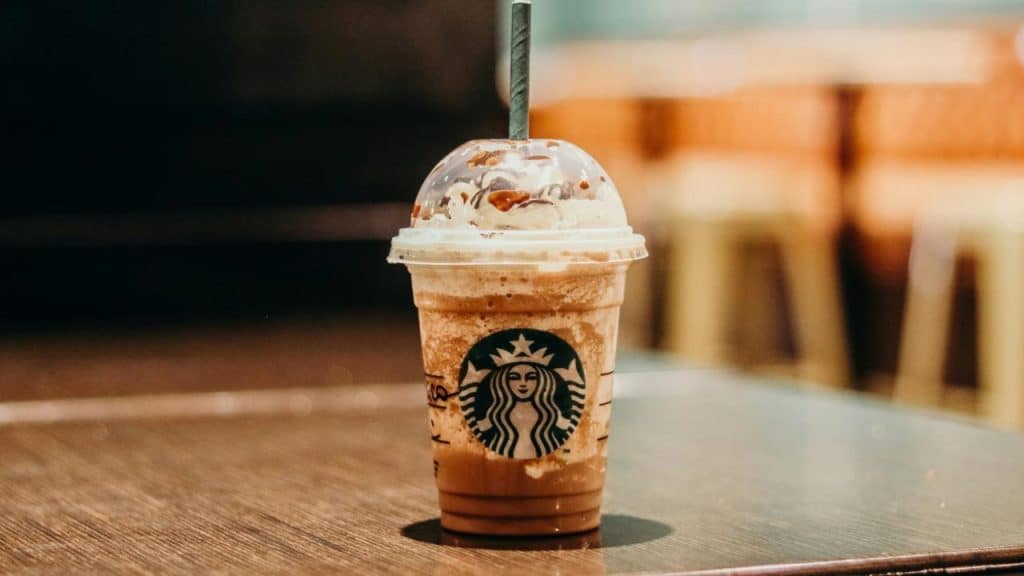
Think about what you drink during the day. A caramel latte, a craft beer or two, maybe an energy drink here and there.
These liquid calories slide right past your hunger signals because they don’t fill you up. Even fruit juice can pack as many calories as soda. Over a week, those drinks can quietly add up to a few extra pounds over time.
Some cocktails come with sugary mixers that are basically dessert in a glass.
3. Portion Sizes Have Quietly Grown

Have you noticed that restaurant plates seem to have gotten bigger? That’s not just your imagination.
Over the past few decades, portion sizes have ballooned at restaurants, in packaged snacks, and even on your dinner plates at home. Humans are naturally inclined to finish what’s in front of them, so when the plate is bigger, we eat more without thinking.
It’s like the plate is the boss of your appetite instead of your stomach.
4. Your Sleep Schedule Is Out of Whack

Late nights and groggy mornings don’t just make you cranky. They mess with your hormones, too. Lack of sleep affects leptin and ghrelin, the hormones that help regulate hunger and fullness. The result? You feel hungrier and crave high-calorie comfort foods.
Being awake longer also gives you more chances to snack. Have you ever found yourself raiding the fridge at midnight just because you couldn’t sleep? Exactly.
5. Stress Is Running the Show

Stress hormones like cortisol rise when you’re under pressure. Your body thinks it needs to store energy to handle the crisis, even if the “crisis” is just back-to-back meetings or endless traffic.
Stress also nudges you toward salty, sweet, and fatty foods. That’s why you might find yourself inhaling a bag of chips after a brutal day at work, almost on autopilot.
6. Weekend Eating Habits Wreck the Week

You’re disciplined Monday through Friday, but the weekend feels like a free-for-all. Friday night pizza, Saturday afternoon wings and beer, Sunday brunch with mimosas.
It can undo an entire week’s progress without you realizing it. A few hundred extra calories each weekend can translate into steady weight gain over months.
7. Desk Jobs and Long Commutes Keep You Sitting

Even if you hit the gym in the morning, spending most of your day seated at a desk or in the car still keeps your calorie burn lower than you’d expect.
Your body isn’t designed to sit for 10 hours straight, yet modern life often leaves little choice. That’s why little movements like walking to get coffee, stretching, even fidgeting actually help more than you’d think.
8. Your Workouts Aren’t As Intense As They Feel

It’s easy to assume that if you’re sweating, you’re torching calories. But studies show people tend to overestimate how much energy they burn during exercise.
You might leave the gym feeling like you’ve earned a burger and fries, but the treadmill’s calorie count can be optimistic at best. It doesn’t mean your workouts aren’t worthwhile, just that you might be giving them more credit than they deserve calorie-wise.
9. Medications Can Play a Big Role
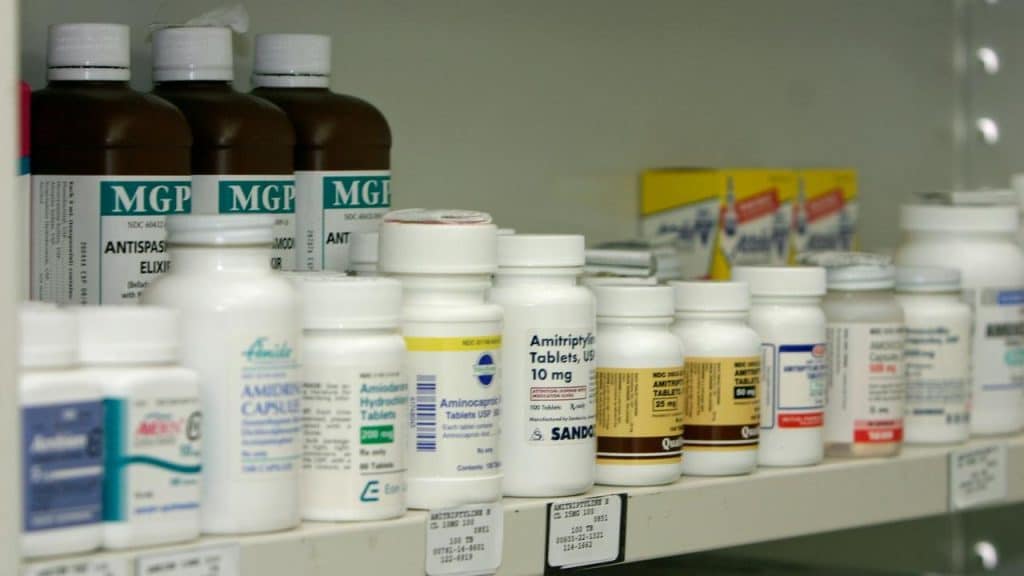
Some common medications like antidepressants, antipsychotics, steroids, and even some allergy pills can lead to weight gain as a side effect.
The tricky part is that it often happens slowly, so you don’t connect the dots. If you suspect your medication is playing a role, it’s worth asking your doctor about alternatives.
10. Muscle Loss Is Slowing Your Metabolism

After about age 30, your body starts losing muscle naturally unless you work to maintain it. Since muscle burns more calories at rest than fat does, losing muscle can slow your metabolism.
That means you burn fewer calories even if your activity and eating habits stay the same. Strength training helps keep muscle loss at bay.
11. You’re Underestimating Snacking

A handful of nuts here, a few crackers there, a couple of bites of your kid’s mac and cheese. It all counts.
Snacking isn’t inherently bad, but people tend to underestimate how much they eat between meals. Those little bites can add up to a full extra meal’s worth of calories.
12. Social Eating Events Happen More Than You Realize

Birthday cake at the office. Happy hour on Thursday. A buddy’s barbecue on Saturday. Social events tend to revolve around food, and we often eat more in those settings without paying much attention.
Peer pressure or just the smell of burgers on the grill can make it even harder to say no.
13. You’ve Stopped Paying Attention to Hunger Cues

Sometimes we eat simply because it’s noon or because the TV is on, not because we’re actually hungry. Over time, this disconnect can lead to eating more than your body needs. Listening to your body takes practice, but it can help you avoid unnecessary bites.
14. Health Foods Can Still Be Calorie Bombs

Granola, acai bowls, smoothies, and avocado toast have all been marketed as super healthy, and they can be, but they’re often loaded with calories.
That doesn’t make them bad, just easy to overdo. A smoothie the size of a football is still a lot of sugar and calories, even if it’s full of fruit.
15. Your Body Has Adapted to Your Routine

If you’ve been following the same workout and meal plan for months, your body might have adapted to it.
That means it burns fewer calories for the same effort. Like a car engine that becomes more fuel-efficient over time, your body gets more efficient too, which can stall progress.
16. Mindless Eating in Front of Screens

You sit down with a bag of chips to watch a game or scroll through your phone, and before you know it, the bag is empty.
Eating while distracted makes it harder to notice when you’re full because your brain is busy with something else. Even a small plate of food can stretch further if you’re paying attention to it.
17. Hormonal Changes Are Shifting the Scales

As you hit your 40s and 50s, hormonal changes can affect how your body stores fat. Testosterone tends to decline in men, which can reduce muscle mass and slow metabolism.
It’s not inevitable, but it’s something to factor in if you notice weight creeping up despite sticking to your usual habits.
18. Drinking Less Water Than You Think

Thirst sometimes masquerades as hunger, nudging you to snack when all you really need is a glass of water.
Even mild dehydration can mess with your mood and make you crave salty or sugary foods. Keeping a bottle of water at your desk is a simple habit that can help you feel more in control.
19. You’ve Lost Track of the Big Picture
Sometimes, weight gain isn’t about what you did this week. It’s about small changes over months or years.
Fixating on daily fluctuations can distract from the gradual trend upward. Checking in with yourself every few weeks instead of every day can give you a clearer picture.
20. Your Expectations Are Set Too High Too Fast

Trying to change everything overnight, crash dieting, two-hour workouts, and strict meal plans can be overwhelming and unsustainable.
When you can’t stick with it, the old habits come rushing back, and weight gain follows. Setting realistic, steady goals keeps you moving forward without the whiplash.








Ask Me Anything