
Ever had an argument where she clearly crossed a line… but the words “I’m sorry” never came out of her mouth? You’re not alone. A lot of men wrestle with this one — not because they want to win, but because it’s confusing when someone can’t (or won’t) own their part.
From the outside, it can look like pride or coldness. But under the surface, there’s usually more going on. Psychology offers some surprisingly relatable reasons why apologies can be so hard — especially for women who aren’t wired to dish out the “s-word” easily. Let’s break down 15 of the most common reasons — based on real research and real experiences — why “I’m sorry” might never make it to your ears.
Fragile Self-Worth Hits Harder Than You Think
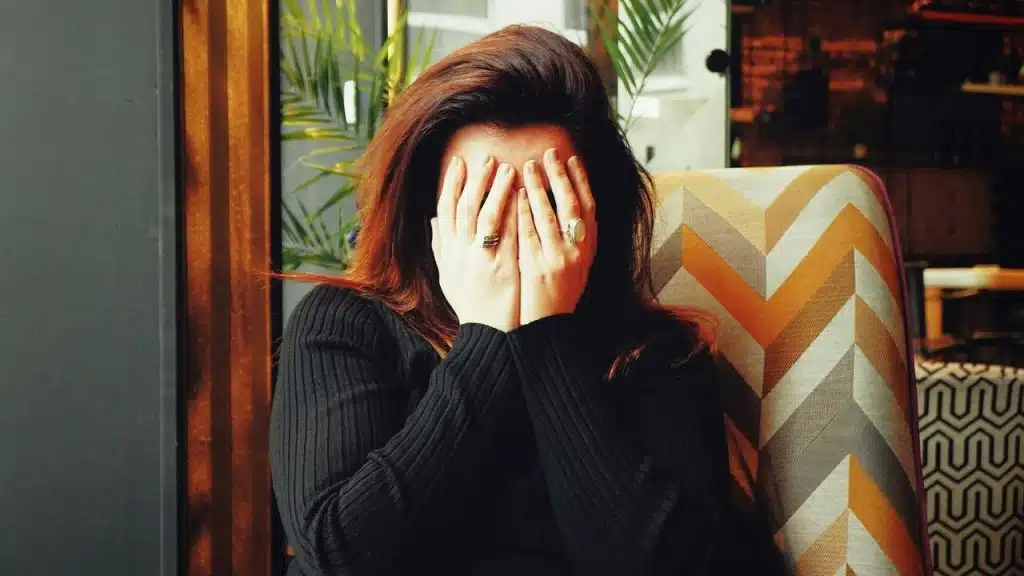
For some women, admitting fault doesn’t just feel uncomfortable — it feels like a personal attack. When someone ties their self-worth to always being “the good one,” any mistake hits deep. An apology becomes less about owning an action and more like declaring, “I’m a bad person.” That’s a heavy leap. So instead of saying sorry, they go silent or defensive, hoping it’ll all just blow over. It’s not about not caring — it’s about shielding a shaky identity from more hits.
Fear of the Blame Avalanche

Apologizing can feel like opening the floodgates. One “I’m sorry” and suddenly she’s worried she’ll be held responsible for the last three arguments, that weird Thanksgiving dinner in 2020, and the dent in your car door. It’s not that she denies messing up — she just fears that saying sorry equals taking all the blame. So she holds the line, thinking it’ll keep things from spiraling. Spoiler: it usually doesn’t.
Vulnerability Isn’t Her Comfort Zone

Saying “I’m sorry” requires dropping the armor, even just a little. For someone who finds emotional vulnerability threatening, that’s a big ask. Some women grew up in environments where softness wasn’t safe — you stayed strong or got steamrolled. So instead of showing remorse, they might act tough or aloof. It’s protection mode, not hostility. But yeah, it still stings on the receiving end.
Insecurity in Disguise

Here’s the twist — not apologizing isn’t always about arrogance. Sometimes it’s insecurity in a nice outfit. A woman with low self-esteem might avoid apologies because they confirm her worst fears: that she’s not enough, not lovable, not capable. Saying “I messed up” feels like opening the door to shame she already struggles with. So she avoids it, hoping silence looks stronger than vulnerability.
Criticism Feels Like a Knife

If she’s especially sensitive to criticism, even small mistakes feel massive. A casual, “That hurt my feelings” might land like, “You’re the worst person I know.” That kind of emotional recoil makes apologizing nearly impossible. Instead, she might double down, get defensive, or flip the blame — not because she’s malicious, but because her brain goes straight into self-preservation mode.
Fear of Being Left
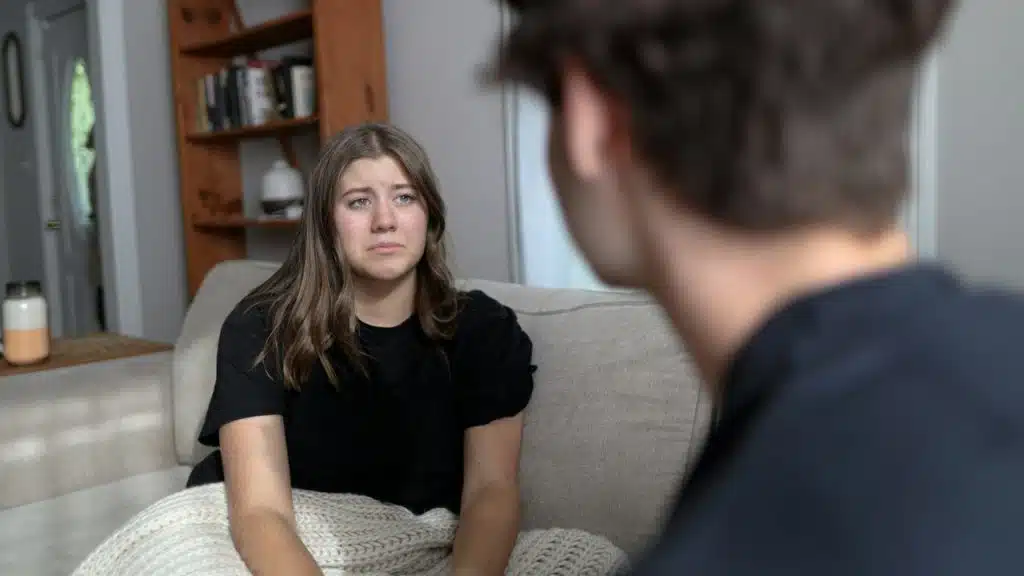
Some women associate being wrong with being unloved. If she says sorry, her brain might spin out: “What if he sees me differently now? What if I’m too much? What if he leaves?” It’s not always logical, but the fear feels real. Admitting fault feels like taking a risk that she might be rejected. And when that fear is strong, silence feels safer than sorry.
Baggage from Way Back
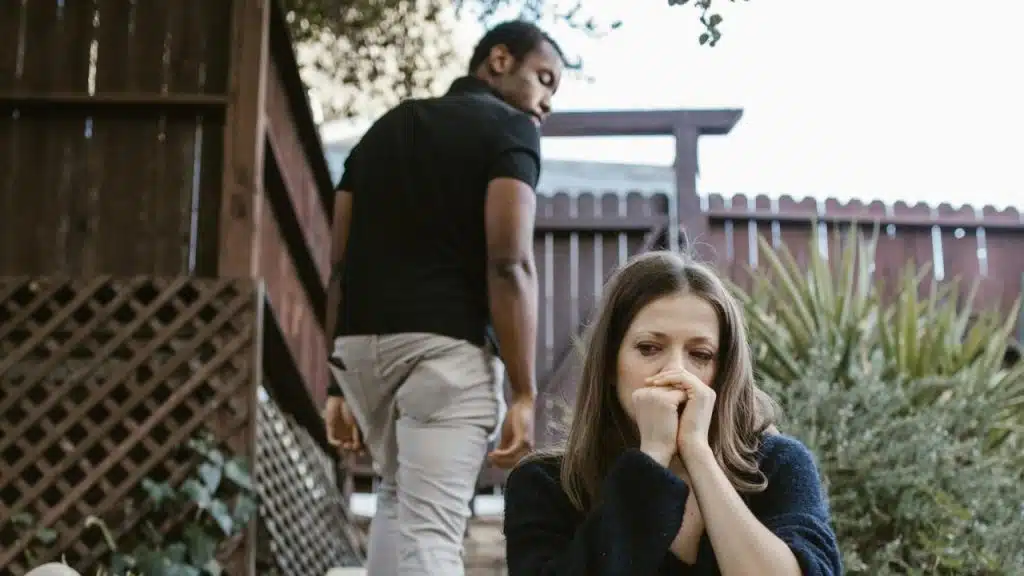
Apology habits usually start young. If she grew up in a household where apologizing led to humiliation, punishment, or lectures, she might’ve learned to avoid it altogether. Over time, that avoidance becomes automatic. Even in a safe, healthy relationship, those old patterns can still kick in. You’re not the enemy — but her nervous system hasn’t totally caught up.
She Thinks She Already Apologized

This one’s subtle. Maybe she made your favorite dinner, cuddled up later, or tossed in a half-smile and a “you good?” That’s her version of “I’m sorry.” Some people show remorse through actions instead of words, especially if they’re uncomfortable being direct. It’s not ideal when you’re craving a verbal acknowledgment, but it helps to recognize the olive branch — even if it’s dressed like lasagna.
Pride’s Got a Grip

Sometimes it is pride. Not always the villainous kind — more like the quiet belief that apologizing means losing. If she was raised to value toughness or control, saying sorry might feel like dropping rank. She doesn’t want to “look weak,” even if that’s not how you see it. So she stays quiet, not because she doesn’t care, but because swallowing that pride feels harder than eating nails.
She Doesn’t Think She’s Wrong

This one’s frustrating, but real. Sometimes she doesn’t apologize because, in her mind, she didn’t do anything wrong. It’s not gaslighting — it’s a genuinely different view of the situation. Everyone’s got their own lens, and hers might not include fault on her end. That doesn’t make it easier to deal with, but it does explain why waiting on an apology can feel like watching a mailbox that never gets mail.
Narcissism… in the Wild

Let’s be honest: not every situation is innocent. Some women — thankfully, not most — genuinely believe they don’t owe apologies because they’re never wrong. Narcissistic traits like lack of empathy, entitlement, and blame-shifting can all show up here. If she never apologizes to anyone, and turns every conflict into how you messed up, this might be the deeper issue. And yeah, that’s a different conversation.
Stubbornness = Control
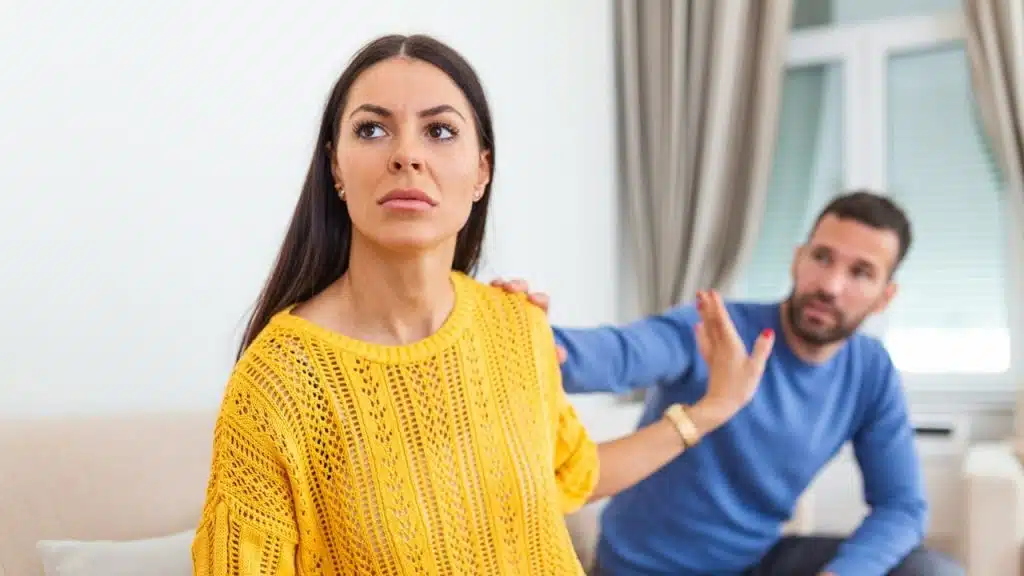
Not everyone likes being told what to do. For some women, especially high-achievers or type-A personalities, apologizing can feel like giving up control. Digging in and refusing to say sorry becomes a silent power move. It’s not about the actual argument anymore — it’s about not backing down. This kind of stubbornness isn’t always personal, but it does test your patience.
She Feels Hurt Too
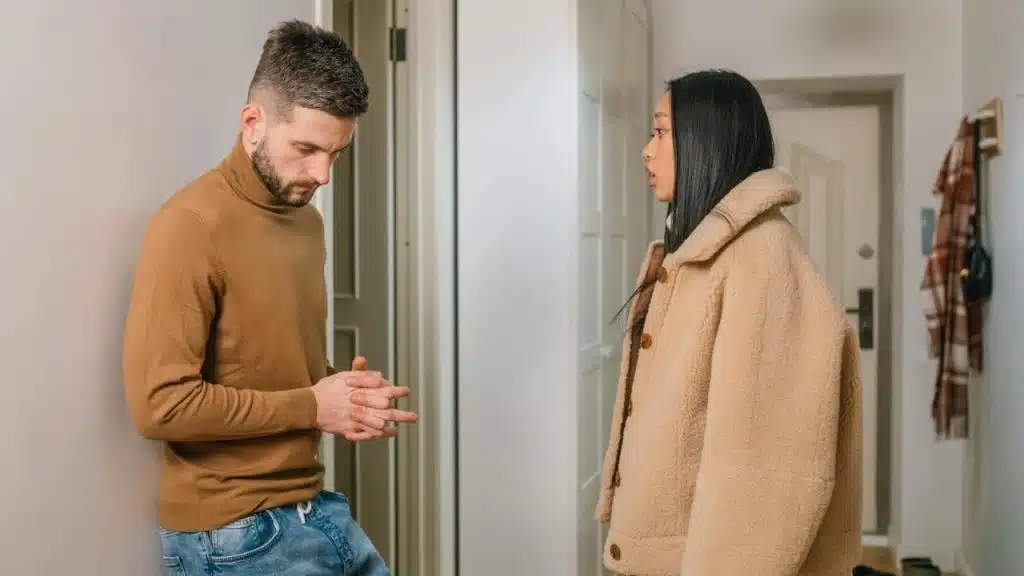
Here’s the classic standoff: both people feel wronged, and both wait for the other to say sorry first. If she feels like you started it or didn’t own your part, she might withhold her apology out of fairness. “Why should I say sorry when I was hurt too?” It’s not ideal, but it’s human. Sometimes, silence is just someone quietly saying, “My pain matters too.”
She Never Learned How
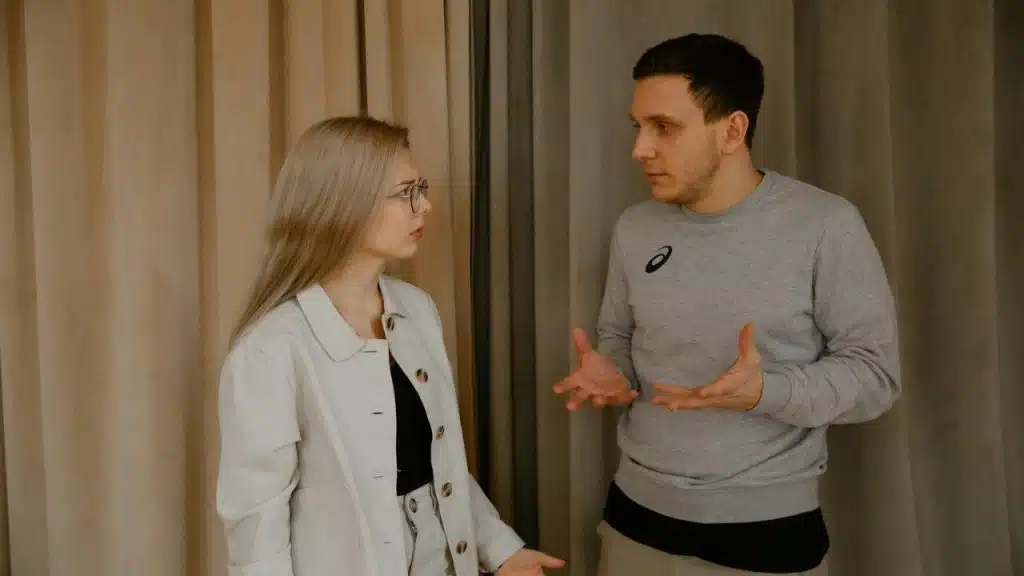
Apologizing well is a skill — and not everyone learns it. If her family avoided apologies, glossed over conflict, or punished honesty, she might literally not know how to say sorry in a way that feels right. So she stumbles, avoids, or pretends nothing happened. It’s not malice; it’s a missing tool in the kit. And without practice, even well-intentioned people struggle to fix things.
She Thinks It Won’t Change Anything

Some women skip the apology because they think it’s pointless. Maybe past apologies went badly, or maybe she believes saying sorry won’t undo the damage. So instead of risking rejection or making things worse, she chooses silence. Not the best strategy, but for her, it feels safer. “If it won’t fix it, why bother?” It’s a mindset that keeps things stuck — and leaves both sides frustrated.








Ask Me Anything