
At some point in many marriages, conversations shift. The updates get shorter. The details get filtered. The “I’ll tell you later” becomes “It’s nothing.”
When that happens, most husbands assume something dramatic is going on. An affair. A major secret. A slow emotional exit. Sometimes that’s true. Most of the time, though, it’s quieter than that. It’s not about one big secret. It’s about small moments stacking up over time. Here are the real reasons some wives stop telling their husbands everything.
She Feels Unheard

When someone doesn’t feel heard, they eventually stop talking. It’s not a protest. It’s self-protection.
If conversations often turn into quick fixes, corrections, or counterpoints, she may start feeling like her words don’t land. Many men are wired to solve problems fast. That’s useful at work. At home, though, it can make normal venting feel like a debate. Over time, it feels easier to just keep certain thoughts private.
She’s Avoiding Conflict

Not every disagreement needs to become a courtroom trial. But if discussions regularly escalate into tension, eye-rolling, or defensiveness, silence starts to look like a peaceful option.
Some wives stop sharing certain topics because they’ve learned what happens next. The conversation circles. It drags. Nobody feels better. So instead of sparking round 47 of the same argument, she edits herself before she even speaks.
She Doesn’t Want to Hurt His Feelings

A lot of withheld information is protective. Health worries. Work stress. Even dissatisfaction in the bedroom.
Many women hold back because they don’t want their husband to feel inadequate, blamed, or burdened. It’s not manipulation. It’s often an attempt to shield someone they care about. Ironically, that protection can create more distance than the original issue ever would have.
She Feels Emotionally Unsafe

Emotional safety isn’t about walking on eggshells. It’s about knowing you won’t be mocked, dismissed, or punished for being honest.
If past confessions were met with sarcasm, anger, or indifference, that memory sticks. People tend to share openly where they feel safe and retreat where they don’t. Once that retreat begins, it becomes a habit.
She’s Carrying Too Much Mental Load
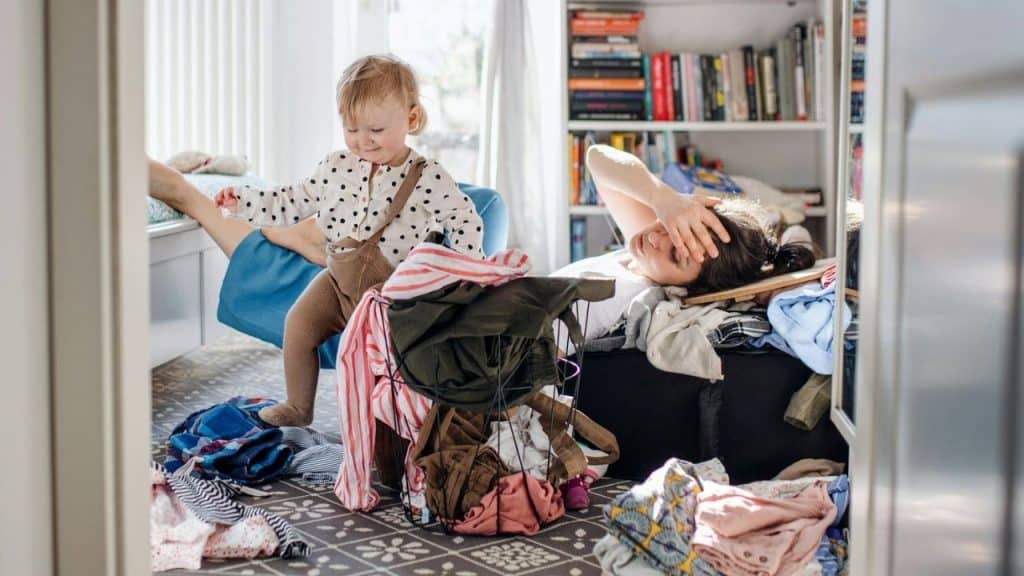
When someone is juggling schedules, kids, meals, bills, and life logistics, deep conversations drop down the priority list.
Many wives feel like managers of the household. When mental energy is spent coordinating everything, there’s little left for emotional processing. It’s not that she doesn’t want to talk. She may just be tired of being the project manager of life.
She Feels Taken for Granted

Feeling unseen changes behavior fast. If appreciation is rare and effort goes unnoticed, sharing wins or struggles can start to feel pointless. Why describe your day in detail if the response is distracted nodding while scrolling? When recognition drops, communication often follows.
She’s Built Up Resentment
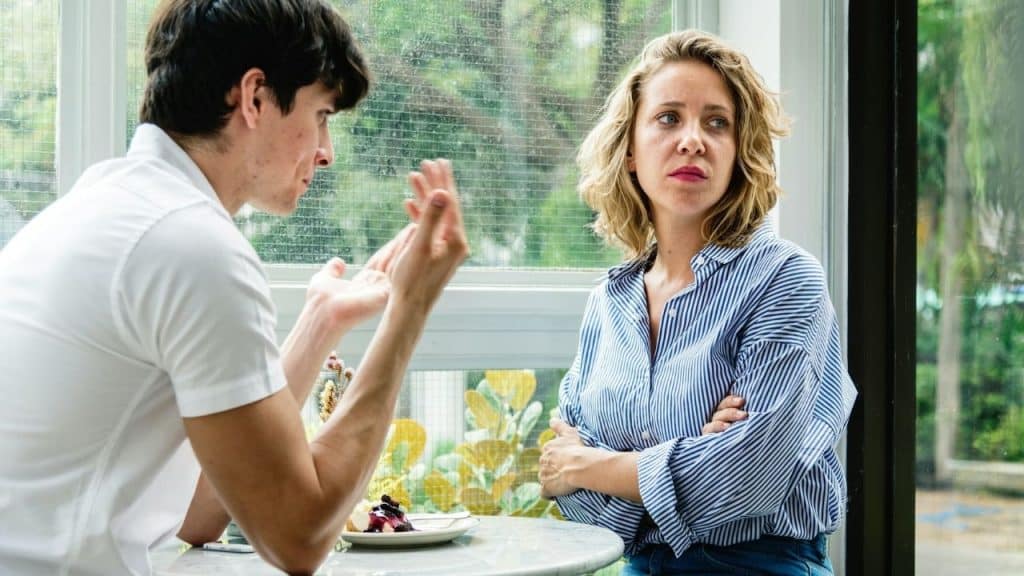
Resentment doesn’t explode overnight. It accumulates quietly. Unresolved issues, repeated disappointments, or promises that didn’t stick can create a low-grade wall. Once that wall forms, openness shrinks. She may still function in the marriage, but certain thoughts stay on her side of the line.
The Relationship Feels Like Roommates

When romance fades into routine, communication shifts with it. If life becomes just bills, chores, and logistics, emotional sharing can start to feel unnecessary. Roommates don’t usually discuss deep insecurities or private dreams. They coordinate schedules. If that’s the vibe, emotional depth tends to thin out.
He Responds With Solutions Instead of Support

There’s a time for solutions. There’s also a time for listening. If every concern is met with a five-step plan or a critique of how she handled it, she may decide to skip the conversation entirely. Sometimes people just want acknowledgment, not a performance review.
She’s Growing and He’s Not

People change over time. Interests shift. Ambitions evolve.
If she feels like she’s expanding while her husband stays emotionally or mentally static, it creates a gap. Sharing growth can feel awkward when it isn’t mirrored. Nobody wants to feel like they’re outgrowing their own marriage.
She Doesn’t Feel Like a Priority

Consistently coming last has consequences. If work, hobbies, or friends always outrank the relationship, she may quietly recalibrate. Instead of fighting for attention, she might invest less emotionally. That includes sharing less of her inner world.
She Wants Financial or Personal Autonomy

Some wives keep financial details or private goals to themselves as a form of security. This can include personal savings, therapy sessions, or long-term plans. Often it’s less about secrecy and more about independence. When trust feels shaky, autonomy feels safer.
She Feels Shame About Something

Shame is powerful. Health issues, past mistakes, or personal struggles can feel too vulnerable to expose. If she fears judgment or disappointment, silence becomes a shield. Even in good marriages, shame can block openness.
Cultural Expectations Taught Her to “Deal With It”

Many women were raised to keep the peace. That can mean minimizing needs, swallowing dissatisfaction, or not “rocking the boat.” Over time, this habit becomes automatic. Instead of raising concerns, she adjusts quietly.
She’s Testing Whether It Even Matters

Sometimes distance starts as an experiment. If she shares less and nothing changes, it confirms a suspicion: maybe her inner life isn’t that essential to the relationship. That realization can be subtle, but it shifts how much she chooses to reveal moving forward.








Ask Me Anything