
It’s a strange feeling when the person who used to back you up goes quiet. A joke lands at your expense. A comment cuts a little too close. You wait for her to step in, and she doesn’t.
That silence usually means more than the moment itself. When a wife stops defending her husband, it’s rarely about one dinner, one argument, or one awkward exchange. It’s often the surface crack of something that’s been shifting underneath for a while. Here are the reasons that silence shows up and what it might actually signal.
Emotional Disconnection

When emotional distance sets in, loyalty softens. She may still live in the same house, share the same calendar, and manage the same responsibilities, but internally, she’s stepped back. In that state, defending you doesn’t feel natural—it feels performative. And people don’t protect what they no longer feel connected to.
Loss of Respect
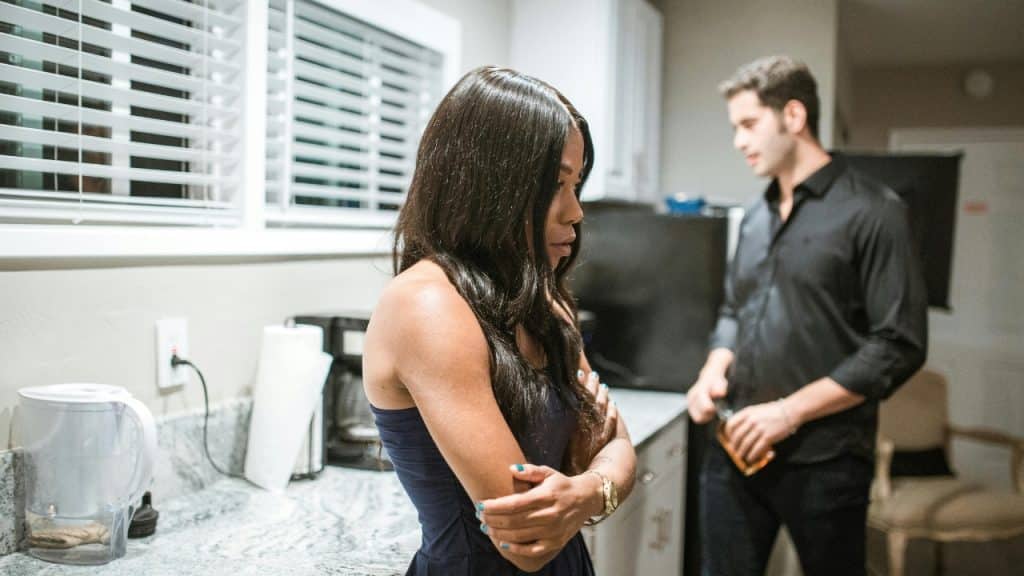
Respect is the backbone of public support. When admiration fades—because of repeated broken promises, irresponsibility, or behavior that undercuts trust—defense feels dishonest. If she doesn’t believe in your judgment or character the way she once did, stepping in on your behalf feels like pretending.
Unresolved Resentment

Old arguments that never truly got resolved don’t disappear. They sit quietly until moments like this. If she felt unprotected or unheard in the past, your current discomfort may not move her much. In her mind, it might feel like balance being restored rather than injustice being done.
A Serious Betrayal

After infidelity, financial secrecy, or a major lie, public loyalty becomes complicated. Defending you would mean shielding behavior that deeply hurt her. In those situations, silence isn’t accidental but it’s a reflection of trust that hasn’t been rebuilt.
Public Embarrassment

Repeated moments of embarrassment change dynamics. If you’ve made cutting remarks, lost your temper, or behaved in ways that put her in uncomfortable social positions, she may stop covering for you. At some point, protecting her own dignity becomes more important than protecting your image.
She’s Protecting Her Own Reputation

In some circles, people quietly judge spouses by association. If she feels your actions reflect poorly on her, professionally or socially, she may choose distance over defense. It’s not always about punishment. Sometimes it’s self-preservation.
Avoidance of Conflict

Not every silence is strategic. Some people simply hate confrontation. Jumping in to defend you might mean escalating tension, especially with family or friends. For someone wired to avoid conflict, staying neutral feels safer than choosing sides.
Feeling Unappreciated
Support thrives where appreciation exists. If she feels taken for granted—emotionally, physically, or financially—her instinct to stand up for you can weaken. It’s difficult to defend someone who rarely acknowledges what you carry behind the scenes.
Outside Influence

If close friends or family consistently criticize you, and she’s been listening to it for years, those voices start shaping perception. Over time, she may internalize those opinions. When that happens, her silence isn’t just about the moment, but it’s about a narrative that’s been building in the background.
Burnout and Emotional Exhaustion

Life pressure changes reactions. A wife juggling work, parenting, aging parents, and her own mental load may not have the energy to step into every social exchange. Sometimes it’s not indifference, it’s depletion.
Indifference Has Set In

This one is harder to face. When someone becomes emotionally indifferent, defense no longer feels necessary. There’s no anger, no loyalty surge just a flat response. Indifference is often quieter than resentment, but it’s usually deeper.
She’s Quietly Preparing to Leave

In some cases, public withdrawal of support is an early sign of private detachment. When someone has begun mentally planning an exit, protecting the marriage’s image no longer feels important. The alliance has already shifted internally.
Refusing to Enable

There are moments when silence is deliberate. If she believes defending you would excuse unhealthy behavior like your anger issues, irresponsibility, and poor decisions, she may step back intentionally. It’s less about siding against you and more about refusing to shield patterns she believes need to change.
Shifting Values

People evolve. Priorities change. If your values, lifestyle, or long-term direction no longer align, defending you can feel like defending a version of life she doesn’t relate to anymore. That divergence often shows up subtly before it becomes explicit.
She Feels You Didn’t Defend Her

Partnership has memory. If she recalls moments where she felt exposed, criticized, or unsupported while you stayed silent, that experience lingers. Over time, reciprocity fades. Silence meets silence.
Hope Has Worn Thin

Sometimes it’s not anger, not strategy, not revenge. It’s fatigue. If she’s tried for years to fix things and feels unheard, her instinct to fight for the marriage in public may weaken. Defending you requires belief in the partnership. When belief erodes, so does that reflex.








Ask Me Anything