
Something feels off, but it’s hard to pin down. Energy dips earlier in the day. Motivation isn’t what it used to be. Mood shifts show up for no clear reason. At some point, the phrase “low testosterone” enters the picture, and once it does, it’s hard to ignore.
Testosterone anxiety isn’t just about numbers on a lab report. It’s the nagging fear that something fundamental is slipping. When that fear connects with real symptoms, testosterone replacement therapy, or TRT, can start to look less like a trend and more like a solution. Here’s why it becomes so appealing for many men in that position.
It Offers a Clear Explanation for Vague Symptoms

Low energy, irritability, poor focus, and sleep problems can feel random and disconnected. When someone suggests low testosterone might link them together, it brings order to the chaos. Suddenly, there’s a biological reason instead of a personal failure.
That clarity can be comforting. It reframes the issue from “What’s wrong with me?” to “Maybe this is hormonal.” Even before treatment begins, having a name for the problem reduces some of the mental noise.
It Promises Energy Without Another Cup of Coffee

One of the most common complaints around low testosterone is persistent fatigue. Not the kind that disappears after a good night’s sleep, but the steady drag that follows you through the week. TRT is often marketed as a way to restore lost energy.
Men who read about others feeling more alert and driven, naturally caught attention. When everyday tasks start to feel heavier than they should, the idea of regaining stamina becomes very attractive. No one enjoys feeling like their battery never fully charges.
It Feels Like Taking Control Instead of Waiting

Testosterone levels naturally decline with age, roughly about 1% per year after 30 or 40. That gradual drop can feel like an unstoppable slide. TRT changes the narrative from passive decline to active management.
There’s something empowering about doing something concrete. Instead of hoping lifestyle tweaks eventually help, treatment feels decisive. That sense of action alone can make the option appealing.
It Connects Physical and Mental Health in One Move

Low testosterone has been linked to mood changes, anxiety, low motivation, and even depressive symptoms. At the same time, it can affect muscle mass, body fat, libido, and strength. When one hormone seems tied to both mind and body, fixing it feels efficient.
Men dealing with testosterone anxiety often don’t separate physical and emotional struggles. They experience it as one combined shift. TRT offers a single path that addresses both at once, at least in theory.
It Speaks to Lost Confidence

Testosterone plays a role in muscle maintenance, fat distribution, and sexual function. Changes in those areas can quietly chip away at confidence. That loss isn’t always dramatic, but it builds over time.
When men hear stories of improved mood, stronger workouts, or restored libido after TRT, it resonates. Confidence isn’t only about appearance, but physical changes can influence how someone carries themselves. Even modest improvements can feel significant.
It Offers Relief From Constant Self-Doubt

Testosterone anxiety often comes with constant second-guessing. Is this stress? Aging? Burnout? Or something deeper? That uncertainty can become exhausting.
Testing hormone levels and discussing treatment gives structure to the worry. Lab numbers, treatment plans, and follow-up appointments replace vague concern. Even if the solution isn’t simple, it feels grounded.
It’s Framed as Medically Legitimate, Not a Shortcut

Unlike performance-enhancing steroid use, TRT prescribed for clinically low testosterone is positioned as medical care. Blood tests, monitored dosing, and physician oversight add credibility. That makes it easier to consider.
Men aren’t looking for shortcuts; they’re looking for normal. When treatment is presented as restoring healthy levels rather than boosting beyond them, it feels reasonable. That distinction matters.
It Addresses Sexual Changes Head-On

Reduced libido or erectile changes are common concerns with low testosterone. These issues can create stress in relationships and personal identity. They’re also rarely discussed openly.
TRT directly targets this area. For many men, that alone puts it on the radar. Sexual health is tied to self-image more than people admit, and solutions that promise improvement gain attention quickly.
It Feels Like a Performance Reset

For professionals and entrepreneurs, drive and focus are part of identity. When mental clarity fades or motivation drops, it feels like a performance issue, not just a health one. TRT is often described as restoring sharpness.
Reports of improved concentration and reduced brain fog make the idea compelling. No one wants to feel mentally slower than they were five years ago. The appeal isn’t about superpowers, just returning to baseline.
It Offers a Counter to Age-Related Changes
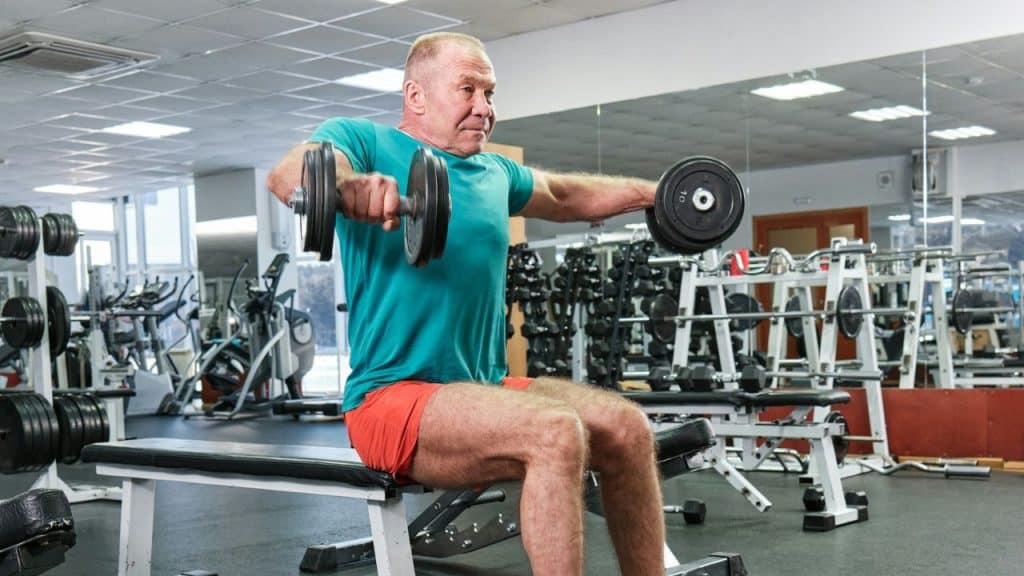
Weight gain, especially around the midsection, reduced muscle tone, and slower recovery can feel unfairly sudden. Low testosterone is often discussed as a contributor to these shifts. TRT is framed as a way to slow or reverse them.
That possibility grabs attention. Aging is expected, but losing strength or physical presence faster than expected can be unsettling. TRT is marketed as a way to stay competitive over time.
It Promises Mood Stability

Irritability and mood swings show up frequently in discussions about low testosterone. Some men describe feeling more anxious or emotionally flat. When hormone imbalance is mentioned as a possible cause, it changes the conversation.
TRT is often linked to improved mood and reduced anxiety in men with clinically low levels. The idea of feeling more even and steady is powerful. Emotional stability doesn’t get headlines, but it makes daily life smoother.
It Appeals to Men Who’ve Tried Everything Else

Before considering TRT, many men experiment with sleep, exercise, supplements, and stress management. When those don’t produce clear improvements, frustration builds. TRT then appears as the next logical step.
There’s a tipping point where lifestyle advice starts to feel repetitive. At that stage, medical intervention feels more serious and potentially more effective. It becomes less about optimization and more about resolution.
It’s Widely Discussed in Online Communities

Reddit threads and men’s health forums are full of TRT experiences. Stories range from life-changing improvements to cautionary tales. But the positive outcomes often stand out.
Reading about others who regained energy, confidence, or drive lowers the psychological barrier. Shared experience makes the option feel normal. It stops being a private concern and becomes a common one.
It Provides Structured Monitoring

TRT isn’t just a one-time decision. It involves ongoing blood tests and dose adjustments. That structure can feel reassuring, especially to men who prefer measurable data.
Instead of guessing whether things are improving, lab work tracks progress. For performance-focused personalities, that feedback loop is appealing. Numbers feel solid.
It Offers a Clear Risk-Benefit Trade-Off

Medical sources are clear that TRT carries risks. It can affect fertility, blood counts, sleep apnea, and potentially cardiovascular health in certain cases. But those risks are explained upfront.
That transparency helps. Many men are willing to weigh side effects against ongoing fatigue or mood decline. When the trade-offs are visible, the decision feels deliberate rather than reckless.
It Aligns With a Broader Health Overhaul

TRT often becomes part of a bigger plan that includes strength training, better sleep, and improved diet. It can act as a catalyst rather than a standalone fix. That integrated approach feels productive.
Instead of chasing quick changes, men often see it as part of long-term maintenance. Hormone levels become one variable in a larger system. That systems-based thinking appeals to structured minds.
It Feels Like Restoring Something, Not Becoming Someone Else

At its core, TRT appeals because it’s framed as restoration. The goal isn’t to become hyper-aggressive or dramatically different. It’s to feel like yourself again.
For men struggling with testosterone anxiety, that distinction matters. They’re not chasing extremes. They’re trying to close the gap between who they were and how they currently feel. When a treatment promises that kind of return, it naturally earns attention.








Ask Me Anything