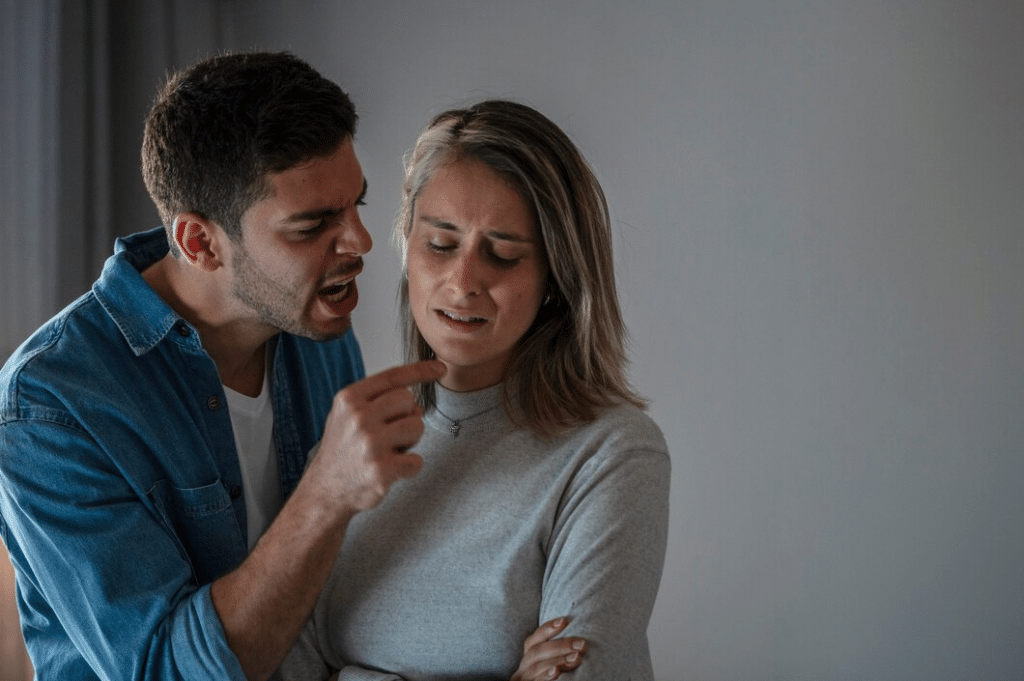
From the outside, it looks simple: someone hurts you, so you walk away. But inside the relationship, it rarely feels that clean. The bond can feel addictive, familiar, and emotionally powerful even when it’s damaging. People often go back not because they enjoy pain, but because they’re attached to hope, history, and the version of the person they keep remembering. Hurt also doesn’t always come as constant cruelty. Sometimes it comes as cycles: love, neglect, apology, repeat. That cycle creates confusion, and confusion keeps people stuck. The real question isn’t “why are you weak?” It’s “what is the relationship rewarding that overrides self-protection?” These reasons explain why people keep returning to someone who keeps hurting them.
The Good Moments Feel Too Good to Lose

Even harmful relationships usually have highs. Those highs can feel rare, intense, and meaningful. They create the belief that the relationship is “real” underneath the pain. People go back chasing the best version of the partner. They remember the sweetness, the closeness, and the early effort. The brain focuses on those moments as proof it can work. This makes leaving feel like throwing away something special. The highs become the reason the lows are tolerated. When the good feels extraordinary, the bad gets excused.
The Apology Feels Like Proof of Love
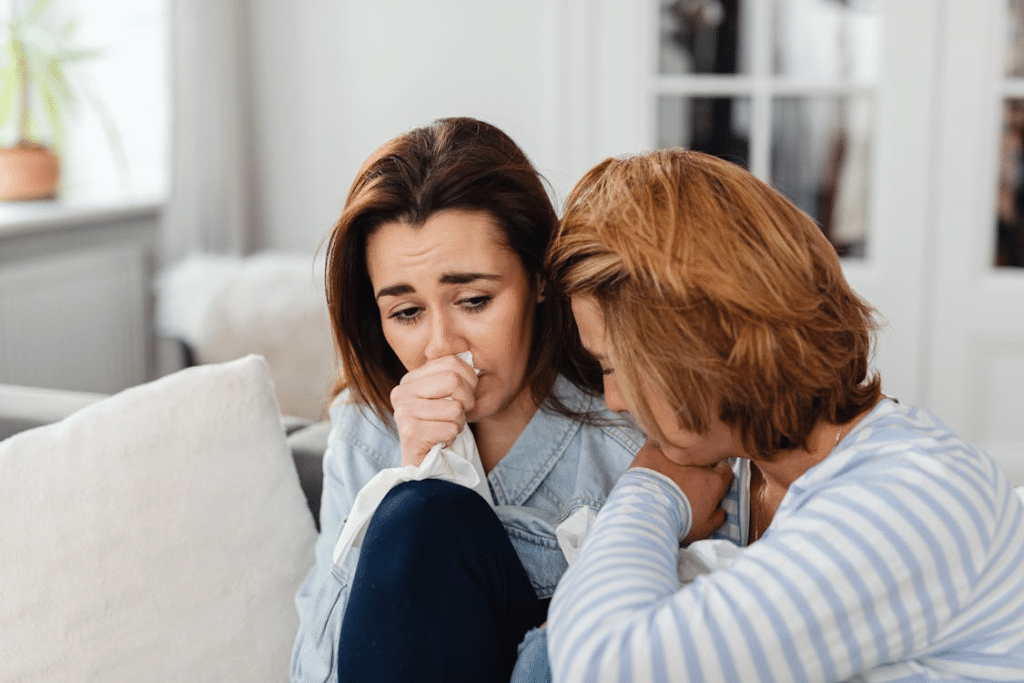
Some people apologize in a way that sounds sincere and emotional. They cry, promise change, and sound self-aware. In the moment, that feels like repair. It creates hope and resets the relationship. The problem is when the apology becomes part of the cycle. The hurt happens, then the apology brings relief, then the pattern returns. People go back because they mistake remorse for transformation. Real change is behavioral and consistent. But emotional apologies can be persuasive enough to override logic. Hope gets revived, and the cycle continues.
They Keep Thinking It Will Be Different “This Time”
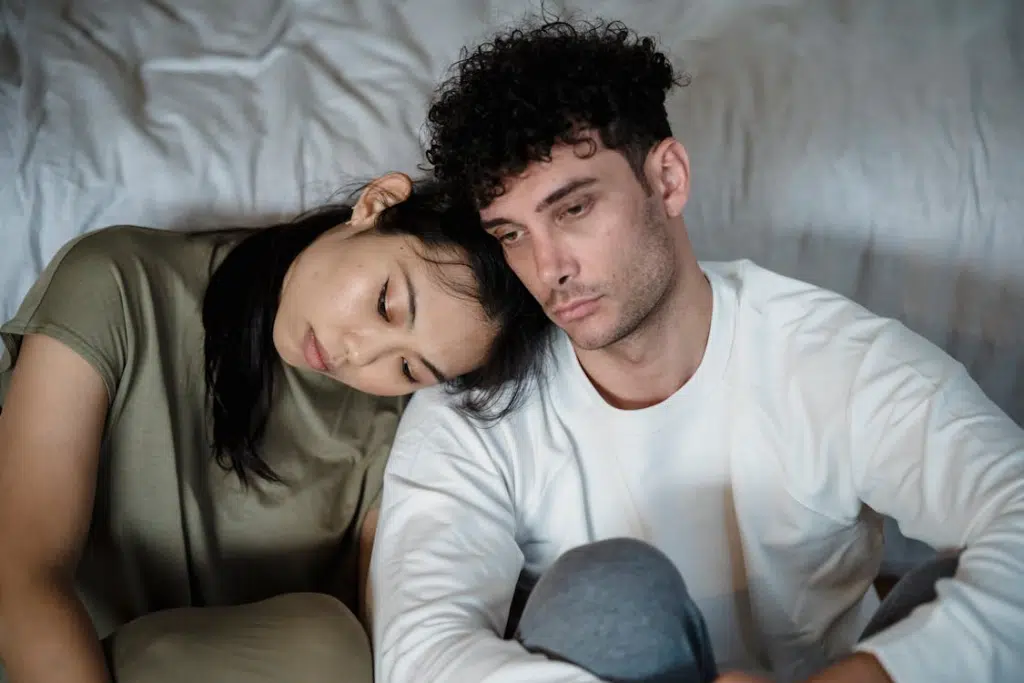
This is one of the strongest traps. After enough pain, the partner promises a new start. They act better for a short time, and it feels like the breakthrough. People go back because the improvement looks like proof. But short-term effort is easy when the fear of losing you is high. The real test is consistency after comfort returns. Many people stay stuck because they keep resetting their expectations. “This time” becomes a repeated fantasy instead of a real outcome. The relationship runs on new beginnings instead of real change.
The Hurt Isn’t Constant, So They Doubt It’s “Bad Enough”

If the partner isn’t cruel every day, it creates confusion. The relationship feels safe sometimes and dangerous other times. That inconsistency makes people question their own judgment. They tell themselves they’re being dramatic because there are good days. They wait for a clearer dealbreaker moment. But the damage is often the cycle itself, not one event. Inconsistent pain is harder to leave because it creates hope in between. The calm moments feel like proof the relationship is fine. Meanwhile, the hurt returns again.
They’re Addicted to the High-Low Cycle
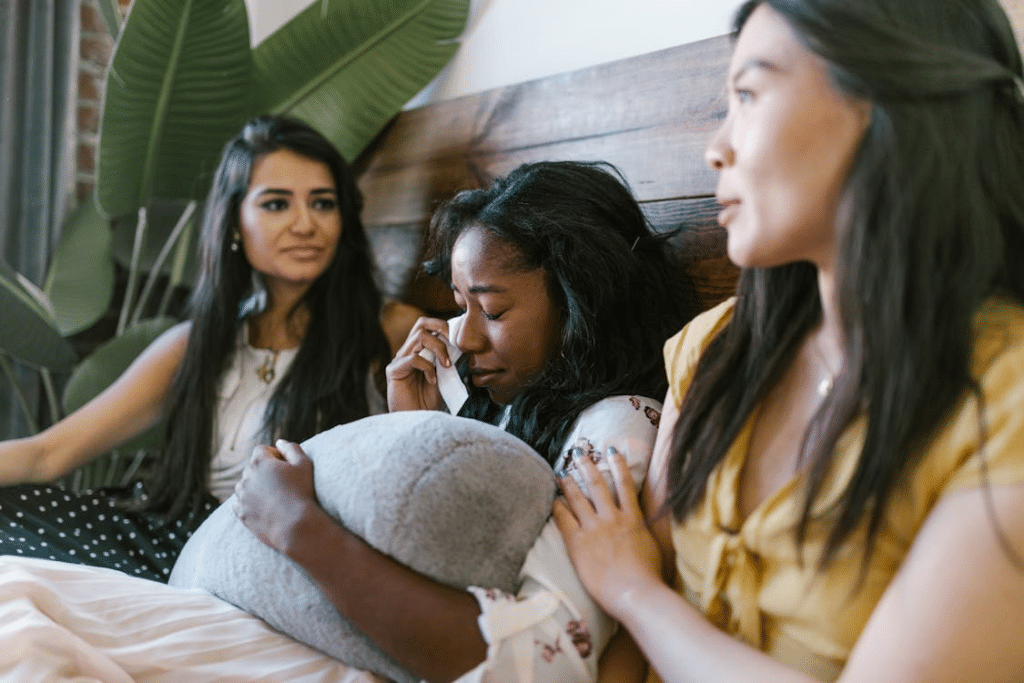
A relationship with highs and lows can create emotional addiction. The lows create anxiety and craving. The highs create relief and dopamine. Over time, the nervous system gets trained to chase relief. Calm relationships start feeling boring by comparison. People go back because their body misses the intensity. They interpret withdrawal as missing the person. Sometimes it’s missing the chemical cycle. The relationship becomes like a roller coaster the brain is attached to. Breaking that cycle feels physically uncomfortable, not just emotionally sad.
They Confuse Hurt With Passion

Some people learned that love is supposed to be intense and painful. They equate jealousy, drama, and emotional chaos with commitment. So when a partner hurts them, it feels like proof the relationship matters. Calm love can feel unfamiliar or “too easy.” This makes them return to what feels emotionally familiar. The partner may even frame the pain as “we just love hard.” That story keeps the cycle going. Passion without safety is not love, it’s stress. But if stress feels like love, leaving feels wrong.
They’re Attached to the Person They Used to Be With Them
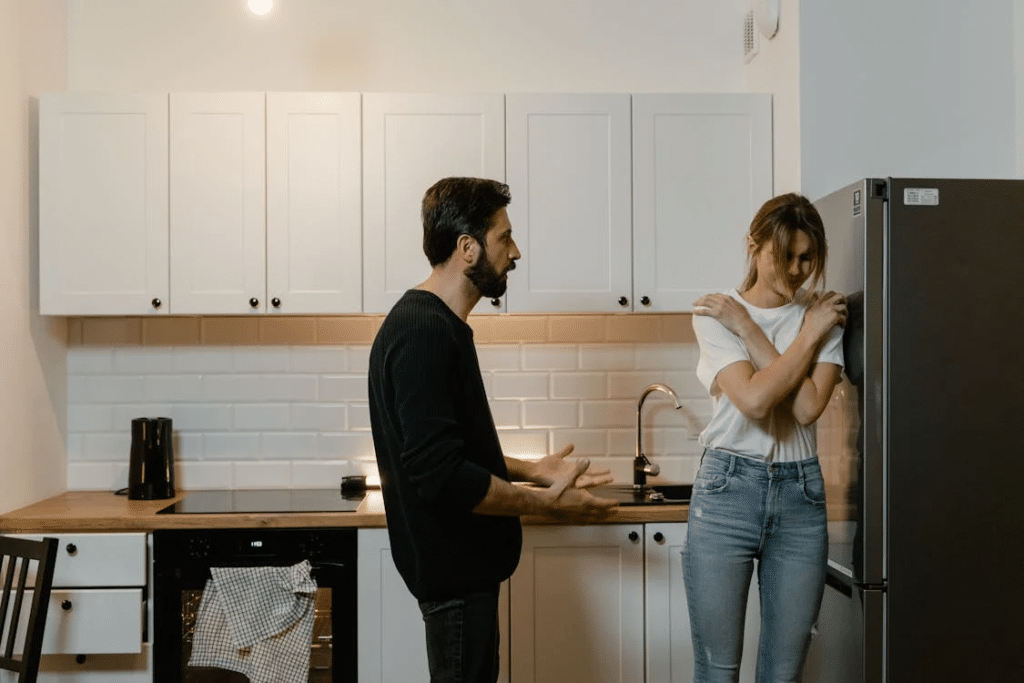
People don’t just miss the partner. They miss the version of themselves they were in the beginning. They miss the excitement, the hope, and the feeling of being wanted. Going back feels like reclaiming that old self. It’s also a way to avoid accepting that the story changed. Letting go means grieving the identity attached to the relationship. That grief is heavy. So people return to delay grief. They chase the past because the present feels painful.
They Believe Loving Someone Means Staying No Matter What

Some people confuse loyalty with self-abandonment. They were taught that “real love” endures everything. So leaving feels like failure or weakness. They tolerate patterns that harm them because they want to be a good partner. They might even feel proud of their patience. But love without boundaries becomes damage. Staying doesn’t prove love if it destroys you. Healthy loyalty includes self-respect. When loyalty becomes a prison, it’s not love anymore.
They Fear Being Alone More Than Being Hurt
Loneliness can feel terrifying, especially after deep attachment. Some people prefer familiar pain to unknown emptiness. They fear starting over, dating again, or facing life alone. Even if the relationship hurts, it’s still company and routine. Routine feels safer than change. Fear makes the relationship feel like the only option. That fear can be stronger than logic. People go back because the alternative feels like a void. It’s not that they want pain, it’s that they fear solitude.
They Don’t Want to Admit They Chose Wrong
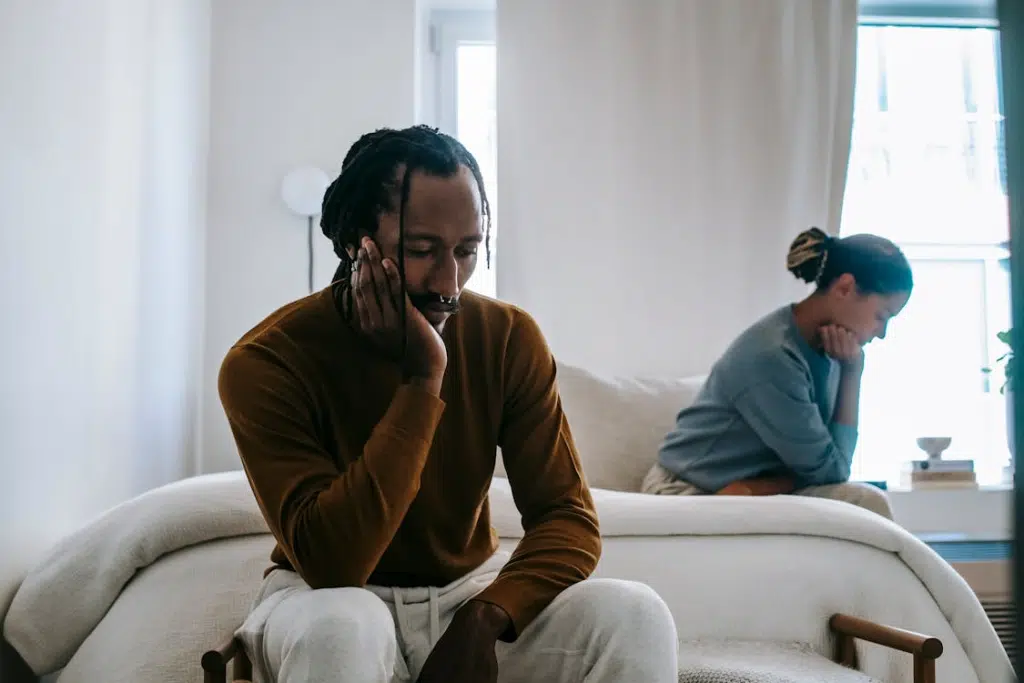
Pride and ego can keep people stuck. Leaving means admitting the relationship wasn’t what they hoped. It means admitting they ignored early signs. Some people fear judgment from friends and family. Others fear their own self-criticism. So they keep trying to make it work to protect the story. They want the relationship to succeed because it validates their choices. This is why long relationships can be harder to leave. The longer it lasted, the harder it is to admit it’s wrong. Pride becomes a cage.
They’re Trauma-Bonded to the Cycle

When a partner alternates between hurt and comfort, it creates strong attachment. The same person causing pain becomes the person providing relief. That builds a bond that feels intense and sticky. People go back because their nervous system associates the partner with safety and danger at the same time. This is why leaving can feel like panic. The bond isn’t only emotional; it’s physiological. The relationship becomes a survival loop. Breaking it requires distance and support. Without support, people return to what feels familiar.
They Keep Believing They Can “Earn” Better Treatment

Some people think if they love harder, the partner will change. They become the fixer, the giver, the patient one. They keep trying to prove their worth. This turns the relationship into performance. When the partner briefly improves, it feels like proof effort works. Then the pattern returns and the person tries even harder. This is exhausting but also addictive because it creates a mission. Missions keep people attached. The truth is that you can’t earn consistency from someone who doesn’t choose it. Effort can’t replace character.
They Keep Minimizing the Hurt Because It’s Not Physical
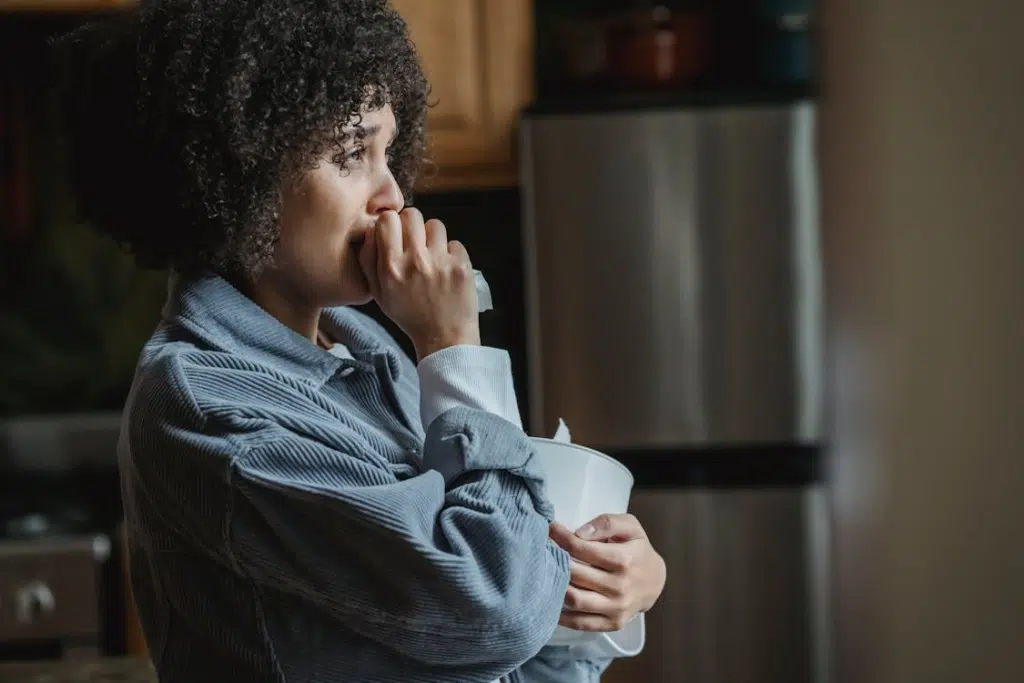
Some people dismiss emotional harm because it doesn’t leave visible marks. They tell themselves it’s not serious enough to justify leaving. They feel guilty calling it harmful. But emotional hurt can be just as damaging over time. It changes self-esteem, confidence, and nervous system safety. People go back because they convince themselves it’s “normal relationship problems.” Normalizing keeps them stuck. Hurt is still hurt even if it’s subtle. If you’re shrinking, it matters.
They Miss the Future They Imagined

People don’t only grieve the person. They grieve the future: the family, the plans, the dream life. Letting go means accepting that future won’t happen. That can feel like losing years of hope. So they return to keep the dream alive. Even if the present is painful, the future fantasy feels comforting. This is why some people stay longer than they should. They’re loyal to an imagined future, not the current reality. Dreams can trap when they replace evidence. Hope without proof becomes a prison.
Their Self-Respect Has Been Worn Down
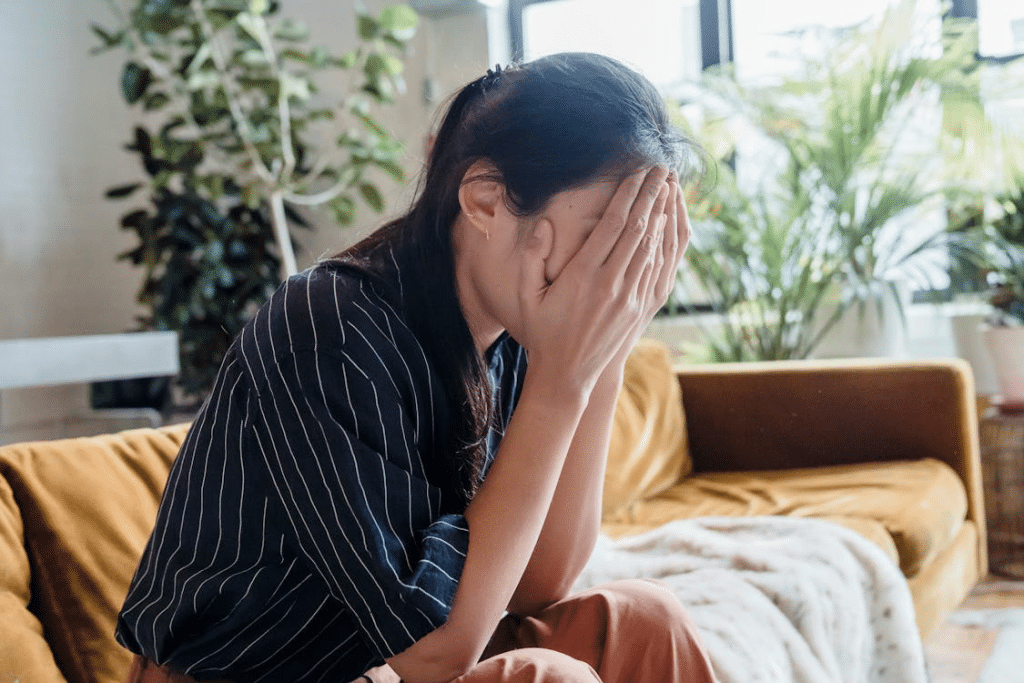
Repeated hurt can erode confidence. People start believing they don’t deserve better. They may feel lucky anyone wants them. They may fear they won’t find someone else. That reduced self-worth makes leaving feel impossible. Hurt relationships often shrink identity over time. When identity shrinks, options feel smaller. People go back because they feel powerless. Rebuilding self-respect is often the first step to freedom. Without it, the relationship feels like the only home.
They Don’t Have a Support System That Reinforces Reality
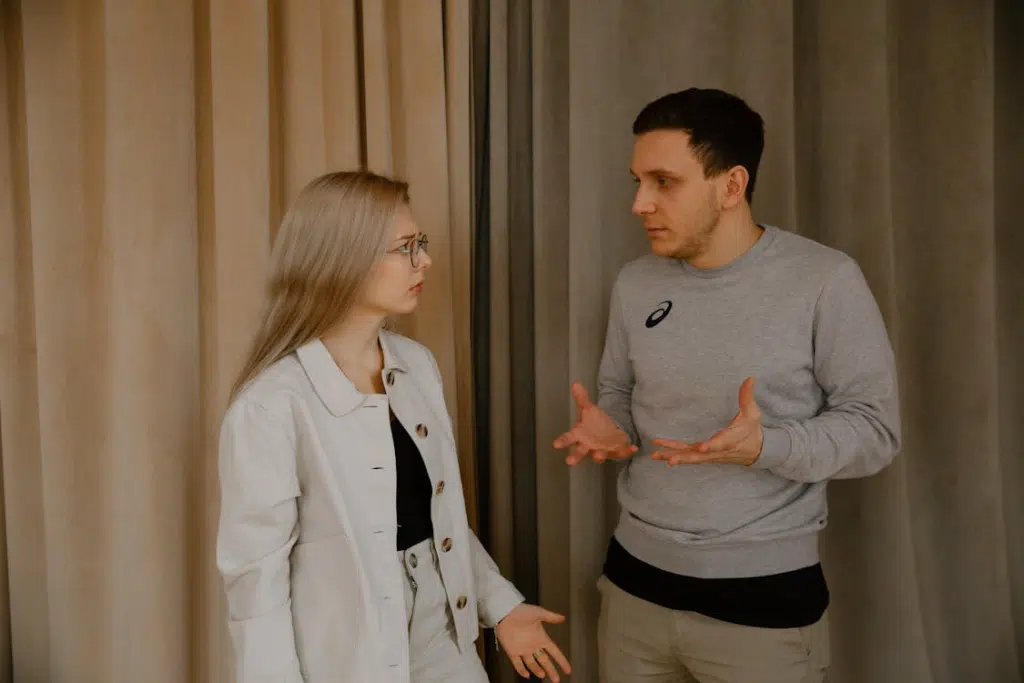
Isolation keeps people stuck. If friends and family aren’t supportive, leaving feels impossible. Some people hide the truth, so nobody knows how bad it is. Others have people who minimize their pain. Without outside clarity, they return to the relationship for comfort. A strong support system can break the spell. It reminds you what normal looks like. When you’re alone, the relationship becomes the main reality. That makes it easier to return, even if it hurts.
They Keep Returning for Closure That Never Comes

Some people go back to “finally talk it out.” They want understanding, accountability, and a clean ending. The problem is that hurtful partners often don’t provide closure. They provide confusion. So the person keeps returning for the conversation that never resolves. This becomes a loop: more talking, more hope, more disappointment. Closure is rarely something the other person gives. It’s something you choose when the pattern is clear. Waiting for closure can keep you stuck for years. The longer you wait, the more you lose.
They Think Leaving Makes Them the “Bad Person”
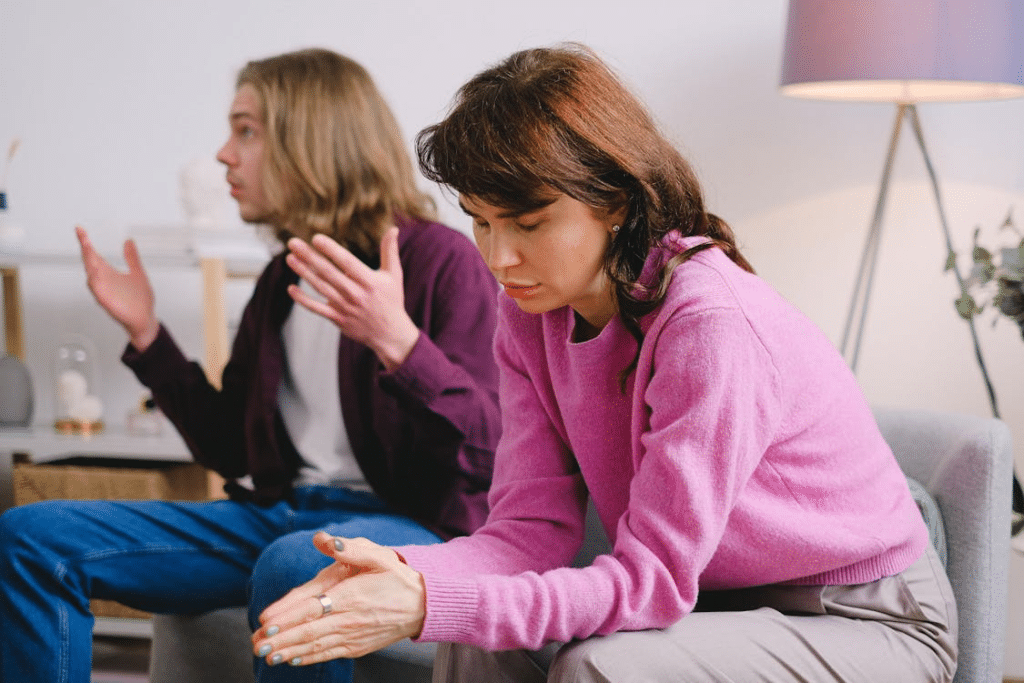
Some people stay because they fear guilt. They worry they’ll be blamed for ending it. They worry they’ll hurt the other person. They also fear being seen as someone who “gave up.” Hurtful partners often weaponize this by making the leaver feel cruel. This keeps the person trapped in responsibility for someone else’s feelings. But choosing yourself isn’t cruelty. It’s self-protection. Guilt can be a trap when it replaces reality. A relationship that hurts you repeatedly is already harming you.
They Keep Going Back Because Hope Feels Safer Than Truth
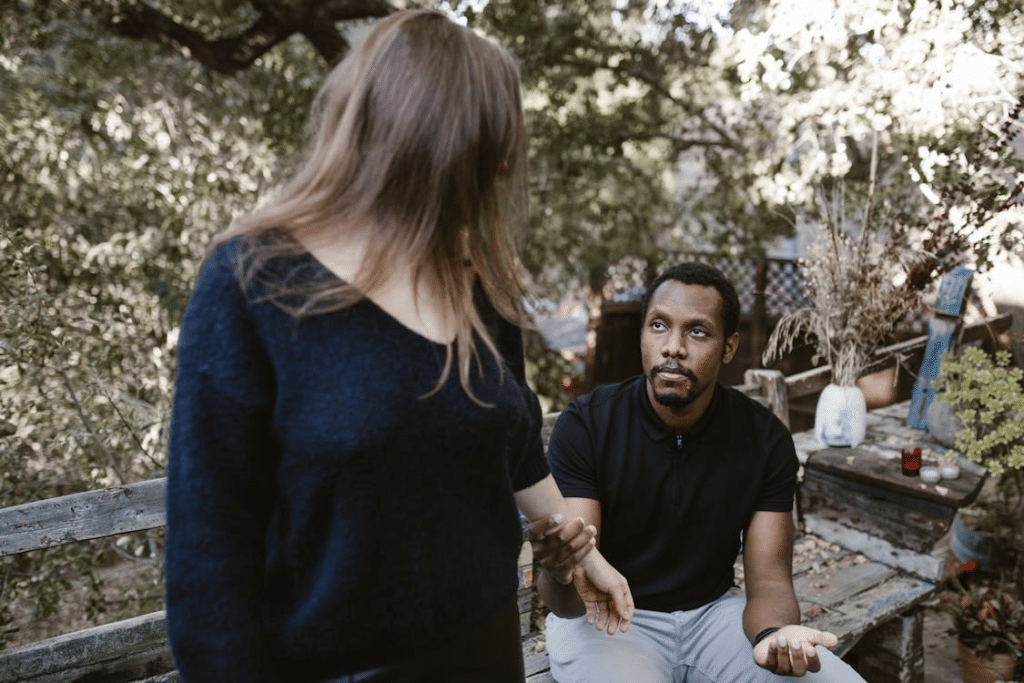
Hope can feel like comfort, even when it’s false. It lets you believe the pain has meaning and the story can still end well. Truth is heavier because it requires grief, change, and letting go. That’s why people return: to avoid mourning the dream. But repeated hurt is a pattern, not a phase. The healthiest move is to stop negotiating with evidence. If someone keeps hurting you, love is not the question, safety is. You don’t need more proof to leave once the pattern is clear. You need support, boundaries, and the courage to choose peace over hope.








Ask Me Anything