
• Skip to primary navigation
  • Skip to main content
  • Skip to primary sidebar
  • Skip to footer

The Modest Man

  • .
  • Topics
    • Fashion
    • Shoes
    • Accessories
    • EDC
    • Hairstyles
    • Cologne
    • See All
  • Reviews
  • Outfit Ideas
  • About The Modest Man
    • Start Here
    • Contact
Home / Blog / Dating & Confidence
We earn a commission on some purchases you make through our site. Here's how affiliate links work.

Why “Nice” Behavior Isn’t Always Attractive in Dating (15 Honest Reasons)

Updated on February 20, 2026 by TMM Staff · Dating & Confidence

When “Nice” Becomes a Mask

“Nice” behavior is often framed as the ultimate dating advantage. And to be clear, basic kindness matters. But kindness alone does not automatically create attraction. Many people confuse niceness with compatibility, confidence, or emotional safety. Others use niceness as a strategy instead of a genuine trait. That is why “nice” can sometimes feel bland, unclear, or even manipulative. Attraction is often built on authenticity, clarity, and self-respect, not just politeness. These reasons explain why “nice” behavior can miss the mark in dating, even when intentions are good.

When “Nice” Becomes a Mask

Nice Can Feel Like People-Pleasing, Not Confidence
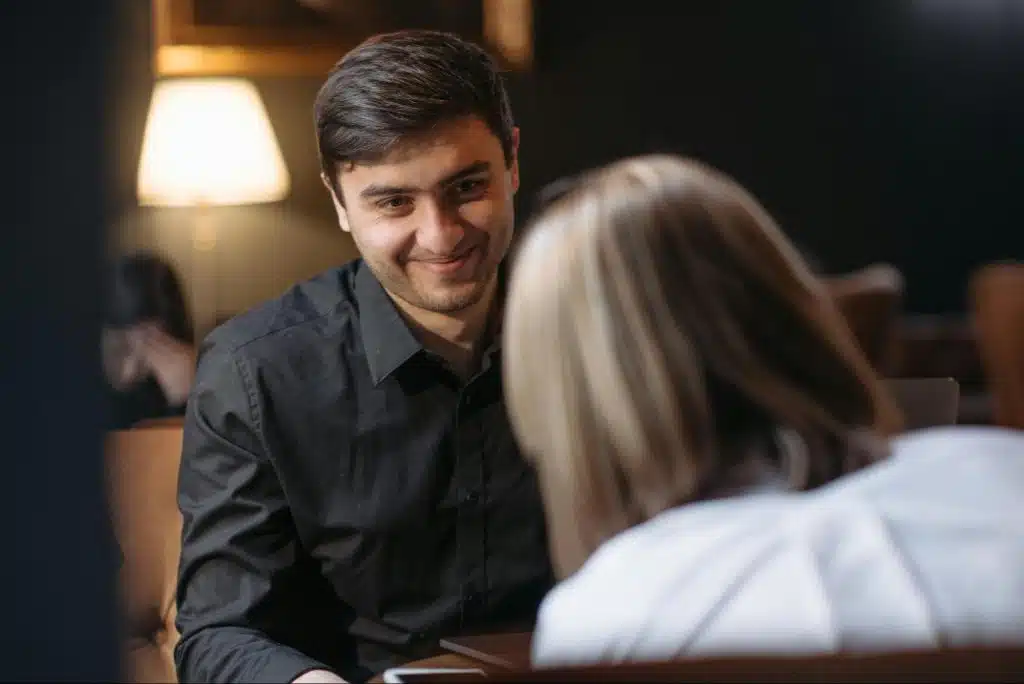
Niceness is attractive when it is real. It becomes unattractive when it feels performative, strategic, or fearful. Some people use niceness to avoid conflict or to get approval. That creates a vibe of hidden pressure: “Be impressed, be grateful, say yes.” Even if no one says that out loud, people can feel it. Dating works best when both people can relax into honesty. A mask creates uncertainty because the other person does not know what is underneath. This section focuses on how “nice” can become a disguise rather than a personality.

Nice Can Feel Like People-Pleasing, Not Confidence

Nice Can Avoid Honesty to “Keep the Mood Good”
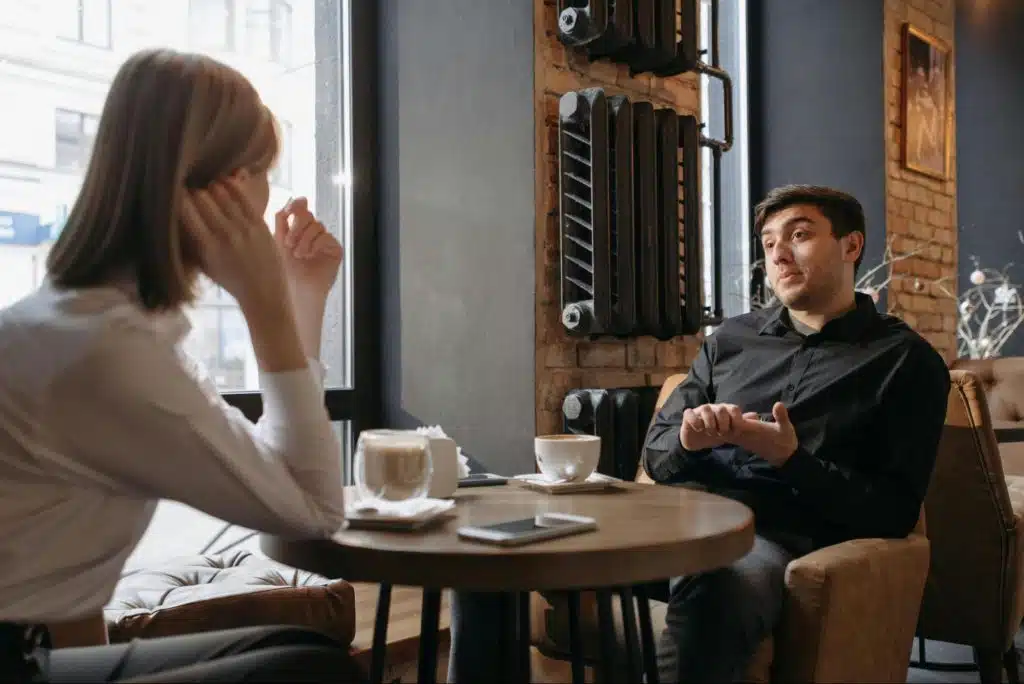
People-pleasing often looks polite, agreeable, and accommodating. But it can also feel like a lack of identity. If someone never states preferences, boundaries, or opinions, it becomes hard to connect. The other person may feel like they are dating a reflection of themselves. Attraction often grows when someone feels solid and self-directed. Confidence does not mean arrogance; it means clarity. Constant agreement can read as insecurity. Insecurity tends to lower romantic tension. Kindness is better when it comes with backbone.

Nice Can Avoid Honesty to “Keep the Mood Good”

Nice Can Come With Silent Expectations

Some people stay nice by never saying what they really think. They avoid directness because they fear conflict or rejection. Over time, this creates a false sense of harmony. The other person may sense hidden feelings and feel uneasy. Dating becomes confusing when the surface is smooth but the energy is tense. Honest communication often feels safer than forced positivity. Niceness that avoids truth can feel emotionally unsafe. Real attraction often needs real conversations. Peace built on avoidance is fragile.

Nice Can Come With Silent Expectations

Nice Can Feel Like Fear of Rejection

Nice behavior sometimes carries an unspoken contract: “After all this, something should happen.” That “something” could be attention, affection, exclusivity, or physical intimacy. The person may never ask directly, but resentment builds when it does not happen. The other person feels the pressure even if it is never spoken. This can make niceness feel transactional rather than warm. Transactional energy reduces romance because it replaces choice with obligation. Dating works best when giving is freely given. If giving comes with strings, it stops feeling generous. Strings make people pull away.

Nice Can Feel Like Fear of Rejection

The “Nice but Vague” Dating Problem

Some niceness is driven by anxiety, not kindness. It shows up as over-texting, over-apologizing, and over-explaining. The person tries to prevent rejection by being “perfect.” But perfection often feels unnatural and tense. Many people are more attracted to someone who can handle uncertainty calmly. Calmness signals emotional stability. Over-effort can signal desperation. Desperation creates pressure. Pressure reduces attraction. Being kind while staying composed is far more magnetic than trying to earn someone’s approval.

The “Nice but Vague” Dating Problem

Nice Can Be Passive, and Passivity Kills Momentum

A lot of modern dating fails because no one is clear. Niceness can become a way to stay vague. People are polite, attentive, and sweet, but they never define intentions. That creates a situationship vibe. Attraction often needs direction and confidence. Direction does not mean rushing. It means showing consistent interest and making real plans. Vague niceness can feel like low effort hidden behind charm. It also makes someone feel replaceable. Replaceable is rarely attractive. Clear is attractive.

Nice Can Be Passive, and Passivity Kills Momentum

Nice Can Lack Flirting and Playfulness

Some people are nice because they never take initiative. They wait for the other person to choose, plan, and lead. That might look respectful, but it can also feel like disinterest. Dating needs momentum to grow. Momentum is built through plans, invitations, and follow-through. Initiative is not domination; it is engagement. When someone never initiates, the other person starts doing all the emotional labor. Emotional labor is tiring. Tired people are less attracted. Attraction grows when effort feels mutual.

Nice Can Lack Flirting and Playfulness

Nice Can Feel Like No Standards

Kindness without play can feel like friendship. Many dates fail because the interaction stays safe and serious. “Nice” behavior often stays in polite mode and avoids risk. But flirtation is a healthy form of risk. It communicates interest and confidence. Playfulness creates chemistry because it brings energy. If someone is always careful, romance can feel flat. People want to feel desired, not just respected. Desire can be expressed respectfully. Attraction needs warmth, not just courtesy.

Nice Can Feel Like No Standards

Nice Can Ignore the Need for Direct Desire

Some “nice” daters accept anything to keep the connection. They tolerate inconsistent communication, mixed signals, and disrespect. They stay polite while being undervalued. That does not look romantic, it looks like low self-respect. Self-respect is attractive because it signals stability and boundaries. Boundaries create safety and clarity. Without standards, dating becomes chaotic. People often trust someone more when they can say “no.” A “yes” that costs self-respect is not attractive. Standards are not cruelty; they are self-protection.

Nice Can Ignore the Need for Direct Desire

Nice Can Turn into “Self-Sacrifice as a Personality”

Many people want to feel clearly wanted. Not vaguely appreciated, wanted. “Nice” behavior sometimes avoids direct desire because it feels risky. But indirect desire can look like uncertainty. Uncertainty creates mixed signals. Mixed signals often create anxiety. Anxiety can sometimes feel like excitement early, but it is not a stable attraction. Direct desire looks like clear compliments, clear invitations, and consistent pursuit. It also respects consent and boundaries. Being direct is not being pushy. It is being honest.

Nice Can Turn into “Self-Sacrifice as a Personality”

Nice Can Be Used to Hide Anger
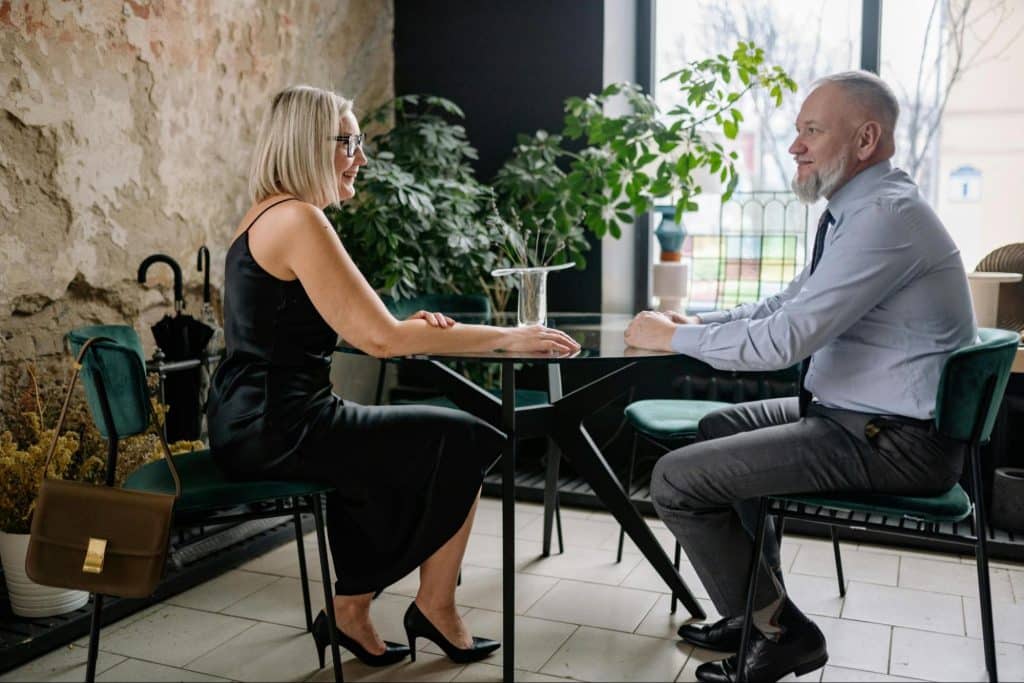
Some people give their whole identity. They do favors, offer help, and over-serve. At first, it looks admirable. Over time, it can feel heavy or even controlling. The other person may feel like they must repay a debt. Debt is not romantic. A healthy relationship needs reciprocity, not martyrdom. People are attracted to partners, not caretakers. Being supportive is great, but it should not replace having a life. A full life is attractive. Self-sacrifice without balance often becomes resentment.

Nice Can Be Used to Hide Anger

Nice Can Create a “Parent-Child” Dynamic

Sometimes niceness is a lid on anger. The person smiles, agrees, and stays polite, but frustration leaks out later. It can show up as passive-aggressive comments or sudden blowups. This pattern feels unpredictable and unsafe. Emotional safety matters more than surface manners. People prefer honest disagreement over hidden hostility. If niceness is used to avoid feeling emotions, it creates pressure inside the relationship. That pressure eventually comes out. Attraction struggles in unpredictable environments. Stability is attractive, and stability requires emotional honesty.

Nice Can Create a “Parent-Child” Dynamic

Nice Can Be Mistaken for Low Interest

When one person is always accommodating, the relationship can become unbalanced. The “nice” person becomes the one who manages comfort and avoids conflict. The other person becomes the one who gets catered to. This dynamic often kills attraction over time. Adults want to date equals, not someone who acts like a caretaker. Caretaking creates gratitude, not necessarily desire. Desire grows through mutual respect and shared power. If someone acts like a helper instead of a partner, romance fades. Balance protects attraction.

Nice Can Be Mistaken for Low Interest

Nice Can Skip Emotional Depth

Some people play it so cool that it reads as low interest. They are polite but do not show excitement. They do not express compliments, curiosity, or enthusiasm. The other person may assume they are not attracted. Attraction is not only a feeling; it is a signal. Signals matter in early dating because uncertainty is high. If niceness stays neutral, it creates confusion. Confusion often leads to disengagement. The goal is not to chase. The goal is to be clear.

Nice Can Skip Emotional Depth

Nice Can Be a Way to Avoid Taking Responsibility

Some “nice” conversations stay shallow because deep topics feel risky. The person keeps things light to avoid discomfort. But emotional depth builds real connection. It reveals values, character, and compatibility. Without depth, dating becomes a series of pleasant interactions with no bond. Many people lose interest when it feels like the connection is not growing. Growth requires real conversation. Real conversation includes vulnerability and curiosity. Nice without depth feels forgettable. Depth makes someone memorable.

Nice Can Be a Way to Avoid Taking Responsibility

Tips: What to Do Instead of “Nice-Only” Dating

A final pattern is using niceness to avoid hard work. The person is polite, sweet, and supportive, but avoids commitment, clarity, or repair. They can say, “But I’ve been nice,” as if niceness replaces accountability. It does not. Good dating behavior includes consistency, honesty, and follow-through. Niceness is the floor, not the ceiling. When niceness is used as proof of effort, it can feel entitled. Entitlement kills attraction. Accountability builds trust, and trust builds long-term attraction.

Tips: What to Do Instead of “Nice-Only” Dating

Tips: How to Show Confidence Without Becoming Rude

Keep kindness, but add clarity and personality. State preferences without being harsh. Make plans instead of hinting. Give compliments that are specific and sincere. Show interest through curiosity, not through over-serving. Initiate, but do not chase. Respect boundaries while still expressing desire. Let actions match words consistently. Balanced confidence is more attractive than perfect politeness.

Tips: How to Show Confidence Without Becoming Rude

Tips: How to Spot “Nice” That Is Actually a Red Flag

Confidence can be calm and respectful. It shows up as direct communication, steady behavior, and healthy boundaries. It includes being able to say “no” without guilt. It also includes being able to hear “no” without resentment. Ask for what is wanted instead of hoping it is noticed. Handle rejection with maturity. Avoid passive-aggressive behavior and silent tests. Confidence is not loud. It is stable.

Tips: How to Spot “Nice” That Is Actually a Red Flag

Nice Is a Starting Point, Not a Strategy

Watch for giving that comes with pressure or guilt. Notice if kindness disappears when expectations are not met. Look for passive aggression hidden behind politeness. Pay attention to whether the person has real opinions and boundaries. Check if niceness is used to avoid honesty or commitment. Observe whether the person can handle conflict calmly. True kindness stays consistent under stress. Performative niceness usually cracks. Consistency is the easiest test.

Nice Is a Starting Point, Not a Strategy

A man and woman having a conversation
©Bethany Ferr/pexels.com

Kindness matters, and respectful dating should be normal. But attraction usually needs more than politeness. It needs confidence, clarity, initiative, and emotional depth. “Nice” becomes unattractive when it feels like people-pleasing, avoidance, or a transaction. It becomes attractive when it is paired with self-respect and honest desire. Dating works best when both people can relax into authenticity. Authenticity is what makes someone feel real. Real is what people want long-term. Being kind is important. Being clear is what makes it memorable.

Dating & Confidence

Related Posts
A pile of clothes
20 Things You Should Never Wear on a Date
A woman looking at the man
18 Style Details Women Notice First
15 Honest Reasons Why Older Men No Longer Seek Commitment
Women Don’t Want Perfect Men, Just Men Who Stop Doing These 15 Things
About TMM Staff

The Modest Man staff writers are experts in men's lifestyle who love teaching guys how to live their best lives.

If an article is published under TMM Staff, that means multiple writers worked on it. For example, sometimes several of us have experience with a certain brand, so we collaborate to publish a more thorough review.

Or, if an article was originally written by one person, but then it was updated by someone else, we'll re-publish it under TMM Staff.

Remember: all of our articles (including those below) are written by real people with decades of combined experience in men's fashion and lifestyle topics.

More Articles by This Author

Facebook Twitter Instagram

Join the Club

Never miss a post, plus grab this free guide (instant download). No spam. Ever.

Subscribe Now

Reader Interactions

Ask Me Anything Cancel reply

Got questions? Want to share your opinion? Comment below!

Primary Sidebar

Join the Club

Never miss a post, plus grab this free guide (instant download).

No spam. Ever.

Subscribe Now

Trending Articles
Business casual outfits
The Modest Man Guide to Men’s Business Casual Style
A person's hands typing on a silver laptop displaying the Hulu streaming service interface with various show thumbnails.
12 Series Finales That Sparked Major Fan Backlash
Seiko 5 SNK805
35 Great Watches for Small Wrists
Men over 40 style
“Old Man Style”: Advanced Age Is the New Sartorial Prime
Fashion brands for short men
Stride in Confidence: Where To Buy Clothes For Short Men
Topics
  • Clothing & Style
  • Outfit Ideas
  • Fitness
  • Product Reviews
  • Dating & Confidence
  • Grooming
  • Men of Modest Height
  • Income Reports
Top 10 Brands
  1. Uniqlo
  2. Nordstrom
  3. Warby Parker
  4. J. Crew
  5. J. Crew Factory
  6. Amazon
  7. Thursday Boot Co.
  8. Mr. Porter
  9. Banana Republic

Footer

The Modest Man logo

Home • Blog • Resources • Contact • Advertise


Privacy Policy & Affiliate Disclosure • Terms & Conditions • Sitemap


As an Amazon Associate I earn from qualifying purchases.


Copyright © 2026 The Modest Man (Registered Trademark)