
Dating has always had its challenges, but the modern landscape has introduced new layers of complexity. Technology, shifting cultural expectations, and social pressures have transformed how people meet, connect, and build relationships. While opportunities to meet potential partners have expanded, so have the frustrations and misunderstandings. For many, dating today feels less straightforward and more exhausting. Here are 18 reasons modern dating often feels harder than ever before.
Endless Choice Paradox From Dating Apps
Dating apps provide an abundance of options, but too much choice can be overwhelming. Instead of creating clarity, endless profiles often make people second-guess their decisions. This “paradox of choice” leads to hesitation and dissatisfaction. Many begin to wonder if someone “better” is just a swipe away. As a result, commitment feels harder to achieve.
Ghosting Becoming Normalized

The rise of digital communication has made disappearing from someone’s life as simple as ignoring a message. Ghosting, once seen as rude, is now common in modern dating. This behavior erodes trust and makes people hesitant to open up again. It creates cycles of confusion and insecurity. Ghosting normalizes avoidance instead of honest communication.
Burnout From Constant Swiping and Small Talk
Swiping through endless profiles can feel more like a chore than an exciting opportunity. Repeating the same small talk with multiple people drains energy. This routine creates a sense of burnout, leaving people disinterested in genuine connection. Over time, dating apps feel like work instead of romance. Burnout makes it harder to stay optimistic about finding someone.
Difficulty Finding Genuine Communication

Technology makes reaching out easier, but meaningful conversations remain rare. Many interactions stay on the surface level, never moving toward deeper topics. Without authenticity, relationships struggle to form strong foundations. People may feel they’re “talking a lot” but not really connecting. Genuine communication has become a modern dating challenge.
Unrealistic Standards Fueled by Social Media
Social media often paints an idealized picture of love, setting unrealistic expectations. Perfect photos and highlight reels create pressure to measure up. In reality, relationships are messy and imperfect, but that contrast can feel disappointing. These inflated standards discourage people from appreciating real connections. The gap between expectation and reality makes dating harder.
Conflicting Definitions of Commitment

Not everyone defines commitment in the same way. For some, it means exclusivity; for others, it may not. Differing views on timelines, seriousness, and priorities often clash. These misunderstandings can create unnecessary tension. Without clarity, couples struggle to align their paths.
The Rise of Hookup Culture vs. Long-Term Seeking
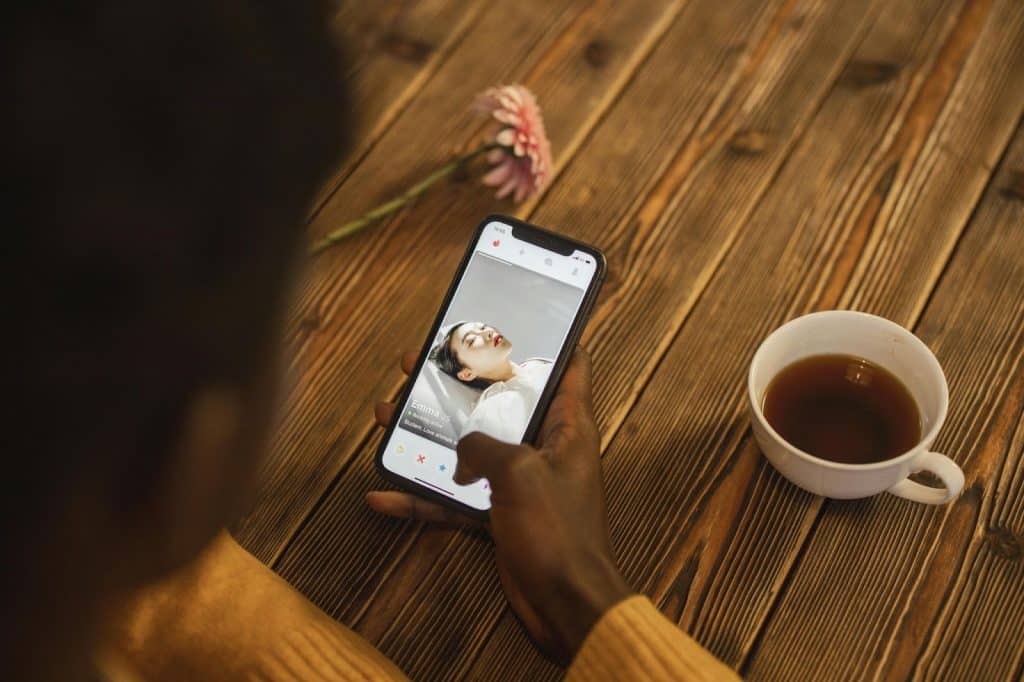
The growing popularity of casual encounters has reshaped the dating world. While some enjoy short-term connections, others still seek lasting commitment. This clash creates mismatched intentions. People often invest time only to discover goals don’t align. Differing priorities make it harder to build stable relationships.
Cultural Shifts Making Roles Less Clear
Traditional gender roles in dating have shifted dramatically. While this change creates more equality, it has also brought uncertainty. Many are unsure of what is expected of them during dating. The lack of clear roles sometimes leads to hesitation and misunderstandings. Ambiguity makes navigating modern romance more complicated.
Fear of Vulnerability in a “Casual Culture”
Modern dating often prioritizes casual encounters over deep emotional connection. This culture makes vulnerability feel risky. Many fear opening up only to be rejected or ghosted. The result is guarded interactions that lack depth. Fear of vulnerability prevents authentic intimacy.
Anxiety Around Rejection and Ghosting Cycles
With apps, rejection can happen frequently and impersonally. Quick dismissals through swipes or unread messages build anxiety. These repeated cycles make people dread the process of reaching out. Anxiety then discourages effort in future connections. Rejection feels amplified in today’s fast-paced dating culture.
Skepticism Due to Infidelity or Dishonesty
Stories of cheating, catfishing, and dishonesty spread quickly online. Exposure to these negative experiences fosters skepticism. Even genuine people can struggle to earn trust. Skepticism makes it difficult to approach new relationships with optimism. Distrust becomes a heavy obstacle to building bonds.
Distrust After Past Experiences or Betrayals
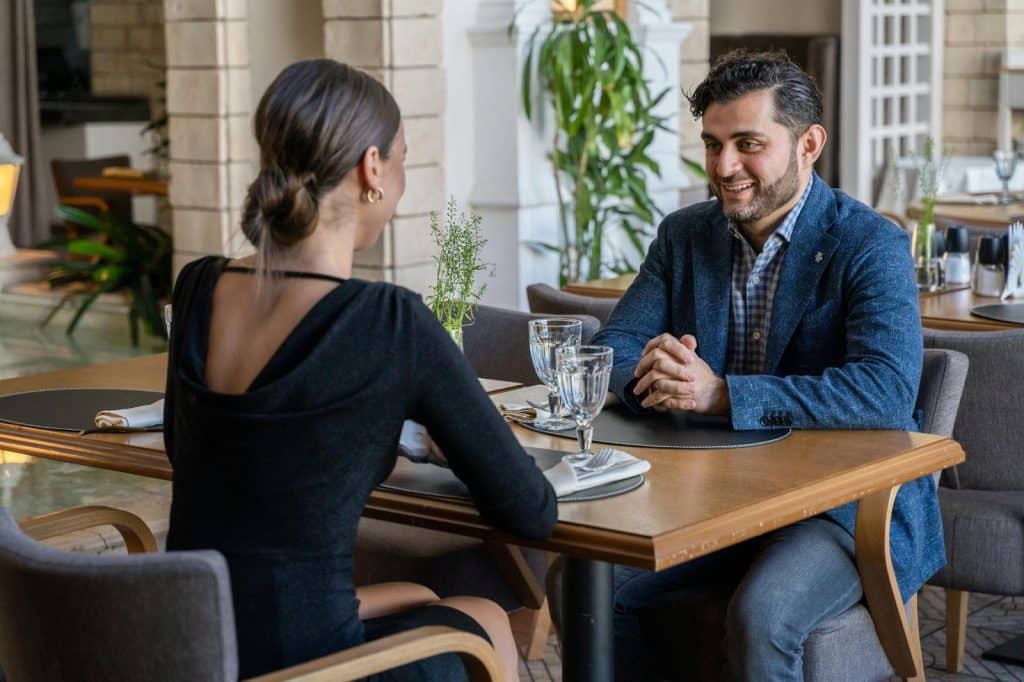
Modern dating often involves multiple attempts before finding compatibility. Failed relationships leave behind scars of betrayal or disappointment. Carrying this baggage into new situations makes openness harder. Many hold back, fearing history will repeat itself. Past hurt can cast a long shadow over new opportunities.
Pressure to Meet Timelines (Marriage, Kids, Success)

Cultural and societal expectations push people toward milestones. The idea of being “on time” for marriage or family adds stress. This pressure can turn dating into a race rather than a journey. Instead of enjoying connection, people focus on deadlines. The weight of timelines complicates relationships unnecessarily.
Mismatched Priorities Between Career and Relationships
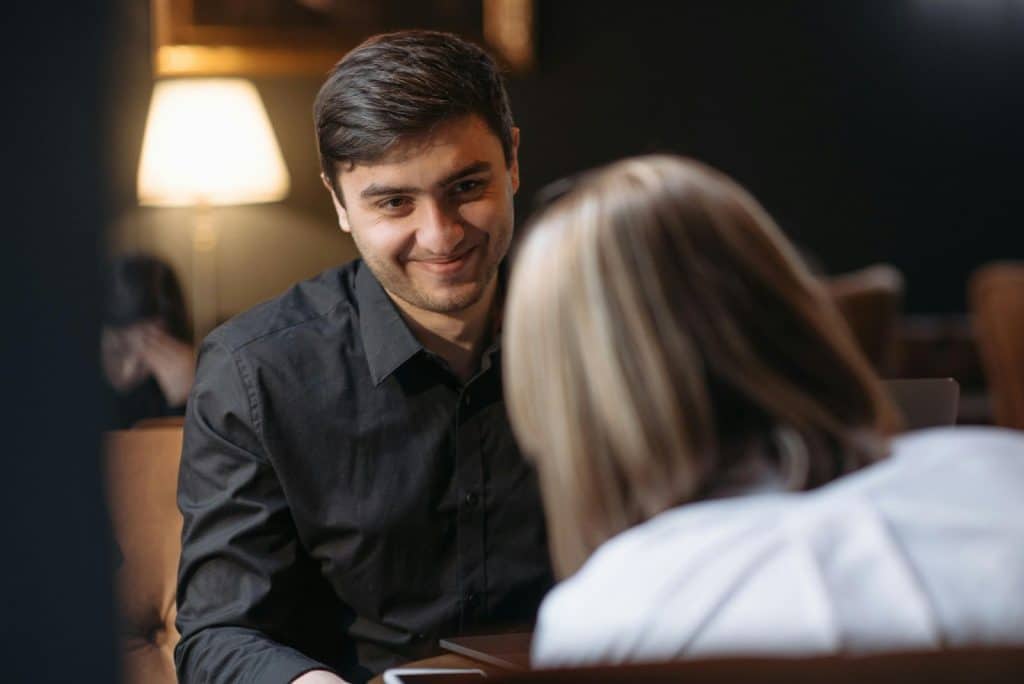
Modern life demands balancing ambition and romance. Careers, studies, or personal goals often take priority over relationships. When priorities don’t align, frustration builds. Many feel forced to choose between success and love. Conflicting goals make dating more difficult to sustain.
Declining Patience for Long-Term Growth
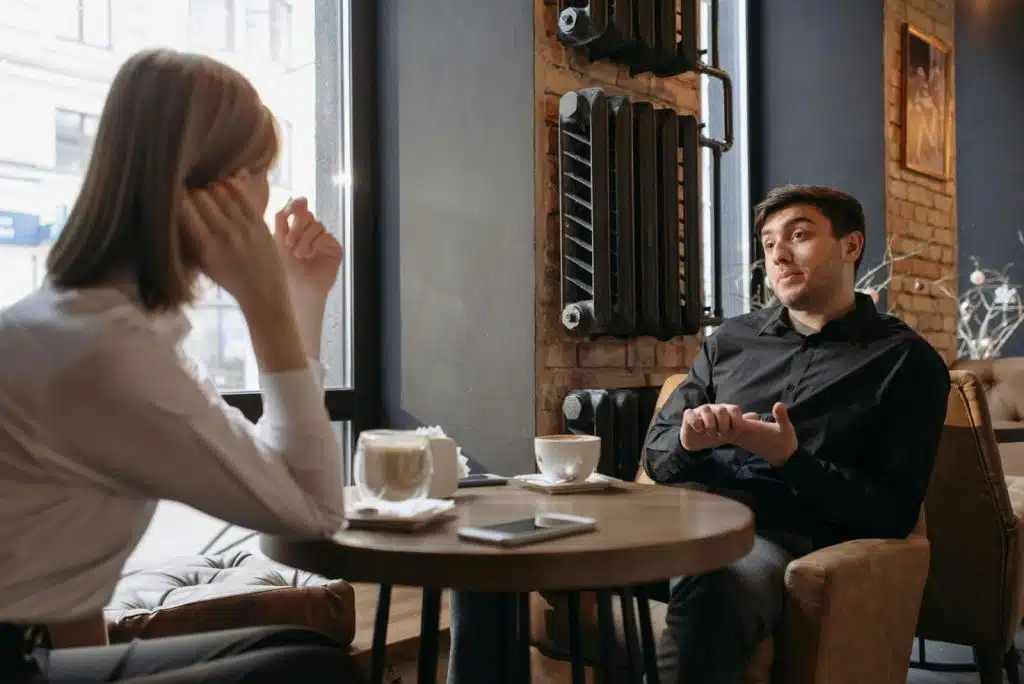
Modern culture emphasizes instant results, but relationships require time. Impatience with the slow growth of love creates frustration. Some expect quick emotional fulfillment without putting in the effort. This impatience causes promising relationships to end prematurely. The value of long-term growth is often overlooked.
Overemphasis on Appearance and Surface-Level Attraction
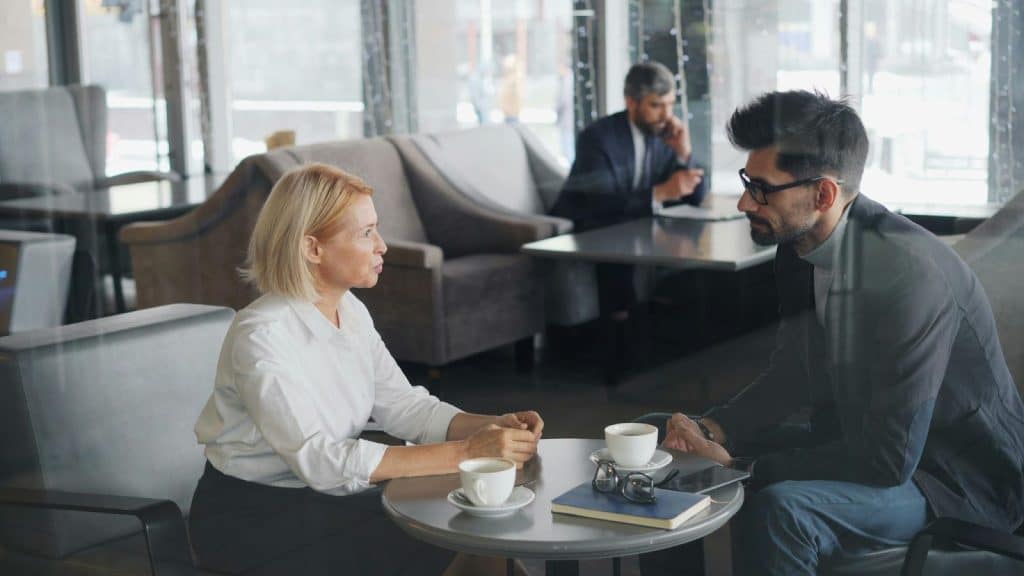
Dating platforms emphasize visuals above all else. While attraction is important, overvaluing looks can overshadow deeper compatibility. This leads to shallow connections that fade quickly. Relying on surface-level attraction makes lasting bonds rare. Modern dating struggles when appearance dominates priorities.
Fear of Settling vs. Fear of Being Alone
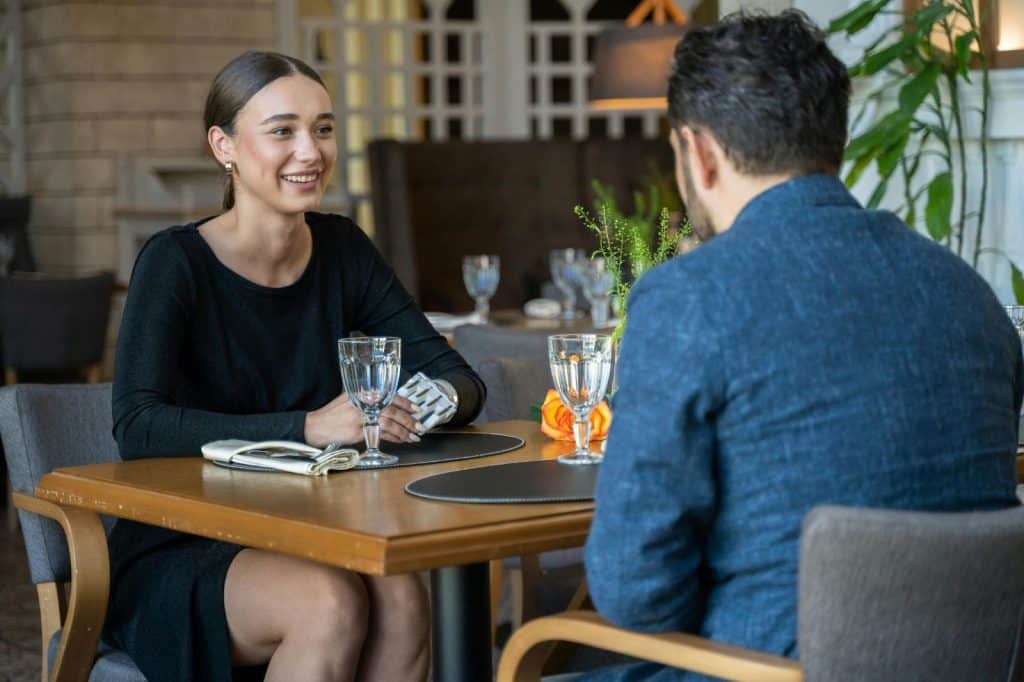
Many wrestle with the dilemma of staying single or choosing someone who isn’t perfect. The fear of settling creates hesitation, while the fear of loneliness creates pressure. These conflicting fears pull people in opposite directions. Decision-making becomes stressful instead of joyful. The tension makes dating feel like a constant balancing act.
Instant Gratification Mindset Spilling Into Dating
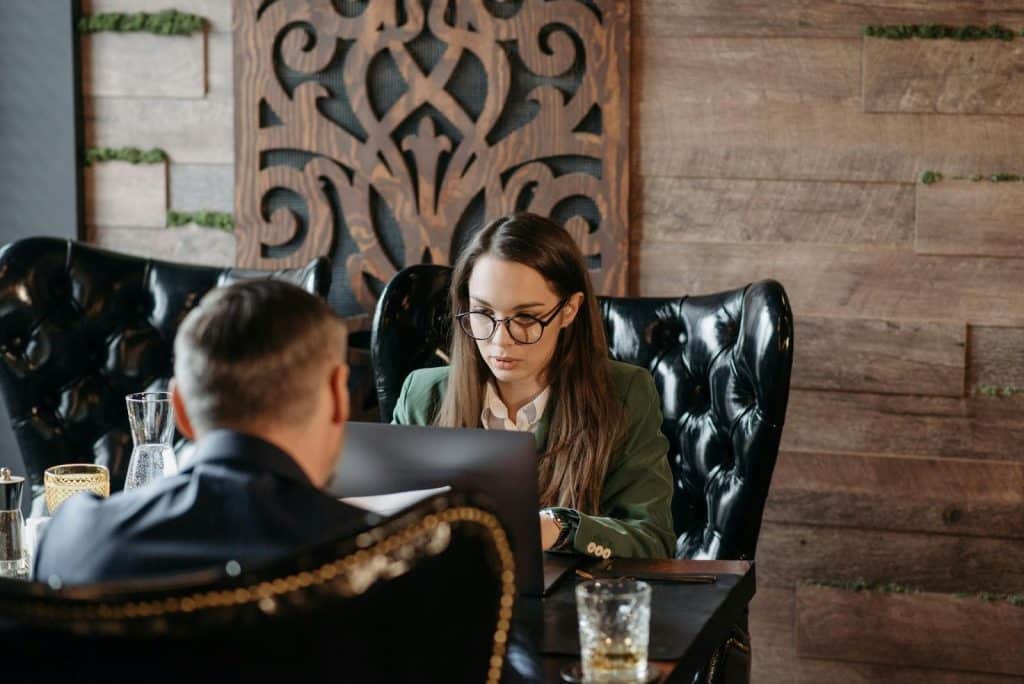
Technology has conditioned people to expect quick results. This mindset spills into dating, where patience is essential. Many expect immediate sparks or fast progress, dismissing connections that grow slowly. Instant gratification leaves little room for real investment. Relationships suffer when effort isn’t valued.
Conclusion
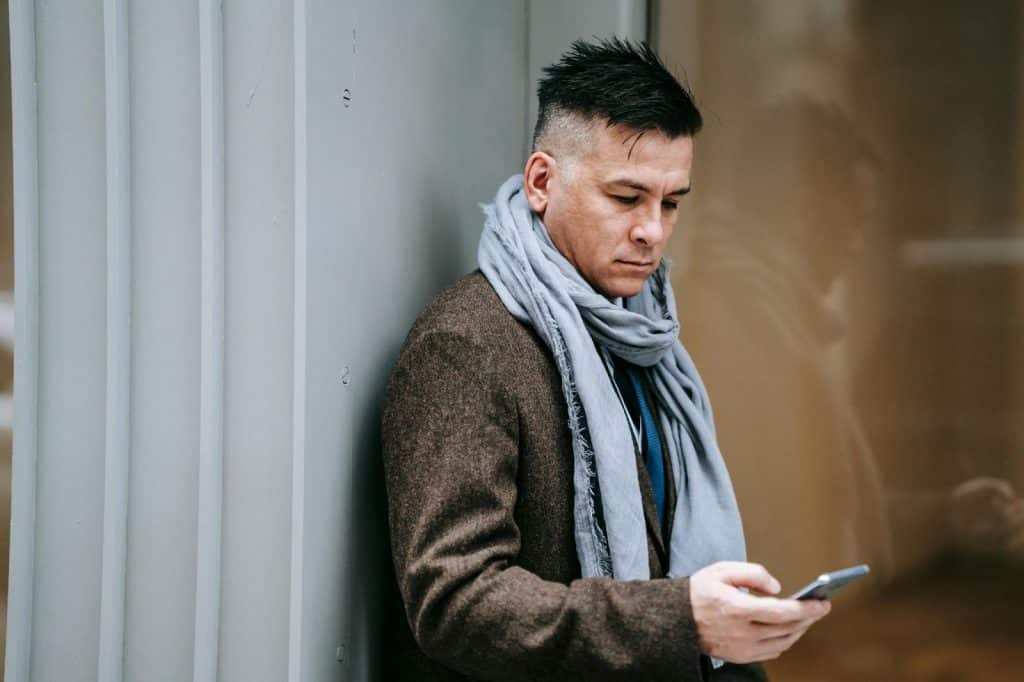
Modern dating is filled with opportunities, yet it carries new obstacles that past generations didn’t face. From digital burnout to cultural shifts, today’s singles navigate a landscape that is complex and fast-changing. The challenges are real, but they also highlight the need for patience, honesty, and authenticity. Love remains possible, but it takes more intentional effort than ever before. Understanding these hurdles is the first step toward building stronger connections in today’s world.







Ask Me Anything