
For decades, having kids was seen as the natural next step in adulthood. But Millennials and Gen Z are rewriting that script. More and more people in these generations are choosing not to have children, and not out of selfishness or immaturity as critics often claim. Their reasons are layered, thoughtful, and grounded in both personal freedom and the realities of modern life. Below are 18 reasons why younger generations are deciding that a child-free life is the right path for them.
1. Financial Stability Comes First

Raising children has never been cheap, but today’s financial climate makes it nearly impossible for many Millennials and Gen Zers. Between student loan debt, rising housing costs, and inflation, the math doesn’t add up. Instead of sacrificing financial stability for parenthood, many are choosing to prioritize debt freedom, career growth, and building savings. For them, financial security isn’t just about comfort–it’s about survival. Choosing child-free is often less about luxury and more about avoiding financial collapse.
2. Climate Anxiety Is Real

The looming threat of climate change weighs heavily on younger generations. Many people feel it’s irresponsible to bring a child into a world where the future is uncertain, natural disasters are intensifying, and resources are shrinking. Rather than seeing parenthood as an obligation, Millennials and Gen Z are asking deeper ethical questions: What kind of world will this child inherit? For many, the answer makes them stop before ever starting.
3. Freedom to Travel and Explore

Travel has become more accessible and affordable compared to past generations, and younger adults value the freedom it brings. Choosing to go child-free often means being able to pick up and go–whether that’s a last-minute flight, long-term digital nomad life, or simply the freedom to explore without worrying about school schedules or childcare. For many, experiences abroad and the ability to live globally outweigh the pull of parenting.
4. Prioritizing Mental Health

Millennials and Gen Z have grown up in an era where mental health is openly discussed, and they take their emotional well-being seriously. Many are aware of how stress, lack of sleep, and overwhelming responsibilities can impact their mental state. Parenting is fulfilling for some, but it also comes with burnout and high emotional labor. For those already navigating anxiety, depression, or trauma recovery, choosing not to have kids can be a conscious act of self-preservation.
5. Redefining Fulfillment

For past generations, purpose was often tied directly to family life. Today, fulfillment comes in many forms: building a business, creating art, traveling the world, or simply living with freedom. Millennials and Gen Z are proving that a meaningful life doesn’t have to include parenthood. They’re expanding the definition of what it means to live fully, showing that joy can come from passions, friendships, and self-growth without raising children.
6. Work-Life Balance Matters

The traditional 9-to-5 job model is fading, and younger adults are pushing for balance. Many realize that children often mean sacrificing career opportunities or taking on overwhelming schedules. Choosing not to have kids allows them to maintain flexibility in their work life, whether that means freelancing, entrepreneurship, or remote work. The child-free choice often stems from valuing time, freedom, and the ability to work on their own terms.
7. Breaking Generational Cycles
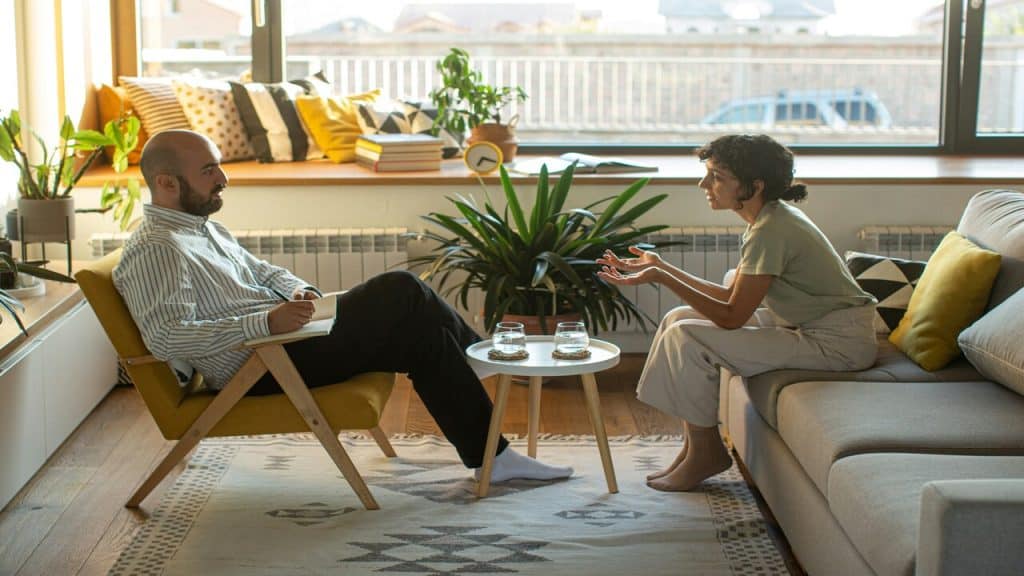
Some Millennials and Gen Zers grew up in difficult or toxic family environments. They’ve seen firsthand what happens when parenthood is approached out of obligation instead of readiness. Choosing not to have children can be a deliberate way to stop harmful cycles from continuing. For many, it’s about self-awareness–acknowledging that they don’t have the resources or desire to raise a child in a way that breaks old patterns.
8. Rising Healthcare Costs

Having children isn’t just expensive in terms of diapers and daycare–it begins at birth. Hospital bills, prenatal care, and long-term healthcare costs have skyrocketed, particularly in countries like the U.S. where medical care is already burdensome. Millennials and Gen Z are weighing these costs against their own medical needs and deciding it’s simply not worth the risk of financial ruin. Healthcare has become a dealbreaker in the decision to go child-free.
9. Desire for Personal Growth

Younger generations place high value on self-discovery, therapy, and personal development. They see their twenties, thirties, and even forties as a time to evolve, not just settle down. Parenting often demands putting another life ahead of your own, which can feel like a roadblock to growth. For many, the decision to stay child-free is about leaving room to keep learning, reinventing themselves, and exploring what they truly want out of life.
10. Shifting Gender Roles

Women are no longer expected to define their worth by motherhood, and men are no longer pressured to prove masculinity by starting families. Gender roles have shifted dramatically, opening the door for both men and women to say, “Parenthood isn’t for me.” With less stigma, Millennials and Gen Z feel freer to prioritize goals, passions, and lifestyles outside of traditional family structures.
11. Choosing Partnerships Over Parenting

For many couples, the strength of their bond matters more than raising a family together. Parenthood can strain even the healthiest relationships, so some Millennials and Gen Zers are opting to invest their energy into their partnership instead. They see value in shared experiences, intimacy, and building a life centered around each other–not necessarily around children.
12. Growing Acceptance of Nontraditional Families

Not having kids used to be seen as strange or selfish, but that stigma is fading. Social media, online communities, and shifting cultural norms have made the child-free choice more visible and acceptable. Many Millennials and Gen Zers feel less pressure to “follow the script” because they’re surrounded by peers also choosing different paths. That collective validation has made opting out of parenthood less taboo.
13. Environmental Responsibility

Beyond climate anxiety, some see choosing not to have kids as an active environmental stance. Fewer children mean lower carbon footprints, less consumption, and less strain on natural resources. For eco-conscious Millennials and Gen Zers, this isn’t just about fear of the future–it’s about contributing positively to the planet by consuming less overall.
14. Flexibility in Lifestyle Choices

A child-free life gives room to pivot quickly, whether that means moving to another city, changing careers, or pursuing creative projects. Children require stability, which can feel restricting to people who value adaptability. Millennials and Gen Z tend to see life as a series of chapters, not one fixed path. Without kids, they can rewrite their story as often as they want.
15. Rising Awareness of Overpopulation

Population concerns aren’t just an abstract statistic–they shape how younger people think about family planning. Many Millennials and Gen Zers feel that contributing to population growth is unnecessary, especially when adoption and fostering are already needed. For them, choosing not to have children can feel like an act of responsibility in a crowded world.
16. Investing in Experiences Over Things

Rather than putting money into raising kids, Millennials and Gen Z want to invest in experiences like travel, hobbies, fine dining, or lifelong learning. They view memories as more valuable than material accumulation. Parenting often means redirecting funds toward essentials like tuition, healthcare, or daily needs. Going child-free allows them to create a lifestyle rich in experiences without constant trade-offs.
17. Career and Creative Ambitions

Many younger adults are driven by entrepreneurial or creative pursuits that demand time and focus. Raising children can feel incompatible with building a business, writing a book, or pursuing an art career. For Millennials and Gen Z, ambition isn’t always tied to parenting–it’s about creating something unique in the world. Staying child-free often gives them the bandwidth to pursue those ambitions fully.
18. Simply Not Wanting Kids

Perhaps the simplest reason–and the one that often gets overlooked–is that many Millennials and Gen Zers just don’t want children. Not everyone feels the pull of parenthood, and that’s valid. For too long, society assumed wanting kids was universal, but younger generations are unapologetically saying otherwise. They recognize that choosing not to have children is as legitimate as choosing to have them–and that living authentically matters most.








Ask Me Anything