
Valentine’s Day looks simple on the surface. Dinner, a gift, maybe a card, and you’re done. But for a lot of men, it doesn’t feel simple at all. It feels loaded with expectations, pressure, and rules that no one clearly explained. You’re expected to care deeply, plan flawlessly, and spend just the right amount of money—without messing any of it up. That’s why many men wouldn’t miss it if February 14 quietly disappeared.
Over-commercialized from start to finish

For many men, Valentine’s Day doesn’t feel romantic—it feels manufactured. Stores push the same cards, chocolates, and flowers every year, all marked up because the calendar says so. The whole thing can feel less like celebrating love and more like funding a seasonal marketing campaign. When affection comes with a price tag and a deadline, it stops feeling genuine. It’s hard to get excited when everything feels scripted.
It turns love into a performance

Valentine’s Day has a way of making men feel evaluated. One dinner, one gift, one night that somehow represents the entire relationship. Mess it up, and suddenly it’s not about the day anymore—it’s about what it “means.” That pressure takes the joy out of it. Love shouldn’t feel like a graded assignment with permanent consequences.
The planning stress is real

Picking a restaurant, booking it early, choosing a gift, writing the card—it all piles up fast. Men who are already juggling work, family, and responsibilities often see Valentine’s Day as one more task to manage. It’s not that they don’t care. They’re just tired of another thing that has to be done perfectly. Stress doesn’t pair well with romance.
The gift expectations are unclear

One of the hardest parts is not knowing what counts as “enough.” Flowers might be sweet or lazy, depending on who you ask. Jewelry could be thoughtful or overkill. That uncertainty makes gift-giving feel risky instead of fun. When effort feels more important than intention, it becomes a guessing game no one enjoys.
Love shouldn’t need a calendar reminder

Many men believe that how you treat your partner year-round matters more than one specific day. Showing up consistently, being reliable, and handling real-life responsibilities feels more meaningful than a forced gesture in February. Valentine’s Day can feel like it ignores all that. It reduces love to a single moment instead of an ongoing effort.
Bad memories linger longer than cards

For some men, Valentine’s Day carries baggage. Past breakups, big arguments, or disappointments tend to stick. Even years later, the date can bring back feelings they’d rather leave behind. That makes the holiday less about celebration and more about reminders. Canceling it would feel like skipping a rerun no one asked for.
It’s rough on single and divorced men

Valentine’s Day doesn’t leave much room for neutrality. If you’re single or newly divorced, it can feel isolating. Everything around you highlights what you don’t have. Some men would rather avoid a day that quietly magnifies loneliness or failure. Ignoring it feels healthier than pretending it doesn’t sting.
The cost adds up fast

Dinner, drinks, gifts, babysitters—it gets expensive quickly. For men who take budgeting seriously, the financial pressure can feel unnecessary. Spending money just because tradition demands it doesn’t sit well with practical minds. Especially when that money could be used for something more useful or lasting.
The clichés feel outdated

Heart-shaped everything, scripted messages, predictable gestures—it can all feel childish. Many men outgrow that style of romance long before they stop caring about their partner. The disconnect makes Valentine’s Day feel awkward. It’s hard to get excited about traditions that don’t reflect how you actually express love.
Social media makes it worse

Scrolling through perfectly staged Valentine’s posts doesn’t help. Suddenly, it feels like everyone else nailed it while you’re just trying to survive the evening. The comparison pressure is exhausting. Valentine’s Day turns private relationships into public scoreboards, and most men want no part of that.
It competes with real-life priorities

Men in their 30s, 40s, and 50s are usually deep into work, parenting, or both. Valentine’s Day doesn’t slow life down—it interrupts it. When energy is limited, a forced celebration can feel poorly timed. Canceling it would feel like reclaiming space, not avoiding effort.
It’s labeled a “Hallmark holiday” for a reason

Many men openly admit they see Valentine’s Day as artificial. The holiday feels designed more for selling than for connecting. When romance is prepackaged and marketed, it loses credibility. That skepticism alone is enough to make men tune it out.
Romance doesn’t come naturally to everyone

Some men are uncomfortable with big romantic gestures. They care deeply but express it quietly or practically. Valentine’s Day often demands a style of affection that doesn’t fit them. Being forced into that role feels awkward, not loving.
Authentic effort matters more than symbolic effort

Fixing things, handling responsibilities, showing up consistently—many men see those as real expressions of love. Valentine’s Day rarely acknowledges that. It focuses on symbols instead of substance. That disconnect makes the holiday feel shallow.
At a certain point, it feels juvenile
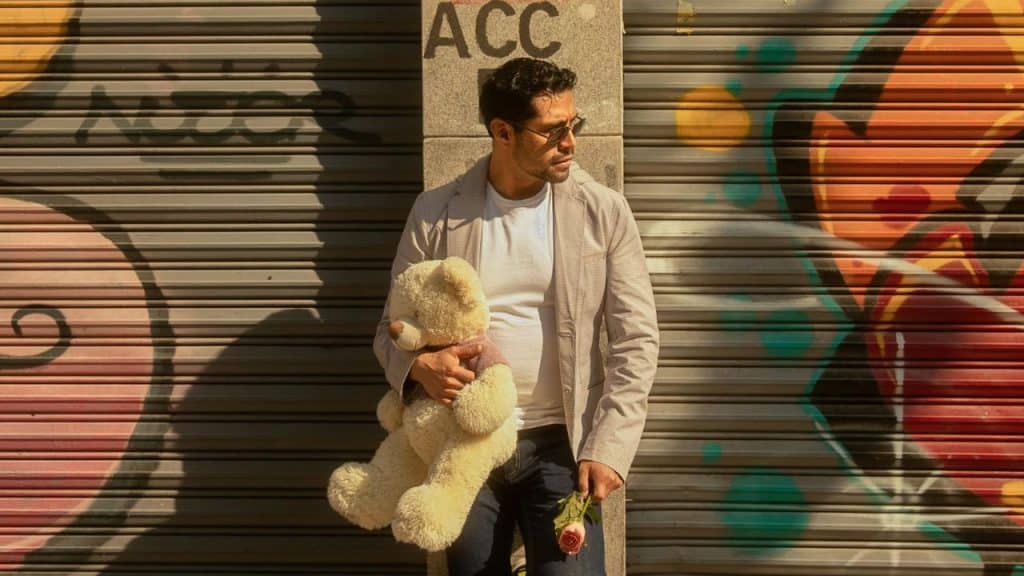
For some men, Valentine’s Day just feels young. It made sense in early dating, but later in life it can feel out of place. Priorities shift, and so does how love is shown. Canceling Valentine’s Day wouldn’t feel cold—it would feel honest.








Ask Me Anything